What Makes a Forage Chopping Pass Worth the Trip?

Forage chopper decisions usually come down to feed quality, timing, and whether the machine can keep up when the crop is ready. Forage work does not leave much room for delay. Moisture changes. Weather changes. The crop that looked perfect yesterday may be past ideal sooner than anyone wants. The right setup helps a grower make the pass when the crop is ready, not after the window has slipped.


Feed quality starts before storage

A good forage harvest is not only about getting crop off the field. It is about harvesting material in a condition that can feed well later.

Length of cut, crop moisture, kernel processing in some systems, and overall consistency all affect the final feed value. If the material is too long, uneven, too wet, or too dry, storage and feeding can both suffer.

That is why the machine matters. It needs to chop consistently and move crop smoothly. A harvest pass that creates uneven material can make the rest of the feed program harder than it needs to be.


Why a forage chopper has to match the crop

Different crops ask different things from the machine. Corn silage, haylage, and other forage crops do not behave the same. Crop height, stem strength, moisture, and yield all affect how the machine feeds and cuts.

A machine that works well in lighter crop may be tested in heavier material. A setup that chops nicely at one moisture level may need adjustment at another. The grower has to pay attention to what the crop is doing that day, not what it did last season.

That is where a practical setup matters. Adjustments should be understandable. Service points should be accessible. The machine should let the operator keep the pass moving without ignoring crop quality.
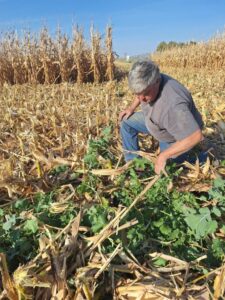
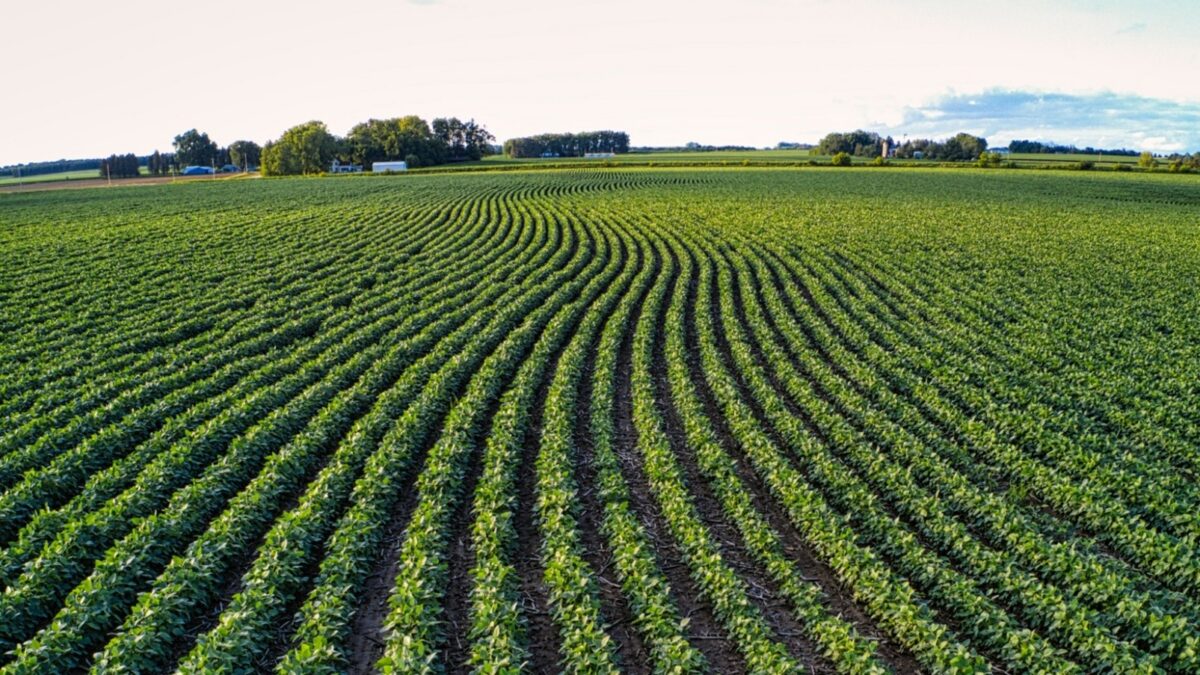
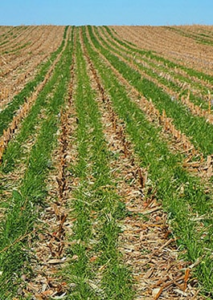
Mike Peterson looks over his interseeded cover crops after corn harvest in a field that he farms with his son Shane. October 2024.

Harvester choice affects more than the field pass

A forage harvester plays a role in the whole feed chain. What happens in the field affects packing, fermentation, storage losses, and feedout.

If the chop is uneven, packing can be harder. If moisture is off, fermentation may suffer. If harvest timing drags, the feed value can shift. The field pass is the beginning of a longer process.

That is why dependable capacity matters. The machine has to keep up with the crop and the hauling plan. If the harvester outruns wagons, work stops. If wagons outrun the harvester, the crew waits. A good system keeps crop, machine, and labor moving together.


Flail systems have a different fit

A flail forage harvester can be useful where the grower wants a rugged machine for certain forage or residue situations. The design has to match the crop, the desired cut, and the operation’s feeding or harvesting goals.

That is why conversations with flail forage harvester dealers should be specific. What crop is being harvested? How often will the machine run? What tractor will be used? What kind of material finish is expected? Those questions matter more than general claims. A machine is only a good investment if it fits the real work.


Manufacturer support should feel practical

Flail forage harvester manufacturers need to understand how narrow forage windows can be. When the crop is ready, downtime gets expensive fast.

That makes parts access, serviceability, and machine durability important. Bearings, knives, driveline components, shields, and feed areas all need to handle tough conditions. The operator should be able to inspect and maintain key areas without turning routine care into a long ordeal.

Good support also helps with setup. Crop conditions change through the season, and a grower may need guidance on settings, maintenance, or wear parts. A harvester is not just purchased once. It has to be kept ready.


Timing may be the biggest factor

Even the best machine cannot fix crop that was harvested too late. Forage quality is tied closely to timing, especially when weather pushes against the plan.

That is why capacity and reliability matter so much. The right forage chopper helps the grower move when the crop is in the right window. It should chop cleanly, feed smoothly, and keep up with the rest of the harvest system.

The decision is not only about equipment size. It is about confidence. Can the machine handle the crop? Can it be serviced quickly? Can the crew keep moving? Will the harvested material support the feed plan later?

A good forage chopper makes the field pass feel less rushed and more controlled. That can show up later in better storage, easier feeding, and a harvest season that feels a little less fragile.


FAQs


When should forage be chopped?
It depends on the crop and the feed goal. Moisture and maturity matter, so growers usually watch the crop closely as the harvest window approaches.

Is a forage chopper mainly about speed?
No. Capacity helps, but consistency and crop quality matter just as much. A fast pass that creates poor feed is not a win.

What should growers ask before choosing a harvester?
Ask what crop it will handle, how much capacity is needed, how easy it is to service, and whether support will be available when the crop is ready.

Tired of fighting your farm equipment? Let’s make it easier. Reach out to us online at Hiniker to fill out a form or call us at 507-625-6621.

 .

Automatic Rate Controllers

.

We are here to assist you with all your farm equipment needs.  We carry the latest equipment, whether it’s cultivators, cover crop seeders, rate controllers, shredders, windrowers, or a forage chopper.

Find your Hiniker Dealer today to find out more about our amazing agricultural equipment. 

You can also follow us on Facebook for the latest news and updates. 
When Do Flail Mowers Make Sense on a Working Farm?

Flail mowers are a practical choice when a grower needs a cleaner, more controlled cut through rough vegetation, residue, or field edges. They are not always the flashiest piece of equipment on the farm, but they tend to prove their value in the places that are hard on lighter-duty tools. Ditches, waterways, field borders, stalk residue, and cleanup passes all have a way of testing equipment fast.


Start with the kind of material you need to cut

Not every mowing job is the same. Light grass along a field edge is one thing. Tough stalks, tangled growth, or uneven residue are another.

That is why the first question should be about material. Is the mower expected to handle weeds, cover crop growth, stalks, brushy edges, or crop residue? How often will it run? Will the ground be smooth, rough, sloped, or full of surprises?

A mower that is fine for occasional light work may not hold up if the job is heavy and regular. The more demanding the work, the more important build quality becomes.


Why flail mowers are useful for rougher cleanup

A flail-style cut can be helpful when the grower wants material sized more evenly instead of simply knocked down. That can make the field or field edge look cleaner and help residue settle faster.

The benefit is control. Instead of leaving long, stringy material, the mower can leave a more manageable finish. That matters around waterways, headlands, ditches, and areas where residue or growth might interfere with the next operation.

It also matters for safety and visibility. Clean field edges make it easier to see obstacles, maintain access, and keep equipment moving without fighting overgrown areas.


Shredding and mowing can overlap

A farm that is considering a mower may also be looking at heavier residue tools. Flail shredders are often part of that conversation when stalks or stover need more aggressive sizing.

The difference comes down to the job. Mowing may be focused on maintenance, cleanup, or lighter residue. Shredding is usually aimed at tougher crop material and more demanding post-harvest work.

Still, there is overlap. A grower who wants a better finish and more controlled material sizing may compare both options. The right choice depends on residue volume, crop type, tractor match, field conditions, and how much work the machine is expected to do in a season.


Manufacturer experience matters

Flail mower manufacturers should understand that farm mowing is not the same as trimming a lawn. The equipment has to live around dust, uneven ground, hidden debris, and long hours.

That shows up in the details. Rotor design, knives, shielding, bearings, driveline strength, and service access all matter. So does how easy it is to inspect wear parts and make routine repairs.

A machine that is difficult to maintain will eventually get maintained less often. That is not because farmers are careless. It is because the season gets busy. Good design makes the right thing easier to do.


Crop residue can be harder than it looks

After harvest, fields can leave behind more material than expected. Stalks get tough. Stover gets tangled. Wet spots can hold residue in clumps.

A stalk chopper or stalk shredder may be better suited for heavy post-harvest residue, but the thinking is similar. The tool has to match the material.

That is where some mower decisions go wrong. A grower buys for the easiest job and then expects the machine to survive the hardest one. It is better to be honest about the roughest conditions the mower will see.

If the work includes tough residue, heavy weeds, or rough field edges, buy for that reality.

Flail MowersThink about the finish you want

Some jobs only need material knocked down. Others need a cleaner finish. That is where flail mowers can stand out.

A cleaner finish may matter around farm lanes, drainage areas, road edges, waterways, or places where residue needs to settle instead of lying in long strips. It may also help reduce places where weeds go to seed or where tall growth blocks visibility.

A stalk cutter may be a better fit for certain post-harvest stalk jobs, but for mixed cleanup and mowing work, a flail mower can be a useful tool to have available.

The right flail mowers should feel dependable in rough spots, not delicate. They should cut cleanly, handle uneven material, and be simple enough to maintain when the farm schedule is already full.


FAQs

Are flail mowers only for field edges?
No. Field edges are common, but they can also help with waterways, rough cleanup, vegetation control, and some residue-management jobs.

How are flail mowers different from rotary mowers?
A flail mower generally gives a more controlled, finely sized cut. The best choice depends on the material and finish the grower wants.

What should a grower check before buying one?
Look at the toughest material it will handle, not the easiest. Rotor design, knives, shielding, service access, and durability all matter.

Tired of fighting your farm equipment? Let’s make it easier. Reach out to us online at Hiniker to fill out a form or call us at 507-625-6621.

 .

Automatic Rate Controllers

.

We are here to assist you with all your farm equipment needs.  We carry the latest equipment, whether it’s cultivators, cover crop seeders, rate controllers, shredders, windrowers, or a forage chopper.

Find your Hiniker Dealer today to find out more about our amazing agricultural equipment. 

You can also follow us on Facebook for the latest news and updates. 
What Makes Windrowing Work Better After a Tough Harvest?

Windrowers matter when residue needs to be more than chopped and forgotten. Sometimes a grower wants stalks or crop material gathered for baling, bedding, removal, or a cleaner follow-up pass. That changes the job. The machine has to manage residue, form a usable windrow, and keep the field moving without creating a bigger mess behind it.

Start with what you want the windrow to do

A windrow is not useful just because material is in a line. It has to match the next step.

If the plan is baling, the windrow needs to feed well. If the goal is clearing residue from a strip, placement matters. If the grower is trying to manage heavy stalks after corn, density and consistency become important. A windrow that is too loose, too wet, too ropey, or too uneven can slow everything down later.

That means the equipment decision should begin with the final use. What will happen after the pass? Who will run the next machine? What shape and volume will make that next job easier?

Why Windrowers need to be judged in the field

A clean windrow depends on more than machine width. Crop condition, stalk moisture, ground speed, residue volume, and field terrain all affect the result.

A machine that works well in light residue may struggle after a high-yield corn crop. A setup that makes a good-looking windrow in dry conditions may behave differently when material is damp or tangled. Field testing and practical experience matter because the residue is the real judge.

This is where a grower should look at feeding, flow, and placement. Does the material move smoothly? Does the windrow stay consistent? Does the machine leave trash where it should not? Does it plug when the field gets heavy? Those answers matter more than a neat sales phrase.

Dealer advice can save a lot of guessing

A good windrower dealer should help a grower think beyond the purchase. The right conversation includes crop type, residue volume, desired windrow size, tractor match, service access, and what the operation will do after the material is gathered.

That support is especially important for farms adding windrowing to a residue plan for the first time. It is easy to underestimate how much crop material a field can produce, or how much a poor windrow can slow down the next step.

A dealer who has seen different field situations can help the grower avoid mismatches. That kind of advice may not show up on a spec sheet, but it can make a real difference in season.Windrow

Manufacturer experience shows up in small details

A windrower manufacturer has to design for conditions that are not gentle. Residue can be dry and abrasive one day, damp and stubborn the next. Fields can be smooth in one pass and rough in another.

The important details are often practical. Does the machine feed evenly? Can the operator adjust it without a long stop? Are wear parts accessible? Is the frame built for the load? Does the windrow land where it should?

Good design reduces the amount of babysitting the operator has to do. That matters when the day is long and the harvest schedule is already tight

Shredding and windrowing are not the same job

Some growers need a shredder windrower because they want to size material and place it in a row. Others may be thinking about a windrowing shredder because the residue needs both cutting action and controlled placement.

Those are related jobs, but they are not identical. Shredding focuses on sizing and spreading or preparing residue. Windrowing focuses on gathering and placing material in a usable row. Combining those jobs can be valuable, but only if the machine handles both parts well.

The field will tell the truth quickly. If the residue is chopped but the row is inconsistent, the next step suffers. If the windrow forms but the material is too long or tangled, the problem is still there.

Stalk residue needs a plan

Corn stalks are tough, especially after strong yields. A stalk windrower can make sense when the goal is to gather stalk material instead of leaving it spread across the field.

The key is matching the pass to the purpose. Stalks intended for baling may need different handling than residue being moved for field preparation. Moisture matters. So does timing after harvest.

The best plan is usually simple: make a windrow that the next machine can handle without a fight. That may not sound fancy, but it is the whole point.

The right windrowers should leave the field more organized than they found it. They should help residue move into the next use, not just push it into a line and hope for the best.


FAQs


What makes a good windrow?
It should be consistent, placed where the operator wants it, and shaped so the next machine can handle it smoothly.

Are windrowers the same as swathers?
Not exactly. The terms are sometimes compared, but the right tool depends on the crop, residue, and what the grower plans to do next.

When does a shredder windrower make sense?
When the grower needs both sizing and placement. If residue needs to be cut and gathered, combining those jobs can save a pass.

Tired of fighting your farm equipment? Let’s make it easier. Reach out to us online at Hiniker to fill out a form or call us at 507-625-6621.

 .

Automatic Rate Controllers

.

We are here to assist you with all your farm equipment needs.  We carry the latest equipment, whether it’s cultivators, cover crop seeders, rate controllers, shredders, windrowers, or a forage chopper.

Find your Hiniker Dealer today to find out more about our amazing agricultural equipment. 

You can also follow us on Facebook for the latest news and updates. 
How Do You Choose a Better Tool for Heavy Residue After Harvest?

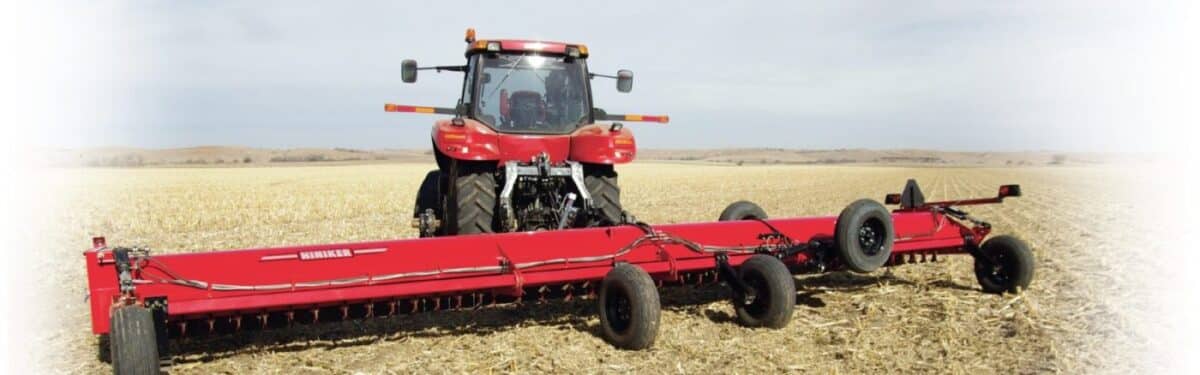
Flail shredders get a lot more interesting after a heavy crop leaves a field covered in tough residue. Corn stalks, stover, and uneven trash can slow down the next step if they are not handled well. The goal is not just to knock material down. It is to size it, spread it, and leave the field ready for the next pass.

Residue is not just something to clean up

That is why residue tools need to do controlled work after a harvest. Too little sizing leaves stalks standing or clumped. Too much aggression can create unnecessary wear, fuel use, or soil exposure.

A good residue pass should make the field easier to manage without treating every acre like it needs the same beating. Crop height, stalk condition, moisture, and yield all change what the machine has to handle.

Flail ShreddersWhy flail shredders are different from lighter tools

Heavy residue needs a tool built for impact, flow, and consistency. A flail system can size stalks and spread material in a way that helps the field break down more evenly.

The key word is consistency. One area should not be chopped fine while another is left in ropes and piles. Uneven residue becomes an uneven problem later. It can affect tillage, planting, emergence, and even soil temperature.

Good shredding also helps with decomposition. Smaller, more uniform pieces tend to settle and break down more predictably. That does not mean every field needs to be pulverized. It means the residue should be managed enough that it works with the next operation instead of fighting it.

Think about the crop that left the mess

Corn after a strong yield year can leave a lot of stalk material. Some hybrids stand tough. Some break down sooner. Weather can flatten areas or leave stalks leaning in every direction.

A stalk chopper may be part of the conversation when the main job is breaking down standing residue. A stalk cutter may appeal when the grower is focused on cutting stalks closer to the ground.

The right choice depends on what problem needs solving. Are stalks hard on tires? Are they slowing tillage? Are they leaving clumps? Are they interfering with fall work or spring planting? The answer should point the equipment decision.


Do not ignore windrowing needs

Residue management is not always about spreading everything flat. Some operations want material moved, gathered, or prepared for another use. That is where windrowers enter the discussion.

A field that needs shredding and windrowing asks for a different plan than a field that only needs stalks sized and spread. The operator has to think about crop residue, desired windrow shape, field traffic, and what happens after the pass.

Support from a windrower dealer can help here, especially if the grower is trying to match residue handling with baling, bedding, or removal plans. Residue is only useful if it ends up where it needs to be.


Build quality matters in rough conditions

Residue tools live a hard life. They run through stalks, dust, uneven ground, and long days when the operator is trying to finish before the weather changes.

That is why the machine needs to be built for the work. Bearings, knives, rotors, shielding, driveline components, and frame strength all matter. So does maintenance access. A machine that is miserable to service will eventually prove it.

A stalk shredder should not feel delicate. The whole point is to take on tough residue and leave the field in better shape. If the operator has to baby the machine through every tough patch, it may not be the right match.


Choose the pass that helps the next job

The best residue pass is the one that makes the next operation easier. That may be fall tillage. It may be spring planting. It may be baling or grazing or simply leaving the field protected through winter.

The right flail shredders should match the residue volume, the field conditions, and the farm’s next step. They should size material cleanly, spread it consistently, and stand up to the work without turning every day into a repair day.

That is the practical test. If the field is easier to manage after the pass, the machine is doing its job. If the residue is still uneven, clumped, or in the way, the problem has only been moved around.


FAQs


When should a grower shred stalks after harvest?
Usually when field conditions are dry enough to run clean and the residue needs to be sized before the next operation.

Are flail shredders only for corn residue?
No. Corn stalks are a common use, but the right setup can help with other tough residue jobs too.

What matters most in a residue tool?
Consistency. The machine should size and spread material evenly so the next pass is easier, not harder.

Tired of fighting your farm equipment? Let’s make it easier. Reach out to us online at Hiniker to fill out a form or call us at 507-625-6621.

 .

Automatic Rate Controllers

.

We are here to assist you with all your farm equipment needs.  We carry the latest equipment, whether it’s cultivators, cover crop seeders, rate controllers, shredders, windrowers, or a forage chopper.

Find your Hiniker Dealer today to find out more about our amazing agricultural equipment. 

You can also follow us on Facebook for the latest news and updates. 
Why Does NH3 Monitoring Matter Before a Problem Shows Up?

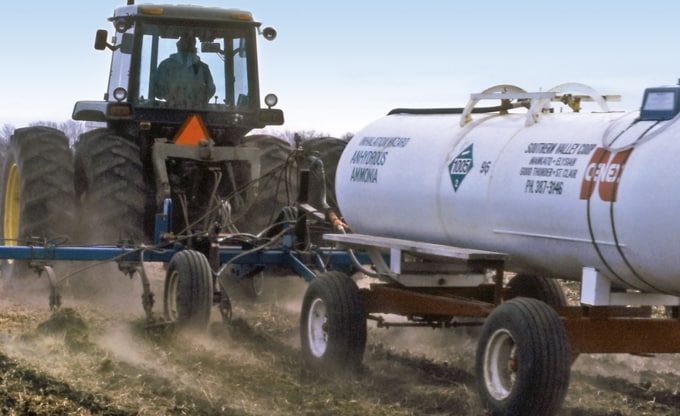
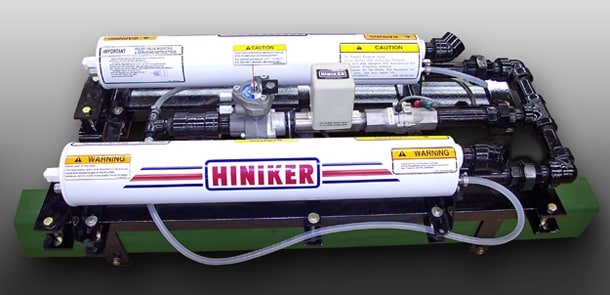
NH3 ammonia rate controllers help growers keep anhydrous application from turning into guesswork. That matters because NH3 work is not the place for vague confidence. Product cost, crop needs, safety, and timing all meet in one pass. If the system is not applying evenly, a grower may not see the full problem until the crop starts showing it.


What makes NH3 different

Anhydrous ammonia is efficient, but it asks for respect. It is not handled like a casual input. The equipment needs to be right, the operator needs to pay attention, and the monitoring system needs to tell the truth quickly.

That is why rate control and monitoring belong together. A controller may help manage the target rate, but the operator also needs to know whether product is moving where it should. If a knife is blocked or a line is restricted, the total rate may not tell the whole story.

A good system gives the operator more than one way to understand what is happening behind the toolbar.


Why NH3 ammonia rate controllers are part of a bigger setup

Rate control is not just about hitting a number on a screen. It is about making sure the field receives the planned amount as conditions change.

Ground speed changes. Temperature can affect behavior. Plumbing and delivery systems have their own quirks. The operator may slow for rough ground, speed up in a long straight pass, or adjust around obstacles.

A controller helps the system respond. But good NH3 application still depends on the rest of the setup. The tank, lines, knives, valves, and monitor all matter. If one part is not working properly, the controller may be doing its job while the field still gets an uneven result. That is why monitoring matters.

Automatic Rate ControllersKnife monitoring can save more than time

A blocked knife is one of those problems growers would rather catch right now than discover later. Streaks in the field are not just ugly. They can mean lost yield potential and wasted input planning.

Anhydrous ammonia knife monitors give the operator a better chance to catch knife problems during the pass. Instead of relying on hope, the monitor helps show whether the system is delivering properly across the toolbar.

The same value applies to NH3 ammonia knife monitors. When an issue shows up, the operator can stop, check it, and keep the problem from spreading across more acres.

That is practical information. It turns a hidden issue into a fixable one.


Lines deserve attention too

A line problem may not be dramatic at first. It may show up as uneven delivery, a restriction, or a pattern that the crop explains later. By then, the pass is done and the opportunity to correct it is gone.

An anhydrous line monitor gives the operator another layer of awareness. So does an NH3 line monitor. These tools are not about adding noise to the cab. They are about giving the operator useful signals while the problem is still small.

Farmers already have plenty to watch. The point of a monitor is not to make the cab busier. It is to make the important things harder to miss.


Good information changes operator behavior

When the system is clear, the operator can make better decisions. That may mean slowing down, stopping to check a line, changing a setting, or catching a pattern before it becomes a field-wide problem.

This is one place where automatic rate controllers can work well with monitoring equipment. The controller helps manage application rate. The monitors help confirm that delivery is happening properly across the machine.

Together, they give the operator a stronger picture. Not perfect. Farming never offers perfect. But stronger.

That confidence matters on long days. When application windows are tight, a grower needs to keep moving without ignoring warning signs. Clear information makes that possible.


The cost of not knowing can be high

Uneven NH3 application can be expensive in more than one way. There is the cost of the product. There is the effect on crop performance. There is the time lost if a problem forces a stop. There is also the frustration of finding out later that a field pass was not as clean as it seemed.

That is why growers should think about NH3 monitoring before there is a problem. The best time to invest in better visibility is not after a season of streaks or poor performance. It is before the pass depends on guesswork.

The right NH3 ammonia rate controllers should help the grower control the planned rate and stay aware of what is happening across the toolbar. That makes the work steadier, safer, and easier to trust.


FAQs


Can a rate controller catch every NH3 problem?
No. A controller helps manage rate, but line and knife monitors give more detail about delivery across the toolbar.

Why use NH3 ammonia rate controllers with monitors?
Because rate and delivery are connected but not identical. The controller helps with the target rate, while monitors help show whether product is reaching the right places.

When is monitoring most valuable?
During the pass. Catching a problem in the field is much better than finding out later from crop streaks or uneven performance.

Tired of fighting your farm equipment? Let’s make it easier. Reach out to us online at Hiniker to fill out a form or call us at 507-625-6621.

 .

Automatic Rate Controllers

.

We are here to assist you with all your farm equipment needs.  We carry the latest equipment, whether it’s cultivators, cover crop seeders, rate controllers, shredders, windrowers, or a forage chopper.

Find your Hiniker Dealer today to find out more about our amazing agricultural equipment. 

You can also follow us on Facebook for the latest news and updates. 

How Do Rate Controllers Help Keep Application Work Honest?

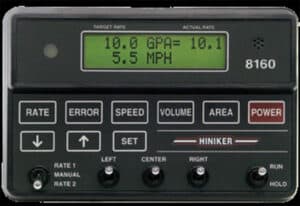
Automatic rate controllers are easy to appreciate after a grower has spent enough seasons trying to keep application work consistent by hand. Rates change, speeds change, field conditions change, and the operator still needs the product going out at the right amount. When that job is handled well, the field pass feels steadier. When it is not, the cost can show up in wasted input, uneven results, or both.


The field does not stay perfectly consistent

Application work would be simpler if every acre acted the same. It does not. Ground speed changes at turns, terraces, rough spots, and wet areas. Tanks get lighter. Pressure changes. Equipment reacts to the field in small ways all day.

A controller helps take some of that constant correction off the operator. It does not replace attention, but it gives the system a way to respond when conditions shift. That matters with expensive inputs and tight margins.

For fertilizer, especially, a little sloppiness can add up. Overapplication wastes money and can create agronomic problems. Underapplication may leave yield potential on the table. Neither one feels good when the season is over and the maps tell the story.


Why automatic rate controllers matter in the cab

The cab is already busy. The operator is watching the toolbar, the monitor, the field edge, the next pass, and the weather that might be coming in faster than expected.

A good controller keeps the rate work from becoming one more thing that needs constant hand-holding. It should respond predictably, display information clearly, and make it easier to see whether the system is doing what it should.

This is especially useful when acres are long and the day is longer. Fatigue causes mistakes. A controller that helps keep the rate steady can make the work less dependent on perfect operator attention every minute.

That does not mean the operator stops paying attention. It means the operator has better help.

Automatic Rate Controllers

NH3 work raises the stakes

Anhydrous ammonia is not an input most growers treat casually. It has safety concerns, cost concerns, and crop-performance concerns. That is why NH3 ammonia rate controllers matter on operations that rely on NH3.

The goal is not just to apply product. The goal is to apply the intended amount across acres that rarely behave exactly the same. Speed changes and flow changes need to be managed in real time.

A good system should make it easier to know the rate is staying where it belongs. It should also make problems more visible before they turn into a field-wide issue. That kind of information can save product, protect the crop plan, and reduce the stress of the pass.


Flow monitoring helps catch the things you cannot see

A lot is happening behind the toolbar that the operator cannot easily see from the seat. A plugged line, restricted flow, or uneven delivery can create a problem that only becomes obvious later.

That is where an anhydrous flow monitor earns attention. It gives the operator a better window into the system. Instead of assuming product is moving correctly, the operator can see whether something is off.

The same thinking applies to an NH3 flow monitor. A monitor cannot make every problem disappear, but it can help catch a problem while there is still time to stop and fix it. That is the difference between a small delay and a disappointing strip through the field.


Manufacturer support is part of the decision

The equipment itself matters, but so does the thinking behind it. An automatic rate controller manufacturer should understand how the product is used in real conditions, not just in neat diagrams.

Growers need controls that make sense during a working day. Menus should be understandable. Information should be clear. The system should be rugged enough for fertilizer work, field vibration, dust, temperature swings, and the general abuse that comes with the season.

Support matters too. When questions come up, growers need useful answers. A controller is not a decorative piece of technology. It is part of a working system, and downtime is not just inconvenient when application windows are tight.


Application accuracy is about more than saving product

Saving input is one reason growers care about rate control, but it is not the only one. Consistent application helps the crop plan stay on track. It helps the operator trust the pass. It can also make records and field decisions cleaner later.

Anhydrous ammonia rate controllers fit into that bigger picture. The controller is part of a chain that includes the tank, plumbing, toolbar, knives, monitor, operator, and field conditions.

If one part of that chain is hard to read, the whole job gets more stressful. If the controller and monitoring setup communicate clearly, the operator can respond sooner and make better decisions.

The right automatic rate controllers should make application work feel less like chasing a moving target. They should help the grower apply what was planned, notice what is changing, and finish the pass with fewer unanswered questions.


FAQs

Do rate controllers replace operator judgment?
No. They help manage the rate, but the operator still has to watch the field, the toolbar, and the system.

Are automatic rate controllers only useful for large farms?
They can be useful for all farms. Any farm trying to control input costs and keep rates consistent can benefit from better application control.

What is the biggest benefit of monitoring flow?
It helps catch problems early. A plugged or restricted line is much easier to fix when the operator knows about it during the pass.

Tired of fighting your farm equipment? Let’s make it easier. Reach out to us online at Hiniker to fill out a form or call us at 507-625-6621.

 .

Automatic Rate Controllers

.

We are here to assist you with all your farm equipment needs.  We carry the latest equipment, whether it’s cultivators, cover crop seeders, rate controllers, shredders, windrowers, or a forage chopper.

Find your Hiniker Dealer today to find out more about our amazing agricultural equipment. 

You can also follow us on Facebook for the latest news and updates. 
What Helps Reduced-Tillage Fields Stay Clean Without Overworking the Soil?

No-till cultivators have a harder job than the name makes it sound. The goal is not to stir the whole field just because weeds are present. The goal is to solve the problem between the rows while keeping the benefits of reduced disturbance. That takes a different mindset than a full-width tillage pass.


Less disturbance still needs real control

Reduced-tillage systems ask growers to be selective. You may want residue left on the surface. You may want moisture protected. You may want the soil structure to stay intact. At the same time, weeds do not pause politely because the system is built around soil health.

That is where careful cultivation fits. The tool needs to work where the problem is without turning the whole field upside down. It should disturb weeds, manage the row middle, and leave enough cover and structure behind to keep the system working. This is not a lazy pass. It is a more specific one.


What no-till cultivators need to do well

A good no-till or reduced-tillage cultivation pass starts with residue flow. If the machine cannot move through the field without dragging, bunching, or plugging, the rest of the conversation falls apart.

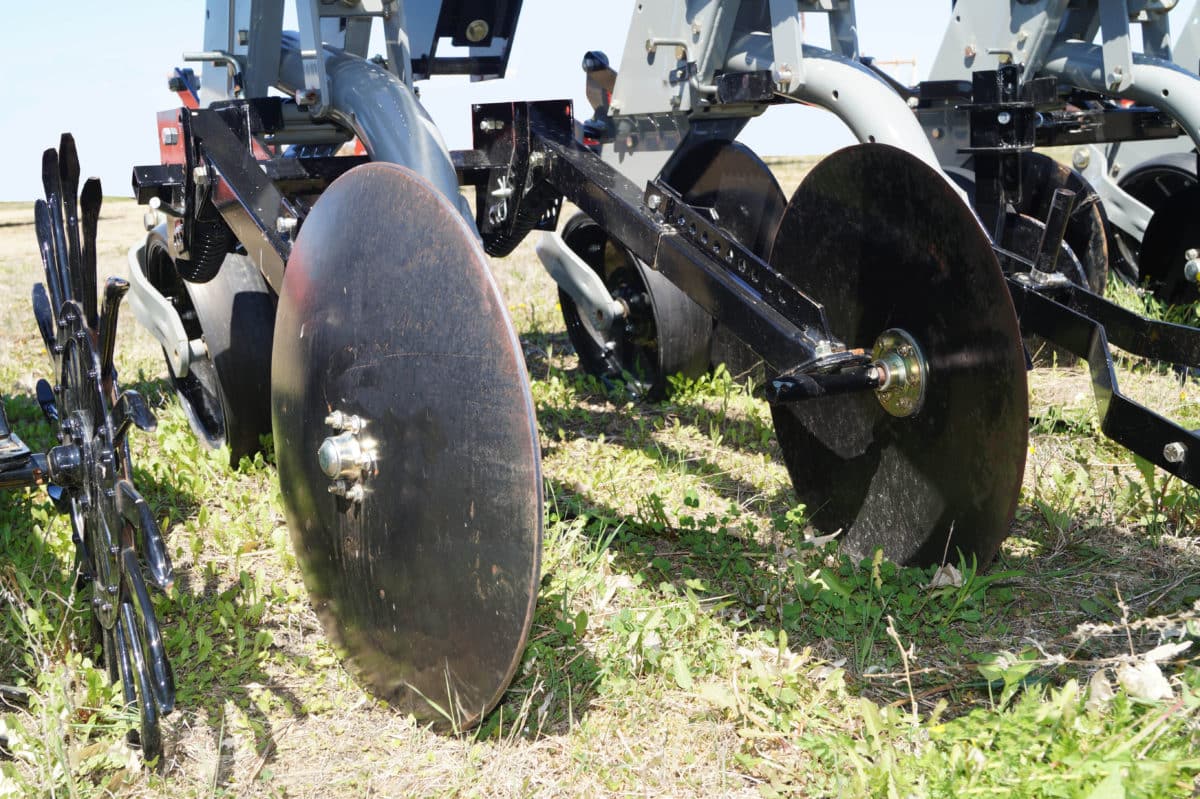
Depth control matters too. Working too shallow may miss the weeds. Working too deep may disturb more soil than the grower wants. The tool has to hold a steady depth while field conditions change under it.

Visibility is another big piece. The operator needs to see whether the pass is cutting, flowing, and leaving the row protected. Guessing is not a great strategy when the crop is young and the field has a lot of residue.

Row Cultivators

Match the setup to your field history

A field with long-term residue cover does not behave the same as a field that was tilled last fall. Soil texture, compaction, previous crop, and moisture all shape the pass.

This is where no-till cultivator manufacturers can help growers think through the equipment side of the system. The toolbar, row units, shields, and sweeps need to match the kind of work the field will allow.

Some fields need a light, careful touch. Others need enough action to break a surface crust or uproot weeds that got a little ahead. There is no single setting that fits every acre. The best equipment gives the operator room to adjust without turning every change into a project.


Ridge-till has its own rhythm

Reduced-tillage does not always mean flat planting. Some farms use ridges to manage moisture, improve traffic patterns, or help with warming and drying in the row.

That is where ridge-till cultivators come into the conversation. The row shape is part of the system, so the cultivation pass has to respect it. The goal may be to clean weeds, maintain the ridge, and keep soil movement predictable.

Growers working with ridge-till cultivator dealers should talk through more than machine size. Row shape, crop stage, and soil moisture matter. So does whether the operator needs to rebuild, maintain, or lightly touch the ridge during the pass.


Organic acres can share some of the same challenges

The goals may differ, but reduced-tillage and organic systems often overlap in one area: timing matters. Organic cultivators are often used when weeds are small because a late pass is harder to recover from. That same lesson applies in reduced-tillage fields.

If weeds are allowed to get too large, the machine may need to move more soil to do the job. That can work against the reason the farm chose a lower-disturbance system in the first place.

The cleaner plan is usually to be early, be precise, and avoid asking one pass to fix a problem that should have been handled sooner.


Dealer advice matters when residue gets complicated

Residue creates good things and hard things. It protects soil, holds moisture, and reduces erosion. It can also hide small weeds, wrap around parts, or make depth harder to read from the cab.

That is why support from no-till cultivator dealers can be useful. A dealer who understands residue conditions can help a grower choose options that fit the field instead of guessing from a general description.

That support becomes even more important when a grower is changing systems. Moving from more aggressive tillage to reduced disturbance is not just a machinery change. It changes how the soil behaves, how residue moves, and how the timing of each pass feels.


Choose for control, not just conservation

A reduced-tillage pass has to protect the system without letting weeds win. That is the balance.

The right no-till cultivators should help a grower make a clean pass without unnecessary soil movement. They should handle residue, hold depth, adjust without drama, and give the operator enough visibility to trust what is happening behind the tractor.

That kind of control is what makes the pass useful. The field stays covered where it should. The weeds get disturbed where they need to. The crop gets a better chance to keep moving.


FAQs

Can reduced-tillage fields still be cultivated?
Yes, if the equipment and timing fit the system. The goal is controlled disturbance, not a full-field reset.

Do no-till cultivators remove too much residue?
They should not when they are set up correctly. Residue flow and depth control are the big things to watch.

What is the biggest mistake in reduced-tillage cultivation?
Waiting too long. Bigger weeds often require more aggressive action, which can work against the soil-protection goals of the system.

Tired of fighting your farm equipment? Let’s make it easier. Reach out to us online at Hiniker to fill out a form or call us at 507-625-6621.

 .

Automatic Rate Controllers

.

We are here to assist you with all your farm equipment needs.  We carry the latest equipment, whether it’s cultivators, cover crop seeders, rate controllers, shredders, windrowers, or a forage chopper.

Find your Hiniker Dealer today to find out more about our amazing agricultural equipment. 

You can also follow us on Facebook for the latest news and updates. 
How Can Organic Weed Control Stay Ahead of the Crop?

Organic cultivators are not a backup plan on an organic farm. They are part of the main plan. When herbicides are not carrying the load, timing and field preparation matter in a different way. A pass that happens two days too late can feel like it missed by a mile. A pass that happens at the right time can make the whole field look more settled.


Timing does more work than people think

Organic weed control is not only about having the right tool. It is about getting into the field when weeds are small enough to lose the fight.

That sounds simple, but every grower knows the calendar does not always cooperate. Rain delays a pass. Wind dries one field faster than another. A low spot stays tacky. The crop keeps growing while the weeds do the same.

That is why the equipment has to be ready before the window opens. If a grower has to spend half a day fighting adjustments or hunting for parts, the best timing may already be gone. The machine needs to be practical enough that a field-ready day can actually become a field-work day.

Inter Row SeederWhy organic cultivators need to be easy to trust

There is a lot riding on an organic cultivation pass. The operator is trying to disturb weeds, protect the crop, manage soil movement, and avoid setting up a bigger problem for the next pass.

That takes trust. The machine has to hold depth. It has to stay stable. It has to let the operator see what is happening near the row. If the tool is hard to read, the operator either slows way down or starts making cautious passes that do not do enough work.

Good organic cultivation is usually a series of small, timely decisions. How close can you work? How much soil should move? Does the crop need shielding? Is the soil too wet to run clean? The equipment should help answer those questions, not make them harder.


The system around the tool matters

A cultivation pass starts long before the tractor enters the field. Seedbed prep, planting accuracy, row spacing, residue levels, and crop rotation all shape how well the pass will go.

That is why conversations with organic cultivator manufacturers can be useful. The best equipment choices come from understanding the whole system, not just picking a toolbar width.

A straight, consistent planting pass gives the cultivator a better chance. Uniform emergence helps too. So does a field surface that lets the row units work without bouncing or plugging. If any of those pieces are off, the cultivation pass has to compensate.

The machine still matters, of course. But it performs best when the rest of the system gives it something reasonable to work with.


Residue changes the conversation

Organic farming does not always mean clean, black soil. Many growers are thinking hard about residue, soil cover, and erosion. That can make cultivation more complicated.

Residue can protect the soil, but it can also interfere with weed control if the tool cannot handle it. Heavy residue may cause plugging, uneven soil movement, or missed weeds. Too much aggressive action can bury residue and undo some of the soil-protection work.

This is where growers may compare organic systems with ideas from no-till cultivators. The goal is not always the same, but the thinking overlaps. Move enough soil to solve the problem. Leave enough structure and cover to protect the field. That balance is different on every farm.


Dealer support is not a small detail

When a cultivation tool is central to the weed program, support matters. Parts access matters. Setup advice matters. So does having someone who understands why the machine needs to be ready when the weeds are at the right stage, not next week.

That is why organic cultivator dealers should be judged by more than availability. A good dealer can talk through field conditions, row spacing, crop stage, and the adjustments that make a difference in real use.

This becomes especially important during the first season with a new setup. The operator is learning how the machine behaves. The field is teaching its own lessons. Good support can shorten that learning curve.

No equipment purchase removes the need for judgment. But good support can make that judgment easier to apply

.

Ridge systems and speed still have a role

Some organic growers look at ridge-till cultivators because they want the row shape to work with the cultivation plan. Others are more focused on covering acres while the weeds are still vulnerable.

Speed can help, especially when weather windows are tight. High speed cultivators can be appealing for that reason. But the same rule applies here as anywhere else: speed only helps if the pass stays clean.

A machine that lets the operator run faster without losing control is valuable. A machine that simply encourages a rushed pass is not. Organic weed control rewards accuracy. It rewards being early. It rewards paying attention.

The right organic cultivators should help the grower do those things with less stress and fewer compromises. They should fit the crop plan, respect the soil, and make the right pass easier to repeat when the calendar is tight.


FAQs

How early should organic growers cultivate?
Often earlier than they want to. Small weeds are much easier to manage than weeds that already have a strong root system.

Can organic cultivators work in heavy residue?
Sometimes, but the setup matters. Residue flow, soil moisture, and adjustment all decide whether the pass runs clean or turns into a fight.

What makes organic cultivation different from conventional cultivation?
The timing pressure is usually higher. Since the tool may be doing more of the weed-control work, a late or sloppy pass can cost more.

What Should Grovers Look for in a Better Row-Crop Pass?

Row cultivators earn their keep when the crop is up, the weeds are moving, and the field is just dry enough to work. That is not a relaxed moment. It is usually the kind of week where every pass has to count. A good setup should help clean the middles, protect the stand, and give the operator enough control to stay confident when the field gets a little uneven.


Start with the crop, not the machine

A row-crop pass looks simple from the road. In the cab, it is more personal than that. You are watching the row, checking soil movement, listening for plugs, and hoping the adjustment you made at the end rows still makes sense halfway across the field.

That is why the crop should lead the decision. Corn and soybeans do not ask for the same setup at every stage. Young corn may need more protection around the plant. Soybeans may need a pass that cuts small weeds without burying low-growing plants. Soil moisture changes things too. A tool that behaves nicely in mellow ground can act different in heavy soil with a crust.

A row crop cultivator should fit the way the farm actually works, not just the way the field looked when the crop plan was written.

CultivatorWhy Row Cultivators still have a place

Plenty of growers still use mechanical weed control because it solves problems that do not always wait for a spray window. Sometimes the wind is wrong. Sometimes the weather turns. Sometimes a field has escapes that need attention before they become seed-producing weeds. The value is not nostalgia. It is control.

When the pass is timed well, cultivation can disturb weeds while they are still small, loosen crusted soil, and help the crop get a cleaner start between the rows. It can also reduce pressure on herbicide programs in fields where resistance has become a regular headache.

The best passes usually do not look dramatic. They look clean. The crop is still standing. The middles are opened up. The soil is moved where it helps, not where it hurts.


Do not let adjustment time sneak up on you

Every grower knows there is a difference between a machine that can be adjusted and a machine that actually gets adjusted. If a change takes too long, requires too much guessing, or turns into a knuckle-busting project, it may not happen when it should.

That matters because conditions can change inside the same field. Residue may be heavier on one end. A wet spot may need a different touch. A tighter crop stage may call for more care near the row.

Good row-crop equipment should make practical adjustments feel normal. Shields, sweeps, depth settings, and row-unit spacing all need to make sense when the operator is tired and the weather window is closing. The easier it is to tune the tool, the more likely the pass will stay clean.

That is one reason growers pay attention to support from row cultivator dealers. A good dealer is not just selling iron. They are helping match the setup to the ground, the crop, and the operator.


Stability matters more than it gets credit for

A good cultivation pass depends on staying where you mean to be. That sounds obvious, but it is where a lot of frustration starts.

The frame needs to track well. The row units need to follow the ground. The operator needs visibility. If the machine feels loose, jumpy, or hard to read, the pass becomes tense. That usually means slower acres, more stops, and more second-guessing.

This is where the work of row cultivator manufacturers shows up in small ways. Toolbar strength, row-unit design, crop shields, gauge wheels, and residue clearance may not sound exciting on paper. In the field, they decide whether the operator can settle in and do good work.

A machine does not have to be complicated to be effective. In fact, the best one often feels straightforward because the design has already handled the hard parts.


Match speed to the field you have

Speed is useful. No one wants to crawl across acres when the crop is ready and the calendar is tight. But speed only helps if the pass stays accurate.

A row crop cultivator dealer can help sort out what is realistic for your fields. Some farms can run faster because their rows are consistent, residue is manageable, and the soil conditions are forgiving. Others need a steadier pace because the ground changes more often or the crop is at a more sensitive stage.

There is nothing wrong with wanting capacity. Just do not let speed become the whole decision. A fast pass that buries plants, misses weeds, or leaves rough ridges is not really fast. It just moves the problem down the calendar.


Choose for the tough day, not the easy one

Most machines look good in perfect conditions. The better question is what happens on the day that is almost right but not quite.

Maybe the field is a little wetter than you prefer. Maybe residue is heavier than expected. Maybe the crop is uneven. Maybe the operator has three fields left and rain in the forecast. That is when design, support, and adjustment start to matter.

A good corn cultivator should help the operator protect the stand while still getting real weed control done. The same practical thinking applies across row-crop systems.

The right row cultivators should make the pass feel steady. Not effortless. Farming rarely gives you that. But steady enough that you can trust the machine, watch the row, and know the field will look better when you leave than it did when you pulled in.


FAQs

When is the best time to cultivate row crops?
Usually when weeds are still small and the crop can handle the pass. Waiting too long makes the job harder and less forgiving.

Are row cultivators only for organic farms?
No. Organic farms may rely on them more, but conventional farms use them too. They can help with escapes, crusting, and weed pressure between spray windows.

What should matter most when choosing row-crop equipment?
Start with control. Row spacing, residue, adjustment time, toolbar stability, and dealer support all matter more than a single spec on a page.

How Do You Pick the Right Tool for Cleaner Rows?

Cultivator choices usually start with a field that is not behaving quite the way you hoped. Maybe the weeds came on faster than expected. Maybe a rain packed the top inch of soil. Maybe the stand looks good, but the middles need cleaning up before the crop can shade the row. That is the real setting for this decision. Not a showroom. Not a spec sheet. A field, a short weather window, and a pass that needs to be worth the time.


The right question is not always “which machine is best?”

A better question is, “What problem am I trying to solve in this crop, on this ground, this season?” That keeps the decision honest.

Some growers need a machine that can work close to young corn without making the operator tense. Some need better residue flow. Some want to disturb small weeds without throwing too much soil. Others are thinking about ridges, moisture, or how to make one more pass fit between rain and canopy.

This is where systems matter. Ridge-till Cultivators are not chosen for the same reasons as a low-disturbance setup. The crop, row shape, soil type, and residue level all get a vote.


What a cultivator really has to do

Moving dirt is easy. Moving the right dirt is the trick. A good pass should cut weeds, loosen crusted soil when needed, and leave the crop looking calm afterward. You do not want buried plants. You do not want ridges where they do not belong. You do not want the operator constantly stopping because the machine plugs, drifts, or needs another slow adjustment.

Depth control matters. So does visibility. So does how the row units follow the ground when one end of the field is mellow and the other end is heavier. Most farms have at least a few fields that look simple from the road and tell a different story once the tool is in the ground.

The point is not to find something that works only under perfect conditions. The point is to find something that still makes sense when conditions are normal, which usually means a little uneven.


Think about your weed plan before the weeds are big

Cultivation works best when it is part of the plan early. Once weeds are tall, rooted, and comfortable, the pass gets rougher and less forgiving. A field pass made at the right time can look almost understated. That is usually a good thing.

For farms dealing with herbicide resistance, organic ground, or tight spray windows, mechanical weed control can take pressure off the rest of the program. Organic cultivators often carry a heavier workload because the crop plan depends so much on timing and precision.

Even in conventional systems, a cultivation pass can help clean up escapes, break crusting, and give the crop a better shot at closing the row. It is not old-fashioned just because it is mechanical. It is another tool, and on the right acres, it can still earn its keep.

Speed helps only when the pass stays clean

Everybody likes covering acres. Nobody likes covering them twice because the first pass was messy. That is the tension with high speed cultivators. Extra speed can be valuable when the window is narrow and the weeds are small. But speed by itself is not the goal. A fast machine still has to hold depth, stay centered, manage residue, and keep soil where it belongs.

A grower who has fought a machine across a field knows the difference between fast and hurried. Fast feels controlled. Hurried feels like you are watching for the next problem. The better setup lets the operator settle in, watch the row, make practical adjustments, and keep moving without feeling like every acre is a gamble.


Row crops ask for steady, practical control

Corn and soybeans are not especially forgiving when the tool gets too close at the wrong time. A clean pass depends on row spacing, crop height, soil moisture, and how much margin the operator has around the plant.

That is why row cultivators still deserve a serious look on farms that want more control between the rows. They can fit into weed management, residue management, and the simple goal of improving conditions before the canopy closes.

The details matter here. Shields, sweeps, row-unit spacing, gauge wheels, and toolbar stability are not small things when the crop is young. Neither is adjustment time. A machine that takes too long to fine-tune may not get tuned as often as it should.

How Do You Pick the Right Tool for Cleaner Rows?Do not ignore residue and soil structure

Residue can make or break the pass. So can soil moisture. Dry, loose soil behaves one way. Damp soil with heavy residue behaves another. A setup that works nicely after one crop may need changes after another.

For farms trying to protect soil structure, no-till cultivators need to be judged by more than their ability to move soil. The better question is whether they can do the needed work while leaving the rest of the field largely alone.

That balance is not always simple. You may want enough action to manage weeds, but not so much that residue gets buried or moisture is wasted. You may want to open the surface slightly without undoing the benefits of a reduced-tillage system. This is where field history matters more than a neat answer.


Choose the machine you would trust on a tight day

The best test is not whether the equipment looks impressive when it is clean. It is whether you would trust it when the crop is ready, rain is coming, and there are more acres left than you wish.

Look at the parts you will adjust. Look at wear points. Think about parts access and dealer support. Think about the person who will actually run it. If the setup is hard to understand or annoying to change, that will show up when the season gets busy.

A cultivator should make a grower feel more in control, not less. It should help protect the stand, handle the conditions you actually see, and make the pass count.

That is the practical answer. Choose the cultivator that fits your crop system, your timing, and your tolerance for field-day frustration. The right one will not make every acre easy, but it should make the work feel steadier.


FAQs

When should a grower start thinking about a cultivation pass?
Usually before the weeds look like a problem from the road. Once they are tall and rooted, the pass gets harder. Earlier timing gives the equipment a better chance to do clean work.

Is a cultivator only useful for organic farms?
No. Organic farms may rely on mechanical weed control more heavily, but conventional farms can use it too. It can help with escapes, crusting, residue concerns, or tight spray windows.

What should matter most when comparing options?
Look at the crop system first. Row spacing, soil type, residue, adjustment time, and support all matter. Speed and width are useful, but only if the machine still leaves a clean pass behind it.


Tired of fighting your farm equipment? Let’s make it easier. Reach out to us online at Hiniker to fill out a form or call us at 507-625-6621.

 .

Automatic Rate Controllers

.

We are here to assist you with all your farm equipment needs.  We carry the latest equipment, whether it’s cultivators, cover crop seeders, rate controllers, shredders, windrowers, or a forage chopper.

Find your Hiniker Dealer today to find out more about our amazing agricultural equipment. 

You can also follow us on Facebook for the latest news and updates.