



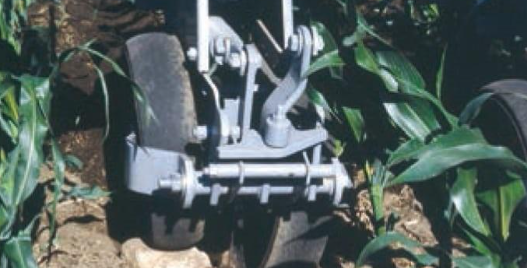
A row crop cultivator is a valuable tool. It’s basically a necessity for farmers who want to improve field conditions and manage weeds. Row crop cultivators provide needed support for stronger crop development.
When set up correctly, these machines can make a meaningful difference in yield performance across a growing season. In this article, we explain how simple adjustments to a row crop cultivator can lead to more consistent stands. We’ll also talk about how they lead to healthier plants and better harvest results.
Why Do Row Crop Cultivator Adjustments Matter?
Field conditions change every season. Soil moisture and residue levels must be considered. And weed pressure varies widely across the Midwest. Because of that, cultivators need to be adjusted to match these conditions. Small changes can help the machine work more efficiently. This can also help reduce crop stress.
Understanding Row Crop Cultivators and Their Impact on Yield
A row crop cultivator works by controlling weeds and improving soil conditions between rows. The tool helps eliminate competition. This is so crops can access nutrients, water, and sunlight more effectively. It also breaks up soil crusts and improves aeration. Both of these elements support root development.
Farmers often explore different styles of cultivator setups to achieve the best results. Adjusting depth and spacing are key factors. Also, the shank position can significantly impact how well the tool performs. These adjustments help match the machine to field conditions. This improves efficiency and protects emerging crops.
Key Row Crop Cultivator Adjustments That Improve Performance
Several adjustments influence how well a row crop cultivator performs. When made correctly, they contribute to stronger yields and healthier plants throughout the season.
- Depth Control
Proper depth ensures weeds are removed without disturbing crop roots. Setting the cultivator too deep can damage roots, while setting it too shallow may leave weeds behind. Depth adjustments should match soil moisture, compaction, and crop size.
- Shank Positioning
Shanks should be positioned to remove weeds close to the row without harming the plants. This adjustment improves weed control while minimizing crop disturbance. Operators often fine-tune shank angles based on soil texture and residue.
- Shield Alignment
Shields help protect young plants by guiding soil away from the row. Correct alignment prevents soil from covering seedlings while still allowing consistent weed control.
- Speed Adjustments
Ground speed affects accuracy and soil throw. Many operations experiment with speed settings or consult high speed cultivator dealers for models designed to maintain precision at faster rates.
- Row Spacing Adjustments
Matching the cultivator to the exact row width improves accuracy and reduces plant damage. Farmers often rely on cultivator dealers to help set up equipment for their specific row spacing.
When these adjustments are made correctly, the row crop cultivator performs more efficiently and supports stronger yield outcomes.
Benefits of Proper Row Crop Cultivator Adjustments
When farmers adjust their equipment thoughtfully, they often see improvements in field uniformity and crop health. Key benefits include:
- Improved weed control. Better adjustments remove weeds while protecting crops.
- Enhanced soil aeration. Adjustments that loosen soil gently support root expansion.
- Reduced crop stress. Accurate settings help avoid plant damage during cultivation.
- Better moisture movement. Cultivation encourages water infiltration and reduces crusting.
- More consistent yields. Healthier growing conditions lead to stronger overall performance.
These benefits apply to all styles of row cultivation, including organic cultivators that rely on mechanical weed control rather than chemical inputs.
.
 .
.
Real-World Applications Across Row Crop Farming
Row crop cultivators are used across many types of Midwestern farms. Corn and soybean growers use them early in the season to control weeds and encourage vigorous plant growth. Specialty crop producers rely on tools that allow more precise adjustments based on crop type and soil texture.
Many growers partner with cultivator dealers to find equipment that fits their soil and weed conditions. Others look for expert advice on shank placement, shield settings, or speed adjustments to ensure better field performance. These dealers help tailor setups for different field goals and farming styles.
Why Choose Hiniker for Cultivation Equipment?
Hiniker has been building dependable agricultural equipment since 1970. We focus on designing cultivation tools that support accuracy, strength, and long-term durability. Farmers trust our equipment because it performs well under tough field conditions and offers reliable adjustment features.
Our customers often share that our tools help them achieve more consistent weed control and improved crop performance. We take pride in designing equipment that supports growers throughout the entire season.
Growers choose Hiniker because we offer:
- More than 50 years of agricultural manufacturing experience
- Durable frames and components built for long-term field use
- Easy-to-adjust cultivation tools designed for precision
- Dealer support and resources for setup and maintenance
- A strong reputation for farmer-focused equipment design
FAQs About Row Crop Cultivators
How often should a row crop cultivator be adjusted?
Adjustments should be checked before each pass. Soil conditions and crop stage influence the ideal settings.
Do row crop cultivator adjustments change with crop size?
Yes. As plants grow, shield height, depth, and shank spacing may need to be modified to protect the crop.
Can cultivation still improve yield in modern high-acre operations?
Yes. Mechanical weed control and soil improvement continue to play a major role in protecting yield potential.
Conclusion
A row crop cultivator can significantly influence yield performance when set up correctly. Adjusting depth, shields, shanks, and spacing helps farmers manage weeds, improve soil conditions, and protect emerging crops. These adjustments support strong plant growth and healthier fields throughout the season.
Every successful farming operation relies on hard work, the right people, and the proper equipment – that’s where Hiniker comes in. When you need the latest equipment to make your farm operations as efficient as possible, our team is ready to assist.
Hiniker is proud to be one of the most reliable sources when it comes to farm equipment manufacturing. Since 1970, we have been building durable and productive equipment to help our friends in the agriculture community.

We carry the latest equipment, whether it’s row cultivators, cover crop seeders, rate controllers, shredders, windrowers, or a forage chopper. Let Hiniker assist you with all your farming equipment needs.
Find your Hiniker Dealer today to find out more about our amazing agricultural equipment.
You can also follow us on Facebook for the latest news and updates.