How to Tell if Your Forage Harvester is Producing Quality Silage

Silage quality depends on more than the crop we put into the bunker. It starts in the field with the performance of our forage harvester. If the machine isn’t set right, problems could quickly follow. You may end up with feed that spoils faster. It may pack poorly. Or it may deliver less nutrition.

Knowing what to look for helps us keep silage consistent and high-quality year after year.


Why Silage Quality Matters

Silage is the backbone of many livestock operations. If it’s packed with nutrients and stored correctly, it provides reliable feed all year. But poor silage has real costs. These include lower weight gain and reduced milk production. There may also be wasted forage.

Checking the performance of your forage harvester is critical. The way it cuts, processes, and delivers forage determines the end result.


Proper Chop Length

The chop length is one of the easiest signs to check. If our forage chopper is cutting too long, the silage won’t pack tightly. That leaves air pockets that lead to spoilage. What if it’s too short? Animals may sort through feed and fiber. Also, the intake can suffer.

You want to look for a uniform cut that balances two things. These two items are packing density and effective fiber length. This helps silage ferment properly. It also delivers the right nutrition to livestock.


Consistent Processing

Even chop length isn’t enough on its own. Consistency matters across every load. If we see uneven pieces or long stems mixed with finely chopped material, the harvester isn’t working at peak efficiency.

Your forage harvester should deliver uniform output across the entire field. This makes fermentation predictable. It also reduces waste during feedout.


Kernel Processing

Corn silage requires extra attention. If kernels aren’t processed correctly, animals can’t digest them fully. That means lost energy. It also means lower feed efficiency.

A good forage chopper cracks kernels and breaks them down so they pass nutrient value to livestock. If we see whole kernels in the pile, adjustments or repairs are needed.

..

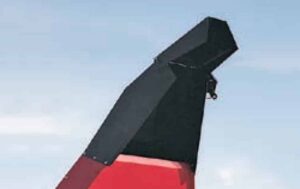
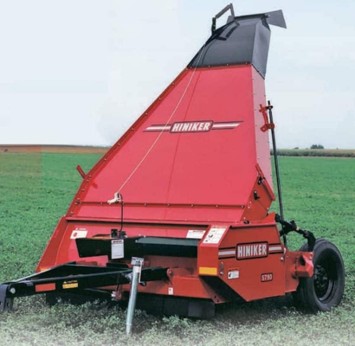
Forage Harvester

..

Moisture and Timing

The harvester plays a role in managing moisture content. You can’t cut it when it’s too wet. If you do, silage seeps and loses nutrients. You also can’t cut when it’s too dry. That will result in improper packing.

A well-calibrated forage harvester helps us capture the crop at the right stage. That’s where experience and equipment settings come together to protect feed value.


Maintenance Matters

Silage quality depends on sharp knives. It also requires properly adjusted rollers. It also needs a reliable feed system. Dull knives and worn rollers result in a cut that suffers. That’s why we suggest inspecting and servicing the machine. We recommend this before every season.

Trusted partners like flail forage harvester manufacturers and flail forage harvester dealers give us the parts and expertise we need. Keeping equipment tuned means better results in the field and in the feed bunk.


Efficiency in the Field

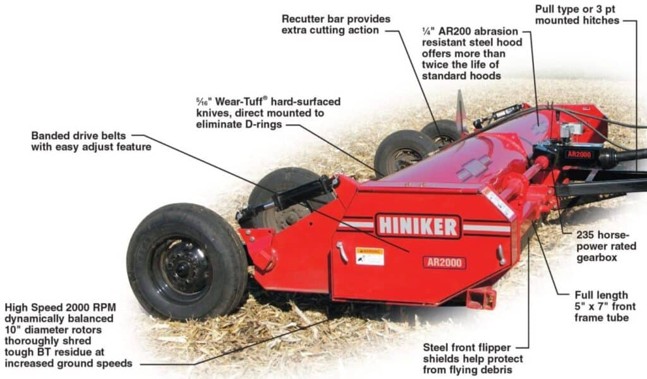
A high-quality flail forage harvester doesn’t just cut well. It also runs efficiently. Smooth feeding reduces downtime and keeps silage uniform. If the machine struggles or clogs often, it’s a sign something isn’t set right.

Efficiency means less wasted fuel. It also means more acres covered. The result is silage that stays consistent from start to finish.


Storage and Feedout Benefits

The way silage packs in the bunker or bag ties back to how it was harvested. Uniform chop size. Proper kernel processing. Balanced moisture. These things all come from how well your forage harvester performs.

Good silage ferments evenly, resists spoilage, and provides better nutrition. That leads to healthier livestock. It also means stronger returns on every acre harvested.


Working with Trusted Partners

Having reliable equipment is only part of the equation. You also need support from knowledgeable dealers who understand the demands of silage harvest. Whether it’s parts, service, or setup advice, strong dealer support makes the difference.

That’s why farmers across the country rely on Hiniker’s dealer network. We back our equipment with expertise that helps farmers maximize efficiency.


When It Comes to Premium Farm Equipment, Hiniker Has You Covered

Your forage harvester is at the heart of silage quality. By watching for the right chop length, kernel processing, and consistency, you protect feed value and profitability.

When it comes to premium farm equipment, Hiniker has you covered. Contact us today and let us help you get the right equipment for your specific needs.


.

Forage Harvester

.

Every successful farming operation relies on hard work, the right people, and the proper equipment – that’s where Hiniker comes in. When you need the latest equipment to make your farm operations as efficient as possible, our team is ready to assist.

Hiniker is proud to be one of the most reliable sources when it comes to farm equipment manufacturing. Since 1970, we have been building durable and productive equipment to help our friends in the agriculture community.

We carry the latest equipment, whether it’s cultivators, cover crop seeders, rate controllers, shredders, windrowers, or a forage chopper. Let Hiniker assist you with all your farming equipment needs.

Find your Hiniker Dealer today to find out more about our amazing agricultural equipment.

You can also follow us on Facebook for the latest news and updates.
507-625-6621

What is the Role of Anhydrous Ammonia Rate Controllers?

Fertilizer application is one of the most critical jobs on the farm. If nitrogen isn’t applied accurately, crops suffer, and so do yields. That’s why anhydrous ammonia rate controllers have become essential tools for modern operations.

They give us control. They provide precision. And they give farmers peace of mind in every acre they cover.


Why Precision Matters

So let’s talk about nitrogen applications. The difference between too much and too little can be very costly. Overapplication wastes money and risks environmental damage. Underapplication leaves plants underfed. It also results in reduced yields. Clearly this is not something that farmers want.

Anhydrous ammonia rate controllers ensure the right application. And it is delivered consistently. They adjust in real time to keep rates steady. No matter what the conditions. This accuracy protects both the crop and the soil.


Rate Controllers and How They Work

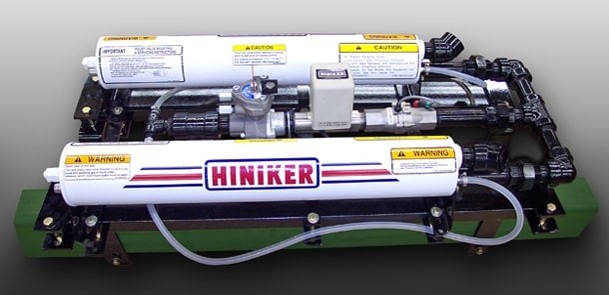
The concept is simple. But the results are powerful. A rate controller monitors application flow. It also adjusts valves to maintain the target rate. This happens automatically as factors change. These factors include ground speed and soil conditions. The valves could also adjust to field slope changes.

So what would we do without a controller?  We would likely have to rely on manual adjustments. That leads to uneven application and wasted resources. Make sure that the proper controllers are in place. Then every pass will be accurate from start to finish.


Reducing Downtime and Errors

Time is money in the field. We all know this. It’s costly to constantly stop and check rates. Or to fix other issues. Hiccups along the way mean that productivity will suffer.

With anhydrous ammonia rate controllers, we cut down on those interruptions. They not only keep the flow steady but also alert us when something is wrong.

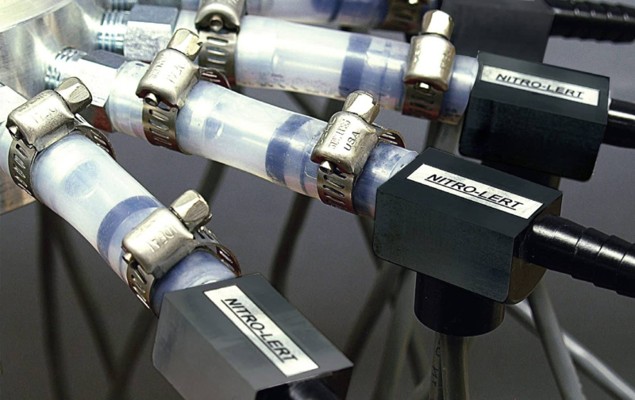
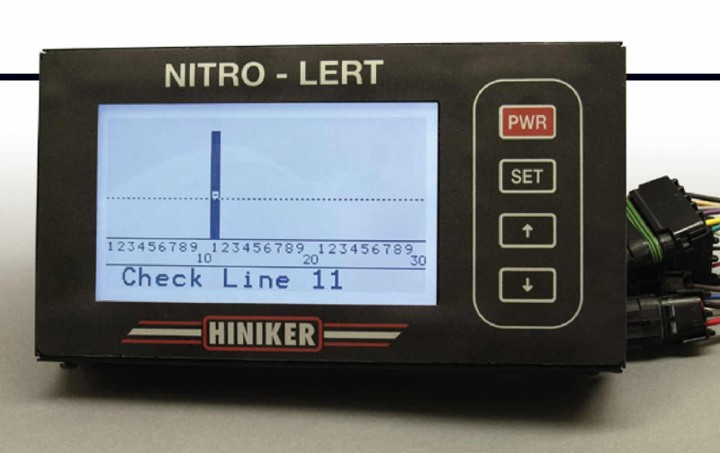
Paired with tools like anhydrous ammonia knife monitors, we can spot blocked or underperforming outlets immediately. That means fewer missed acres. It also means fewer surprises at harvest.

.

Anhydrous Ammonia Rate Controllers

.

Saving Inputs, Protecting Profit

Fertilizer is a major input cost. And wasting fertilizer isn’t an option.

Farmers use anhydrous ammonia rate controllers to maximize efficiency. Each pound of nitrogen goes exactly where it should. The savings add up, not just in fertilizer but also in fuel and labor.

Efficiency also helps extend equipment life. A balanced system runs smoother. Balance also results in less wear on components.


Supporting Soil Health

Sustainable farming is crucial for farmers. It’s more than crop yield. It’s about protecting the land for future generations.

Rate controllers reduce the risk of nitrogen leaching into water supplies. They also prevent overconcentration in certain areas. An overconcentrated application can harm soil structure. It’s wise to pair a rate controller with tools like an anhydrous flow monitor or NH3 flow monitor. They create a system designed for both productivity and responsibility.

This approach helps farmers stay efficient. All without sacrificing long-term soil health.


Integrating with Modern Technology

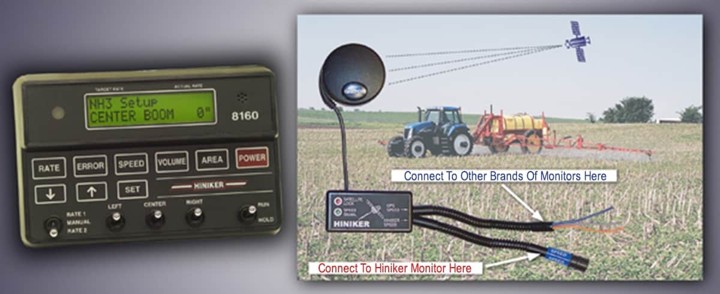
Farming today is driven by data and automation. NH3 ammonia rate controllers fit seamlessly into this model. They work alongside GPS guidance, precision mapping, and automatic rate controllers for a complete solution.

This doesn’t add complexity. Rate controllers simplify the process. Farmers will know the rates are correct. And they won’t have to constantly check on the application process. That reliability frees farmers to focus on other parts of the operation.


Why Partnering with Experts Matters

Not all controllers are built the same. Working with a trusted provider like Hiniker ensures compatibility, durability, and support.

As with other equipment, dealer support is key. When questions arise or parts are needed, reliable service keeps you moving.

Whether it’s automatic rate controllers or complete systems, expert guidance helps you get the most from every acre.


When It Comes to Premium Farm Equipment, Hiniker Has You Covered

Anhydrous ammonia rate controllers are more than tools. They’re essential systems. They save money. They also protect crops. And they improve efficiency. With the right setup, farmers can apply fertilizer with confidence. They will know that every pass is accurate.

When it comes to premium farm equipment, Hiniker has you covered. Contact us today and let us help you get the right equipment for your specific needs.


.

Forage Chopper

.

Every successful farming operation relies on hard work, the right people, and the proper equipment – that’s where Hiniker comes in. When you need the latest equipment to make your farm operations as efficient as possible, our team is ready to assist.

Hiniker is proud to be one of the most reliable sources when it comes to farm equipment manufacturing. Since 1970, we have been building durable and productive equipment to help our friends in the agriculture community.

We carry the latest equipment, whether it’s cultivators, cover crop seeders, rate controllers, shredders, windrowers, or a forage chopper. Let Hiniker assist you with all your farming equipment needs.

Find your Hiniker Dealer today to find out more about our amazing agricultural equipment.

You can also follow us on Facebook for the latest news and updates.
507-625-6621


Keeping Windrowers Protected While Being Stored for the Winter

Once harvest season wraps up, farmers often shift their focus to next year. But before you put your machines away, it’s wise to think about protection. Windrowers work hard during the season, and storing them properly makes all the difference.

Winter storage isn’t just about parking equipment in a shed. It’s about preventing rust, damage, and wear so the machine is ready when spring arrives.


Clean Before You Store

The first step is always cleaning. You need to remove dust and crop residue. Also look for excess soil. These items cling to every surface of windrowers. Do not ignore these materials. This results in trapped moisture and leads to corrosion.

Take time to remove debris from the frame, cutter bar, and moving parts. A clean surface prevents hidden damage and makes it easier to spot areas that may need attention later.


Inspect for Wear and Damage

Before you put equipment away, it’s smart to give it a close inspection. Look over the cutterbar, belts, and chains for wear. If blades are dull or bent, we replace or repair them now instead of waiting until spring.

We also check for frame stress or cracked welds. Fixing small issues now prevents big surprises later. Your local windrower dealer (Hiniker) is a good resource for replacement parts or a full inspection.


Lubricate Moving Components

Grease protects against both friction and moisture. When you lubricate bearings, joints, and pivots, you keep them from seizing up during the cold months.

Even if the machine sits idle, metal-on-metal contact can still cause problems. Fresh lubrication before storage ensures smoother operation when you pull the machine back out.


Protect Against Moisture

Moisture is the biggest enemy of equipment. Especially during winter. If possible, store windrowers indoors. So what if a shed isn’t available? Here’s Plan B. Cover your equipment with breathable tarps. This prevents snow and ice accumulation.

Avoid plastic covers that trap condensation. Use materials that protect and allow air circulation. This prevents rust and reduces the risk of electrical issues.

.

Windrowers

.

Store in a Safe Position

Parking the machine correctly matters. Lower it onto blocks or stands to relieve pressure on the tires and hydraulic system. This prevents flat spots on tires. It also keeps stress off critical components.

Machines like stalk cutters and stalk choppers benefit from the same approach. Proper positioning extends the life of all farm equipment.


Take Care of Fuel and Fluids

For machines with engines, stabilize the fuel and check fluid levels before storage. Draining or topping off tanks reduces the risk of contamination or corrosion.

Even if our windrowers are PTO-driven, hydraulic fluid and gear oil should be checked. Clean fluids help protect seals and internal components from wear.


Work With Trusted Support

Your local windrower dealer (Hiniker) is more than a place to buy machines. We provide service, maintenance, and parts to make storage easier. If you need advice on protecting equipment, we’re the ones to call.

Reliable flail mower manufacturers and dealers for other equipment play the same role. The right support system helps you protect every investment on the farm.


Be Ready for Spring

When equipment is stored properly, spring startups are fast and stress-free. Don’t waste time fixing preventable issues. Instead, get back in the field when the weather allows. Take the time to treat your windrowers now. You save time. You save money. And you will likely avoid future frustration.


When It Comes to Premium Farm Equipment, Hiniker Has You Covered

Winter is tough on farm equipment, but proper storage makes it easier. From cleaning to lubrication, each step helps extend the life of our windrowers. When it comes to premium farm equipment, Hiniker has you covered.

Contact us today and let us help you get the right equipment for your specific needs.


.
Windrowers

.

Every successful farming operation relies on hard work, the right people, and the proper equipment – that’s where Hiniker comes in. If you need the latest equipment to make your farm operations as efficient as possible, our team is ready to assist.

Hiniker is proud to be one of the most reliable sources when it comes to farm equipment manufacturing. Since 1970, we have been building durable and productive equipment to help our friends in the agriculture community.

We carry the latest equipment, whether it’s cultivators, cover crop seeders, rate controllers, shredders, windrowers, or flail mowers. Let Hiniker assist you with all your farming equipment needs.

Find your Hiniker Dealer today to find out more about our amazing agricultural equipment.

You can also follow us on Facebook for the latest news and updates.
507-625-6621

How to Avoid Damaging Your Row Crop Cultivator

A row crop cultivator is very valuable. In fact, it’s one of the most important tools on the farm. It manages weeds.  It maintains soil health. And it helps crops grow stronger. But like any piece of equipment, it’s only as good as the way we use and maintain it. If we push it too hard or skip basic care, damage can happen fast.

With the right approach, we can keep our cultivators working at their best for years.


Know the Limits of the Machine

Every machine has limits. A row crop cultivator is designed to handle tough soil. It can also withstand heavy residue. But it isn’t indestructible. Running too deep puts unnecessary strain on shanks. This can also harm the sweeps. Hitting rocks or hidden debris can also be harmful. This can bend components and throw rows out of alignment.

You can protect the machine by adjusting depth and speed to match field conditions. This reduces wear and prevents costly damage.


Keep Blades and Shanks Sharp

Blunt blades make the machine work harder. They don’t cut cleanly. They drag through the soil. This increases strain on the toolbar. It can also damage the mounting hardware.

Regular sharpening or replacement of shanks and sweeps keeps performance high. Sharp tools also leave a better soil finish. This improves moisture control and weed suppression.

As trusted row cultivator manufacturers, we’ve seen firsthand how much difference sharp parts make.


Watch for Frame Stress

The frame carries the entire cultivator load. Cracks near welds or bends in the toolbar are early warning signs. If we ignore them, they get worse quickly.

We recommend a quick inspection before heading into the field. This can save you from a major breakdown later. Fixing small issues early is always better than the alternative. And what’s the alternative you ask? Usually it’s a major component replacement.
.

Row Crop Cultivator

.

Pay Attention to Alignment

A row crop cultivator needs to stay perfectly aligned. If one shank is off, it damages plants instead of protecting them. Misalignment also makes depth inconsistent across rows.

Checking alignment before each pass ensures accuracy. Even small adjustments can prevent uneven soil engagement and crop damage.


Lubrication Protects Moving Parts

Joints, pivots, and bearings are under constant stress. Without lubrication, they wear down fast. Make sure to grease these points regularly. This reduces friction and extends their life. Skipping lubrication is one of the fastest ways to shorten the lifespan of a cultivator.


Avoid Overloading the Machine

It’s tempting to cover more acres faster by pushing the equipment harder. But overloading a row crop cultivator creates stress on the frame, toolbar, and drive system. That leads to breakdowns during the busiest time of year.

The best results come from steady, controlled operation. Speed and power should match field conditions, not push beyond them.


Searching for Row Cultivator Dealers

Having a knowledgeable row crop cultivator dealer makes a big difference. Dealers like Hiniker provide parts, service, and setup guidance to keep equipment running smoothly. When issues come up, their support helps you get back in the field faster.

The same applies to trusted row cultivator manufacturers who design durable, efficient machines. Choosing quality equipment reduces the risk of premature damage.


Consider Long-Term Value

A cultivator isn’t just for one season. It’s an investment in long-term soil health. For operations focused on sustainable farming, organic cultivators also provide the flexibility to manage weeds without relying on chemicals. By taking care of the machine now, you can extend its life and improve returns in the seasons ahead.


Preventative Care Saves Time and Money

The best way to avoid damaging our row cultivators is simple: consistent care. Inspections before and after the season, sharpening blades, greasing moving parts, and checking alignment all prevent bigger issues later.

These steps may seem small, but they save you from downtime and expensive repairs.


When It Comes to Premium Farm Equipment, Hiniker Has You Covered

Fields demand a lot from your farm equipment. Keeping a row crop cultivator in top condition is the key to efficiency, better weed control, and healthier crops. When it comes to premium farm equipment, Hiniker has you covered.


Contact us today and let us help you get the right equipment for your specific needs.


-.

Forage Chopper.

Every successful farming operation relies on hard work, the right people, and the proper equipment – that’s where Hiniker comes in. When you need the latest equipment to make your farm operations as efficient as possible, our team is ready to assist.

Hiniker is proud to be one of the most reliable sources when it comes to farm equipment manufacturing. Since 1970, we have been building durable and productive equipment to help our friends in the agriculture community.

We carry the latest equipment, whether it’s cultivators, cover crop seeders, rate controllers, shredders, windrowers, or a forage chopper. Let Hiniker assist you with all your farming equipment needs.

Find your Hiniker Dealer today to find out more about our amazing agricultural equipment.

You can also follow us on Facebook for the latest news and updates.
507-625-6621

Why do You Need an NH3 Flow Monitor on the Farm?

Fertilizer efficiency can make or break a growing season. When nitrogen isn’t applied correctly, crops don’t perform the way they should. That’s where an NH3 flow monitor becomes essential.

It gives you the ability to apply anhydrous ammonia with precision. That means healthier plants. It also means stronger yields. And it also results in less waste.


The Importance of Accuracy

Applying nitrogen isn’t just about getting enough products into the ground. It’s about applying the right amount in the right place. An NH3 flow monitor tracks the rate of application in real time.

Without it, you may be underapplying in one section of the field. You might also be overapplying in another. That leads to lost yield potential and wasted input costs. With monitoring in place, you can be confident that every acre gets what it needs.


Spotting Issues Before They Grow

Sometimes, problems aren’t obvious until it’s too late. A blockage in a line or a worn component can throw off the whole system.

That’s why pairing an NH3 flow monitor with an NH3 line monitor matters. Together, they alert you when something isn’t flowing as it should. Instead of guessing, you will know exactly where the problem is and how to address it.

Catching issues early saves time in the field and prevents costly mistakes.


Efficiency That Pays Off

Anhydrous ammonia is one of the most efficient sources of nitrogen. But it still comes with costs. We know that you want to stretch every pound as far as possible.

With an NH3 flow monitor, application rates stay steady. That improves crop uptake and reduces nitrogen loss. Over time, the savings in fuel, labor, and fertilizer add up. This is a tool that pays for itself. And how does it do that? Through better efficiency.

 .


.

Protecting Soil and Environment

Sustainability. It’s more than just a buzzword. It’s about protecting our land. All while staying productive.

By using an NH3 flow monitor, you reduce the risk of overapplication. That means less nitrogen leaching into groundwater. It also means fewer emissions into the air.

Tools like NH3 ammonia knife monitors also help. They confirm delivery right where it’s needed. Together, they make sure the fertilizer stays in the soil and benefits the crop.


Technology That Works for Us

Modern farming relies on quality tools. These tools must save time and labor. Automatic rate controllers paired with monitors creates a complete system. This system means you won’t have to second-guess your applications.

Working with an experienced automatic rate controller manufacturer ensures compatibility across equipment.
The result is a setup that’s reliable, accurate, and built to last.

These systems do not add complexity. They simplify the job.


Extending Equipment Life

Equipment needs to run at the proper flow and pressure. That provides greater longevity. Overloaded lines or uneven distribution wear parts out faster.

An NH3 flow monitor helps us maintain balance. That means fewer breakdowns and more time in the field.

Longer life for components saves money and keeps operations running smoothly.


Why Farmers Trust This Technology

Across the country, growers see the difference. Better yield results. Lower costs. Fewer headaches. These are the positives that come from precise application. It’s not about adding another gadget to the machine. It’s about making sure every pass across the field counts.

The monitor acts as insurance that we’re doing the job right.


When It Comes to Premium Farm Equipment, Hiniker Has You Covered

An NH3 flow monitor is more than a tool. It’s a way to protect input costs. It’s a way to improve yields. And it’s a way to support soil health. It helps everyone farm smarter and more sustainably.

When it comes to premium farm equipment, Hiniker has you covered. Contact us today and let us help you get the right equipment for your specific needs.


.

Forage Chopper

.

Every successful farming operation relies on hard work, the right people, and the proper equipment – that’s where Hiniker comes in. If you need the latest equipment to make your farm operations as efficient as possible, our team is ready to assist.

Hiniker is proud to be one of the most reliable sources when it comes to farm equipment manufacturing. Since 1970, we have been building durable and productive equipment to help our friends in the agriculture community.

We carry the latest equipment, whether it’s cultivators, cover crop seeders, NH3 ammonia rate controllers, shredders, windrowers, or a forage chopper. Let Hiniker assist you with all your farming equipment needs.

Find your Hiniker Dealer today to find out more about our amazing agricultural equipment.

You can also follow us on Facebook for the latest news and updates.
507-625-6621

Flail Mowers: How to Make Them Last for the Long-Haul

On the farm, our equipment takes a beating. That’s why we look for machines built tough enough to last season after season. Flail mowers are no exception. They handle dense vegetation, uneven terrain, and heavy residue, but they need proper care to stay reliable.

The good news is that with the right upkeep, these machines will deliver strong performance for years.


Why Flail Mowers Matter

Unlike other mowers, flail mowers use a rotating drum with attached knives or blades. This design makes them versatile. They can shred grass. They chop cornstalks. They also manage cover crop residue.

That versatility also means they’re exposed to wear and tear. When we keep them in good condition, they provide clean cuts, reduce downtime, and protect soil health.


Inspecting Blades and Drum

Blades do most of the work. It’s important to make sure they’re not dull or bent. If so, cutting performance drops. Uneven cuts are often the first sign of blade problems.

Check the blades regularly for sharpness. Also look for damage. Replacing or sharpening them on time prevents added stress on the machine. The drum should also spin freely, without vibration or wobble.

Neglecting these parts can be harmful. This often leads to higher fuel use. Not to mention rougher field finishes.


Keeping Bearings and Belts in Shape

Bearings and belts are small components that carry big loads. If they fail, the whole machine stops. We grease bearings consistently and check for heat or grinding noises.

Belts should be tight but not overstretched. Cracks mean it’s time for replacement. As does fraying.  When belts slip, cutting power drops. This causes the mower to work harder than it should.

These small checks extend the life of the machine. They also help keep costs down.


Adjusting for Field Conditions

Not all fields are identical. Some have wet soil. Others have rocky terrain. And some have heavy residue. Each type of field requires unique adjustments. So take time to set the cutting height and blade spacing based on conditions.

Running the mower too low can cause scalping. It can also damage the blades. Running it too high leaves uneven residue. By adjusting properly, you can reduce stress and improve the finish.

.

Flail Mowers

.

Cleaning After Each Use

Residue buildup can be damaging. Far more than many people realize. Soil and plant material collect under the hood and on the drum. Moisture accumulates as well. If left as is, this accelerates rust and adds weight that strains components.

A simple washdown after use prevents these problems. It also gives you a chance to inspect for hidden damage.


The Role of Strong Manufacturing

Durability starts with design. As experienced flail mower manufacturers, we know quality materials and strong frames make the difference. Heavy-duty welds, balanced drums, and reinforced knives all add years to a mower’s life.

That’s why it pays to invest in equipment designed for demanding farm work rather than lighter-duty models.


Managing Residue Beyond Grass

Flail mowers aren’t just for pasture grass. They’re effective in breaking down stalks and residue left after harvest. For example, a stover chopper or stover shredder has a similar role in preparing fields.

By managing residue properly, we improve soil health, reduce pests, and prepare for the next crop. A well-maintained mower ensures this job gets done right.


Long-Term Efficiency

Efficiency isn’t just about speed. It’s about getting consistent results without burning extra fuel or wearing out parts. We want our flail mowers to run smoothly. So they cut evenly and use less power. This often results in fewer required repairs.

That reliability saves us money season after season. It also means less stress during busy harvest windows.


Connecting With Dealers and Support

Even the strongest machines need occasional service. Working with trusted flail mower manufacturers and dealers gives us confidence. We know parts are available, and we have experts to call when issues arise.

The same applies to related equipment like windrowers, where proper setup and service extend equipment life. Dealer support is often overlooked. But it is one of the most important parts of long-term equipment success.


When It Comes to Premium Farm Equipment, Hiniker Has You Covered

Getting the most out of flail mowers isn’t complicated. It comes down to regular inspections, timely maintenance, and support from trusted manufacturers. These steps keep machines efficient, reliable, and ready for the long haul.

When it comes to premium farm equipment, Hiniker has you covered. Contact us today and let us help you get the right equipment for your specific needs.


.

Forage Chopper

.

Every successful farming operation relies on hard work, the right people, and the proper equipment – that’s where Hiniker comes in. When you need the latest equipment to make your farm operations as efficient as possible, our team is ready to assist.

Hiniker is proud to be one of the most reliable sources when it comes to farm equipment manufacturing. Since 1970, we have been building durable and productive equipment to help our friends in the agriculture community.

We carry the latest equipment, whether it’s cultivators, cover crop seeders, rate controllers, shredders, windrowers, or stalk cutters. Let Hiniker assist you with all your farming equipment needs.

Find your Hiniker Dealer today to find out more about our amazing agricultural equipment.

You can also follow us on Facebook for the latest news and updates.
507-625-6621


How to Tell if Your Forage Chopper is Producing High-Quality Silage

.

Forage Chopper

.

Silage is the foundation of strong livestock performance. It needs to have certain qualities to help your animals thrive. Silage should be packed with nutrients. It must be consistent in texture. And it needs to be free from waste. But producing high-quality silage depends on more than just timing. It also relies on forage chopper performance. This makes all the difference.

If the machine isn’t tuned right, feed quality suffers. Here’s how we can tell when the silage coming out of the field meets the mark.


Uniform Chop Length

Chop length. It’s an easy indicator of a well-maintained piece of equipment. A good forage chopper delivers particles that are consistent in size. Uniformity matters because cattle digest feed more effectively when the cut is precise.

So what if the particles are too long? Animals will sort through the ration. What if they’re too short? Rumen function can be affected. Balanced particle size leads to better feed intake and digestibility. Silage should look even and be well-cut. Then you know the chopper is doing its job.


Clean Cuts, Not Ragged Ends

Sharp knives make a huge difference. When blades dull, stalks tear instead of slicing clean. This creates ragged edges. It also means the stalks will likely break down poorly during fermentation.

We watch for clean-cut fibers in the pile. That tells us the cutterhead is sharp. This also means the cutterhead is properly adjusted. If we see fraying, it’s time for maintenance before feed quality declines.


Consistent Material Flow

Another sign of a strong-performing forage harvester is steady material flow. When feed rolls and blower systems are aligned, material moves smoothly through the machine. That results in even silage. Not to mention minimal plugging.

You might notice uneven piles. Possibly excessive leaf loss. Both of these indicate that the flow system isn’t optimized. Look for a smooth stream out of the spout. This means efficiency inside the machine.


Proper Packing and Moisture

Even the best-chopped material doesn’t always ferment properly. It must be at the right moisture level.  You want a forage chopper that handles crops efficiently. This will help preserve moisture balance. When silage packs tight with little air, fermentation improves. This also results in minimized nutrient loss.

Let’s say there is loose or dry silage. This often indicates that the chop wasn’t optimized for crop conditions. Look for density and a clean fermentation profile as signs of high-quality silage.

.

Forage Chopper

.

Reduced Fuel Use and Stress

A machine that runs efficiently uses power wisely. When our forage chopper is well-maintained, it processes crops without straining the engine. That efficiency doesn’t just save fuel. It helps keep the cut consistent.

If fuel use spikes or the machine labors too hard, it’s often a sign of dull knives, poor calibration, or worn parts. Watching operating costs helps us spot issues before they impact silage.


The Value of Reliable Manufacturing

Machine design plays a major role. As trusted flail forage harvester manufacturers, we know what quality construction looks like. We also know it supports efficiency in the field. Strong frames, durable knives, and balanced rotors all contribute to consistent chop quality.

Working with experienced flail forage harvester dealers gives us more than just a purchase. It gives us the service and parts support needed to keep efficiency high season after season.


Why Maintenance Equals Better Feed

No matter how strong the design, a machine only performs as well as we maintain it. A flail forage harvester that’s regularly serviced delivers cleaner cuts and better silage. Routine knife sharpening, inspection of feed rolls, and blower alignment all play a role.

Skipping these steps leads to uneven forage and lower feed value. Staying ahead of wear is one of the simplest ways to protect silage quality.


Field Results Tell the Story

We don’t need complicated testing to know when silage quality is high. Uniform texture, balanced moisture, and strong fermentation are clear signs. When cattle consume rations without sorting, that’s proof the forage is consistent.

A well-performing forage harvester doesn’t just make the harvest easier. It improves the feed value of every ton we chop.


When It Comes to Premium Farm Equipment, Hiniker Has You Covered

Silage quality is one of the most important measures of success on the farm. With a reliable forage chopper, we know the feed we produce is nutritious, consistent, and efficient to harvest.

When it comes to premium farm equipment, Hiniker has you covered. Contact us today and let us help you get the right equipment for your specific needs.


.

Forage Chopper.

Every successful farming operation relies on hard work, the right people, and the proper equipment – that’s where Hiniker comes in. If you need the latest equipment to make your farm operations as efficient as possible, our team is ready to assist.

Hiniker is proud to be one of the most reliable sources when it comes to farm equipment manufacturing. Since 1970, we have been building durable and productive equipment to help our friends in the agriculture community.

We carry the latest equipment, whether it’s cultivators, cover crop seeders, rate controllers, shredders, windrowers, or a forage chopper. Let Hiniker assist you with all your farming equipment needs.

Find your Hiniker Dealer today to find out more about our amazing agricultural equipment.

You can also follow us on Facebook for the latest news and updates.
507-625-6621

Indications That Your Windrower May Need Maintenance

.

Windrowers

.

Timing matters. Especially on the farm. When windrowers aren’t working at peak performance, you risk losing valuable hours during harvest. Like any piece of equipment, these machines show signs when they need attention. Recognizing them early helps us avoid costly downtime.


Uneven or Ragged Windrows

One of the first signs of trouble is in the rows themselves. Are the windrows uneven? Are they ragged? If so, it points to dull or damaged knives. The rollers could also be an issue. They probably aren’t set correctly.

Clean, uniform windrows are essential for baling or chopping. When the output looks inconsistent, it’s time to inspect the cutting components and make adjustments.


Noises and Vibration

Do you notice unusual sounds? If so, action should be taken. Grinding, rattling, or loud vibration signals that bearings, belts, or drive components may be wearing out. Don’t ignore these sounds. They usually mean a minor issue that could turn into a larger breakdown in the future. Routine checks are always helpful. You can catch worn parts before they cause downtime.


Reduced Cutting Speed

If your machine starts slowing down? Is it having noticeable struggles with thicker material? If so, it may be losing efficiency. A common cause of these issues is worn blades. Also be aware of slipping belts. Lastly, check to see if there are hydraulic issues. All of these factors can reduce performance.

We know what a strong windrower looks like. It should cut smoothly through heavy crops. When it doesn’t, we know it’s time for maintenance.


Hydraulic Issues

Our windrowers rely on hydraulic systems for folding, lifting, and other functions. Slow responses or visible leaks are clear signs of problems. Hydraulic hoses and fittings wear over time. They also need regular checks. Addressing hydraulic issues quickly keeps us from facing complete system failure in the field.


Belts, Chains, and Drive Components

Belts and chains are critical to success. They take heavy stress every season. If we see cracking, fraying, or stretching, we know replacement is close. Tension that’s too loose shortens component life. The same applies if the tension is too loose.

Drive systems are vital. In fact, they are the backbone of performance.  When they show wear, the whole machine suffers.

.

Windrowers

.

Working With a Trusted Support Team

Good equipment matters. We all know that. But good support is just as important. Working with a reliable windrower dealer ensures you have access to parts and service. Not to mention valuable advice. A trusted partner helps us address problems before they affect productivity.

At Hiniker, our experienced flail mower manufacturers understand how quality affects reliability. Strong construction is a must. Reinforced blades are also essential. And durable frames keep equipment working longer.


Preventative Maintenance Pays Off

We know from experience that small maintenance steps save big money. Greasing bearings, tightening bolts, and checking alignment extend the life of our machines. This also applies to related equipment like flail mowers and flail shredders. Upkeep is equally important for these items.

Skipping maintenance may save a few minutes today. We don’t recommend it. You may experience hours of downtime tomorrow if issues are ignored.


Why Capacity and Strength Matter

Heavy use is the norm. Especially on larger farms. That’s why durable designs, like high capacity flail shredders and advanced windrowers, are so valuable. They’re built to handle demanding conditions. They also have fewer breakdowns.

When our operation grows, investing in stronger machines reduces long-term maintenance demands.


Staying Ahead of the Season

The best time to address problems isn’t during harvest. It’s before the season begins. We schedule preseason inspections and post-season cleanups. This routine helps us enter every season ready, not scrambling for emergency fixes.

By paying attention to early warning signs, we keep our windrowers reliable year after year.


When It Comes to Premium Farm Equipment, Hiniker Has You Covered

Windrowers are vital to smooth harvest operations. Knowing the signs of wear and taking action early keeps them efficient and dependable. When it comes to premium farm equipment, Hiniker has you covered.


Contact us today and let us help you get the right equipment for your specific needs.


.

WIndrower

.

Every successful farming operation relies on hard work, the right people, and the proper equipment – that’s where Hiniker comes in. When you need the latest equipment to make your farm operations as efficient as possible, our team is ready to assist.

Hiniker is proud to be one of the most reliable sources when it comes to farm equipment manufacturing. Since 1970, we have been building durable and productive equipment to help our friends in the agriculture community.

We carry the latest equipment, whether it’s cultivators, cover crop seeders, rate controllers, shredders, windrowers, or a forage chopper. Let Hiniker assist you with all your farming equipment needs.

Find your Hiniker Dealer today to find out more about our amazing agricultural equipment.

You can also follow us on Facebook for the latest news and updates.
507-625-6621

Getting the Most Out of Your Cultivator on the Farm

.

Cultivator

.

Every piece of equipment you own is an investment. And you want to get the most out of each investment. When it comes to a cultivator, maximizing its potential is more than turning soil. It’s about efficiency. It’s also about crop performance. And lastly, it’s all about the long-term health of your fields.

With the right approach, a cultivator can save time, improve weed control, and keep our soil in better condition.


Understanding the Role of a Cultivator

A cultivator is designed to break up soil, control weeds, and prepare the ground for planting. It does more than loosen dirt. It sets the stage for strong germination. Also for healthier roots.

Different types of machines serve different purposes. First, there’s row crop cultivators. These are ideal for managing weeds between crop rows. Next, there’s organic cultivators. These help maintain productivity. And they do not rely on chemicals. And for large-scale planting, a row crop cultivator provides precision and efficiency across acres.

Knowing what our equipment is meant to do helps us use it more effectively.


Matching Equipment to Field Conditions

Not every field is the same. Heavy clay requires different settings than sandy soil. Moisture levels also affect performance.

At Hiniker, we are experienced cultivator manufacturers. We know how important it is to match the setup to the field. Running too shallow won’t break the crust. Running too deep wastes fuel. This can also damage root systems.

Taking time to adjust depth and spacing ensures consistent results across the entire field.


Regular Maintenance Extends Life

A cultivator works hard. No matter the season. If we ignore wear points, performance drops quickly.

Shanks, sweeps, and bearings all need regular inspection. When blades go dull or parts loosen, efficiency suffers. Simple maintenance keeps the machine reliable. Particularly during critical planting windows.

Even durable models from trusted cultivator dealers perform best when we give them the care they need.


Weed Control That Works

Weeds compete with crops for nutrients, water, and light. A well-adjusted cultivator gives farmers an edge. By cutting weeds early, you reduce pressure without relying entirely on herbicides.

This is especially valuable in organic or reduced-chemical systems. Here, mechanical weed control by organic cultivators is a reliable tool.

The key is consistency. Regular passes keep weeds in check. This also keeps crops strong.

.

No-Till Cultivators

.

Efficiency in Large Operations

For large farms, efficiency is everything. Farmers rely on equipment that can handle massive jobs. And they need machinery that won’t slow operations down.

That’s why cultivator manufacturers focus on designing stronger frames, wider toolbars, and precise adjustments.
These features save you time in the field and reduce the number of passes you need to make.

Fewer passes mean lower fuel use and less wear on the machine.


Getting Support From Dealers

The right equipment is important. So is the support that comes with it. Working with knowledgeable cultivator dealers gives you more than just a purchase. It gives you access to parts. Cultivator dealers also provide valuable advice and service.

Dealers help you choose the right cultivator. They help you set it up correctly. They also help you keep it running smoothly. Having that support means fewer problems during busy seasons.


Preparing for Long-Term Success

Farming is about planning ahead. The decisions you make now affect the next season. And the one after that. And the one after that. And so on.

It’s essential to use a cultivator properly. This is so you’re not just managing weeds today. You’re improving soil structure, reducing compaction, and creating a healthier seedbed for future crops.

All of this provides long-term impact. It is one of the biggest reasons cultivators remain essential in modern farming.


Why Hiniker Cultivators Stand Out

We’ve built our equipment to handle real-world conditions. Our designs focus on strength, precision, and ease of use.
We know farmers need machines that adjust quickly and stay reliable during long hours.

From row cultivators to specialized options, we provide tools that fit a wide range of farming practices. Our goal is to make sure every acre counts.


When It Comes to Premium Farm Equipment, Hiniker Has You Covered

Getting the most out of a cultivator comes down to choosing the right machine, keeping it maintained, and using it effectively in the field. The payoff is better soil, stronger crops, and greater efficiency.


When it comes to premium farm equipment, Hiniker has you covered. Contact us today and let us help you get the right equipment for your specific needs.


.

Cultivator

.

Every successful farming operation relies on hard work, the right people, and the proper equipment – that’s where Hiniker comes in. If you need the latest equipment to make your farm operations as efficient as possible, our team is ready to assist.

Hiniker is proud to be one of the most reliable sources when it comes to farm equipment manufacturing. Since 1970, we have been building durable and productive equipment to help our friends in the agriculture community.

We carry the latest equipment, whether it’s cultivators, cover crop seeders, rate controllers, shredders, windrowers, or a forage chopper. Let Hiniker assist you with all your farming equipment needs.

Find your Hiniker Dealer today to find out more about our amazing agricultural equipment.

You can also follow us on Facebook for the latest news and updates.
507-625-6621

Why is a Forage Chopper a Good Investment for Farmers?

.

Forage Chopper

.

Every season, we make choices that shape the future of our farms. Some of those choices are about seed, some about soil, and some about equipment. Investing in a forage chopper is one decision that pays off in many ways.

It’s not just about harvesting. It’s about improving feed quality, saving time, and building long-term efficiency.


Improving Feed Quality

Livestock performance starts with what they eat. When we use a forage chopper, we cut material into consistent particle sizes. That uniformity matters.

Cows digest feed more efficiently when the chop length is consistent. Better digestibility means healthier animals and higher milk or meat production. Uneven or ragged cuts lead to sorting at the bunk and wasted feed.

A well-maintained forage harvester ensures that every load delivers balanced nutrition. That consistency turns into real results at the herd level.


Saving Time During Harvest

Harvest windows are always short. Weather and crop maturity don’t give us much flexibility. That’s why efficiency matters.

A strong forage chopper handles large volumes quickly. We can cover more acres in less time without sacrificing quality. This speed gives us confidence to get forage harvested at peak nutrition.

With modern designs, downtime is minimized. Simple adjustments and strong components mean fewer interruptions.


Managing Residue for Better Soil

After harvest, residue can either be a problem or an opportunity. A flail forage harvester breaks down material so it decomposes faster. That adds organic matter back into the soil and improves fertility over time.

Instead of leaving heavy residue to cause issues in the next planting season, we use equipment that prepares the field for what’s ahead. It’s one more way that forage chopping supports sustainable farming practices.

.

Forage Chopper

.

Built for Long-Term Value

Equipment is an investment, and we expect it to last. When we work with experienced flail forage harvester manufacturers, we know the machine is built for strength and reliability.

There are multiple things that contribute to a long lifespan. This includes reinforced blades and durable drivetrains. Not to mention other factors.

This isn’t a tool for one season. It’s far more than that. It’s a piece of equipment designed to deliver value year after year.


Support from Trusted Dealers

No matter how strong the machine, support matters. Working with knowledgeable flail forage harvester dealers ensures you get the most out of your investment. We can help with setting up. We offer maintenance advice. We also have quick access to replacement parts.

Having reliable dealer support means less downtime. It also means more productivity when it counts.


Reducing Fuel and Labor Costs

Efficiency isn’t just about time. It’s also about how much fuel and labor we use to get the job done. A well-designed forage chopper reduces the number of passes needed in the field. That saves fuel, reduces wear on equipment, and cuts down on operator fatigue. When margins are tight, those savings add up quickly.


Versatility Across Operations

Different farms have different needs. But forage chopping fits almost all of them. No matter if you’re working with corn silage. Or even small grains. A forage chopper delivers consistent results.

Flexibility makes a chopper even more valuable. Instead of buying separate equipment for different crops, one tool can handle it all.


Why Efficiency Equals Profitability

In farming, efficiency often translates directly into profitability. The faster we harvest, the more nutrients we preserve in forage. More consistent chops equal better feed quality. The less fuel and labor we use, the higher our margins.

A reliable forage harvester supports all of these goals. It doesn’t just cut crops. It strengthens the overall operation.


When It Comes to Premium Farm Equipment, Hiniker Has You Covered

At Hiniker, we understand that investing in the right tools is critical. A forage chopper delivers feed quality. It also provides efficiency and long-term value.  A forage chopper is an investment that supports both livestock performance and farm profitability.


When it comes to premium farm equipment, Hiniker has you covered. Contact us today and let us help you get the right equipment for your specific needs.


.

Forage Chopper

.

Every successful farming operation relies on hard work, the right people, and the proper equipment – that’s where Hiniker comes in. When you need the latest equipment to make your farm operations as efficient as possible, our team is ready to assist.

Hiniker is proud to be one of the most reliable sources when it comes to farm equipment manufacturing. Since 1970, we have been building durable and productive equipment to help our friends in the agriculture community.

We carry the latest equipment, whether it’s cultivators, cover crop seeders, rate controllers, shredders, windrowers, or a forage chopper. Let Hiniker assist you with all your farm equipment needs.

Find your Hiniker Dealer today to find out more about our amazing agricultural equipment.

You can also follow us on Facebook for the latest news and updates.
507-625-6621