


.
.
Harvest wraps up, trucks pull out, and the field looks finished. It’s not.
Corn stalks stand stiff across the rows. Soybean stems lie tangled on the surface. In heavy-yield years, residue can feel overwhelming. That material protects soil, but unmanaged buildup creates its own problems heading into spring.
This is where modern flail shredders earn their place. Post-harvest residue management isn’t about making fields look clean. It’s about breaking material down so the next crop starts evenly.
How flail shredders break down heavy residue
A lot of growers assume any mower or chopper can handle stalks. That’s not always true. Corn residue is tough and fibrous. Simply knocking it down doesn’t speed decomposition much.
Flail shredders use rotating flails to cut and size residue into smaller, more manageable pieces. Instead of leaving long stalk sections, they create consistent fragments that settle closer to the soil surface.
Smaller pieces decompose faster. They distribute more evenly. They’re less likely to interfere with planting equipment later. That uniform sizing makes a noticeable difference by the time spring arrives.
The difference between shredding and chopping
Growers sometimes use the terms interchangeably, but there’s a practical distinction.
A stalk chopper typically focuses on cutting standing residue down to ground level. It reduces height quickly. A stalk shredder works the material more aggressively, cutting and re-cutting to reduce length further.
Flail shredders combine both actions in one pass. The rotating flails strike residue multiple times, producing a more consistent finish across the field. That consistency matters when you’re managing heavy corn-on-corn residue.
Why uneven residue causes spring problems
Thick piles of stalks delay soil warmup. They shade the surface and trap moisture. Planter openers can struggle to cut through concentrated material, which leads to inconsistent seed depth.
Residue that isn’t sized evenly often ends up windblown or bunched. That creates cold strips across the field.
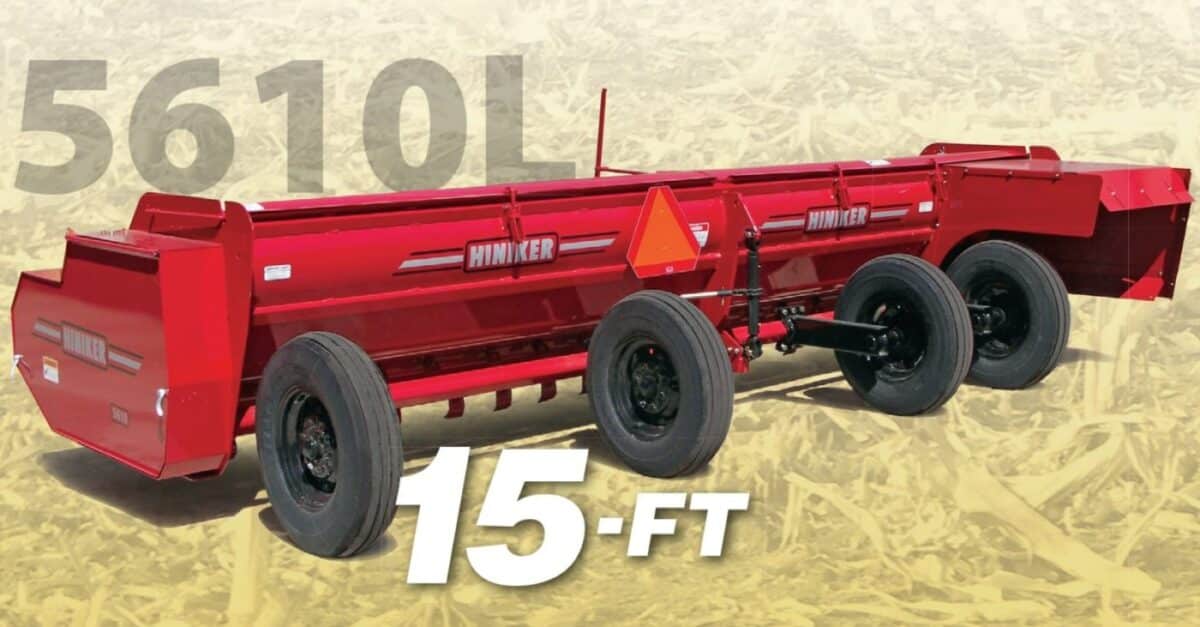
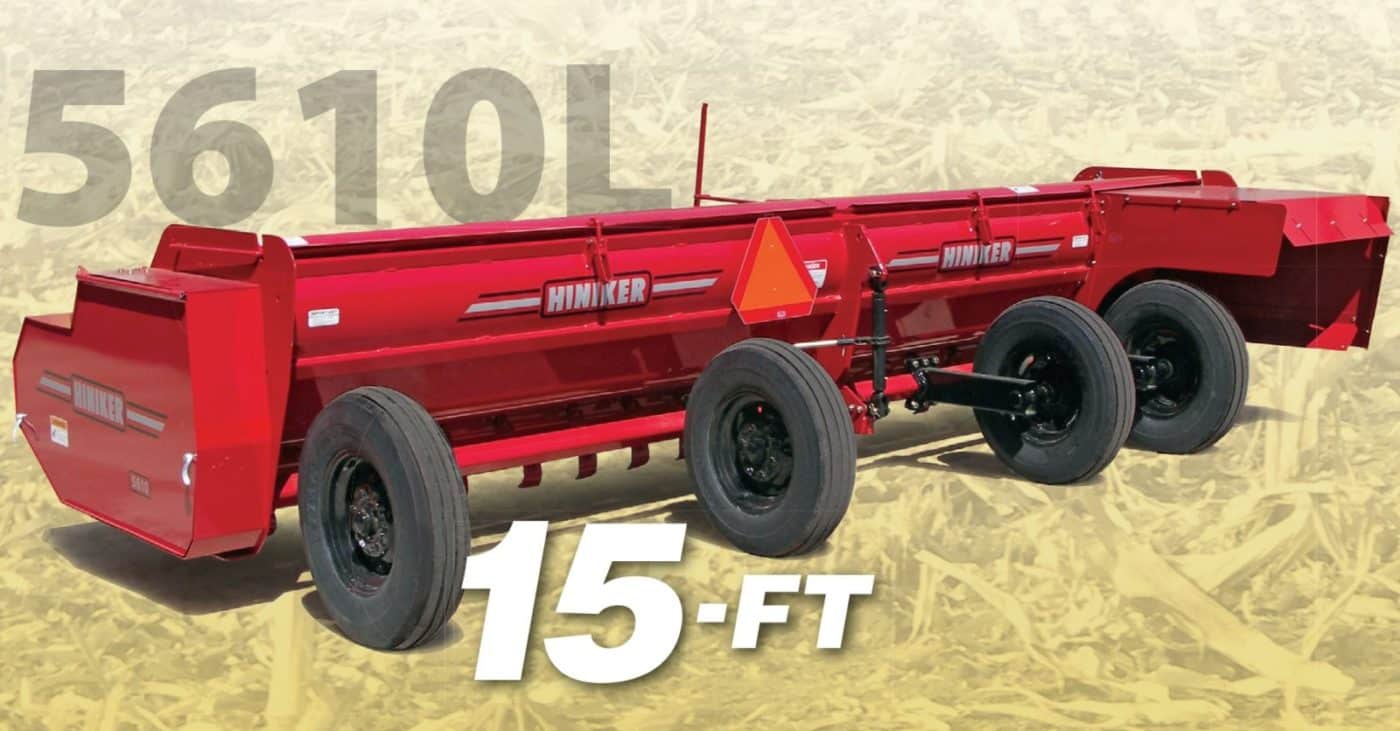
Many operations pair shredding with integrated systems such as shredders & windrowers to manage both breakdown and placement. Proper distribution keeps rows clear without stripping protection from the rest of the field. Balanced residue helps planters run smoother and crops emerge more evenly.
.
.
When windrowing makes sense
There are times when moving residue instead of just sizing it provides value. In high-yield corn fields, concentrating material between rows can improve spring conditions in the seed zone.
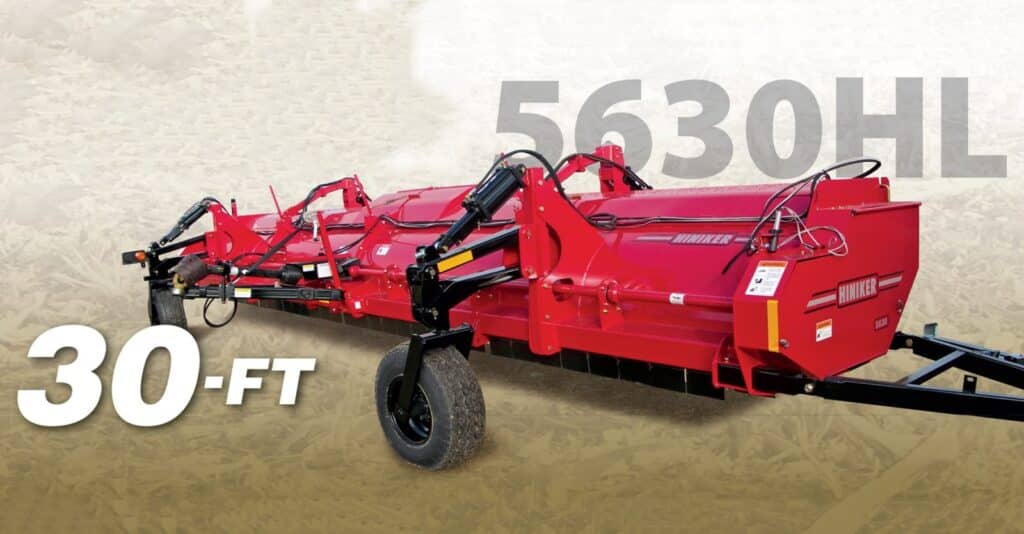
That’s where windrowers come in. A system like a windrowing stalk shredder can size and direct residue in a single pass.
This approach leaves cleaner strips where seeds will go while maintaining surface cover between rows. It’s not about removing residue. It’s about positioning it.
Soil protection without sacrificing control
Residue protects against erosion and moisture loss. That benefit shouldn’t disappear after harvest.
Modern flail shredders allow growers to manage stalk volume without inverting soil or performing full-width tillage. You maintain surface cover while improving breakdown.
That’s especially valuable in conservation systems where soil disturbance must stay minimal. Light residue sizing reduces matting and compaction while keeping protection in place.
Pest and disease considerations
Large, intact stalk sections can harbor pests and pathogens. Sizing residue speeds microbial breakdown and reduces overwintering habitat.
Consistent shredding after harvest disrupts that cycle. It won’t eliminate every risk, but it reduces carryover pressure in many situations.
Fields that receive timely shredding often show more uniform early growth compared to fields where residue remained untouched and uneven.
Timing matters
Running flail shredders soon after harvest takes advantage of dry field conditions and open access. Waiting until late winter or early spring limits flexibility.
Dry residue cuts cleaner. Equipment runs more consistently. Operators can cover acres efficiently before weather shifts.
Planning residue management as part of harvest logistics, rather than as an afterthought, usually produces better results.
Long-term field consistency
Residue management isn’t about aesthetics. It’s about predictability.
When stalks are sized and distributed consistently year after year, planting becomes more uniform. Emergence becomes steadier. Equipment adjustments become smaller.
A properly managed field rarely feels extreme in spring. It warms steadily. It drains evenly. It responds predictably. That’s the quiet benefit of incorporating flail shredders into post-harvest operations.
FAQs
Do flail shredders replace tillage?
No. They manage surface residue without turning soil over. Many growers use them in conservation systems where soil structure needs to remain intact.
Is shredding necessary every season?
Fields with heavy corn residue benefit most. Lower-residue soybean fields may not require the same level of sizing every year.
Will shredding increase erosion risk?
When residue remains on the surface and is evenly distributed, soil protection stays in place while breakdown improves.
Tired of Fighting Your Farm Equipment? Let’s Make It Easier.
.
.
Reach out to us online at Hiniker to fill out a form or call us at 507-625-6621
We are here to assist you with all your farm equipment needs. We carry the latest equipment, whether it’s cultivators, cover crop seeders, rate controllers, shredders, windrowers, or a forage chopper.
Find your Hiniker Dealer today to find out more about our amazing agricultural equipment.
You can also follow us on Facebook for the latest news and updates.