



.
 .
.
Corn and soybeans don’t forgive sloppy weed control. Early competition steals moisture, nutrients, and sunlight fast. You might not notice the loss until harvest, but it’s already baked into the yield.
That’s why choosing the right equipment matters. Not just any toolbar will do. The setup, spacing, shielding, and residue handling all need to match the crop.
If you’re comparing modern row cultivators, the decision comes down to crop type, field conditions, and how you plan to integrate mechanical weed control into your system.
How row cultivators handle corn differently than soybeans
Corn typically gives you a little more margin for soil movement. The stalk is sturdier early, and the growing point stays protected below the surface in initial stages. That means row cultivators can be set slightly more aggressive when needed.
Soybeans are less forgiving. Early plants are smaller and easier to bury. Setup needs to be tighter. Shields become more important. Travel speed often drops slightly to prevent soil throw.
That difference alone is why you shouldn’t assume one configuration fits both crops without adjustment.
Frame strength and row spacing matter
Corn is often planted in consistent 30-inch rows, but spacing can vary. Soybeans may be drilled, narrow-row, or wide-row depending on your system. Equipment must match that layout.
This is where experience from established cultivator manufacturers shows up. Frame rigidity keeps row units stable over uneven ground. Parallel linkage helps maintain consistent depth. That stability reduces crop damage.
Working with knowledgeable cultivator dealers also makes a difference. Proper spacing adjustments and row alignment can save an entire stand from avoidable mistakes. Precision isn’t optional. It protects yield.
Crop-specific setups: corn cultivator vs soybean cultivator
A properly adjusted corn cultivator can tolerate slightly deeper sweeps in early passes. The goal is full weed cut-off without disturbing the root system.
A soybean cultivator requires tighter depth control and careful shielding. Soybeans don’t respond well to soil piling against small stems.
In both cases, timing is everything. Small weeds are easier to uproot. Waiting until weeds are visible from the road usually means you’re pushing the limits of safe operation. Matching the machine to the crop stage matters just as much as matching it to the crop type.
.
.
High residue fields change your choice
If you’re running conservation systems, residue handling becomes a deciding factor. Older machines struggled to move through heavy stalk material. Modern builds are different.
Equipment developed by experienced high speed cultivator manufacturers addresses that challenge with improved clearance and stronger row units. Higher operating speeds don’t mean sacrificing control when the machine is built correctly. This matters in corn-on-corn rotations where residue levels stay high year after year.
Speed vs accuracy
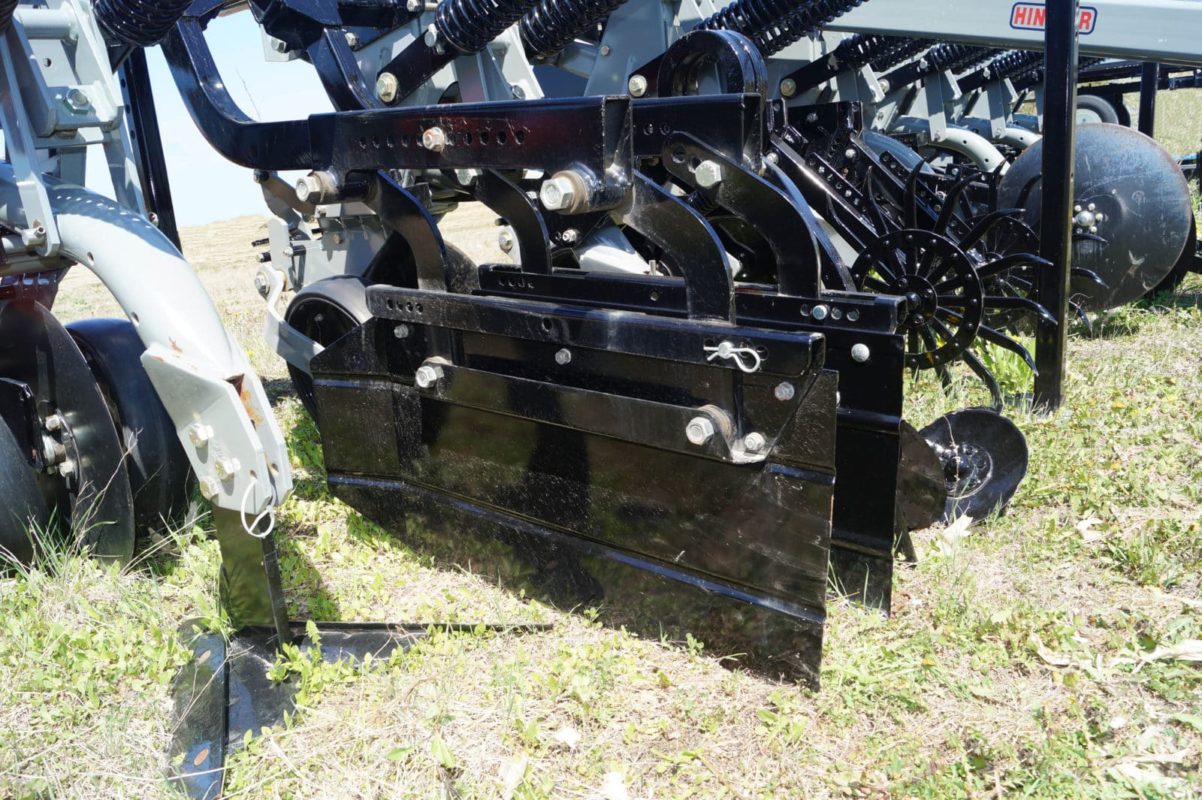
Covering acres quickly is important. Burying crops isn’t. The best row cultivators balance travel speed with row stability. Guidance systems help, but mechanical design still carries most of the responsibility.
Look for consistent depth control, adjustable shields, and row units that float independently. Those features protect crop roots and maintain uniform weed removal.
Running too fast with the wrong setup causes more damage than benefit. Proper adjustment allows efficient passes without sacrificing safety.
Soil conditions influence your decision
Soil texture affects how aggressively you can cultivate. Sandy soils move easily. Heavy clay requires sharper tools and careful moisture timing.
Moisture matters too. Wet soil smears and compacts. Extremely dry soil may not cut cleanly. A well-configured cultivator gives you flexibility across those conditions.
Many growers plan cultivation windows just like spray windows. They watch soil moisture and crop stage closely before entering the field.
When row cultivators make the most sense
If herbicide resistance is creeping in, mechanical control becomes more valuable. If you’re trying to reduce chemical passes, cultivation provides leverage.
The farms seeing consistent results treat row cultivators as part of a long-term system. They budget time for early passes. They adjust equipment carefully. They monitor stands after each run.
It’s not about reacting when weeds get out of hand. It’s about staying ahead of them. Corn and soybeans both respond well when competition is removed early. The right setup makes that removal controlled instead of risky.
FAQs
Can one machine handle both corn and soybeans?
Yes, but adjustments are required. Shielding, depth, and sweep selection should change based on crop type and growth stage.
Is cultivation still practical on large acre farms?
Modern equipment and guidance systems allow efficient coverage without sacrificing accuracy.
How many passes are typical?
Most growers plan one early pass. A second pass depends on weed pressure and seasonal conditions.
Tired of Fighting Your Farm Equipment? Let’s Make It Easier.
.

.
Reach out to us online at Hiniker to fill out a form or call us at 507-625-6621
We are here to assist you with all your farm equipment needs. We carry the latest equipment, whether it’s cultivators, cover crop seeders, rate controllers, shredders, windrowers, or a forage chopper.
Find your Hiniker Dealer today to find out more about our amazing agricultural equipment.
You can also follow us on Facebook for the latest news and updates.