



.
Chemical programs are under more pressure than ever. Input costs continue to rise. Resistant weeds show up in fields that used to stay clean. And more growers are questioning how much product they really need to apply year after year.
Reducing chemical use doesn’t mean abandoning control. It means adding tools that give you options. One of the most practical tools making a steady return is the row crop cultivator. This isn’t about going backward. It’s about balancing the system.
How a Row Crop Cultivator fits into a lower-chemical program
A modern row crop cultivator targets weeds between rows with precision. Instead of spraying an entire field again, you physically remove weeds that break through. That shift alone can eliminate late-season rescue applications.
Early cultivation passes cut small weeds at the root. If timed right, one pass can reduce pressure enough to protect yield without stacking additional herbicide layers.
The key is timing and setup. Small weeds are easier to control mechanically. Waiting too long makes the job harder and increases crop risk.
Layering mechanical control with chemistry
Most farms reducing chemical use are not eliminating sprays entirely. They’re trimming excess. Pre-emerge products still provide early protection. Post applications still serve a purpose. The difference is what happens after that first flush.
Running a row crop cultivator during early vegetative stages removes weeds that survive the initial program. Instead of increasing rates or adding another product, you remove the competition physically.
Over time, that reduces selection pressure on herbicides. Resistant weeds spread slower when they’re uprooted instead of sprayed repeatedly.
Residue management makes cultivation viable again
One reason cultivation faded in some regions was heavy surface residue. Traditional machines struggled in no-till systems.
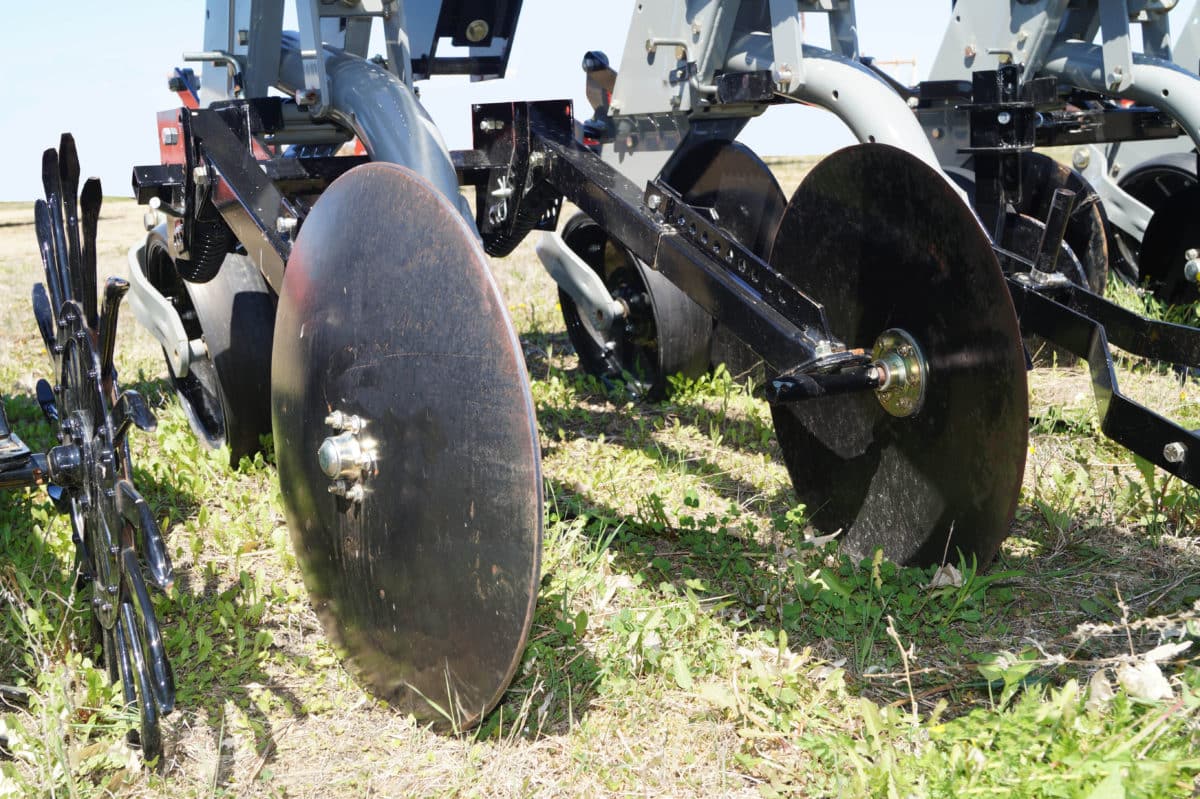
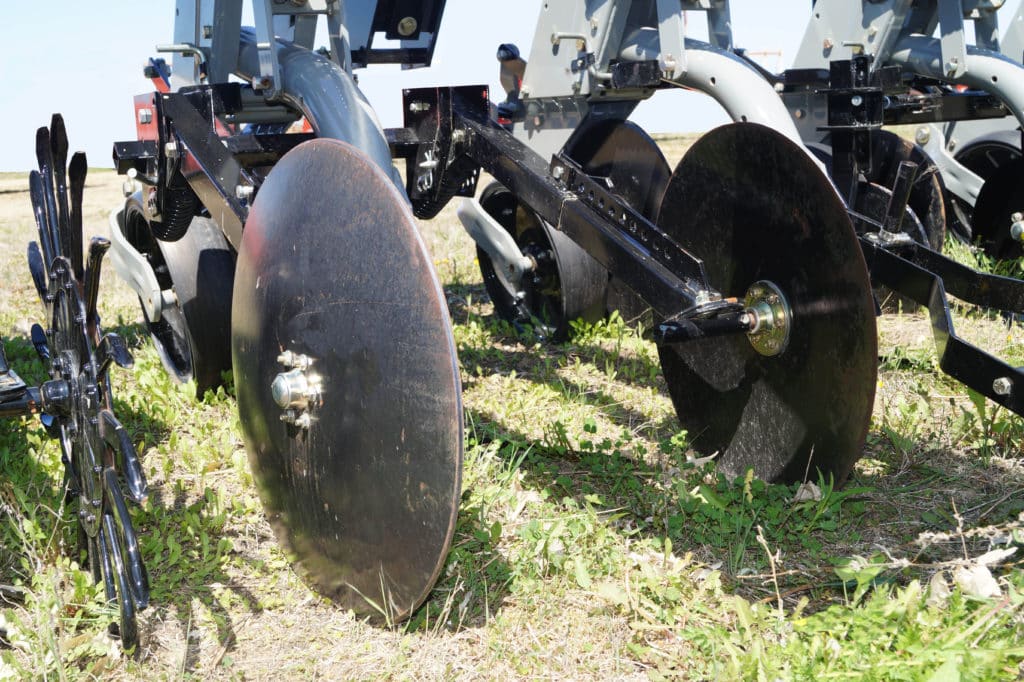
That’s no longer the case. Modern no-till cultivators are designed to move through residue without plugging. They clear narrow paths while leaving most soil structure intact.
This matters for growers committed to conservation practices. You don’t have to sacrifice soil protection to reintroduce mechanical weed control.
.
.
Speed changed the efficiency argument
Large-acre operations need tools that cover ground quickly. Older equipment made cultivation feel slow and impractical.
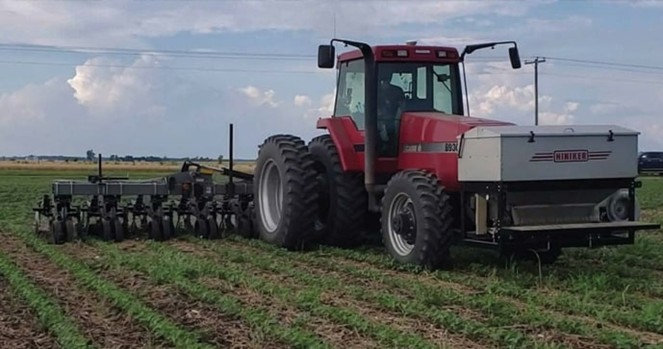
Newer high speed cultivators operate efficiently while maintaining row accuracy. Paired with guidance systems, they allow operators to maintain consistent spacing without crop damage. That speed changes the math. Mechanical passes no longer feel like a step backward in productivity.
Crop-specific adjustments matter
Different crops respond differently to soil movement. A properly adjusted corn cultivator can tolerate slightly more soil throw around the base compared to soybeans. Row spacing, plant height, and root development all influence how aggressive you can be.
This is where understanding equipment setup becomes critical. Sweeps, shields, and gauge wheels should be matched to the crop stage, not just bolted on and forgotten. When adjusted properly, a row crop cultivator removes weeds without stressing the crop.
Organic systems show what’s possible
Organic operations don’t have chemical backup plans. They rely heavily on organic cultivators to manage in-season weed pressure.
Their success proves something important: mechanical weed control can carry more weight than many conventional farms assume.
While most conventional growers won’t eliminate herbicides entirely, borrowing elements of organic weed management often leads to lower total chemical use.
Soil benefits add up over time
Reducing chemical inputs is one goal. Improving soil function is another. Shallow cultivation breaks surface crust and improves airflow in the upper layer. That can support root development and help rainfall move into the profile instead of running off.
Many growers find that blending approaches leads to healthier-looking fields overall. A row crop cultivator disturbs only the top layer, leaving deeper structure intact. Light disturbance combined with reduced chemical passes often results in a more balanced system.
Where Row Cultivators fit long term
The farms that successfully reduce chemical use tend to plan cultivation into their rotation rather than using it as a rescue tool.
Modern row cultivators are built to integrate with precision agriculture setups. That makes row alignment and depth control consistent across the field.
Reducing chemical use isn’t about one season. It’s about building a system where you’re not forced to increase rates every year just to stay even.
Mechanical control gives you leverage. It gives you another move to make when weeds adapt. And in today’s environment, having options matters.
FAQs
Can I eliminate herbicides entirely by using a Row Crop Cultivator?
Most conventional farms still rely on some chemistry. Cultivation reduces the need for additional passes but rarely replaces every application.
How many cultivation passes are typical?
Many operations run one early pass, sometimes two depending on weed pressure and weather conditions.
Will cultivation increase erosion risk?
Shallow, targeted passes disturb only the upper soil layer. Modern equipment is designed to minimize surface disruption, especially in residue-managed systems.
Tired of Fighting Your Farm Equipment? Let’s Make It Easier.
.

.
Reach out to us online at Hiniker to fill out a form or call us at 507-625-6621
We are here to assist you with all your farm equipment needs. We carry the latest equipment, whether it’s cultivators, cover crop seeders, rate controllers, shredders, windrowers, or a forage chopper.
Find your Hiniker Dealer today to find out more about our amazing agricultural equipment.
You can also follow us on Facebook for the latest news and updates.
.