



.
.
Cover crops used to be something you thought about after harvest. The combine leaves the field, residue settles, and then you decide whether there’s time left to seed. That window is getting tighter in many regions.
More growers are turning to the inter row seeder to extend that timeline. Instead of waiting until the main crop comes off, seed goes into the ground while corn or soybeans are still standing.
The idea is simple: gain extra growing days without giving up yield.
Why an inter row seeder changes the establishment window
Traditional fall seeding limits growth in shorter seasons. A late harvest can mean weak cover crop stands heading into winter.
An inter row seeder places seed between existing crop rows mid-season. The primary crop continues developing above, while the cover establishes underneath.
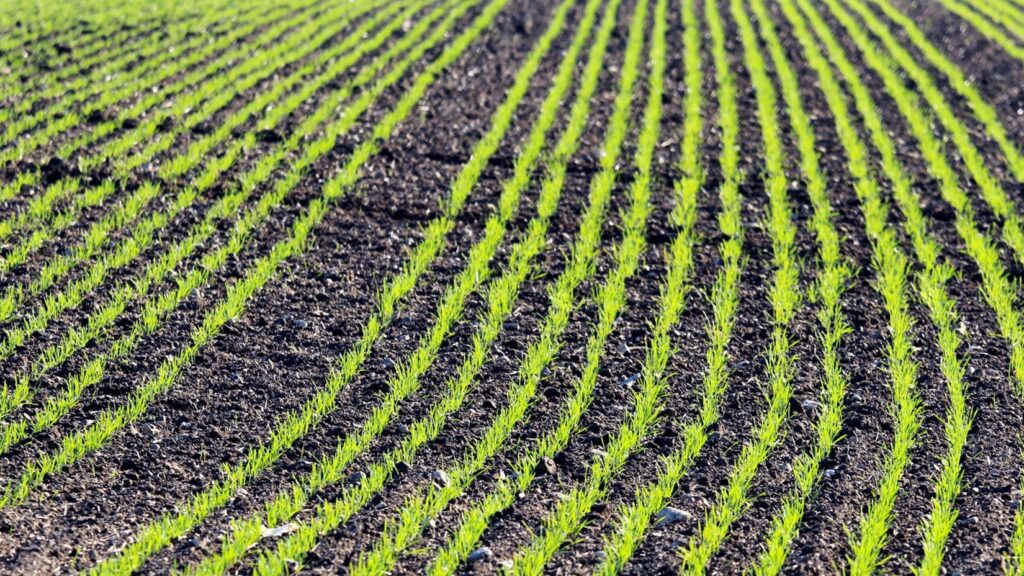
That additional time matters. Even a few extra weeks can strengthen root systems and improve winter survival. Stronger fall growth typically translates to better spring biomass.
Protecting the main crop during application
Running equipment through standing crops requires accuracy. Row spacing, tire width, and machine clearance all affect outcome.
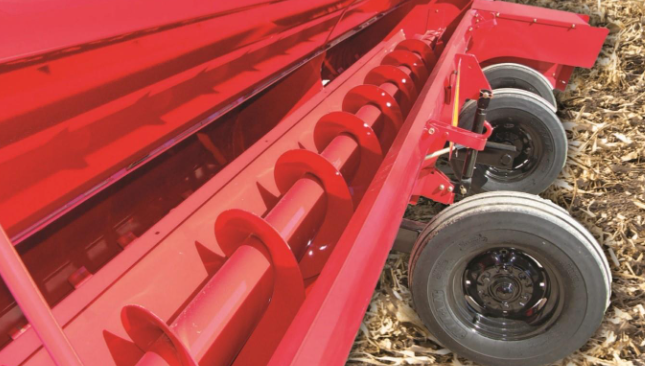
Modern cover crop seeding equipment is designed to minimize plant disturbance. High-clearance frames reduce canopy contact. Precise metering maintains consistent seeding rates across rows.
The inter row seeder allows targeted placement instead of broadcast application. That improves seed-to-soil contact and germination consistency. The goal isn’t to compete with the existing crop. It’s to establish the next layer of growth underneath it.
.
.
Species selection affects results
Not all cover crops respond the same way to mid-season seeding.
Cereal rye tolerates lower light levels and often performs well under partial canopy. Certain legumes require more exposure and may struggle if seeded too late. Brassicas respond strongly to available moisture but can be sensitive to shading.
Using a calibrated cover crop seeder ensures uniform distribution. Consistent placement helps avoid heavy competition in concentrated strips. Seeding rate should match the system. Higher rates don’t always mean better stands if moisture is limited.
Timing makes or breaks the pass
Crop stage drives success. In corn, many growers target later vegetative stages when canopy begins to open near the soil surface. Soybeans offer flexibility depending on row width.
The inter row seeder works best when enough light reaches the soil for germination but before harvest delays remove the opportunity entirely.
Weather matters too. Adequate moisture following application improves establishment. Dry surface conditions reduce emergence consistency. Watching the forecast often determines whether the pass delivers results.
How inter-row systems fit larger management plans
Many conservation-focused operations already integrate mechanical weed management tools like a row crop cultivator earlier in the season. Inter-row seeding complements that approach.
Early cultivation controls weeds. Mid-season seeding introduces living roots. Post-harvest residue remains protected. This layered approach supports soil health without relying on a single tactic.
Modern cover crop seeders are designed to fit within these integrated systems without forcing major changes to equipment flow.
Soil structure benefits build gradually
Earlier root growth increases soil biological activity. Living roots release exudates that feed microbial populations. Over time, this supports aggregation and improved infiltration.
Fields established with a inter row seeder often show reduced surface crusting and steadier water movement during spring rains. These improvements don’t appear overnight. They accumulate across seasons.
The advantage is subtle at first. After several years, it becomes more visible in planting consistency and soil stability.
Managing competition risk
One common concern is moisture competition late in the season.
Most covers seeded mid-season remain small under canopy. They accelerate growth only after the main crop matures and light increases.
A properly adjusted cover crop interseeder places seed precisely between rows, reducing direct root overlap during early establishment.
Monitoring stands helps confirm balance remains in place. When managed correctly, the system adds root mass without reducing yield potential.
Long-term payoff
The main advantage of inter-row seeding is time. More days of growth before winter improve stand strength and spring vigor.
Instead of scrambling after harvest, you enter winter with an established cover. The inter row seeder becomes part of a long-term soil-building plan rather than a last-minute decision.
Over several seasons, fields tend to show better structure, steadier infiltration, and more consistent early growth. That kind of improvement doesn’t come from a single practice. It comes from layering decisions that support the soil year after year.
FAQs
Does inter-row seeding reduce corn or soybean yield?
When timed properly and paired with suitable species, yield impact is minimal. Monitoring crop stage and moisture reduces risk.
Is special machinery required?
Yes. High-clearance equipment built for in-season application improves placement accuracy and reduces crop disturbance.
What species work best for mid-season seeding?
Cereal rye and other shade-tolerant species typically establish more reliably under partial canopy conditions.
Tired of Fighting Your Farm Equipment? Let’s Make It Easier.
.

.
Reach out to us online at Hiniker to fill out a form or call us at 507-625-6621
We are here to assist you with all your farm equipment needs. We carry the latest equipment, whether it’s cultivators, cover crop seeders, rate controllers, shredders, windrowers, or a forage chopper.
Find your Hiniker Dealer today to find out more about our amazing agricultural equipment.
You can also follow us on Facebook for the latest news and updates.