What Equipment Is Used in Farming to Plant Cover Crops Between Rows?

.

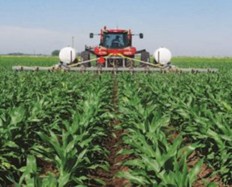
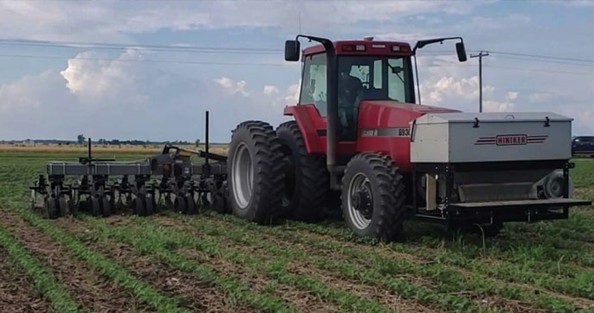
Inter Row Seeder

.

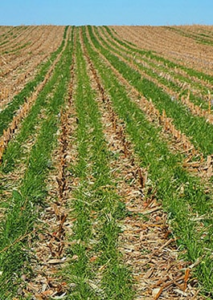
Cover crops have moved from a side practice to a core part of how many farms manage soil. They protect structure. Reduce erosion. Improve nutrient retention. But planting them introduces a new challenge.

Fields are already planted.

That reality changes everything. You cannot tear things up. You cannot disturb root zones. You cannot wait until after harvest if timing matters.

This is where specialized equipment becomes necessary. And why the inter row seeder has become such an important tool in modern farming systems.


Cover crop planting is about timing, not convenience

The value of a cover crop often depends on when it is planted. Earlier establishment means more growth. More root development. More benefit before winter.

Waiting until after harvest limits that window.

Inter row seeding equipment has planting that allows cover crops to be established while the main crop is still growing. That overlap changes how equipment must operate. Precision matters more than power.

This is not a job for general seeding tools.


Why inter row seeders exist

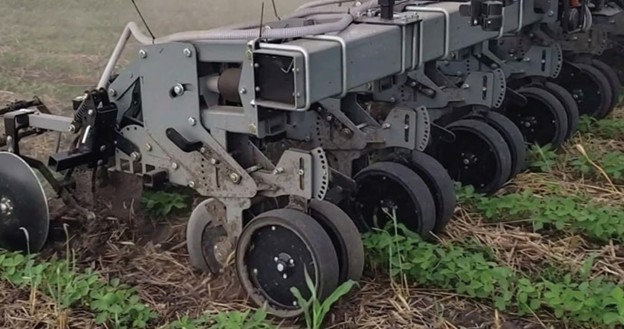
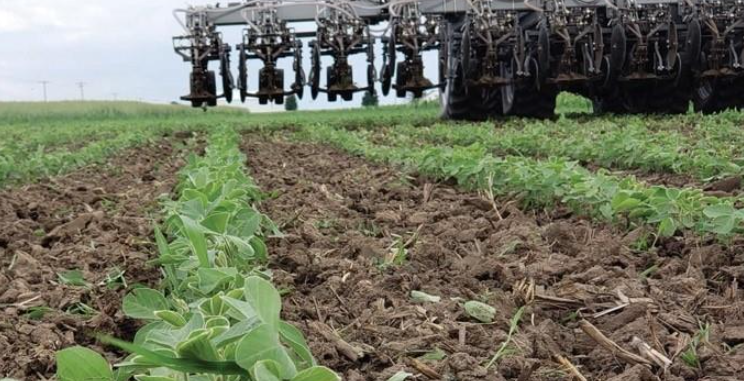
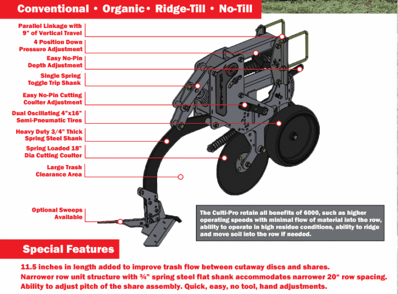
An inter row seeder places seed between existing crop rows without contacting the crop itself. That requires accurate spacing, stable tracking, and consistent depth control.

The goal is not speed. The goal is placement.

An inter row seeder allows cover crops to begin growing earlier without interfering with yield. That early start often makes the difference between a cover crop that establishes and one that struggles.

This approach works because it respects the existing crop instead of working around it later.


How cover crop seeders differ from planters

Traditional planters are designed for bare or prepared soil. They assume open ground and predictable conditions.

A cover crop seeder operates in standing crops. Residue is present. Roots are active. Space is limited.

That is why cover crop seeders are built differently. They focus on shallow placement. Minimal disturbance. Consistent spacing.

Instead of resetting the field, they add to it.


Interseeding requires a lighter touch

Interseeding is not about force. It is about timing and control.

A cover crop interseeder places seed in a narrow zone where it can establish without competing directly with the main crop. That placement reduces stress on both crops.

This method also avoids soil disruption that could introduce weeds or moisture loss.

Interseeding works because it is deliberate, not aggressive.

.

Inter Row Seeder

.

Equipment must adapt to changing conditions

Fields are not uniform. Crop height varies. Residue varies. Soil firmness changes.

Cover crop seeding equipment has to handle those variables without constant adjustment.

That is why modern cover crop seeding equipment focuses on consistent performance rather than complexity. The fewer corrections an operator has to make, the more reliable establishment becomes.

Reliability matters because inter-row seeding windows are short.


What an inter row seeder does not replace

An inter row seeder is not a primary planting tool. It does not replace a planter. It does not prepare soil.

It supplements the system.

Its role is to extend the growing season for cover crops without disrupting the main crop. Expecting it to do more than that creates frustration.

Used correctly, it fills a very specific gap.


Why earlier cover crop establishment matters

Cover crops planted earlier develop stronger root systems. They capture nutrients more effectively. They provide better soil coverage going into winter.

That earlier establishment often determines whether a cover crop delivers real benefits or just checks a box.

Inter-row seeding makes that timing possible without waiting for harvest.

That is why more farms are integrating this equipment into their systems instead of treating cover crops as an afterthought.


Precision matters more than horsepower

Cover crop seeding is not about pulling power. It is about placement accuracy.

Too deep and seeds struggle. Too shallow and establishment suffers. Too close to the row and competition increases.

An inter row seeder balances those factors. It places seed where conditions are most favorable.

That precision is what separates effective cover cropping from inconsistent results.


Where cover crop seeders fit long term

As soil health becomes a larger focus, cover crops are becoming more consistent across rotations.

That consistency requires equipment that fits into normal field operations rather than interrupting them.

Cover crop seeders allow that integration. They operate during the growing season. They respect existing crops. They support long-term planning.

That makes them part of the system, not an add-on.


Why specialized equipment matters here

Trying to force cover crop planting with general equipment usually leads to compromised results.

Uneven placement. Poor emergence. Missed windows.

Specialized cover crop equipment exists because the job requires it. It solves a problem that cannot be solved well any other way.

That practicality is why inter-row seeders are gaining traction.


FAQ

What equipment is used to plant cover crops between rows?
Inter row seeders are designed specifically for that purpose.

What is the difference between a cover crop seeder and a planter?
Cover crop seeders operate in standing crops and minimize soil disturbance.

When is interseeding used?
When earlier cover crop establishment is needed before harvest.

Does interseeding affect the main crop?
When done correctly, it does not.

Are cover crop seeders becoming more common?
Yes, as cover cropping becomes a standard soil management practice.


Tired of Fighting Your Farm Equipment? Let’s Make It Easier.

Inter Row Seeder

Reach out to us online at Hiniker to fill out a form or call us at 507-625-6621 

We are here to assist you with all your farm equipment needs. We carry the latest equipment, whether it’s cultivators, cover crop seeders, rate controllers, shredders, windrowers, or a forage chopper.

Find your Hiniker Dealer today to find out more about our amazing agricultural equipment. 

You can also follow us on Facebook for the latest news and updates. 
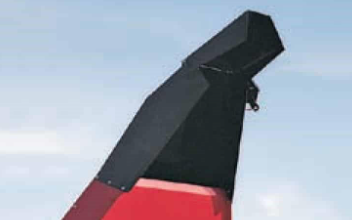
 

What Are the Different Types of Farm Machinery Used for Forage Harvesting?

Flail Forage Harvester

Forage harvesting does not get talked about as much as planting or grain harvest, but it shapes how feed performs long after the field is finished.

Timing matters. Cut quality matters. Consistency matters. When forage is handled poorly, the effects show up later in storage, feed quality, and animal performance.

That is why forage equipment is not interchangeable. Different machines handle different crops and conditions. Choosing the right one changes outcomes.

One of the more specialized tools in this category is the flail forage harvester. It fills a role that standard forage machines do not always handle well.


Forage harvesting is about consistency, not speed

Harvesting forage is not just about getting material off the field quickly. It is about cutting, conditioning, and sizing material in a way that preserves quality.

Uneven cut lengths create storage issues. Inconsistent processing affects feed intake. Overly aggressive harvesting can damage plants meant to regrow.

This is why forage harvesting equipment focuses on repeatable results instead of raw output.

Machines are chosen based on how they treat material, not just how fast they move.


Where flail forage harvesters fit

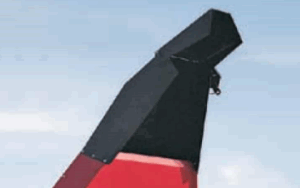
A Stover chopper uses rotating flails to cut and process forage. Instead of slicing material once, it conditions it as it moves through the machine.

This creates more uniform cut material and helps manage crops that are tougher or more fibrous.

That design makes a flail forage harvester especially useful in situations where crop condition varies across the field. Instead of relying on a single cutting action, the machine adapts as material passes through.

The result is consistency, even when field conditions are not ideal.


How flail forage harvesters differ from other systems

Traditional forage machines often rely on knives or choppers that cut material cleanly and move it quickly.

A forage harvester is efficient when crops are uniform and conditions are predictable. When they are not, performance can vary.

Flail-based systems process material more thoroughly. They reduce variability by conditioning forage rather than simply cutting it.

That difference matters in mixed stands, wetter crops, or conditions where uniformity is harder to maintain.


Flail forage harvesters versus forage choppers

Forage choppers are built for throughput. They move material fast and prepare it for storage efficiently when conditions are right.

A forage chopper works best when crop conditions are consistent and timing is precise.

Flail forage harvesters are more forgiving. They handle variability better. They condition material more evenly. They allow operators to maintain quality when ideal conditions are harder to find.

This does not make one machine better than the other. It makes them suited for different situations.

.

Flail Forage Harvester

.

Manufacturers design for specific forage needs

Not all flail forage harvesters are built the same. Design choices affect how the machine handles material, how evenly it cuts, and how it performs over time.

This is where flail forage harvester manufacturers focus their attention. Rotor design. Flail configuration. Housing strength. All of it shapes how forage is processed.

These machines are built to handle repeated use in demanding conditions. Durability matters because forage harvest windows are tight and downtime is costly.


Dealer support matters with forage equipment

Forage equipment does not operate in isolation. Setup, adjustment, and maintenance all affect performance.

That is where flail forage harvester dealers play an important role. They help match equipment to crop types and operating conditions. They also support adjustments that improve cut quality.

Proper setup often makes the difference between acceptable forage and consistent forage.


When a flail forage harvester is the right choice

Flail forage harvesters are often chosen when forage quality matters more than raw speed.

Operations that deal with variable crops. Mixed stands. Or changing moisture conditions benefit from the conditioning action these machines provide.

They are also useful where regrowth matters. Conditioning material without excessive damage helps preserve plant health for subsequent cuts.

In these situations, consistency becomes the priority.


What flail forage harvesters are not designed to do

Flail forage harvesters are not built for every forage job.

They are not meant to replace high-capacity choppers in large-scale silage operations where speed is the primary concern.

They are also not designed to handle grain harvest or heavy residue management.

Understanding where they fit prevents unrealistic expectations.


Why flail forage harvesters remain relevant

As forage systems become more diverse, equipment needs become more specific.

Flail forage harvesters address a niche that continues to exist. They provide control where conditions are inconsistent and quality cannot be compromised.

That role has not disappeared. If anything, it has become more important as forage management becomes more precise.


FAQ

What is a flail forage harvester used for?
It is used to cut and condition forage evenly, especially in variable field conditions.

How is a flail forage harvester different from a forage chopper?
It conditions material more thoroughly and handles variability better.

Are flail forage harvesters slower than choppers?
They may prioritize consistency over speed, depending on conditions.

Who should use a flail forage harvester?
Operations focused on forage quality and uniform processing.

Do flail forage harvesters require special setup?
Yes. Proper adjustment improves cut quality and performance.


Tired of Fighting Your Farm Equipment? Let’s Make It Easier.

.

.

Reach out to us online at Hiniker to fill out a form or call us at 507-625-6621 

We are here to assist you with all your farm equipment needs.  We carry the latest equipment, whether it’s cultivators, cover crop seeders, rate controllers, shredders, windrowers, or a forage chopper.

Find your Hiniker Dealer today to find out more about our amazing agricultural equipment. 

You can also follow us on Facebook for the latest news and updates. 
What Is the Main Tool Used by a Farmer to Control Application Rates?

.

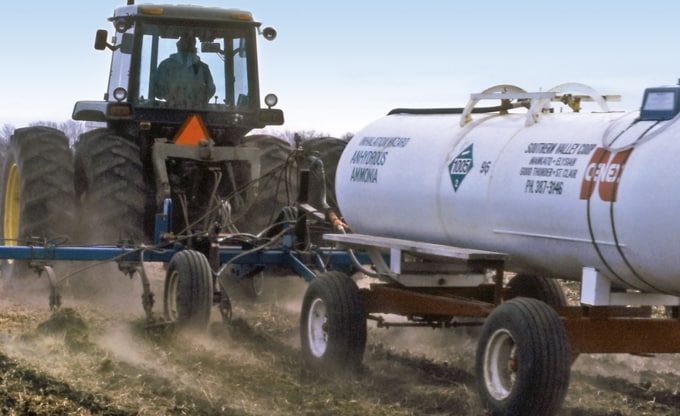
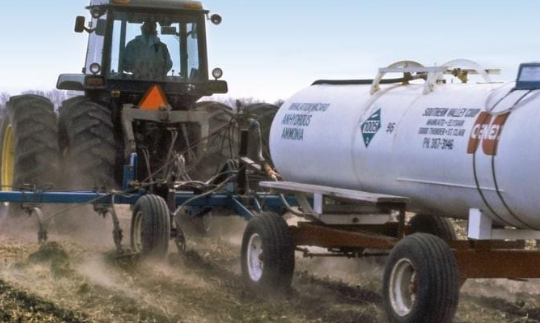
Anhydrous Ammonia Rate Controller

.

When people ask what the main tool used by a farmer is, they usually expect a simple answer. A tractor. A planter. Something large and visible.

In practice, some of the most important tools on a farm are the ones you barely notice until something goes wrong. Rate control equipment fits squarely in that category.

It does not move soil. It does not harvest crops. But it determines how accurately inputs are applied. And accuracy affects cost, consistency, and outcomes across an entire operation.

That is why anhydrous ammonia rate controllers have become a core piece of modern farming equipment, especially where nitrogen application matters.


Control matters more than movement

Modern farming depends on precision. Not just where inputs are placed, but how much is applied and when.

Too much application wastes product and risks damage. Too little creates uneven growth and reduced yields. Manual adjustment cannot keep up with changing conditions across a field.

Rate controllers solve that problem by regulating flow automatically. They respond to speed changes. They adjust output. They keep application consistent.

That consistency is what turns them into a primary tool rather than a secondary accessory.


Where rate controllers fit into real operations

Rate controllers are most often associated with nutrient application. Anhydrous ammonia. Liquid fertilizer. Other inputs that require controlled delivery.

During application, conditions change constantly. Speed varies. Terrain changes. Equipment loads shift.

Without rate control, application rates drift. Operators of NH3 ammonia rate controllers compensate manually, but small delays add up quickly.

This is why automatic rate controllers are relied on so heavily. They manage adjustments faster than an operator can react.

.

Anhydrous Ammonia Rate Controller

.

Anhydrous ammonia requires precise control

Anhydrous ammonia application leaves very little room for error.

Flow rates must remain stable. Pressure changes matter. Safety is a constant concern.

That is why anhydrous ammonia rate controllers are designed specifically for this environment. They regulate flow consistently and respond quickly to changes in speed or load.

In these systems, the controller is not optional. It is the difference between controlled application and variability.


Monitoring supports control

Control systems rely on feedback.

Flow monitors and line monitors confirm that material is moving as expected. They catch blockages. They detect inconsistencies. They provide data operators can trust.

This is where the anhydrous flow monitor and NH3 flow monitor support the controller itself. Without monitoring, control becomes guesswork.

Together, these components create a system that responds instead of reacts.


Knife monitors protect consistency

Application does not stop at the main line. Distribution matters.

Knife monitors track flow at individual outlets. They confirm that material reaches each injection point evenly.

Anhydrous ammonia knife monitors helps identify problems before they affect an entire field. A single plugged knife can create long streaks of under-application if it goes unnoticed.

This level of detail reinforces why rate control systems are considered core tools rather than add-ons.


Automatic control reduces operator workload

Farming already demands attention in many directions at once. Watching rate gauges manually adds stress and increases the chance of error.

Automatic rate controllers remove that burden. They handle adjustments in the background while operators focus on navigation and field conditions.

This does not remove responsibility. It reduces fatigue and improves consistency.

Over long application days, that difference matters.


Rate controllers adapt as operations scale

As farms grow, application windows tighten. More acres must be covered in less time.

Manual systems struggle under that pressure. Small errors compound quickly.

Automatic systems scale more easily. They maintain accuracy regardless of speed changes or field variation.

This scalability is why rate controllers become more important as operations expand.


What rate controllers do not replace

Anhydrous ammonia rate controllers do not make decisions. They execute them.

Application plans still matter. Calibration still matters. Equipment maintenance still matters.

Controllers support good planning. They do not fix poor setup.

Understanding that relationship keeps expectations realistic and performance consistent.


Why rate controllers are considered a main tool

The most important tools on a farm are not always the ones that move the most dirt.

They are the ones that protect inputs. Maintain consistency. Reduce variability.

Rate controllers do all three.

In nutrient application, accuracy directly affects cost and performance. That makes rate control equipment foundational, even if it stays out of sight.


FAQ

What is the main tool used by a farmer for accurate application?
Anhydrous ammonia rate controllers manage input flow and maintain consistent application.

Are automatic rate controllers necessary?
They are essential where application accuracy matters and conditions change.

Why is monitoring important with rate controllers?
Monitoring confirms that material is flowing evenly and catches problems early.

Do rate controllers replace operator judgment?
No. They support decisions but do not replace planning or calibration.

Are rate controllers used only for anhydrous ammonia?
No, but they are especially critical in anhydrous systems.


Tired of Fighting Your Farm Equipment? Let’s Make It Easier.

Anhydrous Ammonia Rate Controllers

Reach out to us online at Hiniker to fill out a form or call us at 507-625-6621 

We are here to assist you with all your farm equipment needs.  We carry the latest equipment, whether it’s cultivators, cover crop seeders, rate controllers, shredders, windrowers, or a forage chopper.

Find your Hiniker Dealer today to find out more about our amazing agricultural equipment. 

You can also follow us on Facebook for the latest news and updates. 
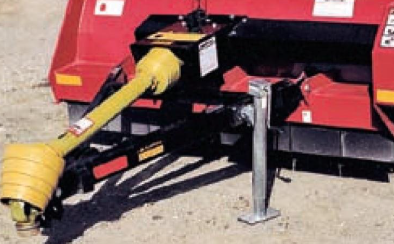
What Is the Most Common Farm Equipment Used to Control Growth and Residue?


.Flail Mowers

.

When people think about common farm equipment, they usually name the big machines first. Tractors. Combines. Planters. The equipment that shows up in photos and headlines.

But some of the most frequently used equipment never gets that attention. It gets hooked up quietly. Used regularly. And put away without much thought.

Growth control equipment falls into that category.

Across many operations, flail mowers end up being one of the most commonly used tools simply because growth never stops. Fields change. Edges fill in. Residue builds. And someone has to deal with it before it becomes a bigger issue.

That makes mowing and shredding equipment part of everyday farming, not just seasonal work.


Growth control shows up more often than people expect

Grass does not wait for planting season. Residue does not disappear on its own. Even fields that are out of rotation still need attention.

This is why growth control equipment gets used across the entire year. Not constantly, but consistently.

Flail mowers are common because they are flexible. They handle light growth. They handle uneven areas. They condition material instead of just knocking it down.

That versatility is what turns them into a “most used” machine over time.


Why flail mowers are so common

A flail mower does not rely on a single cut. It processes material as it moves through the housing. That creates shorter, more uniform residue.

That matters when mowed areas sit next to active fields. It matters when material needs to break down instead of piling up. It matters when mowing is done repeatedly through the season.

This is why farms often rely on flail mower manufacturers that focus on durability and balance. Equipment that gets used often needs to hold up without constant adjustment.

Reliability becomes more important than speed.

.

Flail Mowers

..

Common does not mean basic

Because flail mowers are common, they sometimes get treated like simple equipment. In reality, design choices matter.

Rotor balance affects vibration. Flail design affects cut quality. Housing strength affects how well material is contained.

These details determine whether mowing stays efficient or becomes frustrating.

A common piece of equipment still needs to be well-built to stay useful.


How flail mowers connect to shredders

Flail mowers handle lighter growth and routine maintenance. Shredders take over when residue volume increases.

After harvest, fields change. Corn stalks. Heavy residue. Material that mowing equipment is not designed to handle efficiently.

That is where flail shredders become common. As a flail shredder manufacturer, we know that shredders process heavier material and leave fields more manageable for the next season.

Both machines may use similar cutting principles, but they solve different problems at different times.

This overlap is why farms often own or use both.


When high capacity becomes necessary

As acreage increases, so does pressure on timing.

Residue management that takes too long creates delays later. Planting windows shrink. Soil conditions change.

In these situations, farms look at high capacity flail shredders to handle heavy material efficiently. These machines are built for throughput, not just cutting.

They are not everyday tools for every farm, but where residue volume is high, they become common quickly.


Windrowers change how residue is handled

Not all residue stays in the field.

Some operations remove material for bedding or other uses. Others need fields cleared for specific management practices.

That is where windrowers come in. Instead of spreading residue, they gather it.

Windrowers are less common than mowers or shredders, but in the operations that use them, they are essential. They change residue strategy entirely.

Common equipment depends on the system, not just popularity.


Why flail mowers keep showing up year after year

The reason flail mowers remain common is simple. They solve a recurring problem.

Growth needs control. Residue needs management. Fields need to stay accessible.

Flail mowers handle that without creating new issues. They cut evenly. They spread material. They work in many areas where other equipment struggles.

That makes them a dependable choice rather than a specialized one.


What flail mowers do not replace

Even though they are common, flail mowers do not replace other equipment.

They do not take the place of shredders in heavy residue. They do not eliminate the need for windrowers when material must be removed. They do not prepare soil.

They fit into the system as a maintenance tool. A consistent one.

Understanding that role keeps expectations realistic and results predictable.


Why “most common” depends on frequency, not size

The most common farm equipment is often the equipment that gets hooked up most times in a year.

Mowing equipment fits that definition. It is used before problems grow. It is used between seasons. It is used where other machines do not go.

That is why flail mowers often end up being one of the most frequently used tools on a farm, even if they are not the biggest or most expensive.


FAQ

What is the most common farm equipment used for growth control?
Flail mowers are commonly used for routine growth and vegetation management.

Are flail mowers used more often than shredders?
Yes, because they handle lighter, more frequent tasks throughout the year.

When do farms switch from mowing to shredding?
Usually after harvest, when residue volume increases.

Do windrowers replace shredders?
No. They collect residue instead of spreading it.

Why does capacity matter in residue equipment?
Higher capacity reduces time pressure and keeps schedules on track.


Tired of Fighting Your Farm Equipment? Let’s Make It Easier.

Flail Mowers

Reach out to us online at Hiniker to fill out a form or call us at 507-625-6621 

We are here to assist you with all your farm equipment needs.  We carry the latest equipment, whether it’s cultivators, cover crop seeders, rate controllers, shredders, windrowers, or a forage chopper.

Find your Hiniker Dealer today to find out more about our amazing agricultural equipment. 

You can also follow us on Facebook for the latest news and updates. 
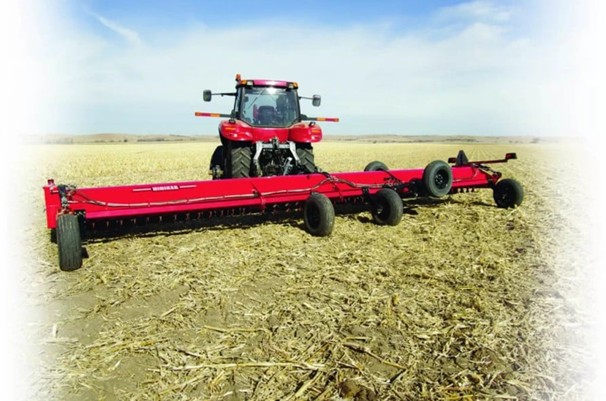
What Equipment Do You Use on a Farm to Manage Grass and Field Growth?

Flail Mowers

.

A lot of farm equipment gets talked about like it only matters during planting and harvest. That is the loud part of the season. But the quieter months are where fields either stay manageable or start creating extra work.

Grass grows along field edges. Waterways fill in. Lots get rough. Pasture areas get uneven. Even fields that are not currently planted can turn into a mess if they are ignored for too long.

That is where flail mowers earn their place. They are not a glamorous implement. But they handle the kind of jobs that keep an operation running smoothly between the big moments.

When someone asks what equipment you use on a farm, mowing equipment often gets left out of the first answer. Then summer hits and everyone remembers why it matters.


Why flail mowers get used in tougher conditions

A rotary mower can knock things down. But it does not always leave a clean result. It can leave uneven material. It can create windrows. It can throw debris. It can struggle when growth is thick or inconsistent.

A flail mower works differently. It uses a rotating drum with flails that cut material repeatedly as it passes through the housing. That leads to a more uniform finish. It also conditions material so it breaks down more naturally.

That is a practical advantage. Not a brochure point.

This is one reason farmers look at flail mower manufacturers differently than they look at basic mower suppliers. The design details matter when equipment gets used hard and often.


Where flail mowers show up on real farms

Flail mowers end up doing a lot of jobs that do not always get labeled as “mowing.”

They maintain grass in areas that are not planted. They clean up waterways. They keep headlands and field edges from becoming heavy growth zones. They manage areas around bins and drives. They also show up in cover crop programs, where fields need growth controlled without creating heavy piles of residue.

The job is not always the same, but the need is. Controlled cutting. Even residue. Less cleanup later.

This is why flail mowers are often used more frequently than farmers expect when they first add one to an equipment lineup.


Choosing the right mower is not just about width

A lot of equipment decisions start with size. How wide. How fast. How many acres per hour.

With mowing equipment, that is only part of it.

Flail type matters. Rotor speed matters. Housing strength matters. How the mower handles uneven ground matters. Even how it spreads material matters, because that affects what happens to the field later.

This is why looking at the build quality coming out of flail mower manufacturers is worth the time. The wrong machine will still cut. It will just cost more in downtime and frustration.

.

Flail Mowers

.

When flail mowers connect to shredding equipment

Flail mowers handle lighter growth and ongoing maintenance. Shredders handle heavy residue after harvest.

They are related, but they are not the same tool.

A field might be mowed several times through the season and then shredded after harvest. The mower keeps growth under control. The shredder handles the leftover material once crops are removed.

This is where terms can get confusing. Because the same general cutting action shows up in both categories.

That overlap is part of why people researching residue tools end up looking at flail shredders as well. They solve a different problem, but the logic is similar. Uniform material. Even distribution. Less trouble later.

If a farm deals with heavy corn residue, shredding becomes its own discussion with a flail shredder manufacturer. Mowing is not enough in that situation. That is where a shredder takes over.


High capacity matters when timing gets tight

The bigger the operation, the less tolerance there is for equipment that takes too long to finish the job.

If mowing is used as a regular maintenance step, efficiency matters. Not because mowing is exciting, but because time is limited.

That is where high capacity flail shredders come up in the conversation, especially when farms want to handle tougher material quickly and keep schedules on track.

These machines are not used for routine grass mowing. But they are part of the same overall residue control strategy that keeps fields manageable.


What about windrowers?

Some farms do not want residue spread. They want it collected.

That is where windrowers fit. Instead of breaking material down and distributing it, windrowers gather it into rows for removal, baling, or separate management.

This is not an everyday need for every operation. But when residue must be removed or managed differently, windrowers offer a path that shredders and mowers do not.

Windrowing is a different strategy. It is about collection, not distribution.


Why mowing equipment belongs in the “what equipment do you use on a farm” answer

Farms are not just production systems. They are managed environments.

Growth and residue either stay under control or they create extra work. Mowing keeps that work smaller and more predictable.

That is why flail mowers are part of real equipment planning. Not as an afterthought, but as a tool that keeps everything else working smoothly.


FAQs

What equipment do you use on a farm to manage grass and growth?
Flail mowers are a common tool for cutting and conditioning growth evenly.

Are flail mowers the same as flail shredders?
No. Flail mowers handle lighter growth. Flail shredders handle heavier residue after harvest.

When would a farm use a windrower instead of a mower?
When residue needs to be collected rather than spread.

Do high capacity flail shredders replace mowing equipment?
No. They serve different purposes, but both support residue and growth management.

Why does the manufacturer matter for mowing equipment?
Build quality affects durability, cut consistency, and long-term reliability.


Tired of Fighting Your Farm Equipment? Let’s Make It Easier.

Flail Mowers

Reach out to us online at Hiniker to fill out a form or call us at 507-625-6621 

We are here to assist you with all your farm equipment needs.  We carry the latest equipment, whether it’s cultivators, cover crop seeders, rate controllers, shredders, windrowers, or a forage chopper.

Find your Hiniker Dealer today to find out more about our amazing agricultural equipment. 

You can also follow us on Facebook for the latest news and updates. 
What Equipment Is Used in Farming for Residue and Field Cleanup?

Flail Mowers


When people ask what equipment is used in farming, they usually picture tractors and planters. Maybe a combine at harvest. What they do not always picture is what happens after crops come off the field.

Residue does not manage itself. Stalks stay standing. Material builds up. Fields that look finished often are not.

That is where flail mowers enters the picture. Not as a headline machine, but as one that quietly prepares fields for what comes next.

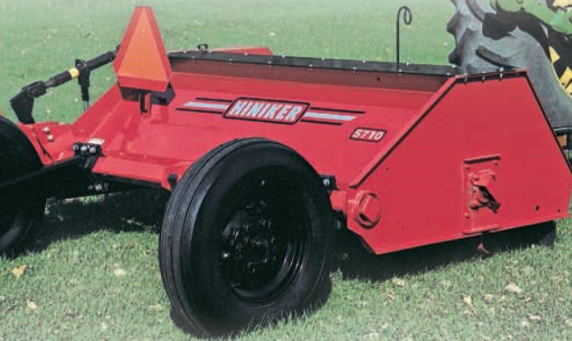
In many operations, that work is handled by flail shredders. They are not flashy. They are practical. And they solve problems that show up long after harvest is done.


Residue management is part of farming equipment planning

Farming does not end when grain is hauled away. Fields still need to be managed before the next cycle begins.

Heavy residue can interfere with planting. It can slow soil warming. It can create uneven emergence the following season.

Shredders break that residue down. They reduce material size and spread it evenly across the field. That simple change affects how equipment performs later.

This is why shredders are considered core farming equipment in many operations, even though they rarely get attention.


Flail shredders handle uneven material well

Not all residue is the same. Corn stalks behave differently than soybean stubble. Cover crops break down differently than crop residue.

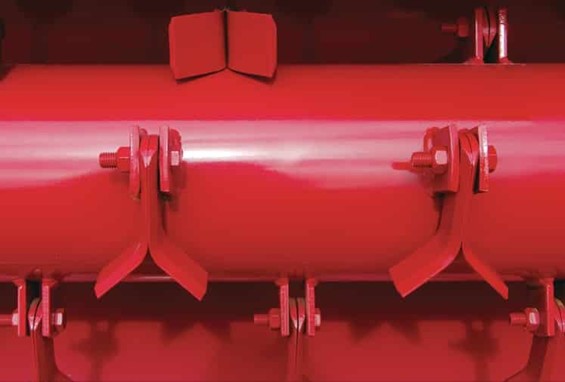
A flail shredder uses rotating flails to cut and condition material. Instead of pushing residue over, it processes it.

This makes flail mowers especially effective in fields with heavy or uneven material. They leave residue distributed instead of piled.

That consistency matters when planting equipment comes back through the field.


High-capacity shredders support large operations

Scale changes how residue management is handled.

Larger fields mean tighter timelines. Equipment has to cover ground efficiently without sacrificing results.

That is where high capacity flail shredders come into play. These machines are built to process more material at higher speeds while maintaining cut quality.

They are designed for throughput. Strong frames. Consistent rotor speed. Stable operation across varying conditions.

For larger operations, these machines prevent residue management from becoming a bottleneck.


Flail Mowers


Windrowers play a different role

Shredders spread material. Windrowers collect it.

A windrower gathers residue into rows instead of distributing it across the field. This is useful when material needs to be removed or managed separately.

Some operations collect residue for bedding. Others manage stover differently depending on soil or rotation needs.

Windrowers give flexibility. They do not replace shredders. They complement them.


Flail windrowers combine both functions

Some equipment bridges the gap.

A flail windrower cuts residue and then places it into controlled rows. This allows material to be processed before being collected.

This approach reduces handling later. It also produces more uniform material for removal or baling.

Flail windrowers are often used where residue needs to be managed precisely rather than simply reduced.


Shredders support planting success indirectly

Residue management affects planting more than many operators realize.

Uneven residue can interfere with row cleaners. It can cause depth variation. It can affect seed-to-soil contact.

Shredders reduce those issues before planting equipment ever enters the field.

This is why flail mowers are often scheduled intentionally rather than used reactively. Fields that are managed early tend to plant more consistently later.


Shredders are not one-size-fits-all

Like most farm equipment, shredders are built for specific conditions.

Crop type matters. Field size matters. Residue volume matters.

This is where working with a flail shredder manufacturer becomes important. Design choices affect:

  • Performance
  • Rotor configuration
  • Flail style
  • Cutting width

Equipment that fits one operation may struggle in another.

Matching equipment to conditions avoids unnecessary passes and uneven results.


What shredders do not do

Shredders do not till soil. They do not prepare seedbeds. They do not replace planting equipment.

They manage surface material. That is their job.

Expecting a shredder to solve deeper soil issues leads to disappointment. Using it for its intended purpose leads to better field conditions overall.

Understanding that boundary is part of using farm equipment effectively.


Why shredders remain common farming equipment

Farming continues to evolve, but residue still exists.

New hybrids. New rotations. New management practices. None of them eliminate the need to manage what remains after harvest.

Shredders offer a mechanical solution that adapts to many systems. They work across crops. Across soil types. Across regions.

That versatility keeps them relevant.


FAQ

What equipment is used in farming after harvest?
Shredders and windrowers are commonly used to manage crop residue.

What does a flail shredder do?
It cuts and conditions residue, spreading it evenly across the field.

Are shredders necessary on all farms?
Not always, but they are common where residue volume is high.

What is the difference between a shredder and a windrower?
Shredders spread material. Windrowers collect it into rows.

Does residue management affect planting?
Yes. It influences planting consistency and equipment performance.


Tired of Fighting Your Farm Equipment? Let’s Make It Easier.

Flail Mowers

Reach out to us online at Hiniker to fill out a form or call us at 507-625-6621 

We are here to assist you with all your farm equipment needs.  We carry the latest equipment, whether it’s cultivators, cover crop seeders, rate controllers, shredders, windrowers, or a forage chopper.

Find your Hiniker Dealer today to find out more about our amazing agricultural equipment. 

You can also follow us on Facebook for the latest news and updates. 
What Are the Different Types of Farm Machinery Used for Cultivation?


Cultivator


Cultivation does not rely on a single machine. It relies on a category of equipment designed to do very specific work at very specific moments in the growing season.

That distinction matters because cultivation is often misunderstood. It is not about preparing ground for planting. It is about managing conditions after crops are already established.

The machines used for that job look similar at a glance, but they behave very differently in the field. Understanding those differences helps explain why modern cultivation uses multiple tools instead of one universal solution.

At the center of this category is the cultivator. But it is far from the only piece of equipment involved.


Cultivators are built for precision between rows

The most recognizable cultivation equipment is the row cultivator.

These machines are designed to work between planted rows without contacting crops. That means spacing, depth, and tracking all matter.

A row crop cultivator typically operates shallow. It disrupts weed growth while leaving crop roots intact. These machines depend on consistent planting and accurate guidance.

They are most common in corn and soybean production, where row spacing is predictable and crops can tolerate passes once they are established.

Row cultivators do not reset fields. They maintain them.


No-till cultivators manage weeds without disturbance

No-till systems prioritize soil structure and residue retention. Cultivation in these systems looks different.

A no-till cultivator is designed to control weeds without aggressive soil movement. Tools work shallow and avoid burying residue.

These machines support erosion control and moisture retention. They are often used selectively rather than across entire fields.

In no-till systems, cultivation is a targeted intervention rather than a routine pass.


Ridge-till cultivators preserve field structure

Ridge-till systems form raised rows during planting. Cultivation in these systems focuses on maintaining those ridges.

A ridge-till cultivator manages weeds while keeping soil in place. Instead of flattening the field, it reinforces structure created earlier in the season.

These cultivator machines are built to follow established ridges accurately. Misalignment can damage crops or disrupt field shape.

Ridge-till cultivation requires equipment that tracks consistently and holds depth precisely.

.

Cultivator.

High-speed cultivators support large operations

Scale changes how cultivation is approached.

Large operations often have narrow windows to complete fieldwork. That demand leads to equipment designed for efficiency.

A high speed cultivator is built to cover acres quickly while maintaining consistent performance. Strong frames and stable toolbars prevent bouncing or drift at higher speeds.

Speed alone is not the goal. Predictable results at speed are.

These machines are common where timing matters as much as precision.


Organic cultivators replace chemical control

Organic systems remove chemical weed control from the equation. Cultivation becomes essential.

An organic cultivator is often more adjustable than conventional designs. Depth, spacing, and tool selection may change throughout the season.

These machines are designed for multiple passes and close control. Operators rely on observation and timing rather than chemical response.

Organic cultivation demands attention and flexibility. Equipment supports that process but does not automate it.


Supporting machinery plays a role too

Cultivation does not operate in isolation.

Planting equipment determines row spacing and consistency. Guidance systems affect tracking accuracy. Residue management influences how cultivators perform.

While cultivators do the visible work, they rely on upstream decisions and equipment to function properly.

Poor planting accuracy makes cultivation harder. Uneven residue complicates depth control.

Understanding cultivation equipment means understanding how it fits into the broader system.


What cultivation equipment does not include

Not all soil-working equipment qualifies as cultivation machinery.

Primary tillage tools like plows and disks operate before planting. They reset fields. Cultivators do not.

Residue management tools may operate after harvest. They prepare fields for planting. Cultivators work after crops are established.

Mixing these categories leads to unrealistic expectations.

Cultivation equipment is designed for maintenance, not preparation.


Choosing the right cultivation tools

Selecting cultivation equipment starts with understanding the farming system.

Row spacing. Soil type. Residue levels. Crop sensitivity. Timing.

There is no universal answer. That is why multiple cultivator designs exist.

The best results come from matching equipment to conditions instead of forcing a tool to do a job it was not built for.


Why cultivation machinery still matters

Despite advances in technology, physical conditions in the field still require management.

Weeds still compete with crops. Soil surfaces still crust. Residue still affects emergence.

Cultivation machinery addresses these issues mechanically. It complements chemical and biological approaches rather than replacing them.

That balance keeps cultivation equipment relevant across many farming systems.


FAQs

What machines are used for cultivation?
Row cultivators, no-till cultivators, ridge-till cultivators, high-speed cultivators, and organic cultivators.

Are cultivators used before planting?
No. They are used after crops are established.

Can cultivation equipment be used in no-till systems?
Yes. Specialized designs exist for that purpose.

Do organic farms rely more on cultivators?
Yes. Mechanical weed control is essential in organic systems.

Is cultivation equipment still important today?
Yes. It remains a practical tool for managing weeds and soil conditions.


Tired of Fighting Your Farm Equipment? Let’s Make It Easier.

Cultivator

Reach out to us online at Hiniker to fill out a form or call us at 507-625-6621 

We are here to assist you with all your farm equipment needs.  We carry the latest equipment, whether it’s cultivators, cover crop seeders, rate controllers, shredders, windrowers, or a forage chopper.

Find your Hiniker Dealer today to find out more about our amazing agricultural equipment. 

You can also follow us on Facebook for the latest news and updates. 
Who Were the Original Cultivators and How Did Farm Equipment Evolve?

.

Cultivator Manufacturers

.

The word cultivator did not start with machines. It started with people.

Long before steel frames and hydraulic adjustments, cultivators were the individuals who worked land by hand. They prepared soil. Managed weeds. Protected crops once they were planted. Cultivation was not a tool. It was a responsibility.

That history still shapes how modern farming works today. Even as equipment has changed, the role of the cultivator has stayed focused on control rather than force.

Modern cultivator manufacturers build equipment around that same idea. Precision. Timing. And restraint.


Early cultivators worked with what they had

The earliest cultivators used simple tools. Hoes. Plows pulled by animals. Shallow implements designed to break surface weeds without disturbing crops.

These tools were slow, but they were intentional. Rows were spaced wider. Crops were tended individually. Cultivation was constant and physical.

Those early systems established the basic principle that still exists today. Cultivation happens after planting. Not before. The goal was always to protect what was already growing.

That concept did not disappear when machines arrived.


Mechanization changed scale, not purpose

As farms grew larger, manual cultivation became impossible to sustain. Equipment filled the gap.

Early mechanical cultivators were simple. Rigid frames. Fixed spacing. Limited adjustments. Operators relied on experience and steady hands to keep rows clean.

As tractors improved, so did cultivator manufacturers. Adjustable row spacing. Depth control. Better stability. These changes allowed cultivation to happen faster and across more acres.

But the purpose stayed the same. Weed control. Soil conditioning. Crop protection.

That consistency is why cultivators evolved instead of being replaced.


Manufacturers shaped modern cultivation

As equipment improved, cultivator manufacturers specialization followed.

Different regions. Different crops. Different soil conditions. A single cultivator design could not meet every need.

This is where modern cultivator manufacturers began to differentiate. Some focused-on speed. Others focused on adaptability. Others focused on reduced soil disturbance.

Companies began producing equipment tailored to specific farming systems instead of general use.

That shift mirrors how farming itself changed.

.

Cultivator Manufacturers

.

Cultivation adapted to planting systems

Row spacing became more uniform. Guidance systems improved. Planting accuracy increased.

Cultivators adapted to match that precision.

A machine designed to pass within inches of crops must track accurately. It must respond to uneven ground. It must hold depth consistently.

That is why modern row cultivator manufacturers design frames and toolbars that stay stable at speed. The goal is not aggression. It is repeatability.

Early cultivators relied on attention. Modern ones rely on design.


Different philosophies created different equipment

As farming systems diversified, so did cultivators.

No-till systems reduced soil disturbance to protect structure and moisture. That required cultivators that worked shallow and preserved residue. This led to specialized designs produced by no-till cultivator manufacturers.

Organic systems removed chemical weed control from the equation. Cultivation became essential rather than supplemental. That drove innovation from organic cultivator manufacturers who focused on adjustability and accuracy.

Larger operations needed efficiency. That demand led to equipment built by high speed cultivator manufacturers that could cover acres quickly without sacrificing control.

Each approach traces back to the same original purpose, adapted to different constraints.


Dealers connect history to practice

Equipment does not exist in isolation. It has to fit real farms.

That is where cultivator dealers play a role that mirrors early cultivators themselves. They help match tools to conditions. They understand regional differences. They see what works and what does not.

Early cultivators learned by watching fields respond. Modern dealers learn by supporting equipment across many operations.

That feedback loop continues to shape how cultivators are designed.


Cultivation remains a judgment call

Technology has improved consistency. It has not eliminated decision-making.

Cultivators still require timing. Field awareness. Adjustment. Knowing when to pass and when to stay out.

The difference is that modern cultivator manufacturers produce machines that reduce variability. It gives cultivators better tools to execute decisions effectively.

That combination of judgment and design is what keeps cultivation relevant.


Why the origin still matters

Understanding who the original cultivators were explains why modern equipment looks the way it does.

Cultivators were never meant to dominate the field. They were meant to manage it carefully.

That mindset carries through today’s machines. Controlled depth. Targeted movement. Minimal disruption.

Modern cultivation is faster. More precise. More adaptable. But it still follows the same basic rules established centuries ago.


FAQ

Who were the original cultivators?
They were the people who managed soil and weeds by hand after crops were planted.

When did mechanical cultivators appear?
As farms grew larger and animal power gave way to tractors.

Why did cultivators evolve instead of disappearing?
Because weed control and soil management are still necessary after planting.

Do modern cultivators replace older methods?
They expand on them, increasing scale and consistency.

Are cultivators still tied to human decision-making?
Yes. Cultivator manufacturers support decisions but does not replace judgment.


Tired of Fighting Your Farm Equipment? Let’s Make It Easier.

Cultivator Manufacturers

Reach out to us online at Hiniker to fill out a form or call us at 507-625-6621 

We are here to assist you with all your farm equipment needs.  We carry the latest equipment, whether it’s cultivators, cover crop seeders, rate controllers, shredders, windrowers, or a forage chopper.

Find your Hiniker Dealer today to find out more about our amazing agricultural equipment. 

You can also follow us on Facebook for the latest news and updates. 
What Does Being a Cultivator Mean in Agriculture Today?

.

Cultivator

.

The word cultivator gets used in two very different ways. Sometimes it describes a person. Sometimes it describes a machine. In modern agriculture, those meanings overlap more than people realize.

To be a cultivator today is not just about owning equipment. It is about how fields are managed over time. How soil is handled. How weeds are controlled without disrupting crops that are already established.

At the center of that approach is the cultivator itself. Not as a generic tool, but as part of a broader system that focuses on precision instead of disruption.

Being a cultivator means understanding that difference.


Cultivation is a management mindset

Historically, cultivation was labor-intensive. It involved repeated passes through fields with limited control. Timing was rough. Adjustments were manual. Results varied.

Modern cultivation is more deliberate. Equipment is designed to work close to crops without damaging them. Adjustments are precise. Depth and spacing matter.

A cultivator today is someone who plans for those passes instead of reacting to problems later. That mindset shifts how equipment is chosen and how fields are approached.


Equipment defines modern cultivation

Modern cultivators are not built for every field or every system. They are designed to fit specific farming practices.

A row crop cultivator is designed to move between planted rows with minimal disturbance. These machines depend on accurate spacing and consistent guidance. They are common in corn and soybean operations where crops are already established before cultivation begins.

A no-till cultivator supports a different goal. It allows weed control without breaking soil structure or burying residue. These systems prioritize soil health and erosion control, which changes how cultivation fits into the season.

A ridge-till cultivator maintains ridges formed during planting. Instead of flattening the field, it preserves structure while managing weeds and residue.

Each of these tools reflects a different approach to cultivation. None of them exist by accident.


Cultivation happens after planting, not before

One of the biggest misunderstandings about cultivation is timing.

Cultivators are not primary tillage tools. They do not prepare fields for planting. They manage conditions after crops are already in the ground.

That timing changes expectations. Cultivation is not about aggressive soil movement. It is about shallow work. Clean rows. Consistent conditions.

This is why cultivators must be stable and predictable. A small mistake can damage crops that are already established.

Being a cultivator means respecting that margin for error.

.

Cultivator

.

Speed and scale influence cultivator design

Modern operations often cover more acres in tighter windows. That reality affects how cultivation is done.

A high speed cultivator is designed to cover ground efficiently while maintaining consistent depth and spacing. Speed alone is not the goal. Control at speed is.

These machines are built with stronger frames and better depth control to prevent bouncing or drift. Without that stability, speed works against precision instead of supporting it.

Cultivators who operate at scale rely on this balance. Too slow and timing is missed. Too fast without control and crops suffer.


Organic systems depend on cultivation

In organic systems, cultivation plays a larger role. Chemical weed control is not an option, so mechanical control becomes essential.

An organic cultivator is often adjusted more frequently. Depth changes. Tools shift. Multiple passes may be required.

This approach demands attention. It is not passive. Organic cultivators rely on timing, field observation, and consistent adjustments.

In these systems, being a cultivator is an active role. Equipment supports decisions, but it does not replace them.


Cultivation is about consistency, not correction

Cultivators are most effective when they prevent problems instead of fixing them.

Weeds that are managed early do not compete later. Soil that is conditioned evenly supports more uniform growth. Fields that are maintained consistently require fewer interventions overall.

Cultivation works best when it is planned. That planning includes understanding field conditions, crop stage, and equipment capabilities.

Waiting too long reduces options. Acting too aggressively creates new problems.

Being a cultivator means finding that balance.


What cultivation does not replace

Cultivation does not eliminate the need for good planting practices. It does not fix compaction. It does not replace fertility management.

It supports those systems. It works alongside them.

Expecting a cultivator to correct deeper issues leads to disappointment. Using it as part of a broader plan leads to better outcomes.

That distinction matters when equipment decisions are made.


Why the role of the cultivator still matters

Technology has changed how farming operates. Guidance systems. Variable-rate applications. Data-driven decisions.

Cultivation still matters because it addresses physical conditions in the field. Weeds. Soil surface. Residue.

Those conditions still exist. They still affect yields. And they still require mechanical solutions in many systems.

Being a cultivator today means combining experience with modern equipment. It means understanding when to intervene and when to leave the field alone.

That judgment is what separates effective cultivation from unnecessary passes.


FAQ

What does being a cultivator mean in farming?
It means managing soil and weeds after planting using precise equipment and timing.

Is a cultivator a person or a machine?
In agriculture, it refers to both. The operator and the equipment work together.

Do all farms use cultivators?
No. Use depends on the farming system and management goals.

Are cultivators used in no-till systems?
Yes. Specialized no-till cultivators are designed for that purpose.

Is cultivation still relevant today?
Yes. It remains an important tool for weed control and soil management.


Tired of Fighting Your Farm Equipment? Let’s Make It Easier.

forage harvester

Reach out to us online at Hiniker to fill out a form or call us at 507-625-6621 

We are here to assist you with all your farm equipment needs.  We carry the latest equipment, whether it’s cultivators, cover crop seeders, rate controllers, shredders, windrowers, or a forage chopper.

Find your Hiniker Dealer today to find out more about our amazing agricultural equipment. 

You can also follow us on Facebook for the latest news and updates.
What Is a Cultivator in Modern Farming?

.

cultivator

.

In modern farming, the word cultivator gets used a lot. Sometimes casually. Sometimes incorrectly. It can mean a person. A machine. Or a whole category of equipment depending on who is talking.

In agriculture today, a cultivator is a specific type of field implement designed to manage soil and weeds after planting. It is not about tearing fields apart. It is about precision. Timing. And control.

That distinction matters more than it used to.

As farming has shifted toward tighter margins and more precise operations, cultivators have changed along with it. They are no longer one-size-fits-all tools. They are specialized machines built for very specific conditions.

Understanding what a cultivator actually does helps explain why so many different designs exist.


Cultivators are about control, not disturbance

At its core, a cultivator works the soil between rows of crops. The goal is not deep tillage. The goal is weed control and soil conditioning without damaging the crop itself.

That is why cultivators operate close to planted rows. Often within inches. That level of accuracy requires stable frames, precise depth control, and consistent spacing.

This is also why cultivators behave differently than disks or plows. They are not designed to reset a field. They are designed to maintain one

That difference shapes everything about how they are used.


Where cultivators fit into the growing season

Cultivators typically come into play after crops are established. Early enough to manage weeds. Late enough that rows are clearly defined.

That timing is critical. Too early and there is nothing to cultivate. Too late and crops are too developed to safely pass through.

This is where equipment choice becomes important. A row crop cultivator is built to move through standing crops without contact. That requires consistent row spacing and a machine that tracks accurately behind the tractor.

Modern guidance systems help. But the mechanical design still does most of the work.


Different cultivators exist for different systems

Not all farms operate the same way. That is why cultivators are not interchangeable.

A no-till cultivator is designed to manage weeds without disturbing residue or soil structure. These machines work shallow and leave most of the field intact.

A ridge-till cultivator works differently. It maintains ridges formed during planting and helps manage residue while keeping soil in place.

There are also machines built for speed. A high speed cultivator focuses on covering more acres efficiently while maintaining consistent depth and spacing. These are common in larger operations where timing matters as much as precision.

Each type exists because fields behave differently under different management systems.

.

.

Cultivators are not just mechanical anymore

Older cultivators relied on simple adjustments. Depth was set manually. Spacing was fixed. Operators relied on experience to keep things aligned.

A modern cultivator are more adaptable. They integrate guidance systems. They adjust more easily. They maintain consistency across changing field conditions.

This does not mean they are complicated to use. It means they are designed to reduce variability. That matters when every pass through a field costs time and fuel.

It also matters when weed pressure changes across a field. Consistent cultivation prevents problem areas from spreading.


Organic systems rely heavily on cultivators

In organic operations, cultivators are not optional. They are essential.

A properly set organic cultivator replaces chemical weed control. That makes accuracy and timing even more important.

These systems rely on multiple passes. Shallow work. And careful spacing. The cultivator becomes part of a larger management plan instead of a single-use tool.

That reliance is one reason organic cultivators are often more adjustable and precise.


What cultivators do not do

It is just as important to understand what cultivators are not meant to handle.

They are not primary tillage tools. They do not break compacted soil. They do not manage heavy residue on their own.

Trying to use a cultivator for the wrong job leads to poor results. Uneven weed control. Crop damage. Wasted passes.

Cultivators work best when they are used as intended. Between rows. At the right time. With the right setup.


Why cultivators still matter

With all the technology available in farming today, it is fair to ask why cultivators are still relevant.

The answer is simple. They solve a problem that has not gone away.

Weeds still compete with crops. Soil still needs management. Chemical solutions are not always ideal or available.

Cultivators offer a mechanical solution that adapts to different systems. They work alongside modern planting and guidance equipment rather than replacing it.

That flexibility keeps them relevant.


Planning cultivator usage correctly

The biggest issues with cultivators usually come from planning, not design.

Wrong timing. Wrong setup. Wrong expectations.

A cultivator will not fix a poorly managed field. But when used correctly, it supports healthier crops and more consistent yields.

That starts with understanding what a cultivator is designed to do.


FAQ

What is a cultivator used for in farming?
It is used to manage weeds and condition soil between rows after crops are planted.

Is a cultivator the same as a tillage tool?
No. Cultivators work shallow and are not meant for primary tillage.

Can cultivators be used in no-till systems?
Yes. Specialized no-till cultivators are designed for that purpose.

Do organic farms rely on cultivators more?
Yes. They are often a primary weed control method.

Are cultivators still relevant with modern technology?
Yes. They complement modern planting and guidance systems rather than replacing them.


Tired of Fighting Your Farm Equipment? Let’s Make It Easier.

.forage harvester.

Reach out to us online at Hiniker to fill out a form or call us at 507-625-6621 

We are here to assist you with all your farm equipment needs.  We carry the latest equipment, whether it’s cultivators, cover crop seeders, rate controllers, shredders, windrowers, or a forage chopper.

Find your Hiniker Dealer today to find out more about our amazing agricultural equipment. 

You can also follow us on Facebook for the latest news and updates.