



.
.
Cultivator performance changes a lot once farm size starts increasing. What worked on smaller acreage doesn’t always hold up when you’re trying to cover hundreds. or thousands. of acres in tight windows.
That’s where high-speed setups start to come into the conversation. The idea sounds simple: move faster, cover more ground, stay on schedule. But in practice, speed affects everything. soil movement, residue flow, and how consistent your pass actually is.
So, the real question isn’t just about speed. It’s about whether a faster cultivator can still do the job right.
What “high speed” really means in the field
High speed cultivation isn’t just pushing the throttle forward. It’s about maintaining consistent performance while moving faster across the field.
At higher speeds, soil behaves differently. It lifts and throws farther. Residue moves more aggressively. Small inconsistencies in setup become more noticeable.
That’s why equipment built by high speed cultivator manufacturers is designed to stay stable under those conditions. Stronger frames, better residue flow, and more precise depth control all play a role.
A standard setup can sometimes handle higher speeds. But it usually starts to lose consistency as speed increases.
Where high speed cultivators make sense
Large farms benefit the most when timing matters. If you’re trying to get through cultivation before weeds take hold, or you’re racing weather changes, covering more acres per day can make a real difference.
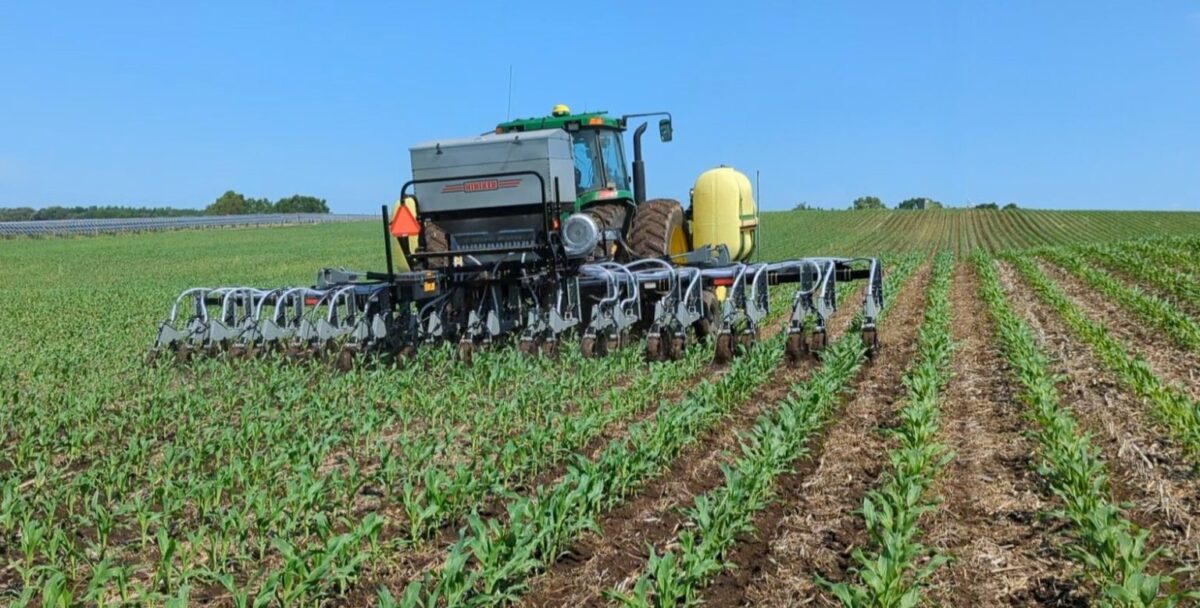
This is especially true in row crop systems. A properly configured row cultivators setup running at higher speeds can keep fields cleaner without adding extra passes.
That said, speed only helps if the job is still being done correctly. Covering acres faster doesn’t matter if you’re leaving weeds behind or damaging crops.
The trade-off: speed vs control
There’s always a balance. As speed increases, control becomes more difficult. You have less time to react. Small bumps or uneven ground can throw off alignment. Soil disturbance becomes less predictable. That’s why guidance systems and setup precision matter more at higher speeds.
Working with a cultivator dealers team often helps dial in those adjustments. things like down pressure, sweep selection, and toolbar stability. Without that setup work, speed can create more problems than it solves.
Soil conditions change the equation
Not all fields handle speed the same way. Dry, consistent soil tends to work well with faster passes. You get clean movement and even results.
Wet or uneven ground is different. Soil clumps, residue drags, and depth becomes inconsistent. In those conditions, slowing down often leads to better outcomes.
Even the best cultivator setup has limits. Knowing when to back off speed is just as important as knowing when to push it.
Residue management at higher speeds
Residue becomes more active the faster you go. Instead of flowing evenly, it can bunch up or get thrown unpredictably. That can leave uneven coverage or interfere with your next pass.
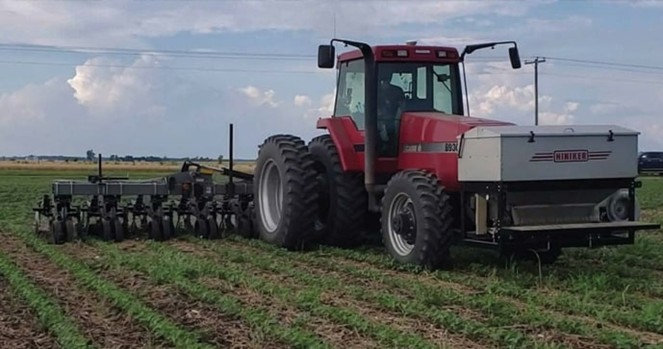
This is where equipment from a ridge-till cultivator manufacturer or similar specialized setups can help manage residue more effectively while maintaining row structure. If residue isn’t flowing cleanly, speed tends to amplify the problem.
.
.
Equipment durability and wear
Running faster doesn’t just affect performance. it affects wear. Higher speeds put more stress on shanks, sweeps, and the toolbar itself. Over time, that can lead to more frequent replacements or adjustments.
This is one reason larger operations often invest in heavier-duty machines built specifically for high speed work. A lighter setup might handle the workload for a while, but it usually shows wear faster under those conditions.
Operator experience matters more than you think
High speed cultivation isn’t just about the machine. It’s about the operator. Reading field conditions, adjusting speed on the fly, and knowing when something feels off. those skills make a big difference.
Even with advanced equipment, the person in the cab plays a major role in how effective each pass is. A well-tuned row crop cultivator paired with an experienced operator is where high speed setups really start to pay off.
When high speed isn’t the best choice
There are situations where slower is better. Tight row spacing, delicate crops, or fields with uneven terrain all benefit from a more controlled approach.
Organic systems are another example. If you’re relying heavily on mechanical weed control, precision often matters more than speed.
In those cases, pushing too fast can reduce effectiveness instead of improving it.
So are they worth it?
For large farms with consistent field conditions and tight timing windows, high speed cultivators can be a strong fit.
They help cover more ground, reduce time pressure, and keep operations moving. But they’re not a shortcut. Setup, soil conditions, and operator skill all need to line up.
A cultivator that performs well at higher speeds is one that’s been adjusted carefully. and used with a clear understanding of when to push and when to slow down.
FAQs
Do high speed cultivators reduce the number of passes?
Sometimes. If they’re set up correctly, you can cover more ground in less time and maintain good weed control in fewer passes.
Can any cultivator be used at high speeds?
Not always. Some setups lose stability or consistency when pushed too fast. Equipment designed for high speed tends to perform better under those conditions.
What’s the ideal speed for cultivation?
It depends on field conditions, row spacing, and equipment setup. Many operators adjust speed throughout the day based on how the field is responding.
Tired of Fighting Your Farm Equipment? Let’s Make It Easier.
.

.
Reach out to us online at Hiniker to fill out a form or call us at 507-625-6621
We are here to assist you with all your farm equipment needs. We carry the latest equipment, whether it’s cultivators, cover crop seeders, rate controllers, shredders, windrowers, or a forage chopper.
Find your Hiniker Dealer today to find out more about our amazing agricultural equipment.
You can also follow us on Facebook for the latest news and updates.