



.
.
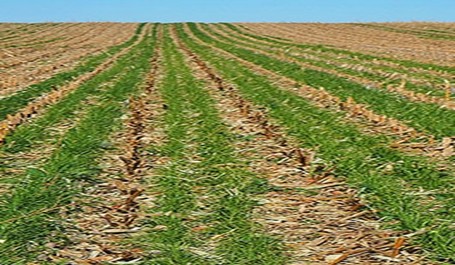
Cover crop seeder setups tend to get talked about like they’re plug-and-play. Drop seed, make a pass, and you’re done. In reality, interseeding is a little more situational than that.
It works well when timing, spacing, and crop cultivator stage all line up. Miss one of those, and results can feel inconsistent. Once you understand how these systems function in the field, it gets easier to see where they fit. and where they don’t.
What an interseeder does
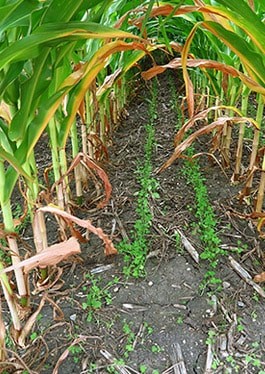
At its core, a cover crop seeder places seed between existing crop rows while that crop is still growing.
Instead of waiting until after harvest, you’re establishing a cover crop early. That gives it time to germinate, take root, and be ready once the main crop comes off.
This approach helps extend your growing window without adding another pass later in the season.
But it also introduces more variables.
Timing is everything with interseeding
The biggest factor with interseeding is timing.
Too early, and the cover crop competes with your main crop. Too late, and it won’t establish before conditions change.
Most growers aim for a window when the main crop is established enough to handle some competition but still allows sunlight to reach the soil surface.
Using a cover crop interseeder during that window helps balance those two factors.
It’s a narrow window in many cases, which is why consistency matters so much.
How row spacing affects performance
Row spacing plays a major role in how well interseeders work.
Wider rows allow more light to reach the ground, giving cover crops a better chance to establish early. Narrow rows can limit that light, slowing growth until after harvest.
An inter row seeder is designed to place seed precisely between rows without disturbing the main crop. That precision becomes more important as spacing tightens. If placement drifts too close to the crop row, you risk competition. Too far off, and you lose consistency.
Seed placement and depth control
Getting seed into the soil at the right depth is what determines whether it germinates or not. Too shallow, and it dries out. Too deep, and it struggles to emerge.
Most cover crop seeding equipment is designed to maintain consistent depth across varying field conditions. But even with good equipment, soil moisture and texture still play a role.
Dry conditions can limit germination. Wet conditions can cause uneven placement. That’s why operators often adjust settings throughout the day based on what they’re seeing in the field.
.
.
What crops work best with interseeding
Corn is one of the most common crops for interseeding. Its row structure allows enough space for seed placement, and its growth pattern creates a predictable window for introducing cover crops.
Soybeans can be more challenging, especially in tighter rows where light penetration is limited. A properly configured cover crop seeder can still work in those systems, but timing becomes even more critical.
Choosing the right cover crop species also matters. Some establish quickly with minimal light, while others need more favorable conditions.
Field conditions can make or break results
Interseeding doesn’t happen in a controlled environment. Field variability plays a big role. Uneven emergence, varying soil types, and changes in moisture all affect how well cover crops establish. Even with a well-set cover crop seeder, some areas of the field may perform better than others.
That’s normal. The goal is to create enough consistent establishment across the field to see long-term benefits, even if it’s not perfectly uniform.
Why some growers see inconsistent results
Interseeding can feel hit-or-miss if expectations aren’t aligned with how the system works.
A few common issues include:
-
- Seeding outside the optimal timing window
- Poor seed-to-soil contact
- Limited sunlight due to crop canopy
- Dry conditions after seeding
Most of these aren’t equipment failures. They’re situational factors. Understanding those factors helps set more realistic expectations.
Long-term benefits of interseeding
When it works well, interseeding offers several advantages. You get earlier establishment of cover crops, which can help with erosion control, soil structure, and nutrient cycling.
It also spreads out workload. Instead of adding another pass after harvest, you’re handling seeding during the growing season. A consistent cover crop seeder setup becomes part of a broader system rather than a one-time tool.
Is interseeding worth the effort?
For many operations, yes. but it depends on how it’s implemented. If timing, spacing, and conditions are managed well, interseeding can add value without significantly increasing workload.
If those factors aren’t aligned, results can feel inconsistent. Like most equipment decisions, it comes down to how well the system fits your fields and your schedule.
FAQs
Does interseeding hurt crop yield?
Usually not if timing is correct. When done at the right stage, the main crop is established enough to handle it without significant competition.
What cover crops work best for interseeding?
Species that establish quickly and tolerate shade tend to perform best. The right choice often depends on your region and goals.
Can you interseed every year?
Yes, many growers do. Consistency over multiple seasons often leads to better overall results as soil conditions improve.
Tired of Fighting Your Farm Equipment? Let’s Make It Easier.
.

.
Reach out to us online at Hiniker to fill out a form or call us at 507-625-6621
We are here to assist you with all your farm equipment needs. We carry the latest equipment, whether it’s cultivators, cover crop seeders, rate controllers, shredders, windrowers, or a forage chopper.
Find your Hiniker Dealer today to find out more about our amazing agricultural equipment.
You can also follow us on Facebook for the latest news and updates.