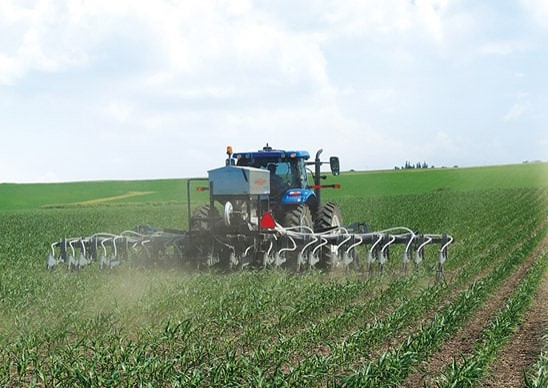
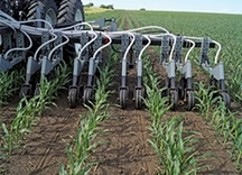
When Should You Use Windrowers in Modern Residue Management?

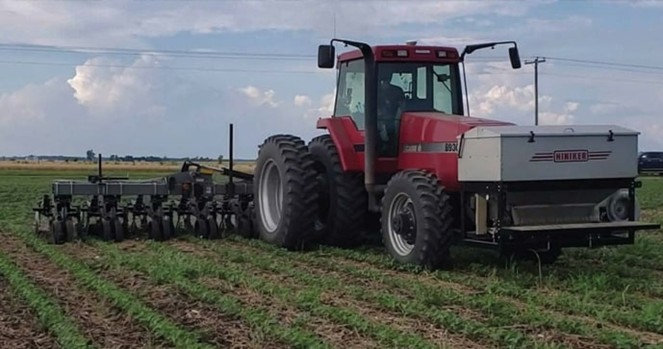
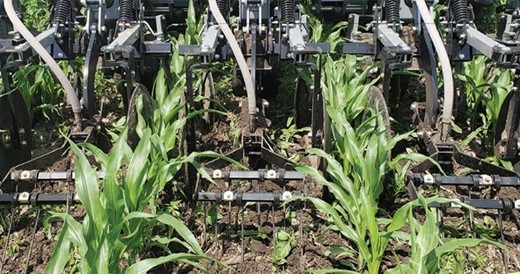
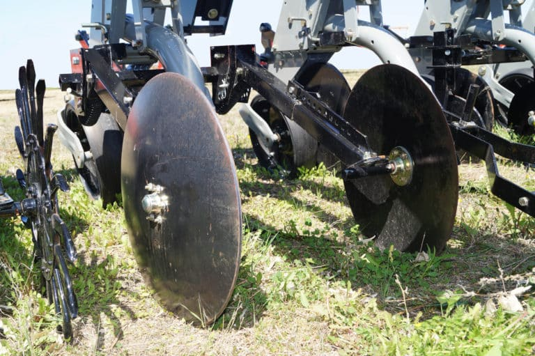
.Windrowers

.

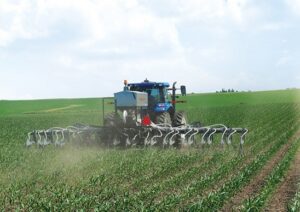
Residue management doesn’t stop at cutting stalks. Placement matters just as much as sizing. After harvest, fields can look uneven. Heavy stalk buildup in some areas. Thin coverage in others. That inconsistency affects soil temperature, planter performance, and early growth next season.

This is where windrowers start to make sense. They don’t just cut residue. They move it with purpose.


How windrowers improve residue placement

Unlike standard shredding equipment, windrowers concentrate crop residue into defined rows. Instead of scattering material randomly, they guide it into organized windrows.

That controlled placement leaves cleaner strips where next year’s crop will be planted. The seed zone warms faster. Planter openers move through soil with less resistance.

At the same time, residue remains between rows to protect against erosion and moisture loss. It’s targeted management, not removal.


Why placement matters more than many realize

Heavy corn-on-corn systems generate significant residue volume. If that material sits directly over the seed zone, early emergence can slow.

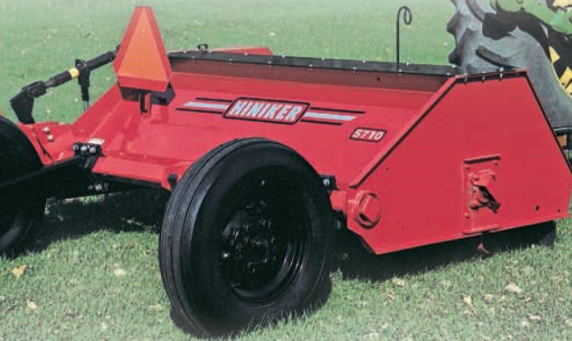
A properly configured shredder windrower sizes stalks while directing them away from the row. The result is more uniform spring conditions.

Many growers have found that managing residue direction reduces the need for aggressive tillage passes later. Instead of disturbing the entire field, you control where the residue sits.


Combining shredding and windrowing in one pass

Running separate tools costs time. Integrated systems simplify the process.

Modern flail windrowers break down residue and align it in a single operation. Flail action sizes the material. Internal baffles or discharge systems guide it into rows.

That combination keeps operations efficient while improving consistency across acres. Fields that receive uniform residue placement tend to show steadier early growth patterns.


Equipment support matters

Setup and calibration determine performance. Working with a reliable windrower dealer helps avoid uneven discharge patterns or incorrect spacing.

Manufacturing design plays a role as well. An experienced windrower manufacturer builds frames that stay stable across uneven terrain. Consistent alignment keeps windrows predictable from pass to pass.

Residue management depends on precision, not guesswork.


When windrowing makes the most sense

Not every field requires concentrated residue. Lower-yield soybean ground may not justify the extra pass.

Fields with heavy corn residue or continuous cropping systems benefit most. In those environments, windrowers create cleaner planting strips without stripping away surface cover entirely. That balance protects soil structure while improving row conditions.

.

windrowers

.

Windrowing shredder systems in conservation setups

Conservation systems aim to reduce soil disturbance. Full-width tillage often conflicts with that goal. A properly adjusted windrowing shredder manages surface material without turning soil over. Residue remains on top, just repositioned.

That small shift can reduce spring field prep intensity. Many growers report fewer secondary passes once residue is placed correctly in the fall.


Long-term benefits of consistent placement

Residue strategy isn’t about one season. Over time, predictable residue placement supports more uniform soil conditions.

Fields managed with windrowers tend to show consistent planter performance year after year. Reduced bunching means fewer cold spots and fewer uneven emergence areas.

The improvement isn’t dramatic in a single pass. It builds over seasons. That consistency is what most growers are after.


Planning residue strategy before harvest even starts

The best residue management decisions usually aren’t made after harvest. They’re made before the combine enters the field.

Hybrid selection, plant population, and yield expectations all influence how much material will be left behind. Higher yields mean heavier residue loads. If you already know a field tends to produce thick stalk volume, planning a windrowing pass early prevents spring frustration.

Equipment width should match harvest patterns. Overlapping passes or inconsistent travel lines can lead to uneven buildup. Operator consistency matters just as much as machine design.

Weather also plays a role. Dry fall conditions allow cleaner cutting and more consistent placement. Wet residue tends to clump and resist uniform flow through the machine. Monitoring field conditions helps avoid uneven discharge.

Growers who treat residue management as part of the full crop cycle — not a cleanup step — tend to see smoother planting seasons. They spend less time correcting uneven emergence and fewer hours adjusting planter settings.

It’s a small planning adjustment in the fall that prevents larger corrections in the spring.


FAQs

Do windrowers remove residue from the field?
No. They reposition it. Surface protection remains between rows while planting zones stay clearer.

Are windrowers only useful in corn fields?
They provide the most benefit in high-residue systems such as corn-on-corn rotations, but they can be used wherever placement improves conditions.

Will windrowing increase erosion risk?
When residue remains between rows, soil protection is maintained while improving seed zone access.


.

windrowers

 .

Tired of Fighting Your Farm Equipment? Let’s Make It Easier.

Reach out to us online at Hiniker to fill out a form or call us at 507-625-6621 

We are here to assist you with all your farm equipment needs.  We carry the latest equipment, whether it’s cultivators, cover crop seeders, rate controllers, shredders, windrowers, or a forage chopper.

Find your Hiniker Dealer today to find out more about our amazing agricultural equipment. 

You can also follow us on Facebook for the latest news and updates. 
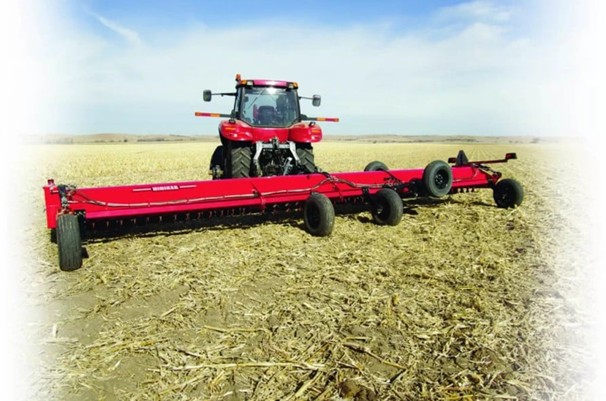
Why Flail Shredders Matter After Harvest in High-Residue Fields

.

flail shredders

.

Harvest wraps up, trucks pull out, and the field looks finished. It’s not.

Corn stalks stand stiff across the rows. Soybean stems lie tangled on the surface. In heavy-yield years, residue can feel overwhelming. That material protects soil, but unmanaged buildup creates its own problems heading into spring.

This is where modern flail shredders earn their place. Post-harvest residue management isn’t about making fields look clean. It’s about breaking material down so the next crop starts evenly.


How flail shredders break down heavy residue

A lot of growers assume any mower or chopper can handle stalks. That’s not always true. Corn residue is tough and fibrous. Simply knocking it down doesn’t speed decomposition much.

Flail shredders use rotating flails to cut and size residue into smaller, more manageable pieces. Instead of leaving long stalk sections, they create consistent fragments that settle closer to the soil surface.

Smaller pieces decompose faster. They distribute more evenly. They’re less likely to interfere with planting equipment later. That uniform sizing makes a noticeable difference by the time spring arrives.


The difference between shredding and chopping

Growers sometimes use the terms interchangeably, but there’s a practical distinction.

A stalk chopper typically focuses on cutting standing residue down to ground level. It reduces height quickly. A stalk shredder works the material more aggressively, cutting and re-cutting to reduce length further.

Flail shredders combine both actions in one pass. The rotating flails strike residue multiple times, producing a more consistent finish across the field. That consistency matters when you’re managing heavy corn-on-corn residue.


Why uneven residue causes spring problems

Thick piles of stalks delay soil warmup. They shade the surface and trap moisture. Planter openers can struggle to cut through concentrated material, which leads to inconsistent seed depth.

Residue that isn’t sized evenly often ends up windblown or bunched. That creates cold strips across the field.

Many operations pair shredding with integrated systems such as shredders & windrowers to manage both breakdown and placement. Proper distribution keeps rows clear without stripping protection from the rest of the field. Balanced residue helps planters run smoother and crops emerge more evenly.

.

Flail Shredders

.

When windrowing makes sense

There are times when moving residue instead of just sizing it provides value. In high-yield corn fields, concentrating material between rows can improve spring conditions in the seed zone.

That’s where windrowers come in. A system like a windrowing stalk shredder can size and direct residue in a single pass.

This approach leaves cleaner strips where seeds will go while maintaining surface cover between rows. It’s not about removing residue. It’s about positioning it.


Soil protection without sacrificing control

Residue protects against erosion and moisture loss. That benefit shouldn’t disappear after harvest.

Modern flail shredders allow growers to manage stalk volume without inverting soil or performing full-width tillage. You maintain surface cover while improving breakdown.

That’s especially valuable in conservation systems where soil disturbance must stay minimal. Light residue sizing reduces matting and compaction while keeping protection in place.


Pest and disease considerations

Large, intact stalk sections can harbor pests and pathogens. Sizing residue speeds microbial breakdown and reduces overwintering habitat.

Consistent shredding after harvest disrupts that cycle. It won’t eliminate every risk, but it reduces carryover pressure in many situations.

Fields that receive timely shredding often show more uniform early growth compared to fields where residue remained untouched and uneven.


Timing matters

Running flail shredders soon after harvest takes advantage of dry field conditions and open access. Waiting until late winter or early spring limits flexibility.

Dry residue cuts cleaner. Equipment runs more consistently. Operators can cover acres efficiently before weather shifts.

Planning residue management as part of harvest logistics, rather than as an afterthought, usually produces better results.


Long-term field consistency

Residue management isn’t about aesthetics. It’s about predictability.

When stalks are sized and distributed consistently year after year, planting becomes more uniform. Emergence becomes steadier. Equipment adjustments become smaller.

A properly managed field rarely feels extreme in spring. It warms steadily. It drains evenly. It responds predictably. That’s the quiet benefit of incorporating flail shredders into post-harvest operations.


FAQs


Do flail shredders replace tillage?
No. They manage surface residue without turning soil over. Many growers use them in conservation systems where soil structure needs to remain intact.

Is shredding necessary every season?
Fields with heavy corn residue benefit most. Lower-residue soybean fields may not require the same level of sizing every year.

Will shredding increase erosion risk?
When residue remains on the surface and is evenly distributed, soil protection stays in place while breakdown improves.


Tired of Fighting Your Farm Equipment? Let’s Make It Easier.

.

.

Reach out to us online at Hiniker to fill out a form or call us at 507-625-6621 

We are here to assist you with all your farm equipment needs.  We carry the latest equipment, whether it’s cultivators, cover crop seeders, rate controllers, shredders, windrowers, or a forage chopper.

Find your Hiniker Dealer today to find out more about our amazing agricultural equipment. 

You can also follow us on Facebook for the latest news and updates. 
Choosing the Right Cultivator for Corn and Soybeans

.

Row Cultivators.

Corn and soybeans don’t forgive sloppy weed control. Early competition steals moisture, nutrients, and sunlight fast. You might not notice the loss until harvest, but it’s already baked into the yield.

That’s why choosing the right equipment matters. Not just any toolbar will do. The setup, spacing, shielding, and residue handling all need to match the crop.

If you’re comparing modern row cultivators, the decision comes down to crop type, field conditions, and how you plan to integrate mechanical weed control into your system.


How row cultivators handle corn differently than soybeans

Corn typically gives you a little more margin for soil movement. The stalk is sturdier early, and the growing point stays protected below the surface in initial stages. That means row cultivators can be set slightly more aggressive when needed.

Soybeans are less forgiving. Early plants are smaller and easier to bury. Setup needs to be tighter. Shields become more important. Travel speed often drops slightly to prevent soil throw.

That difference alone is why you shouldn’t assume one configuration fits both crops without adjustment.


Frame strength and row spacing matter

Corn is often planted in consistent 30-inch rows, but spacing can vary. Soybeans may be drilled, narrow-row, or wide-row depending on your system. Equipment must match that layout.

This is where experience from established cultivator manufacturers shows up. Frame rigidity keeps row units stable over uneven ground. Parallel linkage helps maintain consistent depth. That stability reduces crop damage.

Working with knowledgeable cultivator dealers also makes a difference. Proper spacing adjustments and row alignment can save an entire stand from avoidable mistakes. Precision isn’t optional. It protects yield.


Crop-specific setups: corn cultivator vs soybean cultivator

A properly adjusted corn cultivator can tolerate slightly deeper sweeps in early passes. The goal is full weed cut-off without disturbing the root system.

A soybean cultivator requires tighter depth control and careful shielding. Soybeans don’t respond well to soil piling against small stems.

In both cases, timing is everything. Small weeds are easier to uproot. Waiting until weeds are visible from the road usually means you’re pushing the limits of safe operation. Matching the machine to the crop stage matters just as much as matching it to the crop type.

.

Row Cultivators

.

High residue fields change your choice

If you’re running conservation systems, residue handling becomes a deciding factor. Older machines struggled to move through heavy stalk material. Modern builds are different.

Equipment developed by experienced high speed cultivator manufacturers addresses that challenge with improved clearance and stronger row units. Higher operating speeds don’t mean sacrificing control when the machine is built correctly. This matters in corn-on-corn rotations where residue levels stay high year after year.


Speed vs accuracy

Covering acres quickly is important. Burying crops isn’t. The best row cultivators balance travel speed with row stability. Guidance systems help, but mechanical design still carries most of the responsibility.

Look for consistent depth control, adjustable shields, and row units that float independently. Those features protect crop roots and maintain uniform weed removal.

Running too fast with the wrong setup causes more damage than benefit. Proper adjustment allows efficient passes without sacrificing safety.


Soil conditions influence your decision

Soil texture affects how aggressively you can cultivate. Sandy soils move easily. Heavy clay requires sharper tools and careful moisture timing.

Moisture matters too. Wet soil smears and compacts. Extremely dry soil may not cut cleanly. A well-configured cultivator gives you flexibility across those conditions.

Many growers plan cultivation windows just like spray windows. They watch soil moisture and crop stage closely before entering the field.


When row cultivators make the most sense

If herbicide resistance is creeping in, mechanical control becomes more valuable. If you’re trying to reduce chemical passes, cultivation provides leverage.

The farms seeing consistent results treat row cultivators as part of a long-term system. They budget time for early passes. They adjust equipment carefully. They monitor stands after each run.

It’s not about reacting when weeds get out of hand. It’s about staying ahead of them. Corn and soybeans both respond well when competition is removed early. The right setup makes that removal controlled instead of risky.


FAQs


Can one machine handle both corn and soybeans?
Yes, but adjustments are required. Shielding, depth, and sweep selection should change based on crop type and growth stage.

Is cultivation still practical on large acre farms?
Modern equipment and guidance systems allow efficient coverage without sacrificing accuracy.

How many passes are typical?
Most growers plan one early pass. A second pass depends on weed pressure and seasonal conditions.


Tired of Fighting Your Farm Equipment? Let’s Make It Easier.

.

Row Cultivators

.

Reach out to us online at Hiniker to fill out a form or call us at 507-625-6621 

We are here to assist you with all your farm equipment needs.  We carry the latest equipment, whether it’s cultivators, cover crop seeders, rate controllers, shredders, windrowers, or a forage chopper.

Find your Hiniker Dealer today to find out more about our amazing agricultural equipment. 

You can also follow us on Facebook for the latest news and updates. 
How to Reduce Chemical Use with Modern Cultivation Equipment

.

row crop cultivator


Chemical programs are under more pressure than ever. Input costs continue to rise. Resistant weeds show up in fields that used to stay clean. And more growers are questioning how much product they really need to apply year after year.

Reducing chemical use doesn’t mean abandoning control. It means adding tools that give you options. One of the most practical tools making a steady return is the row crop cultivator. This isn’t about going backward. It’s about balancing the system.


How a Row Crop Cultivator fits into a lower-chemical program

A modern row crop cultivator targets weeds between rows with precision. Instead of spraying an entire field again, you physically remove weeds that break through. That shift alone can eliminate late-season rescue applications.

Early cultivation passes cut small weeds at the root. If timed right, one pass can reduce pressure enough to protect yield without stacking additional herbicide layers.

The key is timing and setup. Small weeds are easier to control mechanically. Waiting too long makes the job harder and increases crop risk.


Layering mechanical control with chemistry

Most farms reducing chemical use are not eliminating sprays entirely. They’re trimming excess. Pre-emerge products still provide early protection. Post applications still serve a purpose. The difference is what happens after that first flush.

Running a row crop cultivator during early vegetative stages removes weeds that survive the initial program. Instead of increasing rates or adding another product, you remove the competition physically.

Over time, that reduces selection pressure on herbicides. Resistant weeds spread slower when they’re uprooted instead of sprayed repeatedly.


Residue management makes cultivation viable again

One reason cultivation faded in some regions was heavy surface residue. Traditional machines struggled in no-till systems.

That’s no longer the case. Modern no-till cultivators are designed to move through residue without plugging. They clear narrow paths while leaving most soil structure intact.

This matters for growers committed to conservation practices. You don’t have to sacrifice soil protection to reintroduce mechanical weed control.

.

Row Crop Cultivator

.

Speed changed the efficiency argument

Large-acre operations need tools that cover ground quickly. Older equipment made cultivation feel slow and impractical.

Newer high speed cultivators operate efficiently while maintaining row accuracy. Paired with guidance systems, they allow operators to maintain consistent spacing without crop damage. That speed changes the math. Mechanical passes no longer feel like a step backward in productivity.


Crop-specific adjustments matter

Different crops respond differently to soil movement. A properly adjusted corn cultivator can tolerate slightly more soil throw around the base compared to soybeans. Row spacing, plant height, and root development all influence how aggressive you can be.

This is where understanding equipment setup becomes critical. Sweeps, shields, and gauge wheels should be matched to the crop stage, not just bolted on and forgotten. When adjusted properly, a row crop cultivator removes weeds without stressing the crop.


Organic systems show what’s possible

Organic operations don’t have chemical backup plans. They rely heavily on organic cultivators to manage in-season weed pressure.

Their success proves something important: mechanical weed control can carry more weight than many conventional farms assume.

While most conventional growers won’t eliminate herbicides entirely, borrowing elements of organic weed management often leads to lower total chemical use.


Soil benefits add up over time

Reducing chemical inputs is one goal. Improving soil function is another. Shallow cultivation breaks surface crust and improves airflow in the upper layer. That can support root development and help rainfall move into the profile instead of running off.

Many growers find that blending approaches leads to healthier-looking fields overall. A row crop cultivator disturbs only the top layer, leaving deeper structure intact. Light disturbance combined with reduced chemical passes often results in a more balanced system.


Where Row Cultivators fit long term

The farms that successfully reduce chemical use tend to plan cultivation into their rotation rather than using it as a rescue tool.

Modern row cultivators are built to integrate with precision agriculture setups. That makes row alignment and depth control consistent across the field.

Reducing chemical use isn’t about one season. It’s about building a system where you’re not forced to increase rates every year just to stay even.

Mechanical control gives you leverage. It gives you another move to make when weeds adapt. And in today’s environment, having options matters.


FAQs

Can I eliminate herbicides entirely by using a Row Crop Cultivator?
Most conventional farms still rely on some chemistry. Cultivation reduces the need for additional passes but rarely replaces every application.

How many cultivation passes are typical?
Many operations run one early pass, sometimes two depending on weed pressure and weather conditions.

Will cultivation increase erosion risk?
Shallow, targeted passes disturb only the upper soil layer. Modern equipment is designed to minimize surface disruption, especially in residue-managed systems.


Tired of Fighting Your Farm Equipment? Let’s Make It Easier.

.

.

Reach out to us online at Hiniker to fill out a form or call us at 507-625-6621 

We are here to assist you with all your farm equipment needs.  We carry the latest equipment, whether it’s cultivators, cover crop seeders, rate controllers, shredders, windrowers, or a forage chopper.

Find your Hiniker Dealer today to find out more about our amazing agricultural equipment. 

You can also follow us on Facebook for the latest news and updates. 
.

Mechanical Weed Control vs Herbicides: Which Is Better for Modern Farms?

.

cultivator

.

Every grower has asked this at some point: should you rely on chemistry, or bring steel back into the field? Herbicides changed agriculture. They saved time. They reduced labor. They allowed farms to scale. But resistance issues, input costs, and regulatory pressure have forced many operations to rethink how they manage weeds.

That’s where the conversation shifts back to the cultivator. The question isn’t old versus new. It’s control versus dependence. And most modern farms are discovering the answer sits somewhere in the middle.


What a Cultivator actually does in today’s fields

A modern cultivator isn’t the slow, heavy tool people remember from decades ago. Today’s machines are built for speed, row precision, and residue management. They target weeds between rows without tearing up the crop root zone.

Mechanical weed control works by uprooting small weeds before they establish. Timing matters. Soil conditions matter. Setup matters.

But when dialed in, it removes weeds physically. No resistance. No drift. No waiting on spray windows. That reliability is why many farms are reconsidering how cultivation fits into their system.


Herbicides still do a lot of heavy lifting

There’s no denying herbicides changed weed management. Pre-emerge and post programs reduce early competition and protect yield during critical growth stages.

For large acre operations, chemistry remains efficient. It covers ground quickly and doesn’t depend on soil dryness in the same way mechanical passes do.

The issue shows up when weeds adapt. Resistant pigweed and waterhemp don’t respond the way they once did. Layering modes of action helps, but it doesn’t solve everything. That’s where adding a cultivator back into rotation starts to make sense.


Cost is not as simple as it looks

Spray programs seem cheaper on paper. Fuel, chemical, labor. Done. But look closer. Multiple passes. Increased rates. New products. Resistance management strategies. Those expenses stack up.

Mechanical cultivation carries equipment cost and fuel usage. Yet it can reduce the number of chemical applications across a season.

Many operations now balance the two. A single cultivation pass can replace a late rescue spray. That shift alone changes the math.


Where mechanical weed control shines

Mechanical control works best when weeds are small and fields are accessible. It’s especially effective in wide-row crops where spacing allows accurate passes.

Growers using a properly adjusted row cultivator often find that one early pass keeps fields clean long enough to protect yield without stacking additional chemistry.

This is especially relevant in organic systems. Farms running certified programs rely on organic cultivators as their primary line of defense. There is no chemical fallback. But even conventional farms are borrowing lessons from organic management and blending strategies.

.

Cultivator

.

Speed and residue changed the conversation

One reason cultivation faded in some regions was speed. Older machines couldn’t keep up with large acreage demands.

That’s changed. Modern high speed cultivators operate efficiently without sacrificing accuracy. Improved guidance systems help maintain row alignment. Better residue handling allows passes in conservation systems. These improvements mean a cultivator no longer forces growers to sacrifice efficiency for control.


Dealer support matters more than ever

Equipment only works if it’s set correctly. Row spacing, sweep choice, depth control, and shielding all effect crop safety.

Working with experienced cultivator dealers helps prevent common mistakes like root pruning or soil throw into the crop row. Setup guidance often determines whether cultivation feels like a headache or a reliable solution.

Manufacturing quality plays a role too. Established cultivator manufacturers design frames that stay consistent across uneven ground, reducing variability from row to row. Precision isn’t optional anymore. It’s expected.


So which is better?

If you’re looking for a simple answer, there isn’t one. Herbicides provide broad coverage and early protection. Mechanical weed control provides physical removal and resistance management. A cultivator doesn’t eliminate chemistry. It complements it.

The farms seeing the best results aren’t choosing one side. They’re combining methods to avoid overreliance on either.

Resistant weeds don’t care about tradition. They respond to pressure. Mixing approaches reduces that pressure. And that’s the real shift happening across modern agriculture.


FAQs

Is mechanical weed control replacing herbicides?
No. Most farms use both. Mechanical passes reduce reliance but rarely eliminate spray programs entirely.

Does cultivation hurt yields?
When properly timed and adjusted, it protects yield by removing competition. Poor timing can cause crop damage, which is why calibration matters.

Is a Cultivator practical for large operations?
With modern high-speed designs and guidance systems, cultivation fits into large-acre programs more easily than it did years ago.


Tired of Fighting Your Farm Equipment? Let’s Make It Easier.

.

.

Reach out to us online at Hiniker to fill out a form or call us at 507-625-6621 

We are here to assist you with all your farm equipment needs.  We carry the latest equipment, whether it’s cultivators, cover crop seeders, rate controllers, shredders, windrowers, or a forage chopper.

Find your Hiniker Dealer today to find out more about our amazing agricultural equipment. 

You can also follow us on Facebook for the latest news and updates. 
What Is a Row Crop Cultivator and When Should You Use One?

.

row crop cultivator

.

If you’ve ever watched a field turn weedy in what feels like a week, you already know timing matters. Herbicides help. So does crop rotation. But when weeds slip through or chemical programs get tighter, the tool that steps back into the spotlight is the row crop cultivator.

A lot of growers think of cultivation as something their grandparents did. Steel in the ground. Slow passes. Dust behind the tractor. That picture is outdated. Modern machines are built for speed, residue, and accuracy. They’re designed to work in real-world conditions, not postcard fields.

So what exactly is a row crop cultivator, and when does it make sense to run one?


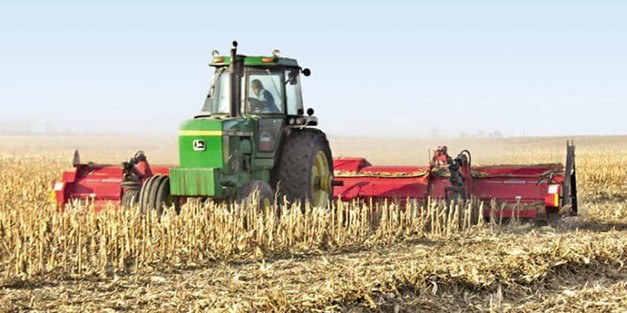
A row crop cultivator is built for between-row precision

At its core, a row crop cultivator is designed to manage weeds and soil between planted rows without disturbing the crop itself. Shanks, sweeps, and shields are positioned to cut weeds at the root zone. Guidance systems help keep the tool centered. Depth control keeps the crop safe. The goal isn’t to tear up the field. It’s targeted disturbance.

Modern units fall under the broader category of row cultivators. They’re engineered to handle varying row widths, higher speeds, and heavier residue loads than older models ever could. That matters in corn and soybean systems where surface material sticks around longer. This isn’t blind tillage. It’s controlled, row-specific work.


When weeds push past your spray program

There are seasons when pre-emerge and post programs line up perfectly. There are others when rain delays applications or resistant weeds break through. That’s when a row crop cultivator earns its keep.

Mechanical weed control gives you a second chance. It cuts off small weeds before they compete for light, nutrients, and moisture. It can also reduce the need for additional passes with chemistry later in the season.

Growers who’ve dealt with herbicide resistance know this isn’t theoretical. Waterhemp and pigweed don’t wait. Cultivation puts steel where chemistry falls short.


Mechanical weed control still has a place

The conversation around mechanical weed control usually gets framed as old versus new. That misses the point. Many progressive operations now blend both approaches.

Running a cultivator once or twice during early growth stages can lighten chemical load and reduce selection pressure. It also gives you another tool when weather disrupts spray timing.

This is where a well-set row crop cultivator fits into a broader strategy. It’s not about replacing one system with another. It’s about layering methods so you’re not dependent on a single solution.


Soil benefits you notice over time

Cultivation doesn’t just cut weeds. It also breaks surface crust, improves air exchange in the top layer, and helps rainfall move into the root zone instead of running off.

In tighter soils, shallow passes can reduce compaction in the upper profile. In wetter springs, that can mean faster soil warmup. Over time, those small improvements stack up.

The key is restraint. Deep, aggressive tillage causes its own problems. A properly adjusted row crop cultivator works shallow and controlled. It manages the top layer without undoing conservation practices underneath.

.

row crop cultivator

.

Matching the tool to corn and soybeans

Corn and soybeans respond differently to cultivation timing. Corn usually tolerates slightly more soil movement around the base. Soybeans need more care early on.

That’s why setup matters. Many growers rely on equipment developed by experienced cultivator manufacturers who design row units that balance clearance with protection. Adjustable shields, gauge wheels, and parallel linkage systems all play a role.

If you’re working with a local row crop cultivator dealer, ask about row spacing compatibility, residue handling capacity, and recommended travel speeds. A mismatch between machine and crop is where most problems begin.


High-residue fields change the equation

No-till and strip-till systems leave more residue on the surface. That residue protects soil but complicates cultivation.

Modern designs from experienced row cultivator manufacturers address that challenge with heavier frames and residue-cutting attachments. The idea is to clear a narrow path between rows without disturbing protected zones.

Older cultivators struggled in these systems. Newer builds are different. They’re designed to work with conservation practices, not against them.


Timing is everything

The best results come when weeds are small. Waiting until they’re visible from the road usually means you’ve waited too long.

Most growers plan cultivation passes early, often when crops are a few inches tall and root systems are established. Travel speed matters too. Too fast and you throw soil into the row. Too slow and efficiency drops.

Watching soil moisture is just as important. Wet soil smears. Overly dry soil doesn’t cut cleanly. The right window makes the difference between a clean field and a frustrating afternoon.


When a row crop cultivator makes the most sense

You’ll get the most value from a row crop cultivator in a few common situations:

  • Fields with known herbicide-resistant weeds
  • Operations reducing overall chemical use
  • Wet springs that delay spray timing
  • High-value crops where weed competition cuts yield quickly
  • Rotations that benefit from light soil disturbance

It’s not a tool you run out of habit. It’s a tool you deploy with purpose. Growers who build cultivation into their system tend to treat it as part of a plan, not a reaction. They budget time for it. They adjust equipment carefully. They monitor results.

That mindset is what separates clean, consistent fields from ones that always feel a step behind.


It’s not about going backward

There’s a misconception that using cultivation means abandoning modern farming. That view ignores how far equipment has come.

Today’s row crop cultivator integrates with precision guidance. Row units float independently. Depth settings stay consistent across uneven ground. Operators monitor performance from the cab instead of guessing from the seat.

It’s steel, yes. But it’s steel informed by decades of field experience and updated engineering. Cultivation isn’t a step backward. For many farms, it’s a practical way to regain control.


FAQ

Is a row crop cultivator only useful for organic farms?
No. Conventional operations use them to manage resistant weeds and reduce reliance on additional herbicide passes.

How many passes are typical in a season?
Many growers run one to two passes early in the crop cycle, depending on weed pressure and weather conditions.

Will cultivation hurt yields?
When timed and adjusted correctly, it protects yield by reducing competition. Poor timing or setup can cause crop injury, which is why calibration and field checks matter.


Tired of Fighting Your Farm Equipment? Let’s Make It Easier.

.

.

Reach out to us online at Hiniker to fill out a form or call us at 507-625-6621 

We are here to assist you with all your farm equipment needs.  We carry the latest equipment, whether it’s cultivators, cover crop seeders, rate controllers, shredders, windrowers, or a forage chopper.

Find your Hiniker Dealer today to find out more about our amazing agricultural equipment. 

You can also follow us on Facebook for the latest news and updates. 
What Equipment Is Used in Farming to Plant Cover Crops Between Rows?

.

Inter Row Seeder

.

Cover crops have moved from a side practice to a core part of how many farms manage soil. They protect structure. Reduce erosion. Improve nutrient retention. But planting them introduces a new challenge.

Fields are already planted.

That reality changes everything. You cannot tear things up. You cannot disturb root zones. You cannot wait until after harvest if timing matters.

This is where specialized equipment becomes necessary. And why the inter row seeder has become such an important tool in modern farming systems.


Cover crop planting is about timing, not convenience

The value of a cover crop often depends on when it is planted. Earlier establishment means more growth. More root development. More benefit before winter.

Waiting until after harvest limits that window.

Inter row seeding equipment has planting that allows cover crops to be established while the main crop is still growing. That overlap changes how equipment must operate. Precision matters more than power.

This is not a job for general seeding tools.


Why inter row seeders exist

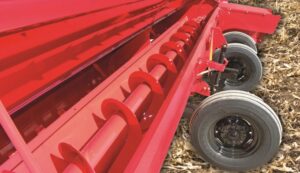
An inter row seeder places seed between existing crop rows without contacting the crop itself. That requires accurate spacing, stable tracking, and consistent depth control.

The goal is not speed. The goal is placement.

An inter row seeder allows cover crops to begin growing earlier without interfering with yield. That early start often makes the difference between a cover crop that establishes and one that struggles.

This approach works because it respects the existing crop instead of working around it later.


How cover crop seeders differ from planters

Traditional planters are designed for bare or prepared soil. They assume open ground and predictable conditions.

A cover crop seeder operates in standing crops. Residue is present. Roots are active. Space is limited.

That is why cover crop seeders are built differently. They focus on shallow placement. Minimal disturbance. Consistent spacing.

Instead of resetting the field, they add to it.


Interseeding requires a lighter touch

Interseeding is not about force. It is about timing and control.

A cover crop interseeder places seed in a narrow zone where it can establish without competing directly with the main crop. That placement reduces stress on both crops.

This method also avoids soil disruption that could introduce weeds or moisture loss.

Interseeding works because it is deliberate, not aggressive.

.

Inter Row Seeder

.

Equipment must adapt to changing conditions

Fields are not uniform. Crop height varies. Residue varies. Soil firmness changes.

Cover crop seeding equipment has to handle those variables without constant adjustment.

That is why modern cover crop seeding equipment focuses on consistent performance rather than complexity. The fewer corrections an operator has to make, the more reliable establishment becomes.

Reliability matters because inter-row seeding windows are short.


What an inter row seeder does not replace

An inter row seeder is not a primary planting tool. It does not replace a planter. It does not prepare soil.

It supplements the system.

Its role is to extend the growing season for cover crops without disrupting the main crop. Expecting it to do more than that creates frustration.

Used correctly, it fills a very specific gap.


Why earlier cover crop establishment matters

Cover crops planted earlier develop stronger root systems. They capture nutrients more effectively. They provide better soil coverage going into winter.

That earlier establishment often determines whether a cover crop delivers real benefits or just checks a box.

Inter-row seeding makes that timing possible without waiting for harvest.

That is why more farms are integrating this equipment into their systems instead of treating cover crops as an afterthought.


Precision matters more than horsepower

Cover crop seeding is not about pulling power. It is about placement accuracy.

Too deep and seeds struggle. Too shallow and establishment suffers. Too close to the row and competition increases.

An inter row seeder balances those factors. It places seed where conditions are most favorable.

That precision is what separates effective cover cropping from inconsistent results.


Where cover crop seeders fit long term

As soil health becomes a larger focus, cover crops are becoming more consistent across rotations.

That consistency requires equipment that fits into normal field operations rather than interrupting them.

Cover crop seeders allow that integration. They operate during the growing season. They respect existing crops. They support long-term planning.

That makes them part of the system, not an add-on.


Why specialized equipment matters here

Trying to force cover crop planting with general equipment usually leads to compromised results.

Uneven placement. Poor emergence. Missed windows.

Specialized cover crop equipment exists because the job requires it. It solves a problem that cannot be solved well any other way.

That practicality is why inter-row seeders are gaining traction.


FAQ

What equipment is used to plant cover crops between rows?
Inter row seeders are designed specifically for that purpose.

What is the difference between a cover crop seeder and a planter?
Cover crop seeders operate in standing crops and minimize soil disturbance.

When is interseeding used?
When earlier cover crop establishment is needed before harvest.

Does interseeding affect the main crop?
When done correctly, it does not.

Are cover crop seeders becoming more common?
Yes, as cover cropping becomes a standard soil management practice.


Tired of Fighting Your Farm Equipment? Let’s Make It Easier.

Inter Row Seeder

Reach out to us online at Hiniker to fill out a form or call us at 507-625-6621 

We are here to assist you with all your farm equipment needs. We carry the latest equipment, whether it’s cultivators, cover crop seeders, rate controllers, shredders, windrowers, or a forage chopper.

Find your Hiniker Dealer today to find out more about our amazing agricultural equipment. 

You can also follow us on Facebook for the latest news and updates. 
 

What Are the Different Types of Farm Machinery Used for Forage Harvesting?

Flail Forage Harvester

Forage harvesting does not get talked about as much as planting or grain harvest, but it shapes how feed performs long after the field is finished.

Timing matters. Cut quality matters. Consistency matters. When forage is handled poorly, the effects show up later in storage, feed quality, and animal performance.

That is why forage equipment is not interchangeable. Different machines handle different crops and conditions. Choosing the right one changes outcomes.

One of the more specialized tools in this category is the flail forage harvester. It fills a role that standard forage machines do not always handle well.


Forage harvesting is about consistency, not speed

Harvesting forage is not just about getting material off the field quickly. It is about cutting, conditioning, and sizing material in a way that preserves quality.

Uneven cut lengths create storage issues. Inconsistent processing affects feed intake. Overly aggressive harvesting can damage plants meant to regrow.

This is why forage harvesting equipment focuses on repeatable results instead of raw output.

Machines are chosen based on how they treat material, not just how fast they move.


Where flail forage harvesters fit

A Stover chopper uses rotating flails to cut and process forage. Instead of slicing material once, it conditions it as it moves through the machine.

This creates more uniform cut material and helps manage crops that are tougher or more fibrous.

That design makes a flail forage harvester especially useful in situations where crop condition varies across the field. Instead of relying on a single cutting action, the machine adapts as material passes through.

The result is consistency, even when field conditions are not ideal.


How flail forage harvesters differ from other systems

Traditional forage machines often rely on knives or choppers that cut material cleanly and move it quickly.

A forage harvester is efficient when crops are uniform and conditions are predictable. When they are not, performance can vary.

Flail-based systems process material more thoroughly. They reduce variability by conditioning forage rather than simply cutting it.

That difference matters in mixed stands, wetter crops, or conditions where uniformity is harder to maintain.


Flail forage harvesters versus forage choppers

Forage choppers are built for throughput. They move material fast and prepare it for storage efficiently when conditions are right.

A forage chopper works best when crop conditions are consistent and timing is precise.

Flail forage harvesters are more forgiving. They handle variability better. They condition material more evenly. They allow operators to maintain quality when ideal conditions are harder to find.

This does not make one machine better than the other. It makes them suited for different situations.

.

Flail Forage Harvester

.

Manufacturers design for specific forage needs

Not all flail forage harvesters are built the same. Design choices affect how the machine handles material, how evenly it cuts, and how it performs over time.

This is where flail forage harvester manufacturers focus their attention. Rotor design. Flail configuration. Housing strength. All of it shapes how forage is processed.

These machines are built to handle repeated use in demanding conditions. Durability matters because forage harvest windows are tight and downtime is costly.


Dealer support matters with forage equipment

Forage equipment does not operate in isolation. Setup, adjustment, and maintenance all affect performance.

That is where flail forage harvester dealers play an important role. They help match equipment to crop types and operating conditions. They also support adjustments that improve cut quality.

Proper setup often makes the difference between acceptable forage and consistent forage.


When a flail forage harvester is the right choice

Flail forage harvesters are often chosen when forage quality matters more than raw speed.

Operations that deal with variable crops. Mixed stands. Or changing moisture conditions benefit from the conditioning action these machines provide.

They are also useful where regrowth matters. Conditioning material without excessive damage helps preserve plant health for subsequent cuts.

In these situations, consistency becomes the priority.


What flail forage harvesters are not designed to do

Flail forage harvesters are not built for every forage job.

They are not meant to replace high-capacity choppers in large-scale silage operations where speed is the primary concern.

They are also not designed to handle grain harvest or heavy residue management.

Understanding where they fit prevents unrealistic expectations.


Why flail forage harvesters remain relevant

As forage systems become more diverse, equipment needs become more specific.

Flail forage harvesters address a niche that continues to exist. They provide control where conditions are inconsistent and quality cannot be compromised.

That role has not disappeared. If anything, it has become more important as forage management becomes more precise.


FAQ

What is a flail forage harvester used for?
It is used to cut and condition forage evenly, especially in variable field conditions.

How is a flail forage harvester different from a forage chopper?
It conditions material more thoroughly and handles variability better.

Are flail forage harvesters slower than choppers?
They may prioritize consistency over speed, depending on conditions.

Who should use a flail forage harvester?
Operations focused on forage quality and uniform processing.

Do flail forage harvesters require special setup?
Yes. Proper adjustment improves cut quality and performance.


Tired of Fighting Your Farm Equipment? Let’s Make It Easier.

.

.

Reach out to us online at Hiniker to fill out a form or call us at 507-625-6621 

We are here to assist you with all your farm equipment needs.  We carry the latest equipment, whether it’s cultivators, cover crop seeders, rate controllers, shredders, windrowers, or a forage chopper.

Find your Hiniker Dealer today to find out more about our amazing agricultural equipment. 

You can also follow us on Facebook for the latest news and updates. 
What Is the Main Tool Used by a Farmer to Control Application Rates?

.

Anhydrous Ammonia Rate Controller

.

When people ask what the main tool used by a farmer is, they usually expect a simple answer. A tractor. A planter. Something large and visible.

In practice, some of the most important tools on a farm are the ones you barely notice until something goes wrong. Rate control equipment fits squarely in that category.

It does not move soil. It does not harvest crops. But it determines how accurately inputs are applied. And accuracy affects cost, consistency, and outcomes across an entire operation.

That is why anhydrous ammonia rate controllers have become a core piece of modern farming equipment, especially where nitrogen application matters.


Control matters more than movement

Modern farming depends on precision. Not just where inputs are placed, but how much is applied and when.

Too much application wastes product and risks damage. Too little creates uneven growth and reduced yields. Manual adjustment cannot keep up with changing conditions across a field.

Rate controllers solve that problem by regulating flow automatically. They respond to speed changes. They adjust output. They keep application consistent.

That consistency is what turns them into a primary tool rather than a secondary accessory.


Where rate controllers fit into real operations

Rate controllers are most often associated with nutrient application. Anhydrous ammonia. Liquid fertilizer. Other inputs that require controlled delivery.

During application, conditions change constantly. Speed varies. Terrain changes. Equipment loads shift.

Without rate control, application rates drift. Operators of NH3 ammonia rate controllers compensate manually, but small delays add up quickly.

This is why automatic rate controllers are relied on so heavily. They manage adjustments faster than an operator can react.

.

Anhydrous Ammonia Rate Controller

.

Anhydrous ammonia requires precise control

Anhydrous ammonia application leaves very little room for error.

Flow rates must remain stable. Pressure changes matter. Safety is a constant concern.

That is why anhydrous ammonia rate controllers are designed specifically for this environment. They regulate flow consistently and respond quickly to changes in speed or load.

In these systems, the controller is not optional. It is the difference between controlled application and variability.


Monitoring supports control

Control systems rely on feedback.

Flow monitors and line monitors confirm that material is moving as expected. They catch blockages. They detect inconsistencies. They provide data operators can trust.

This is where the anhydrous flow monitor and NH3 flow monitor support the controller itself. Without monitoring, control becomes guesswork.

Together, these components create a system that responds instead of reacts.


Knife monitors protect consistency

Application does not stop at the main line. Distribution matters.

Knife monitors track flow at individual outlets. They confirm that material reaches each injection point evenly.

Anhydrous ammonia knife monitors helps identify problems before they affect an entire field. A single plugged knife can create long streaks of under-application if it goes unnoticed.

This level of detail reinforces why rate control systems are considered core tools rather than add-ons.


Automatic control reduces operator workload

Farming already demands attention in many directions at once. Watching rate gauges manually adds stress and increases the chance of error.

Automatic rate controllers remove that burden. They handle adjustments in the background while operators focus on navigation and field conditions.

This does not remove responsibility. It reduces fatigue and improves consistency.

Over long application days, that difference matters.


Rate controllers adapt as operations scale

As farms grow, application windows tighten. More acres must be covered in less time.

Manual systems struggle under that pressure. Small errors compound quickly.

Automatic systems scale more easily. They maintain accuracy regardless of speed changes or field variation.

This scalability is why rate controllers become more important as operations expand.


What rate controllers do not replace

Anhydrous ammonia rate controllers do not make decisions. They execute them.

Application plans still matter. Calibration still matters. Equipment maintenance still matters.

Controllers support good planning. They do not fix poor setup.

Understanding that relationship keeps expectations realistic and performance consistent.


Why rate controllers are considered a main tool

The most important tools on a farm are not always the ones that move the most dirt.

They are the ones that protect inputs. Maintain consistency. Reduce variability.

Rate controllers do all three.

In nutrient application, accuracy directly affects cost and performance. That makes rate control equipment foundational, even if it stays out of sight.


FAQ

What is the main tool used by a farmer for accurate application?
Anhydrous ammonia rate controllers manage input flow and maintain consistent application.

Are automatic rate controllers necessary?
They are essential where application accuracy matters and conditions change.

Why is monitoring important with rate controllers?
Monitoring confirms that material is flowing evenly and catches problems early.

Do rate controllers replace operator judgment?
No. They support decisions but do not replace planning or calibration.

Are rate controllers used only for anhydrous ammonia?
No, but they are especially critical in anhydrous systems.


Tired of Fighting Your Farm Equipment? Let’s Make It Easier.

Anhydrous Ammonia Rate Controllers

Reach out to us online at Hiniker to fill out a form or call us at 507-625-6621 

We are here to assist you with all your farm equipment needs.  We carry the latest equipment, whether it’s cultivators, cover crop seeders, rate controllers, shredders, windrowers, or a forage chopper.

Find your Hiniker Dealer today to find out more about our amazing agricultural equipment. 

You can also follow us on Facebook for the latest news and updates. 
What Is the Most Common Farm Equipment Used to Control Growth and Residue?


.Flail Mowers

.

When people think about common farm equipment, they usually name the big machines first. Tractors. Combines. Planters. The equipment that shows up in photos and headlines.

But some of the most frequently used equipment never gets that attention. It gets hooked up quietly. Used regularly. And put away without much thought.

Growth control equipment falls into that category.

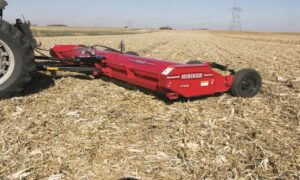
Across many operations, flail mowers end up being one of the most commonly used tools simply because growth never stops. Fields change. Edges fill in. Residue builds. And someone has to deal with it before it becomes a bigger issue.

That makes mowing and shredding equipment part of everyday farming, not just seasonal work.


Growth control shows up more often than people expect

Grass does not wait for planting season. Residue does not disappear on its own. Even fields that are out of rotation still need attention.

This is why growth control equipment gets used across the entire year. Not constantly, but consistently.

Flail mowers are common because they are flexible. They handle light growth. They handle uneven areas. They condition material instead of just knocking it down.

That versatility is what turns them into a “most used” machine over time.


Why flail mowers are so common

A flail mower does not rely on a single cut. It processes material as it moves through the housing. That creates shorter, more uniform residue.

That matters when mowed areas sit next to active fields. It matters when material needs to break down instead of piling up. It matters when mowing is done repeatedly through the season.

This is why farms often rely on flail mower manufacturers that focus on durability and balance. Equipment that gets used often needs to hold up without constant adjustment.

Reliability becomes more important than speed.

.

Flail Mowers

..

Common does not mean basic

Because flail mowers are common, they sometimes get treated like simple equipment. In reality, design choices matter.

Rotor balance affects vibration. Flail design affects cut quality. Housing strength affects how well material is contained.

These details determine whether mowing stays efficient or becomes frustrating.

A common piece of equipment still needs to be well-built to stay useful.


How flail mowers connect to shredders

Flail mowers handle lighter growth and routine maintenance. Shredders take over when residue volume increases.

After harvest, fields change. Corn stalks. Heavy residue. Material that mowing equipment is not designed to handle efficiently.

That is where flail shredders become common. As a flail shredder manufacturer, we know that shredders process heavier material and leave fields more manageable for the next season.

Both machines may use similar cutting principles, but they solve different problems at different times.

This overlap is why farms often own or use both.


When high capacity becomes necessary

As acreage increases, so does pressure on timing.

Residue management that takes too long creates delays later. Planting windows shrink. Soil conditions change.

In these situations, farms look at high capacity flail shredders to handle heavy material efficiently. These machines are built for throughput, not just cutting.

They are not everyday tools for every farm, but where residue volume is high, they become common quickly.


Windrowers change how residue is handled

Not all residue stays in the field.

Some operations remove material for bedding or other uses. Others need fields cleared for specific management practices.

That is where windrowers come in. Instead of spreading residue, they gather it.

Windrowers are less common than mowers or shredders, but in the operations that use them, they are essential. They change residue strategy entirely.

Common equipment depends on the system, not just popularity.


Why flail mowers keep showing up year after year

The reason flail mowers remain common is simple. They solve a recurring problem.

Growth needs control. Residue needs management. Fields need to stay accessible.

Flail mowers handle that without creating new issues. They cut evenly. They spread material. They work in many areas where other equipment struggles.

That makes them a dependable choice rather than a specialized one.


What flail mowers do not replace

Even though they are common, flail mowers do not replace other equipment.

They do not take the place of shredders in heavy residue. They do not eliminate the need for windrowers when material must be removed. They do not prepare soil.

They fit into the system as a maintenance tool. A consistent one.

Understanding that role keeps expectations realistic and results predictable.


Why “most common” depends on frequency, not size

The most common farm equipment is often the equipment that gets hooked up most times in a year.

Mowing equipment fits that definition. It is used before problems grow. It is used between seasons. It is used where other machines do not go.

That is why flail mowers often end up being one of the most frequently used tools on a farm, even if they are not the biggest or most expensive.


FAQ

What is the most common farm equipment used for growth control?
Flail mowers are commonly used for routine growth and vegetation management.

Are flail mowers used more often than shredders?
Yes, because they handle lighter, more frequent tasks throughout the year.

When do farms switch from mowing to shredding?
Usually after harvest, when residue volume increases.

Do windrowers replace shredders?
No. They collect residue instead of spreading it.

Why does capacity matter in residue equipment?
Higher capacity reduces time pressure and keeps schedules on track.


Tired of Fighting Your Farm Equipment? Let’s Make It Easier.

Flail Mowers

Reach out to us online at Hiniker to fill out a form or call us at 507-625-6621 

We are here to assist you with all your farm equipment needs.  We carry the latest equipment, whether it’s cultivators, cover crop seeders, rate controllers, shredders, windrowers, or a forage chopper.

Find your Hiniker Dealer today to find out more about our amazing agricultural equipment. 

You can also follow us on Facebook for the latest news and updates.