



.
.
If you’ve ever watched a field turn weedy in what feels like a week, you already know timing matters. Herbicides help. So does crop rotation. But when weeds slip through or chemical programs get tighter, the tool that steps back into the spotlight is the row crop cultivator.
A lot of growers think of cultivation as something their grandparents did. Steel in the ground. Slow passes. Dust behind the tractor. That picture is outdated. Modern machines are built for speed, residue, and accuracy. They’re designed to work in real-world conditions, not postcard fields.
So what exactly is a row crop cultivator, and when does it make sense to run one?
A row crop cultivator is built for between-row precision
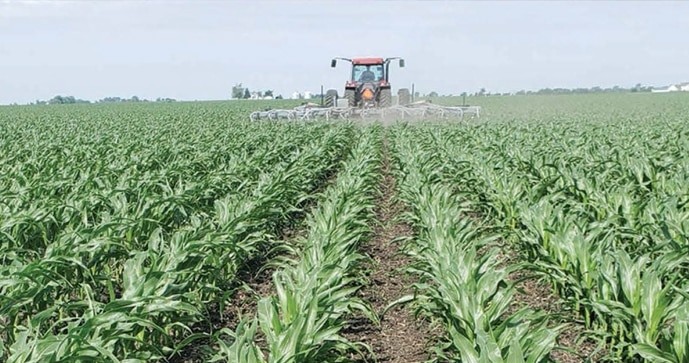
At its core, a row crop cultivator is designed to manage weeds and soil between planted rows without disturbing the crop itself. Shanks, sweeps, and shields are positioned to cut weeds at the root zone. Guidance systems help keep the tool centered. Depth control keeps the crop safe. The goal isn’t to tear up the field. It’s targeted disturbance.
Modern units fall under the broader category of row cultivators. They’re engineered to handle varying row widths, higher speeds, and heavier residue loads than older models ever could. That matters in corn and soybean systems where surface material sticks around longer. This isn’t blind tillage. It’s controlled, row-specific work.
When weeds push past your spray program
There are seasons when pre-emerge and post programs line up perfectly. There are others when rain delays applications or resistant weeds break through. That’s when a row crop cultivator earns its keep.
Mechanical weed control gives you a second chance. It cuts off small weeds before they compete for light, nutrients, and moisture. It can also reduce the need for additional passes with chemistry later in the season.
Growers who’ve dealt with herbicide resistance know this isn’t theoretical. Waterhemp and pigweed don’t wait. Cultivation puts steel where chemistry falls short.
Mechanical weed control still has a place
The conversation around mechanical weed control usually gets framed as old versus new. That misses the point. Many progressive operations now blend both approaches.
Running a cultivator once or twice during early growth stages can lighten chemical load and reduce selection pressure. It also gives you another tool when weather disrupts spray timing.
This is where a well-set row crop cultivator fits into a broader strategy. It’s not about replacing one system with another. It’s about layering methods so you’re not dependent on a single solution.
Soil benefits you notice over time
Cultivation doesn’t just cut weeds. It also breaks surface crust, improves air exchange in the top layer, and helps rainfall move into the root zone instead of running off.
In tighter soils, shallow passes can reduce compaction in the upper profile. In wetter springs, that can mean faster soil warmup. Over time, those small improvements stack up.
The key is restraint. Deep, aggressive tillage causes its own problems. A properly adjusted row crop cultivator works shallow and controlled. It manages the top layer without undoing conservation practices underneath.
.
.
Matching the tool to corn and soybeans
Corn and soybeans respond differently to cultivation timing. Corn usually tolerates slightly more soil movement around the base. Soybeans need more care early on.
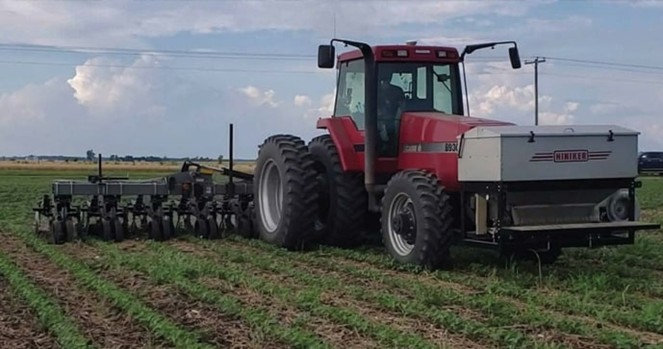
That’s why setup matters. Many growers rely on equipment developed by experienced cultivator manufacturers who design row units that balance clearance with protection. Adjustable shields, gauge wheels, and parallel linkage systems all play a role.
If you’re working with a local row crop cultivator dealer, ask about row spacing compatibility, residue handling capacity, and recommended travel speeds. A mismatch between machine and crop is where most problems begin.
High-residue fields change the equation
No-till and strip-till systems leave more residue on the surface. That residue protects soil but complicates cultivation.
Modern designs from experienced row cultivator manufacturers address that challenge with heavier frames and residue-cutting attachments. The idea is to clear a narrow path between rows without disturbing protected zones.
Older cultivators struggled in these systems. Newer builds are different. They’re designed to work with conservation practices, not against them.
Timing is everything
The best results come when weeds are small. Waiting until they’re visible from the road usually means you’ve waited too long.
Most growers plan cultivation passes early, often when crops are a few inches tall and root systems are established. Travel speed matters too. Too fast and you throw soil into the row. Too slow and efficiency drops.
Watching soil moisture is just as important. Wet soil smears. Overly dry soil doesn’t cut cleanly. The right window makes the difference between a clean field and a frustrating afternoon.
When a row crop cultivator makes the most sense
You’ll get the most value from a row crop cultivator in a few common situations:
- Fields with known herbicide-resistant weeds
- Operations reducing overall chemical use
- Wet springs that delay spray timing
- High-value crops where weed competition cuts yield quickly
- Rotations that benefit from light soil disturbance
It’s not a tool you run out of habit. It’s a tool you deploy with purpose. Growers who build cultivation into their system tend to treat it as part of a plan, not a reaction. They budget time for it. They adjust equipment carefully. They monitor results.
That mindset is what separates clean, consistent fields from ones that always feel a step behind.
It’s not about going backward
There’s a misconception that using cultivation means abandoning modern farming. That view ignores how far equipment has come.
Today’s row crop cultivator integrates with precision guidance. Row units float independently. Depth settings stay consistent across uneven ground. Operators monitor performance from the cab instead of guessing from the seat.
It’s steel, yes. But it’s steel informed by decades of field experience and updated engineering. Cultivation isn’t a step backward. For many farms, it’s a practical way to regain control.
FAQ
Is a row crop cultivator only useful for organic farms?
No. Conventional operations use them to manage resistant weeds and reduce reliance on additional herbicide passes.
How many passes are typical in a season?
Many growers run one to two passes early in the crop cycle, depending on weed pressure and weather conditions.
Will cultivation hurt yields?
When timed and adjusted correctly, it protects yield by reducing competition. Poor timing or setup can cause crop injury, which is why calibration and field checks matter.
Tired of Fighting Your Farm Equipment? Let’s Make It Easier.
.

.
Reach out to us online at Hiniker to fill out a form or call us at 507-625-6621
We are here to assist you with all your farm equipment needs. We carry the latest equipment, whether it’s cultivators, cover crop seeders, rate controllers, shredders, windrowers, or a forage chopper.
Find your Hiniker Dealer today to find out more about our amazing agricultural equipment.
You can also follow us on Facebook for the latest news and updates.