



.
.
Every grower has asked this at some point: should you rely on chemistry, or bring steel back into the field? Herbicides changed agriculture. They saved time. They reduced labor. They allowed farms to scale. But resistance issues, input costs, and regulatory pressure have forced many operations to rethink how they manage weeds.
That’s where the conversation shifts back to the cultivator. The question isn’t old versus new. It’s control versus dependence. And most modern farms are discovering the answer sits somewhere in the middle.
What a Cultivator actually does in today’s fields
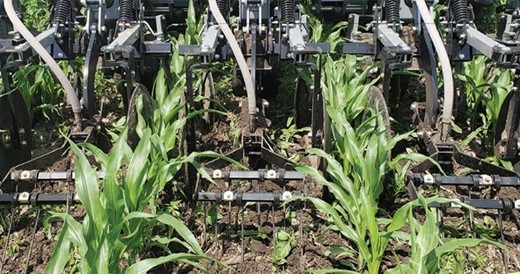
A modern cultivator isn’t the slow, heavy tool people remember from decades ago. Today’s machines are built for speed, row precision, and residue management. They target weeds between rows without tearing up the crop root zone.
Mechanical weed control works by uprooting small weeds before they establish. Timing matters. Soil conditions matter. Setup matters.
But when dialed in, it removes weeds physically. No resistance. No drift. No waiting on spray windows. That reliability is why many farms are reconsidering how cultivation fits into their system.
Herbicides still do a lot of heavy lifting
There’s no denying herbicides changed weed management. Pre-emerge and post programs reduce early competition and protect yield during critical growth stages.
For large acre operations, chemistry remains efficient. It covers ground quickly and doesn’t depend on soil dryness in the same way mechanical passes do.
The issue shows up when weeds adapt. Resistant pigweed and waterhemp don’t respond the way they once did. Layering modes of action helps, but it doesn’t solve everything. That’s where adding a cultivator back into rotation starts to make sense.
Cost is not as simple as it looks
Spray programs seem cheaper on paper. Fuel, chemical, labor. Done. But look closer. Multiple passes. Increased rates. New products. Resistance management strategies. Those expenses stack up.
Mechanical cultivation carries equipment cost and fuel usage. Yet it can reduce the number of chemical applications across a season.
Many operations now balance the two. A single cultivation pass can replace a late rescue spray. That shift alone changes the math.
Where mechanical weed control shines
Mechanical control works best when weeds are small and fields are accessible. It’s especially effective in wide-row crops where spacing allows accurate passes.
Growers using a properly adjusted row cultivator often find that one early pass keeps fields clean long enough to protect yield without stacking additional chemistry.
This is especially relevant in organic systems. Farms running certified programs rely on organic cultivators as their primary line of defense. There is no chemical fallback. But even conventional farms are borrowing lessons from organic management and blending strategies.
.
.
Speed and residue changed the conversation
One reason cultivation faded in some regions was speed. Older machines couldn’t keep up with large acreage demands.
That’s changed. Modern high speed cultivators operate efficiently without sacrificing accuracy. Improved guidance systems help maintain row alignment. Better residue handling allows passes in conservation systems. These improvements mean a cultivator no longer forces growers to sacrifice efficiency for control.
Dealer support matters more than ever
Equipment only works if it’s set correctly. Row spacing, sweep choice, depth control, and shielding all effect crop safety.
Working with experienced cultivator dealers helps prevent common mistakes like root pruning or soil throw into the crop row. Setup guidance often determines whether cultivation feels like a headache or a reliable solution.
Manufacturing quality plays a role too. Established cultivator manufacturers design frames that stay consistent across uneven ground, reducing variability from row to row. Precision isn’t optional anymore. It’s expected.
So which is better?
If you’re looking for a simple answer, there isn’t one. Herbicides provide broad coverage and early protection. Mechanical weed control provides physical removal and resistance management. A cultivator doesn’t eliminate chemistry. It complements it.
The farms seeing the best results aren’t choosing one side. They’re combining methods to avoid overreliance on either.
Resistant weeds don’t care about tradition. They respond to pressure. Mixing approaches reduces that pressure. And that’s the real shift happening across modern agriculture.
FAQs
Is mechanical weed control replacing herbicides?
No. Most farms use both. Mechanical passes reduce reliance but rarely eliminate spray programs entirely.
Does cultivation hurt yields?
When properly timed and adjusted, it protects yield by removing competition. Poor timing can cause crop damage, which is why calibration matters.
Is a Cultivator practical for large operations?
With modern high-speed designs and guidance systems, cultivation fits into large-acre programs more easily than it did years ago.
Tired of Fighting Your Farm Equipment? Let’s Make It Easier.
.

.
Reach out to us online at Hiniker to fill out a form or call us at 507-625-6621
We are here to assist you with all your farm equipment needs. We carry the latest equipment, whether it’s cultivators, cover crop seeders, rate controllers, shredders, windrowers, or a forage chopper.
Find your Hiniker Dealer today to find out more about our amazing agricultural equipment.
You can also follow us on Facebook for the latest news and updates.