


.
Residue management doesn’t stop at cutting stalks. Placement matters just as much as sizing. After harvest, fields can look uneven. Heavy stalk buildup in some areas. Thin coverage in others. That inconsistency affects soil temperature, planter performance, and early growth next season.
This is where windrowers start to make sense. They don’t just cut residue. They move it with purpose.
How windrowers improve residue placement
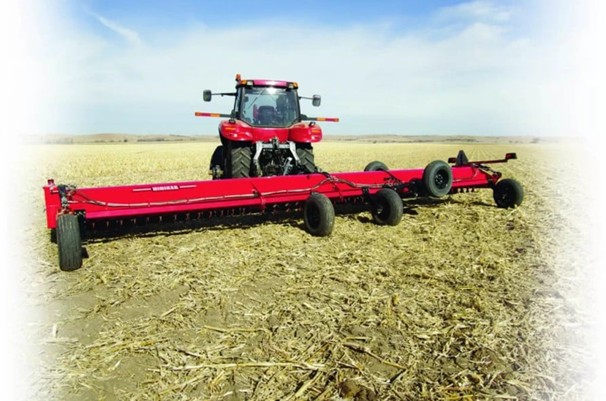
Unlike standard shredding equipment, windrowers concentrate crop residue into defined rows. Instead of scattering material randomly, they guide it into organized windrows.
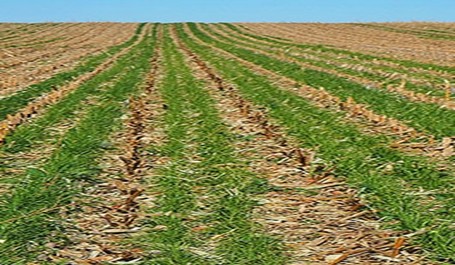
That controlled placement leaves cleaner strips where next year’s crop will be planted. The seed zone warms faster. Planter openers move through soil with less resistance.
At the same time, residue remains between rows to protect against erosion and moisture loss. It’s targeted management, not removal.
Why placement matters more than many realize
Heavy corn-on-corn systems generate significant residue volume. If that material sits directly over the seed zone, early emergence can slow.
A properly configured shredder windrower sizes stalks while directing them away from the row. The result is more uniform spring conditions.
Many growers have found that managing residue direction reduces the need for aggressive tillage passes later. Instead of disturbing the entire field, you control where the residue sits.
Combining shredding and windrowing in one pass
Running separate tools costs time. Integrated systems simplify the process.
Modern flail windrowers break down residue and align it in a single operation. Flail action sizes the material. Internal baffles or discharge systems guide it into rows.
That combination keeps operations efficient while improving consistency across acres. Fields that receive uniform residue placement tend to show steadier early growth patterns.
Equipment support matters
Setup and calibration determine performance. Working with a reliable windrower dealer helps avoid uneven discharge patterns or incorrect spacing.
Manufacturing design plays a role as well. An experienced windrower manufacturer builds frames that stay stable across uneven terrain. Consistent alignment keeps windrows predictable from pass to pass.
Residue management depends on precision, not guesswork.
When windrowing makes the most sense
Not every field requires concentrated residue. Lower-yield soybean ground may not justify the extra pass.
Fields with heavy corn residue or continuous cropping systems benefit most. In those environments, windrowers create cleaner planting strips without stripping away surface cover entirely. That balance protects soil structure while improving row conditions.
.
.
Windrowing shredder systems in conservation setups
Conservation systems aim to reduce soil disturbance. Full-width tillage often conflicts with that goal. A properly adjusted windrowing shredder manages surface material without turning soil over. Residue remains on top, just repositioned.
That small shift can reduce spring field prep intensity. Many growers report fewer secondary passes once residue is placed correctly in the fall.
Long-term benefits of consistent placement
Residue strategy isn’t about one season. Over time, predictable residue placement supports more uniform soil conditions.
Fields managed with windrowers tend to show consistent planter performance year after year. Reduced bunching means fewer cold spots and fewer uneven emergence areas.
The improvement isn’t dramatic in a single pass. It builds over seasons. That consistency is what most growers are after.
Planning residue strategy before harvest even starts
The best residue management decisions usually aren’t made after harvest. They’re made before the combine enters the field.
Hybrid selection, plant population, and yield expectations all influence how much material will be left behind. Higher yields mean heavier residue loads. If you already know a field tends to produce thick stalk volume, planning a windrowing pass early prevents spring frustration.
Equipment width should match harvest patterns. Overlapping passes or inconsistent travel lines can lead to uneven buildup. Operator consistency matters just as much as machine design.
Weather also plays a role. Dry fall conditions allow cleaner cutting and more consistent placement. Wet residue tends to clump and resist uniform flow through the machine. Monitoring field conditions helps avoid uneven discharge.
Growers who treat residue management as part of the full crop cycle — not a cleanup step — tend to see smoother planting seasons. They spend less time correcting uneven emergence and fewer hours adjusting planter settings.
It’s a small planning adjustment in the fall that prevents larger corrections in the spring.
FAQs
Do windrowers remove residue from the field?
No. They reposition it. Surface protection remains between rows while planting zones stay clearer.
Are windrowers only useful in corn fields?
They provide the most benefit in high-residue systems such as corn-on-corn rotations, but they can be used wherever placement improves conditions.
Will windrowing increase erosion risk?
When residue remains between rows, soil protection is maintained while improving seed zone access.
.
.
Tired of Fighting Your Farm Equipment? Let’s Make It Easier.
Reach out to us online at Hiniker to fill out a form or call us at 507-625-6621
We are here to assist you with all your farm equipment needs. We carry the latest equipment, whether it’s cultivators, cover crop seeders, rate controllers, shredders, windrowers, or a forage chopper.
Find your Hiniker Dealer today to find out more about our amazing agricultural equipment.
You can also follow us on Facebook for the latest news and updates.