



.
.
Row cultivators tend to become the backbone of organic corn systems once weed pressure starts building. Without herbicides, there isn’t a backup plan. Every pass matters and timing becomes part of the strategy instead of something you figure out later.
Most growers don’t struggle because they lack effort. They struggle because of small details. Spacing, timing, setup. compound quickly. When those are off, weeds get ahead fast.
The right equipment doesn’t eliminate weeds entirely. It keeps them from becoming a problem in the first place.
Why organic corn demands a different approach
Weeds in organic systems don’t wait.
They compete early, often before corn is fully established. That means your first cultivation pass isn’t just maintenance. it’s prevention.
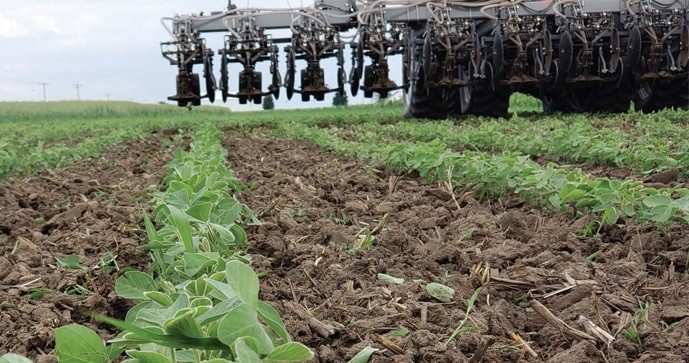
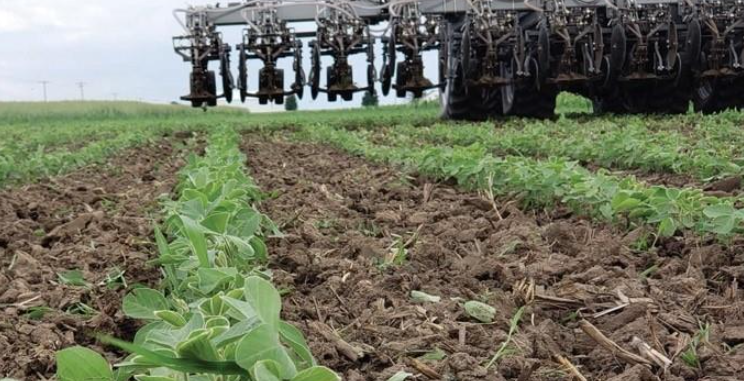
A properly configured row cultivators setup focuses on shallow, early disruption. You’re targeting weeds when they’re small and vulnerable.
Miss that window, and everything gets harder. Later passes require more aggressive action, which increases the risk of damaging the crop.
How mechanical weed control actually works
Mechanical control isn’t about pulling weeds out of the ground. It’s about disturbing them just enough so they can’t recover.
Sweeps move just below the soil surface, cutting roots and shifting soil. Small weeds dry out quickly once they’re uprooted.
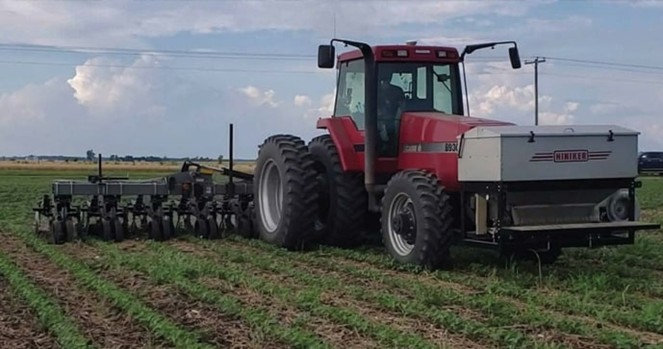
A corn cultivator setup is designed to do this while staying clear of the crop row. That balance is what makes it effective. Too deep, and you disturb corn roots. Too shallow, and weeds survive.
.
.
Timing matters more than equipment
Even the best equipment can’t fix poor timing. Weeds are easiest to control when they’re just emerging. At that stage, a light pass is often enough.
Waiting a few extra days can completely change the outcome. Larger weeds require more aggressive cultivation, which increases risk.
Working with a corn cultivator dealers team can help fine-tune your setup, but timing is still on the operator. You must be in the field at the right moment.
Row spacing changes everything
Row spacing affects how much room you have to work with. Wider rows allow for more aggressive cultivation. You can move more soil and cover more area between rows.
Tighter spacing requires precision. There’s less room for error, and guidance becomes more important. A well-configured row cultivator dealers setup helps match your equipment to your planting system.
Even small alignment issues can lead to crop damage or missed weeds.
Managing weeds close to the row
Between-row weeds are easier to handle. In-row weeds are where things get tricky. You’re working close to the crop, and there’s very little margin for error.
Some setups use shields or specialized attachments to get closer without damaging plants. Even then, complete control is difficult.
This is where crop health matters. Strong corn can outcompete smaller weeds if cultivation keeps pressure low early. A consistent row cultivators approach helps reduce how much in-row competition develops.
Soil conditions affect your results
Soil plays a bigger role than most people expect. Dry soil allows clean cuts. Weeds are uprooted and left exposed.
Wet soil behaves differently. It can smear or clump, allowing weeds to re-root instead of dying. Even a well-set row cultivators system struggles in poor conditions. That’s why many growers adjust timing based on moisture rather than sticking to a fixed schedule.
Speed vs precision in organic systems
Speed helps cover acres, but it can work against you in organic weed control. Higher speeds increase soil movement, which can improve weed disruption. But they also reduce precision.
In tighter rows or early growth stages, precision matters more. Running a row crop cultivator at a controlled speed often leads to better results than pushing too fast and missing key areas.
It’s not about finishing faster. It’s about getting a clean pass.
Multiple passes are part of the system
Organic weed control rarely happens in a single pass. Most growers plan multiple cultivation passes throughout the season. Each one targets weeds at different growth stages.
The first pass handles early emergence. Later passes maintain control as the crop develops. A reliable row cultivators setup makes those repeated passes more predictable. You’re not starting from scratch each time. you’re building on previous work.
What actually works over time
Consistency is what separates successful systems from frustrating ones. Not perfect passes. Not perfect conditions. Just consistent execution.
That means:
-
- Getting into the field early
- Adjusting based on soil conditions
- Matching equipment to row spacing
- Running at speeds that maintain control
A properly set cultivator system becomes part of a routine instead of a reactive tool. And once that routine is established, weed pressure becomes more manageable.
FAQs
Can mechanical cultivation fully replace herbicides in corn?
Sometimes, but it takes consistency. Multiple passes, good timing, and proper setup are all required to keep weeds under control.
How early should you start cultivating organic corn?
As early as possible. usually when weeds are just emerging. Early passes are the most effective and require less aggressive action.
What’s the biggest mistake with mechanical weed control?
Waiting too long. Once weeds are established, they’re harder to control and require more aggressive passes that can risk crop damage.
Tired of Fighting Your Farm Equipment? Let’s Make It Easier.
.

.
Reach out to us online at Hiniker to fill out a form or call us at 507-625-6621
We are here to assist you with all your farm equipment needs. We carry the latest equipment, whether it’s cultivators, cover crop seeders, rate controllers, shredders, windrowers, or a forage chopper.
Find your Hiniker Dealer today to find out more about our amazing agricultural equipment.
You can also follow us on Facebook for the latest news and updates.