


.
.
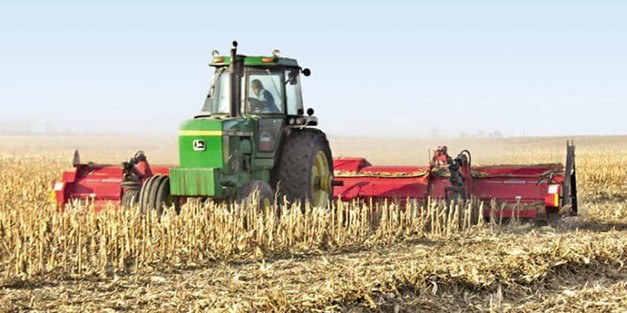
Windrowers make sense when cut material needs to be placed, gathered, or organized instead of simply chopped and left wherever it falls. That can matter in stalk management, forage-related work, or cleanup jobs where the next operation depends on where the residue ends up.
Windrowing is not just about making rows of material. It is about control. The goal is to handle residue in a way that makes the next pass easier, cleaner, or more predictable.
Start with the next operation
Before choosing a windrower, think about what happens after the pass. Will the material be collected? Left to break down? Moved out of the way? Prepared for another field operation?
That answer helps decide whether a shredder windrower is the right fit. Some jobs call for cutting and sizing. Others need placement. Some need both.
If the next operation depends on a clean, consistent row of material, windrow quality matters. Uneven rows can slow equipment down or create handling problems. Too much material in one place can be just as frustrating as material spread poorly across the field.
The field pass should make the next job simpler.
Why windrowers depend on residue condition
Residue condition affects windrowing more than people sometimes expect. Dry stalks and stems usually move more easily. Damp or ropey material may drag, clump, or feed unevenly.
That is especially true when working with a windrowing shredder. The machine is trying to cut and manage material at the same time. Moisture, crop thickness, ground speed, and cutting height all affect the finish.
A short test pass is worth it. Look at the windrow. Is it even? Is the material sized the way you want? Is the machine carrying residue or leaving rough spots?
If the pass is not right, adjust early.
.
.
Stalk work needs enough capacity
Corn stalks and heavy residue can ask a lot from a machine. Long material may need to be cut before it can be placed well. Thick residue may require slower ground speed or more capacity.
A windrowing stalk shredder should be matched to the amount of material and the finish you need. If the machine is undersized or pushed too fast, the windrow may become uneven.
This is where tractor power and field conditions matter. Heavy stalks take energy. Damp stalks take patience. Rough fields may limit speed. The equipment has to match the whole situation, not just the acreage.
Capacity should help the operator stay steady.
Stalk windrowing has a specific purpose
A stalk windrower is useful when stalk placement is part of the plan. Maybe the residue needs to be gathered. Maybe it needs to be moved for field access. Maybe the goal is to create a more manageable path for the next operation.
Whatever the reason, the windrow should be consistent. If it is too loose, too heavy, or too uneven, it may create extra work.
Think about the end use before setting the machine. A windrow that looks fine from the tractor may not be right for the next step. Stop and inspect it from the ground.
That simple check helps avoid surprises.
Dealers can help with setup questions
A good dealer should understand the difference between shredding, windrowing, and combination residue management. They should ask what material you are handling and what you want the field to look like afterward.
Flail windrower dealer support can be useful if you are new to the equipment or changing how you manage residue. Small adjustments in cutting height, speed, or setup may make a big difference.
Ask about parts too. Windrowing and shredding equipment works in rough conditions. Wear parts should be available when the seasonal window is open.
Support matters most when the machine needs to keep moving.
Manufacturers should explain the intended job
A flail windrower manufacturer should be clear about what the machine is designed to handle. That includes residue type, operating conditions, power needs, maintenance points, and expected finish.
Not every windrower is built for the same crop material. Not every shredder windrower is intended for the same workload. The right machine should match the job closely enough that you are not forcing it.
Good manufacturer information should make the decision easier, not more confusing.
A clean windrow saves time later
Windrowing is useful because it creates order out of rough material. A well-made windrow can make collection, handling, or follow-up passes easier. A poor one can slow everything down.
That is the reason windrowers have a place in residue management. They are not just cutting tools. They are planning tools. They help decide where material goes and how the field behaves after the pass.
When that is done well, the next job starts better.
FAQs
When should I use a windrower instead of only shredding?
Use a windrower when material placement matters. If the next operation depends on gathered or directed residue, windrowing can help.
Does residue moisture affect windrowing?
Yes. Damp material can clump, drag, or feed unevenly. Dry material usually moves more cleanly.
Tired of Fighting Your Farm Equipment? Let’s Make It Easier.
Reach out to us online at Hiniker to fill out a form or call us at 507-625-6621
We are here to assist you with all your farm equipment needs. We carry the latest equipment, whether it’s cultivators, cover crop seeders, rate controllers, shredders, windrowers, or a forage chopper.
Find your Hiniker Dealer today to find out more about our amazing agricultural equipment.
You can also follow us on Facebook for the latest news and updates.