


A practical guide for growers comparing field performance, setup, and ownership considerations.
The controller closes a feedback loop
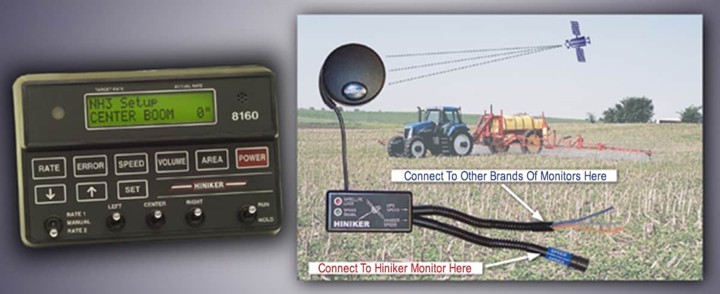
Automatic rate controllers play a key role in successful operations when combined with the right equipment and planning. The key decision is about understanding what the console can control, what it can only report, and what still depends on sound plumbing and calibration. A useful starting point is this: a target rate becomes useful only when speed and measured flow are translated into valve movement. In practice, the machine should be judged by what happens in the field, not by a single number in a brochure. The first things worth recording are speed signal stability, flowmeter response, valve travel, and displayed versus target rate. Those observations give a dealer or operator something concrete to work from and make later adjustments easier to explain.
A logical first move is to watch the system through starts, speed changes, and steady travel. This is also where anhydrous ammonia rate controllers belong in the comparison, because the label matters less than the result it can produce in the intended conditions. Watch for treating a stable display as proof that every knife is flowing; it often turns a promising demonstration into a poor ownership experience. The target is consistent command of the system’s total application rate. Write down the setting and the field condition together so the result can be repeated rather than remembered vaguely.
What automatic rate controllers and their performance should prove in the field
This part of the decision becomes clearer when the operator stops treating field conditions as background noise. In this case, the console manages total flow but a blocked outlet may hide downstream of the main measurement point. Check the difference between total-system data and individual-line condition at more than one location. A short stop and a careful look usually reveal more than another round at full speed. For automatic rate controllers, that habit is especially valuable because small setup errors can repeat across every row or acre.
Use the machine long enough to pair rate control with line monitoring and routine manifold inspection. The comparison may also include an NH3 flow monitor. Ask what must change when the field is no longer ideal. The common trap is asking one sensor to diagnose the whole toolbar. A better standard is better awareness of both rate and distribution. It keeps the conversation focused on crop, soil, material flow, and operator control instead of a feature list that may never matter on this farm.
Calibration turns readings into decisions
Conditions seldom stay uniform from one end of a field to the other. When flowmeter constants and valve behavior must match the hardware and product conditions, the operator needs a setting that is understandable and quick to verify. Use tank pressure, operating flow range, implement width, and verified scale or field totals as the scorecard. The automatic rate controllers should respond predictably when the operator makes one deliberate change, and the finished work should show why that change helped.
A practical routine is to follow the manufacturer procedure and compare applied product with expected use. Compare the role of the NH3 rate controller at the same moment, especially if it changes clearance, placement, or material flow. Avoid copying last season’s value after component changes. The better outcome is numbers the operator can trust when conditions shift. Keep the test area small until the result is stable, then check again after the machine reaches normal operating temperature and speed.
.
.
Speed changes are the real test
Operators often notice headlands, waterways, and rough ground force the controller to respond outside steady-state travel only after acres have been covered. That is why how quickly the rate settles after acceleration or a section change should be part of the first-pass inspection. A machine can sound normal while the work behind it is changing. Walking the pass, digging where appropriate, and comparing several rows creates a more reliable picture than watching one convenient spot.
Plan to review the display during transitions and keep speed within the system’s workable range. The role of an NH3 application controller should be evaluated in that same sequence, with the tractor stopped and the equipment secured whenever inspection requires it. Do not fall into chasing instant correction with aggressive settings. Aim instead for smooth control without persistent hunting. This approach also gives the next operator a clear starting point instead of a machine full of unexplained adjustments.
Plumbing still sets the ceiling
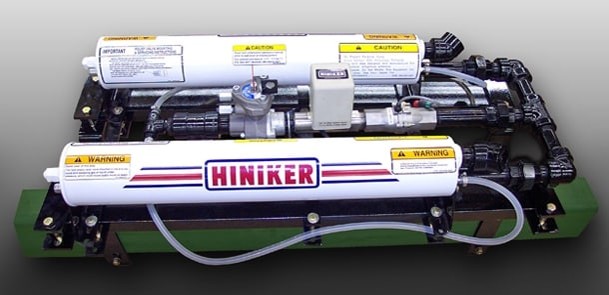
Capacity is useful only when the field result holds up. Here, undersized lines, vapor, restrictions, and a poorly matched heat exchanger can limit what the control valve can deliver. Track pressure drop, frosting patterns, valve position, and maximum stable flow, then compare the result with the acres-per-hour number. This is the point where the equipment earns its place: it should help the operator hold an acceptable result through normal changes without constant guesswork. If quality falls away, reduce speed or change one setting before adding another variable.
The best test is to inspect the entire product path when the target cannot be reached. Apply the same standard when evaluating an anhydrous ammonia control system rather than assuming its name guarantees a certain result. Be cautious about recalibrating around a mechanical restriction. What matters is a system sized for the intended width, rate, and speed. A documented comparison between two settings is more valuable than a long demonstration with no measurements and no agreed definition of success.
Give the operator a response plan
Ownership gets easier when the buying conversation includes the practical issue that alerts help only when the person in the cab knows which conditions require stopping. Confirm alarm limits, safe shutdown steps, protective equipment, and who handles repairs and decide who will handle the first question during a narrow field window. The final equipment choice should make routine setup, inspection, and service understandable to the people who will actually use it. That practical fit is part of performance, not an extra.
Before committing, review the manual and farm safety procedure before the season. Ask how the available configuration affects the same decision and what parts, tools, or training should be on hand. Avoid troubleshooting pressurized equipment by improvisation; it can make a low purchase price expensive during the season. Look for faster, safer decisions when a reading moves out of range. A good purchase leaves the operator with a repeatable starting setup, a safe inspection routine, and a clear source of product-specific support.
Frequently Asked Questions
Does rate control replace field calibration?
No. The controller depends on correct setup values and healthy components. Field totals, scale weights, and inspection provide the independent check that the commanded rate matches actual use.
Can automatic rate controllers detect a plugged knife?
Not necessarily. Total flow can remain near target while distribution changes among outlets. A dedicated knife or line monitoring system is the better tool for finding individual restrictions.
Why does the displayed rate hunt above and below target?
Possible causes include unstable speed input, valve settings, vapor, a sticky valve, or operation near the system’s capacity. Slow down safely and troubleshoot according to the equipment manual.
.

.
Tired of Fighting Your Farm Equipment? Let’s Make It Easier.
Reach out to us online at Hiniker to fill out a form or call us at 507-625-6621.
We are here to assist you with all your farm equipment needs. We carry the latest equipment, whether it’s cultivators, cover crop seeders, rate controllers, shredders, windrowers, or a forage chopper.
Find your Hiniker Dealer today to find out more about our amazing agricultural equipment. You can also follow us on Facebook for the latest news and updates.