


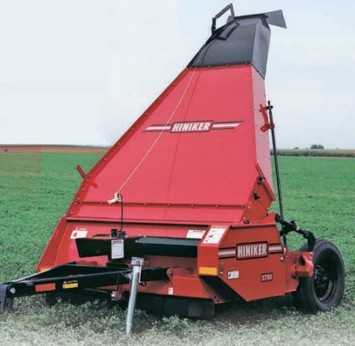
A practical guide for growers comparing field performance, setup, and ownership considerations.
Define both jobs before comparing machines
A forage chopper machine is a valuable piece of equipment, but it can’t do everything. The useful decision is about evaluating a simple flail design for both green-feed harvest and residue shredding. A useful starting point is this: cutting green forage for feed and spreading crop residue ask for different discharge and cut decisions. In practice, the machine should be judged by what happens in the field, not by a single number in a brochure. The first things worth recording are annual acres, material type, desired destination, and the tractor available. Those observations give a dealer or operator something concrete to work from and make later adjustments easier to explain.
A logical first move is to write down the must-have result for harvest and for residue work. This is also where a flail forage harvester belongs in the comparison, because the label matters less than the result it can produce in the intended conditions.
What forage chopper machine performance should prove in the field
This part of the decision becomes clearer when the operator stops treating field conditions as background noise. In this case, material must be cut, accelerated, and discharged without constant plugging or uneven loading. Check rotor condition, knife count, crop moisture, spout control, and wagon position at more than one location. A short stop and a careful look usually reveal more than another round at full speed. For a forage chopper machine, that habit is especially valuable because small setup errors can repeat across every row or acre.
Use the machine long enough to watch a demonstration through starts, turns, and a full-width crop. The comparison may also include a forage harvester. Ask what must change when the field is no longer ideal. The common trap is judging performance from a light outside round. A better standard is steady crop flow in ordinary field conditions. It keeps the conversation focused on crop, soil, material flow, and operator control instead of a feature list that may never matter on this farm.
Cut length is a system choice
Conditions seldom stay uniform from one end of a field to the other. When knife action and shearbar position influence particle size, but crop maturity and travel speed matter too, the operator needs a setting that is understandable and quick to verify. Use the range of particle sizes and how the material will be stored or fed as the scorecard. The forage chopper machine should respond predictably when the operator makes one deliberate change, and the finished work should show why that change helped.
A practical routine is to sample from several wagon locations and consult the nutrition or storage plan. Compare the role of a forage chopper at the same moment, especially if it changes clearance, placement, or material flow. Avoid chasing one visual length without checking feed needs. The better outcome is harvested material prepared for its actual use. Keep the test area small until the result is stable, then check again after the machine reaches normal operating temperature and speed.
.
.
Discharge control saves time
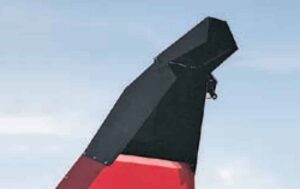
Operators often notice an adjustable spout helps load from front to rear while a rear-discharge option can spread material on the ground only after acres have been covered. That is why spout response, throw consistency, tractor-to-wagon geometry, and wind should be part of the first-pass inspection. A machine can sound normal while the work behind it is changing. Walking the pass, digging where appropriate, and comparing several rows creates a more reliable picture than watching one convenient spot.
Plan to practice loading before the busiest day and set clear signals between operators. The role of forage harvesting equipment should be evaluated in that same sequence, with the tractor stopped and the equipment secured whenever inspection requires it. Do not fall into learning controls in a heavy crop. Aim instead for fewer spills and more even wagon loads. This approach also gives the next operator a clear starting point instead of a machine full of unexplained adjustments.
Driveline protection matters in turns
Capacity is useful only when the field result holds up. Here, PTO angles change on headlands and a loaded rotor carries momentum during shutdown. Track constant-velocity shaft condition, overrunning clutch operation, slip clutch setting, and guards, then compare the result with the acres-per-hour number. This is the point where the equipment earns its place: it should help the operator hold an acceptable result through normal changes without constant guesswork. If quality falls away, reduce speed or change one setting before adding another variable.
The best test is to service and adjust protection devices exactly as the manual directs. Apply the same standard when evaluating a corn forage harvester rather than assuming its name guarantees a certain result. Be cautious about treating a clutch as a permanent cure for overload. What matters is less shock to the tractor and implement components. A documented comparison between two settings is more valuable than a long demonstration with no measurements and no agreed definition of success.
Inspect wear as a set
Ownership gets easier when the buying conversation includes the practical issue that cup knives, shearbar condition, bearings, and rotor balance work together to determine cut and vibration. Confirm even knife wear, fastener condition, clearances, and unusual noise and decide who will handle the first question during a narrow field window. The final equipment choice should make routine setup, inspection, and service understandable to the people who will actually use it. That practical fit is part of performance, not an extra.
Before committing, replace and adjust components in balanced groups where required. Ask how the available configuration affects the same decision and what parts, tools, or training should be on hand. Avoid mixing worn and new cutting parts without checking balance; it can make a low purchase price expensive during the season. Look for predictable output and fewer in-season stops. A good purchase leaves the operator with a repeatable starting setup, a safe inspection routine, and a clear source of product-specific support.
Frequently Asked Questions
Can one machine harvest forage and shred residue?
Yes, some flail harvesters are designed for both roles. Confirm the discharge options, cutting-height range, crop capacity, and setup changes needed for each job.
What tractor does a forage chopper machine require?
Match PTO speed, horsepower, hitch, hydraulics, and tractor weight to the manufacturer’s specifications. Crop density and terrain can raise practical demand, so discuss the full application with the dealer.
How often should knives be checked?
Inspect at the interval in the operator’s manual and after any impact or new vibration. Uneven or missing knives affect cut quality and rotor balance, so do not postpone a safe inspection.
.
.
Tired of Fighting Your Farm Equipment? Let’s Make It Easier.
Reach out to us online at Hiniker to fill out a form or call us at 507-625-6621.
We are here to assist you with all your farm equipment needs. We carry the latest equipment, whether it’s cultivators, cover crop seeders, rate controllers, shredders, windrowers, or a forage chopper.
Find your Hiniker Dealer today to find out more about our amazing agricultural equipment. You can also follow us on Facebook for the latest news and updates.