



.
Cultivator decisions usually start with one simple question: should you go ridge till or no till? Both systems have strong followings, and both can work well depending on your soil, crop rotation, and how you manage residue.
The challenge is that the differences don’t always show up on paper. They show up in the field. How your soil warms up in spring. How weeds behave mid-season. How much adjustment you’re making from pass to pass. This is where choosing the right cultivator setup matters more than most people expect.
What makes ridge till different from no till?
Ridge till focuses on building and maintaining raised rows. Each season, you’re working the same ridges, clearing residue off the top, and planting directly into that zone.
No till, on the other hand, leaves the soil mostly undisturbed. Residue stays in place, and planting happens directly through it with minimal soil movement.
Both systems aim to reduce erosion and preserve soil structure. The difference comes down to how much soil you’re willing to move. and when.
A cultivator plays a different role in each system. In ridge till, it helps rebuild and maintain the ridge. In no till, it’s often used more selectively, sometimes for light weed control without disturbing the full soil profile.
Ridge till: where it tends to shine
Ridge till works well for growers who want more control over soil temperature and early-season conditions. Because the ridge dries and warms faster in spring, planting windows can open sooner. That alone can make a noticeable difference in certain regions.
Weed control is another advantage. By running tools that reshape the ridge mid-season, you can disrupt weeds before they take hold.
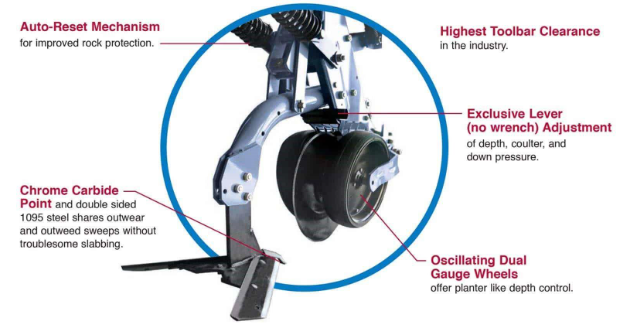
Equipment designed by a ridge-till cultivator manufacturer typically includes guidance features and row-specific adjustments that help maintain consistent ridge shape year after year.
That consistency matters more than it sounds. Once your ridges are established, the system becomes more predictable. Still, ridge till does require attention. If ridges break down or drift off line, performance drops quickly.
.
.
No till: less disturbance, different challenges
No till systems are built around leaving soil structure intact. That means fewer passes, less fuel use, and better moisture retention over time. But it also means you’re relying more heavily on other tools. like herbicides or cover crops. for weed control.
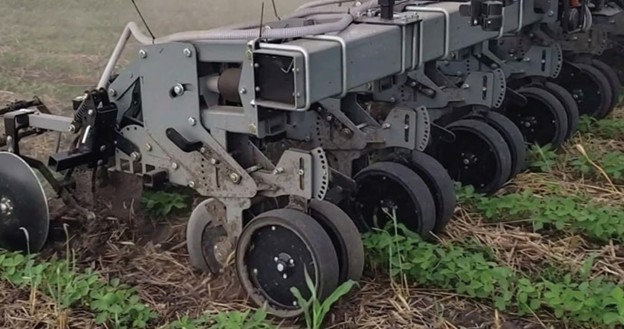
A no-till cultivators setup is often lighter-touch. Instead of reshaping rows, it focuses on slicing through residue or managing weeds without turning over soil.
That can be a big benefit in fields prone to erosion. It can also reduce compaction caused by repeated passes. The trade-off? Cooler soils in spring and sometimes slower early growth, especially in wetter climates.
How row spacing affects your setup
Row spacing isn’t just a planting decision. It directly affects how your cultivator performs. If your spacing is tight, you have less room for error. Guidance becomes more important. Toolbars need to stay stable. Adjustments need to be precise.
This is where equipment from a row crop cultivator dealer often includes customizable spacing, shank positioning, and guidance systems that match your exact setup.
Wider rows allow more aggressive cultivation. Narrow rows demand more finesse. And once you commit to a spacing system, your cultivator setup has to match it exactly. Even small misalignments can lead to crop damage or missed weeds.
Speed changes everything in the field
Speed isn’t just about covering acres. It changes how the machine interacts with the soil. Higher speeds can improve efficiency, but they also increase the margin for error. Soil throws differently. Residue moves differently. Even small inconsistencies become more noticeable.
That’s why many growers look at equipment from high speed cultivator manufacturers when trying to balance productivity with control.
The goal isn’t just going faster. It’s maintaining consistent performance at higher speeds without sacrificing accuracy. In ridge till, speed affects how well the ridge is rebuilt. In no till, it affects how cleanly residue is handled.
Organic systems change the conversation
If you’re working in organic production, the choice between ridge till and no till takes on a different weight. Without chemical weed control, cultivation becomes one of your main tools. That often pushes growers toward systems that allow more mechanical intervention.
Equipment from organic cultivator manufacturers is usually designed for precision. You’re not just disturbing soil. you’re targeting weeds while protecting crops.
In these systems, ridge till can offer more consistent weed control. But it also requires more passes and more attention. No till organic systems exist, but they rely heavily on cover crops and timing. The margin for error is smaller.
So which system works better?
There isn’t a universal answer. It depends on how your fields behave and what problems you’re trying to solve. If early planting, soil warming, and mechanical weed control are priorities, ridge till often fits better.
If reducing passes, preserving moisture, and minimizing soil disturbance matter more, no till has a clear advantage.
Most growers end up somewhere in between. adjusting their approach field by field, season by season. A cultivator setup that works perfectly in one field might need tweaks in the next. That’s normal.
What actually matters when choosing
The best setup usually comes down to a few practical questions: How consistent are your soil conditions? How much residue are you dealing with? How important is early planting in your region? How comfortable are you making in-season adjustments?
Answer those honestly, and the right direction becomes clearer. Because at the end of the day, the goal isn’t to follow a system. It’s to make your fields more predictable and your passes more effective.
FAQs
Is ridge till better than no till for weed control?
Usually, yes. Ridge till gives you more opportunities to disrupt weeds during the season. That can make a big difference, especially in fields with heavy pressure.
Can you switch between ridge till and no till easily?
Sometimes, but it takes planning. Soil structure, residue levels, and equipment setup all need to be adjusted. It’s not something most growers change overnight.
Do you need different equipment for ridge till and no till?
In most cases, yes. While some setups can be adjusted, each system benefits from equipment designed specifically for how it manages soil and residue.
Tired of Fighting Your Farm Equipment? Let’s Make It Easier.

Reach out to us online at Hiniker to fill out a form or call us at 507-625-6621
We are here to assist you with all your farm equipment needs. We carry the latest equipment, whether it’s cultivators, cover crop seeders, rate controllers, shredders, windrowers, or a forage chopper.
Find your Hiniker Dealer today to find out more about our amazing agricultural equipment.
You can also follow us on Facebook for the latest news and updates.