


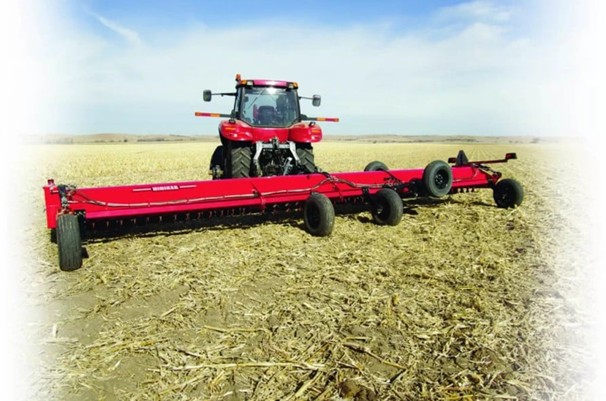
Residue management plays a major role in post-harvest field conditions. Not to mention spring planting success. Farmers often compare flail shredders and stalk cutters when deciding how to manage heavy residue.
Both tools reduce crop material. Yet, they function differently and serve distinct purposes in the field.
Why Understanding the Difference Matters
Choosing the right residue tool affects soil health and equipment performance. The tool can also impact field efficiency. Using the wrong tool can leave residue unevenly sized or poorly distributed. This creates challenges later in the season. Understanding how each option works helps farmers match equipment to crop type and residue volume. This also helps with your management goals.
With more than 50 years of agricultural equipment manufacturing experience, we understand how residue decisions impact both short-term operations and long-term field performance.
Understanding How Flail Shredders Work
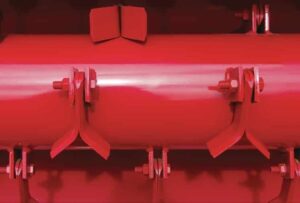
Flail shredders use a rotating drum fitted with multiple cutting knives that strike residue repeatedly. This action sizes material into smaller, more uniform pieces that break down faster. The result is improved residue distribution and reduced interference during planting.
Many growers work with a flail shredder manufacturer to select equipment capable of handling modern, high-yield residue loads. These machines are especially effective in corn stalks and heavy post-harvest conditions.
How Stalk Cutters Differ in Function
Stalk cutters are designed to cut residue rather than shred it. They slice stalks near the surface, leaving larger pieces behind. While effective for simple residue reduction, they do not process material as thoroughly as shredding equipment.
Stalk cutters are often used when speed and simplicity are priorities. However, residue may take longer to decompose compared to fields managed with flail shredders.
Comparing Performance in the Field
The difference between the two tools becomes clear when residue volume increases. Flail shredders create smaller residue that decomposes more evenly and improves soil contact. Stalk cutters leave longer pieces that may remain on the surface longer.
Some operations combine residue tools with equipment like windrowers when residue needs to be placed into rows for collection or further processing. Choosing the right tool depends on whether residue breakdown or simple cutting is the primary goal.
.
.
Our Approach to Building Effective Residue Equipment
We design residue management tools with durability, balance, and consistent performance in mind. Our equipment is built to handle tough post-harvest conditions while delivering reliable results across varying soil types.
Our experience as a flail shredder manufacturer guides how we engineer cutting systems that maintain performance without unnecessary complexity. We focus on long-term reliability and practical field use.
Benefits of Using Flail Shredders Over Stalk Cutters
When residue management is a priority, flail shredders offer several advantages that support soil health and field preparation.
Key benefits include:
- Smaller residue for faster decomposition
- Improved soil contact and moisture movement
- Reduced planter interference in spring
- Better residue distribution across the field
- Strong performance in heavy residue conditions
For operations with extreme residue loads, high capacity flail shredders provide additional output and durability without sacrificing consistency.
Where Dealer Guidance Makes a Difference
Residue tools must be matched carefully to field conditions. Many farmers rely on flail shredder dealers to help evaluate crop type, stalk density, and horsepower requirements. Dealer input helps ensure equipment performs as expected and avoids over-sizing or under-sizing.
In systems where windrowing is part of the residue strategy, a windrower dealer may also help farmers coordinate equipment choices that support clean residue placement and follow-up operations.
Why Choose Hiniker for Residue Management Solutions?
Hiniker has been building dependable agricultural equipment since 1970. Our focus on durability and practical performance shapes how we design residue management tools today. We understand that residue decisions affect soil health, planting efficiency, and overall field consistency.
Farmers trust our equipment because it is built for real-world conditions and long-term use. Our designs support efficient residue breakdown and predictable field results year after year.
FAQs About Flail Shredders and Stalk Cutters
Do flail shredders break down residue faster than stalk cutters?
Yes. Shredding creates smaller pieces that decompose more quickly and evenly.
Are stalk cutters still useful in some operations?
Yes. They work well when basic cutting is sufficient and residue volume is lighter.
Can flail shredders be used in conservation systems?
Yes. Properly adjusted shredders support residue management while protecting soil structure.
Understanding the difference between flail shredders and stalk cutters helps farmers make better residue management decisions. Flail shredders offer more thorough residue sizing and faster breakdown, while stalk cutters provide simple cutting where minimal processing is needed. Choosing the right tool supports healthier soil, smoother planting, and more consistent field performance.
When it comes to premium farm equipment, Hiniker has you covered. Contact us today and let us help you get the right equipment for your specific needs.
.
.
We carry the latest equipment, whether it’s cultivators, cover crop seeders, rate controllers, shredders, windrowers, or a forage chopper. Let Hiniker assist you with all your farming equipment needs.
Find your Hiniker Dealer today to find out more about our amazing agricultural equipment.
You can also follow us on Facebook for the latest news and updates.