Row Crop Cultivator Adjustments That Improve Yield Performance

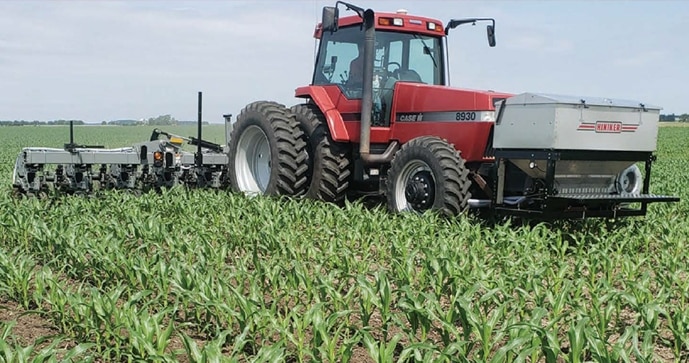
A row crop cultivator is a valuable tool. It’s basically a necessity for farmers who want to improve field conditions and manage weeds. Row crop cultivators provide needed support for stronger crop development.  

When set up correctly, these machines can make a meaningful difference in yield performance across a growing season. In this article, we explain how simple adjustments to a row crop cultivator can lead to more consistent stands. We’ll also talk about how they lead to healthier plants and better harvest results. 


Why Do Row Crop Cultivator Adjustments Matter? 

Field conditions change every season. Soil moisture and residue levels must be considered. And weed pressure varies widely across the Midwest. Because of that, cultivators need to be adjusted to match these conditions. Small changes can help the machine work more efficiently. This can also help reduce crop stress. 


Understanding Row Crop Cultivators and Their Impact on Yield 

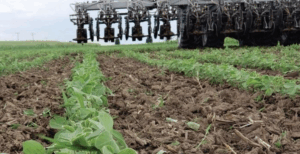
row crop cultivator works by controlling weeds and improving soil conditions between rows. The tool helps eliminate competition. This is so crops can access nutrients, water, and sunlight more effectively. It also breaks up soil crusts and improves aeration. Both of these elements support root development. 

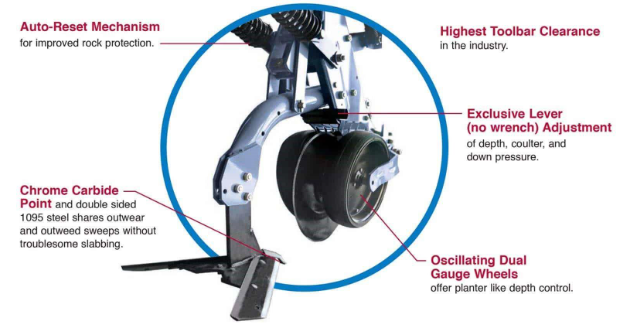
Farmers often explore different styles of cultivator setups to achieve the best results. Adjusting depth and spacing are key factors. Also, the shank position can significantly impact how well the tool performs. These adjustments help match the machine to field conditions. This improves efficiency and protects emerging crops. 


Key Row Crop Cultivator Adjustments That Improve Performance 

Several adjustments influence how well a row crop cultivator performs. When made correctly, they contribute to stronger yields and healthier plants throughout the season. 

  1. Depth Control

Proper depth ensures weeds are removed without disturbing crop roots. Setting the cultivator too deep can damage roots, while setting it too shallow may leave weeds behind. Depth adjustments should match soil moisture, compaction, and crop size. 

  1. Shank Positioning

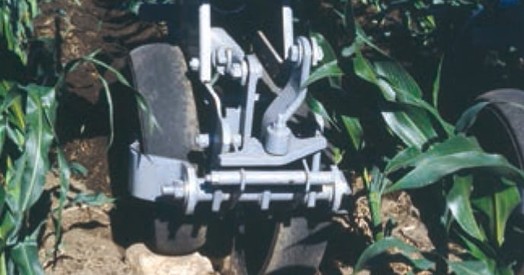
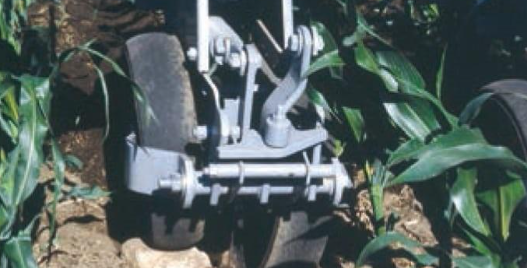
Shanks should be positioned to remove weeds close to the row without harming the plants. This adjustment improves weed control while minimizing crop disturbance. Operators often fine-tune shank angles based on soil texture and residue. 

  1. Shield Alignment

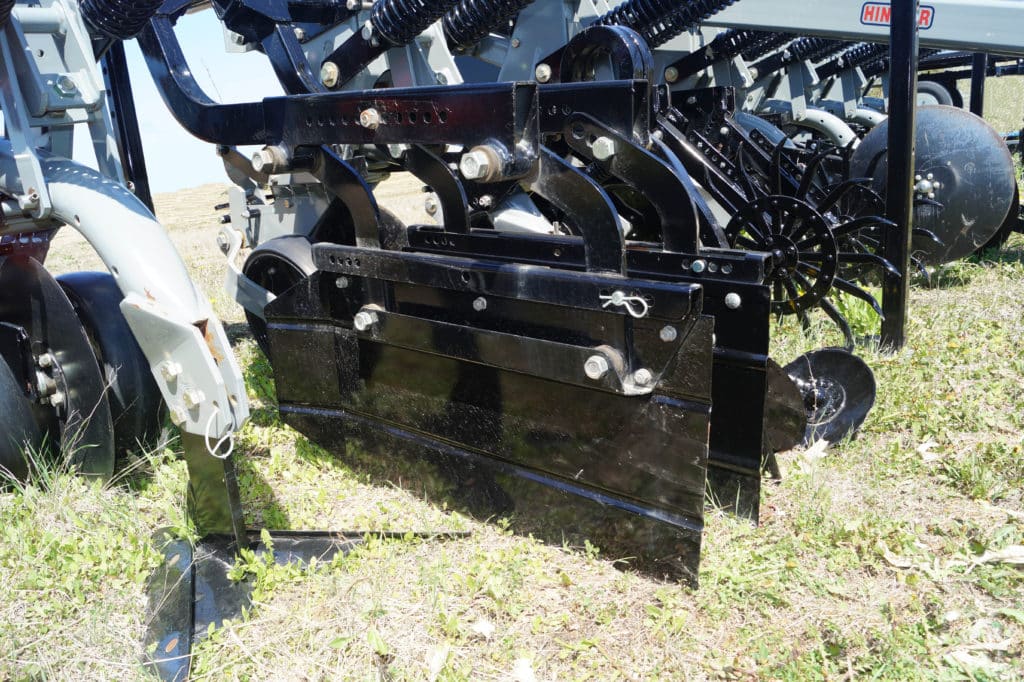
Shields help protect young plants by guiding soil away from the row. Correct alignment prevents soil from covering seedlings while still allowing consistent weed control. 

  1. Speed Adjustments

Ground speed affects accuracy and soil throw. Many operations experiment with speed settings or consult high speed cultivator dealers for models designed to maintain precision at faster rates. 

  1. Row Spacing Adjustments

Matching the cultivator to the exact row width improves accuracy and reduces plant damage. Farmers often rely on cultivator dealers to help set up equipment for their specific row spacing. 

When these adjustments are made correctly, the row crop cultivator performs more efficiently and supports stronger yield outcomes. 


Benefits of Proper Row Crop Cultivator Adjustments 

When farmers adjust their equipment thoughtfully, they often see improvements in field uniformity and crop health. Key benefits include: 

  1. Improved weed control. Better adjustments remove weeds while protecting crops. 
  2. Enhanced soil aeration. Adjustments that loosen soil gently support root expansion. 
  3. Reduced crop stress. Accurate settings help avoid plant damage during cultivation. 
  4. Better moisture movement. Cultivation encourages water infiltration and reduces crusting. 
  5. More consistent yields. Healthier growing conditions lead to stronger overall performance. 

These benefits apply to all styles of row cultivation, including organic cultivators that rely on mechanical weed control rather than chemical inputs. 

 .
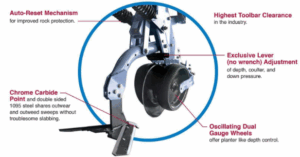
Cultivators .

Real-World Applications Across Row Crop Farming 

Row crop cultivators are used across many types of Midwestern farms. Corn and soybean growers use them early in the season to control weeds and encourage vigorous plant growth. Specialty crop producers rely on tools that allow more precise adjustments based on crop type and soil texture. 

Many growers partner with cultivator dealers to find equipment that fits their soil and weed conditions. Others look for expert advice on shank placement, shield settings, or speed adjustments to ensure better field performance. These dealers help tailor setups for different field goals and farming styles. 


Why Choose Hiniker for Cultivation Equipment? 

Hiniker has been building dependable agricultural equipment since 1970. We focus on designing cultivation tools that support accuracy, strength, and long-term durability. Farmers trust our equipment because it performs well under tough field conditions and offers reliable adjustment features. 

Our customers often share that our tools help them achieve more consistent weed control and improved crop performance. We take pride in designing equipment that supports growers throughout the entire season. 

Growers choose Hiniker because we offer: 

  • More than 50 years of agricultural manufacturing experience 
  • Durable frames and components built for long-term field use 
  • Easy-to-adjust cultivation tools designed for precision 
  • Dealer support and resources for setup and maintenance 
  • A strong reputation for farmer-focused equipment design 

FAQs About Row Crop Cultivators 

How often should a row crop cultivator be adjusted?
Adjustments should be checked before each pass. Soil conditions and crop stage influence the ideal settings. 

Do row crop cultivator adjustments change with crop size?
Yes. As plants grow, shield height, depth, and shank spacing may need to be modified to protect the crop. 

Can cultivation still improve yield in modern high-acre operations?
Yes. Mechanical weed control and soil improvement continue to play a major role in protecting yield potential. 


Conclusion 

A row crop cultivator can significantly influence yield performance when set up correctly. Adjusting depth, shields, shanks, and spacing helps farmers manage weeds, improve soil conditions, and protect emerging crops. These adjustments support strong plant growth and healthier fields throughout the season. 


Every successful farming operation relies on hard work, the right people, and the proper equipment – that’s where Hiniker comes in. When you need the latest equipment to make your farm operations as efficient as possible, our team is ready to assist. 

Hiniker is proud to be one of the most reliable sources when it comes to farm equipment manufacturing. Since 1970, we have been building durable and productive equipment to help our friends in the agriculture community. 


Logo 

We carry the latest equipment, whether it’s row cultivators, cover crop seeders, rate controllers, shredders, windrowers, or a forage chopper. Let Hiniker assist you with all your farming equipment needs. 

Find your Hiniker Dealer today to find out more about our amazing agricultural equipment. 

You can also follow us on Facebook for the latest news and updates. 

507-625-6621 

Why a Reliable Forage Harvester Is Essential for a Strong Feeding Program

A reliable forage harvester is a necessity on the farm. It plays a major role in maintaining a productive and healthy feeding program. The quality of forage harvested can influence livestock performance and feed consistency. It basically helps with your overall operational efficiency. 

Farms continue to expand. Feeding demands grow. That means the need for dependable equipment becomes even more important.  

In this article, we explain why a forage harvester remains a key asset for farms focused on strong nutrition and long-term productivity. 


Why Does a Forage Harvester Matter in Today’s Livestock Operations? 

Livestock depend on consistent, high-quality forage. Forage needs to be harvested at the right time. It must also be processed correctly. That means animals will receive the nutrients they need for proper growth and production.  

A dependable forage harvester helps ensure that feed quality remains uniform. This supports better performance while reducing waste. 

With more than 50 years of agricultural equipment manufacturing experience, we understand how critical harvest timing and processing precision can be. Our work with forage systems has shown us the value of reliable tools during tight harvest windows. 


Understanding Forage Harvesting and Its Impact on Feed Quality 

A forage harvester cuts and processes plant material. The material becomes uniform pieces that are easier to store and mix. They also make feeding more simple. This consistency helps reduce sorting and improve digestibility. It also maintains better fermentation when stored as silage.  

The right cutting length and processing method are two important items. These can influence how well animals utilize the nutrients in their diet. 

Many producers work with a forage chopper during peak seasons to ensure proper sizing and uniformity. A well-maintained harvester reduces variability, which directly supports a more stable and efficient feeding program. 


What Makes a Forage Harvester So Important? 

Forage harvesters allow farmers to collect large volumes of feed. And do so efficiently. They handle crops such as corn and alfalfa. Not to mention grasses. Forage harvesters are accurate, even when conditions change.  

A reliable forage harvester ensures that material flows smoothly through the machine. They reduce downtime and prevent inconsistent chop length. 

Operations that need additional residue processing or tougher cutting options may look toward specialized equipment. For example, a flail forage harvester is designed to handle challenging material. It’s also used for specific crop types. Especially those that require a more aggressive cut.  

These systems serve as valuable tools on the farm. Most notably for operations needing more flexibility in crop harvesting. 


Key Benefits of Using a Reliable Forage Harvester 

A dependable forage harvester provides multiple advantages that contribute to a more effective feeding strategy. These benefits help ensure animals receive quality nutrition throughout the year. 

Key advantages include: 

  1. More consistent feed quality. Uniform chop length improves packing, fermentation, and ration mixing. 
  2. Better livestock performance. Animals benefit from predictable nutrient availability in every load. 
  3. Reduced waste and sorting. Proper chop size helps eliminate uneven feeding and feed refusal. 
  4. Higher efficiency during harvest. Reliable equipment reduces downtime and helps capture forage at peak nutritional value. 
  5. Improved storage ad silage density. Well-processed forage packs more tightly and ferments more effectively. 

These advantages explain why producers choose dependable tools, including specialized equipment from flail forage harvester manufacturers, when working with tougher material. 

.

Forage Harvester

.

Farming Operations That Depend on Forage Harvesting Tools 

Forage harvesters play an essential role in dairy, beef, and mixed-livestock systems. These operations depend on efficient forage collection to support year-round feeding needs. 

Producers often work with flail forage harvester dealers when they need specific cutting capabilities for crops or residue that traditional systems struggle to process. These dealers help match equipment features to field conditions, ensuring growers get the best performance possible. Some farms choose equipment designed for a wider variety of crop types, especially when they need flexibility in their yearly harvesting schedule. 


Why Choose Hiniker for Forage Harvesting Equipment? 

Hiniker has been manufacturing durable agricultural tools since 1970. Our long history in the industry helps us design equipment with farmers’ real-world challenges in mind. We create tools that offer consistent performance, long-term durability, and ease of use in demanding conditions. 

Customers appreciate our reliable designs, simple operation, and strong field performance. Many producers tell us that our equipment supports smoother harvests and more reliable feeding programs. We take pride in building machines that can meet the needs of modern livestock operations. 

Growers choose Hiniker because we offer: 

  • More than 50 years of agricultural engineering experience 
  • Durable components designed for consistent chop quality 
  • Equipment built for tough and varied forage conditions 
  • Strong dealer networks for support and parts access 
  • Practical, farmer-focused design that improves harvest efficiency 


FAQs About Forage Harvesters 

How does chop length affect feed quality?
Uniform chop length improves fermentation, ration mixing, and digestibility, all of which contribute to better livestock performance. 

Are forage harvesters suitable for multiple crop types?
Most forage harvesters can process corn, grasses, alfalfa, and other forages. Specialized models can handle tougher materials that need more aggressive processing. 

Do flail forage harvesters offer advantages for residue-heavy crops?
Yes. Flail-style harvesters are often used when crops contain tougher stems or when additional shredding is required. 


Every successful farming operation relies on hard work, the right people, and the proper equipment – that’s where Hiniker comes in. When you need the latest equipment to make your farm operations as efficient as possible, our team is ready to assist. 

Hiniker is proud to be one of the most reliable sources when it comes to farm equipment manufacturing. Since 1970, we have been building durable and productive equipment to help our friends in the agriculture community. 

Logo

We carry the latest equipment, whether it’s cultivators, cover crop seeders, rate controllers, shredders, windrowers, or a forage chopper. Let Hiniker assist you with all your farming equipment needs. 

Find your Hiniker Dealer today to find out more about our amazing agricultural equipment. 

You can also follow us on Facebook for the latest news and updates. 

507-625-6621 

Windrowers vs Swathers: Understanding the Differences for Better Harvest Results

Windrowers are essential tools. They especially benefit farms that want consistent drying and cleaner rows. This often provides a more predictable performance during harvest.  

Swathers also play a role in crop preparation. And understanding the differences between windrowers and swathers helps growers choose the right equipment for their fields.  

In this article, we explain how windrowers compare to swathers. We’ll outline why one may be better suited for your specific harvest goals. 


Why Do Farmers Compare Windrowers and Swathers? 

Growers often evaluate these machines. Why? Because both are used to cut and arrange crops before harvest. However, their design and intended use can differ significantly. The choice between the two impacts drying time and residue management. Overall, growers want the one that is most efficient. 

With decades of experience building agricultural equipment, our Hiniker team understands how equipment decisions impact harvest results. Our work with windrowing tools has shown us how important it is to match equipment type to crop and field conditions. 


Understanding Windrowers and Swathers: What Sets Them Apart? 

Both machines cut crops. Both also place the crops into rows. But… they do so in different ways. A swather typically cuts crops and lays them in a swath for drying. Windrowers focus on forming consistent windrows that dry faster and allow easier collection. Their design often includes conditioning systems or specialized mechanisms. These items improve residue flow and row shape. 

Farmers often work with a windrower dealer to help make their decision. They want to know which option fits their crop type and moisture needs. Farmers must also consider their residue management goals. Understanding the differences helps ensure smoother harvest operations and better crop quality. 


What Are Windrowers Designed to Do? 

Windrowers are built to cut and position crops into precise windrows that support quicker drying and more efficient harvesting. These machines are valued for their consistency and their ability to handle a wide range of materials—from hay and forage to stalk residue. 

Many growers compare models from various windrower manufacturer options to find tools that match their equipment size and field layout. Windrowers are especially popular in operations where drying time or residue uniformity plays a major role in final crop quality. 

 .

Windrowers 

.

Our Approach to Designing Windrowing Equipment 

We design windrowing tools that focus on durability, precision, and easy operation. Our equipment is built to handle demanding field conditions while giving growers clean, uniform rows. We focus on components that improve crop flow and reduce plugging, which is especially important when handling denser or tougher materials. 

Decades of experience in agricultural manufacturing have shaped how we build equipment that performs reliably season after season. We understand how valuable it is to have consistent windrows. This is especially true when harvest timing becomes tight or when weather conditions shift unexpectedly. 


Key Benefits of Using Windrowers Instead of Swathers 

Windrowers offer several advantages that can improve harvest efficiency. These benefits often influence whether growers choose windrowers or swathers for their fields. 

Key advantages include: 

  1. More uniform drying. Windrowers create consistent rows that dry more evenly. 
  2. Cleaner residue management. The formed rows allow easier pickup and less crop loss. 
  3. Versatility across crop types. Windrowers can manage hay, forage, stalks, and other materials. 
  4. Improved efficiency. Cleaner windrows help reduce processing time and machine stoppages. 
  5. Better handling of dense materials. Some models, including flail windrowers, are designed for tough vegetation and residue. 

These advantages often make windrowers the preferred choice for harvesters who want predictable results across varying conditions. 


Real-World Use Cases for Windrowing Equipment 

Windrowers are used in a wide range of agricultural operations. Forage producers rely on them to prepare hay and silage. Grain farmers use tools like a stalk windrower or windrowing stalk shredder to manage residue following corn harvest. These tools create clean rows that can be collected, baled, or incorporated back into the soil more easily. 

Operations with dense stalk residue or uneven fields also benefit from specialized windrowing equipment. Many growers depend on support from a local windrower dealer to choose the right model and setup for their field type and crop rotation. 


Why Choose Hiniker for Windrowers? 

Hiniker has been trusted by farmers since 1970. Our reputation for building durable, reliable equipment is rooted in decades of field experience. We design windrowing tools that help growers improve productivity and efficiency during harvest. 

Customers appreciate our commitment to strength, simplicity, and dependable performance. Many operators share that our windrowing tools give them cleaner rows and faster drying times, even during demanding harvest windows. 

Growers choose Hiniker because we offer: 

  • More than 50 years of agricultural equipment manufacturing experience 
  • Windrowing tools designed for consistent residue flow and row structure 
  • Durable components built to withstand field challenges 
  • Easy access to support, manuals, and dealers 
  • A strong reputation for farmer-focused equipment design 


FAQs About Windrowers 

Are windrowers more efficient than swathers for drying crops?
In many cases, yes. Windrowers create more uniform rows, which can speed up drying and reduce harvest delays. 

Can windrowers handle residue as well as forage?
Yes. Many models work well with stalk residue, especially when paired with flail or shredding components. 

Do windrowers require more maintenance than swathers?
Maintenance depends on field conditions and equipment type, but most windrowers are built for durability and straightforward upkeep. 


When it comes to premium farm equipment, Hiniker has you covered. Contact us today and let us help you get the right equipment for your specific needs. 


Logo 

We carry the latest equipment, whether it’s cultivators, cover crop seeders, rate controllers, shredders, windrowers, or a forage chopper. Let Hiniker assist you with all your farming equipment needs. 

Find your Hiniker Dealer today to find out more about our amazing agricultural equipment. 

You can also follow us on Facebook for the latest news and updates. 

507-625-6621 


5 Common Problems a Cultivator Can Solve for Row Crop Farmers

A cultivator is still one of the most reliable tools in modern agriculture. Row crop farmers use this equipment to manage weeds. Cultivators improve soil conditions. They also support stronger plant development.  

Farming operations today face shifting weather patterns. They also deal with growing weed resistance. But a cultivator provides solutions to these issues. These solutions are both practical and effective.  

Here are five problems farmers can address with the right cultivation equipment. 


Understanding Cultivators and Their Role in Row Crop Farming 

A cultivator uses ground-engaging tools. These tools disrupt soil and remove weeds. This results in improved field conditions. Also, this approach reduces plant competition without relying solely on herbicides. Cultivation also helps loosen soil. When soil is loose, aeration improves and allows moisture to reach plant roots. 

Many farms explore different options through cultivator dealers. This is especially true when they want equipment that fits their soil type. Farmers must also consider field layout and their preferred weed management style. It is essential to understand the purpose of cultivation. This helps farmers choose tools that support their long-term goals. 


Problem 1: Weed Pressure From Resistant Species 

Herbicide resistance continues to rise. This isn’t just in one area. This is across many regions. When chemicals lose effectiveness, weeds compete more aggressively with crops. A row crop cultivator helps interrupt weed growth early in the season. This reduces pressure without increasing chemical use. 

Mechanical control gives farmers another tool to manage resistant weeds. This also protects yield potential. Farmers find this is particularly helpful in fields where herbicide rotation options are limited. 


Problem 2: Soil Crusting and Poor Aeration 

Heavy rainfall or poor soil structure can lead to surface crusting. When this occurs, seedlings struggle to break through. Also, root development slows. A cultivator breaks up soil crusts. This restores airflow. It also helps moisture move more evenly through the soil profile. 

This is one reason many operations still rely on row cultivators. They provide gentle but effective soil disturbance. It also improves plant health at key growth stages. 


Problem 3: Early-Season Moisture Management 

Too much moisture can restrict oxygen in the root zone. It can also delay crop development. Cultivation can help manage excess moisture. It does so by disrupting compacted soil and allowing roots to breathe. It also helps warm the soil faster during cool early-season conditions. 

Farmers often turn to organic cultivators to solve this issue. This doesn’t require chemical inputs. The added benefit is that the process supports healthier soil structure over time. 

.

Cultivator

.

Problem 4: Improving Uniformity Across a Field 

Uneven emergence and soil variation impact plant performance. As does inconsistent residue levels. A cultivator helps create a more uniform environment. The cultivator smooths soil conditions and manages weeds consistently across the row. 

Even fields with small variations in slope or texture can see noticeable improvement. Many large-acre producers have begun working with high speed cultivator dealers to adopt equipment that covers more ground while maintaining accuracy. 


Problem 5: Reducing Dependence on Herbicides 

While chemical control remains important, many farmers want to reduce input costs and rely more on mechanical options. A cultivator provides a reliable, non-chemical solution for weed control. 

This approach supports long-term sustainability goals and helps meet customer demand for responsible farming practices. Many producers use a combination of chemical and mechanical control to keep fields productive and resilient. 


What Benefits Do Professional-Grade Cultivators Provide? 

Farmers use cultivators for several reasons that directly improve field performance. Key benefits include: 

  1. Better early-season weed control. Cultivation removes weeds before they become competitive threats. 
  2. Improved soil structure. Looser soil supports better root development and moisture movement. 
  3. Lower input costs. Reduced chemical use helps manage annual expenses. 
  4. Enhanced crop uniformity. Consistent field conditions lead to more even plant growth. 
  5. More resilience against resistant weeds. Mechanical control provides options when chemicals lose effectiveness. 

These advantages support long-term productivity and field health. 


Industries and Operations That Depend on Cultivators 

Row crop farming remains the primary user of cultivation tools. Corn and soybean growers depend on consistent weed control and soil improvement. Specialty crop growers also use cultivation to manage weeds in vegetable and organic systems. 

We regularly work with farmers who want equipment tailored to their region and field needs. Many choose local cultivator dealers to get advice on shank style, spacing, and adjustments that fit their operation. Others choose tools that pair well with guidance systems for more accurate cultivation passes. 

Growers choose Hiniker because we offer: 

  • More than 50 years of experience in farm equipment manufacturing 
  • Reliable tools designed for tough Midwestern field conditions 
  • Strong frames and components for long-term use 
  • Dealer networks that help match equipment to specific field needs 
  • A reputation built on dependable, farmer-focused design 

Cultivator FAQs 

Are cultivators still useful in modern high-acreage operations?
Yes. Many large farms use cultivation as part of integrated weed management. It supports chemical efficiency and helps maintain uniform field conditions. 

Can cultivators help reduce herbicide resistance issues?
Mechanical control reduces reliance on chemicals and helps manage resistant weed populations. 

Do cultivators work with precision guidance systems?
Many cultivators can be paired with guidance tools for more accurate row alignment and reduced crop disturbance. 


Every successful farming operation relies on hard work, the right people, and the proper equipment – that’s where Hiniker comes in. When you need the latest equipment to make your farm operations as efficient as possible, our team is ready to assist. 

Hiniker is proud to be one of the most reliable sources when it comes to farm equipment manufacturing. Since 1970, we have been building durable and productive equipment to help our friends in the agriculture community.  


Logo 

We carry the latest equipment, whether it’s cultivators, cover crop seeders, rate controllers, shredders, windrowers, or a forage chopper. Let Hiniker assist you with all your farming equipment needs. 

Find your Hiniker Dealer today to find out more about our amazing agricultural equipment. 

You can also follow us on Facebook for the latest news and updates. 

507-625-6621 

Why Automatic Rate Controllers Are Essential for Today’s Precision Agriculture

Automatic rate controllers have become a critical part of modern precision agriculture. These systems help farmers apply inputs accurately. They also assist with reducing waste and protecting crop performance across every acre. As operations grow larger and field conditions become more unpredictable, automatic rate controllers give farmers the consistency they need to manage inputs with confidence. 


Why Do Automatic Rate Controllers Matter in Precision Agriculture? 

Precision agriculture depends on accurate application. Fertilizer, anhydrous ammonia, and other inputs must be applied at the right rate to support crop growth without unnecessary costs. Automatic rate controllers make that possible by adjusting flow in real time, even when ground speed or field conditions change. 

With more than 50 years of experience in manufacturing agricultural equipment, we understand the pressures growers face. Our work with advanced application systems has shown us how valuable reliable rate control can be when accuracy and efficiency matter most. 


Understanding Automatic Rate Control and Its Role in the Field 

Automatic rate control is the process of maintaining a precise application rate without requiring constant manual adjustments. The system measures flow and adjusts output. This is so that the correct rate is delivered across every part of the field. It also ensures that nutrients and products are applied evenly, regardless of terrain, speed, or equipment variations. 

Many growers turn to an automatic rate controller manufacturer to find equipment that supports higher accuracy during pre-plant, in-season, and post-season applications. These systems have become a key tool for improving efficiency and supporting environmentally responsible nutrient management. 


Our Approach to Building Field-Proven Rate Controllers 

Our experience in agricultural equipment manufacturing guides how we build and refine our rate control systems. We focus on designing tools that hold up under demanding use and deliver precise control in real-world field conditions. Our equipment is engineered for accuracy, durability, and ease of operation. 

We also understand how important reliable flow monitoring is during application. This is especially true when working with anhydrous ammonia. Our systems are built to work alongside tools like an anhydrous flow monitor or NH3 flow monitor, giving operators the feedback they need to apply product safely and consistently. These features reflect our long-standing commitment to giving farmers equipment they can trust. 


What Benefits Do Automatic Rate Controllers Deliver? 

Automatic rate controllers offer clear, measurable advantages for farms that want to improve efficiency and maintain strong yield potential. These systems support operators by simplifying application and reducing unnecessary inputs. 

Key benefits include: 

  1. More accurate input application. Rate controllers maintain the correct rate even when speed or field conditions change. 
  2. Lower cost of operation. By reducing overapplication, growers manage fertilizer and nutrient expenses more effectively. 
  3. Improved environmental stewardship. Precision application supports responsible nutrient placement and reduces waste. 
  4. More consistent crop performance. Even nutrient distribution leads to more uniform crop growth across the field. 
  5. Reduced operator fatigue. Automated adjustments allow the operator to stay focused on safe and steady equipment operation. 

These systems are also valuable when using tools such as NH3 ammonia rate controllers or anhydrous ammonia rate controllers, where accuracy is essential for safe and effective nutrient delivery. 

.

Automatic Rate Controllers

.

Industries and Farming Operations That Rely on Rate Control Technology 

Automatic rate controllers serve a wide range of Midwestern and national farming operations. Grain producers rely on them during fall and spring nutrient applications. Corn and soybean growers use them to manage nitrogen placement with precision. Custom applicators depend on these systems to maintain accuracy across multiple fields and farms. 

Many operations work with an automatic rate controller manufacturer to find models compatible with their toolbar, applicator, or nutrient system. The need for accuracy grows as operations expand, and these tools help reduce variation across large acreages. Flow monitors, sensors, and control software come together to give growers dependable performance in diverse environments. 


Why Choose Hiniker for Rate Controller Solutions? 

Hiniker has been designing and manufacturing durable agricultural equipment since 1970. Our long history gives us a strong understanding of what growers expect from precision tools. We build equipment with practical features, strong materials, and designs that support ease of use in the field. 

Our customers value our commitment to reliability and straightforward operation. Many operators have shared that our systems help them stay productive during tight application windows when time and accuracy matter most. Our support network and dealer partnerships also help customers find the right tools and resources for their operation. 

Growers choose Hiniker because we offer: 

  • More than 50 years of agricultural manufacturing experience 
  • Dependable equipment designed for precision application 
  • Compatibility with major nutrient systems and toolbars 
  • Durable components engineered for consistent performance 
  • Dealer support and accessible resources for operators 


FAQs About Automatic Rate Controllers 

Do automatic rate controllers work well at variable ground speeds?
Yes. They automatically adjust output to ensure the correct rate is maintained even when speed increases or decreases. 

Are automatic rate controllers compatible with anhydrous ammonia systems?
Most systems work with flow monitors and sensors used in anhydrous applications, including NH3 systems, as long as the correct components and calibrations are used. 

Will an automatic rate controller improve application accuracy on uneven terrain?
Yes. These systems compensate for slope, speed changes, and other field variations to maintain consistent delivery. 

When it comes to premium farm equipment, Hiniker has you covered. Contact us today and let us help you get the right equipment for your specific needs. 


Every successful farming operation relies on hard work, the right people, and the proper equipment – that’s where Hiniker comes in. When you need the latest equipment to make your farm operations as efficient as possible, our team is ready to assist. 

Hiniker is proud to be one of the most reliable sources when it comes to farm equipment manufacturing. Since 1970, we have been building durable and productive equipment to help our friends in the agriculture community. 

Logo 

We carry the latest equipment, whether it’s cultivators, cover crop seeders, rate controllers, shredders, windrowers, or a forage chopper. Let Hiniker assist you with all your farming equipment needs. 

Find your Hiniker Dealer today to find out more about our amazing agricultural equipment. 

You can also follow us on Facebook for the latest news and updates. 

507-625-6621 

What Makes Flail Mowers Ideal for Roadside, Pasture, and Ditch Maintenance? 

Flail mowers have become a preferred choice for farmers. This is especially true for roadside, pasture, and ditch maintenance. Their use expands across many agricultural and municipal operations.  

These machines offer durability and safety. Flail mowers are also known for their consistent performance. This is especially true in areas where vegetation can vary widely.  

In this article, we explain why flail mowers continue to stand out and how they support demanding year-round maintenance needs. 


Why Do Flail Mowers Matter for Roadside and Pasture Work? 

Roadside and pasture areas present tough conditions. Operators encounter uneven terrain, thick weeds, and debris. These can damage the wrong equipment. Flail mowers excel in these environments. They cut evenly and handle obstacles well.  

Flail mowers are also known for leaving a clean finish. Their design makes safety a top priority. This is critical when working near traffic or livestock. 

Hiniker has 50 years of experience in agricultural equipment manufacturing. Our team understands why operators rely on dependable mowing tools. Our long history gives us insight into what works in the field. We also know what helps maintenance crews get consistent results. 


Understanding Flail Mowing and Its Role in Field Management 

A flail mower uses a series of small cutting knives. These are known as “flails.” They are attached to a rotating shaft. As the shaft turns, each flail strikes vegetation with enough force to shred it into smaller pieces. This equipment handles tough grasses and brush. These items can often overwhelm standard rotary-style equipment. 

Many operations searching for reliable equipment often compare different flail mower manufacturers. This helps them find products that match their terrain and workload. Flail mowing offers a combination of cutting power and control. This combo makes it ideal for managing roadside grasses, pasture edges, and ditch banks. 


What Are the Key Benefits of Choosing Flail Mowers? 

Flail mowers remain a top choice because they deliver consistent performance in places where traditional mowing equipment struggles. Their versatility makes them useful for agriculture, roadside work, and municipal maintenance. 

Top benefits include: 

  1. Superior safety in roadside environments. The enclosed cutting chamber limits thrown debris. 
  2. Effective cutting in uneven terrain. The flexible flail knives handle dips, slopes, and ridges. 
  3. Cleaner, more uniform finish. Flail cutting reduces clumping and leaves finer residue. 
  4. Better handling of dense vegetation. They manage tall grasses, brush, and tougher material without frequent clogs. 
  5. Lower maintenance risks. The impact-absorbing flail design reduces damage when striking rocks or debris. 

Flail mowers are also favored by operators who occasionally work with flail shredders, as both tools use similar cutting principles for heavy vegetation and residue management. 

 .

Flail Mowers

.

Industries and Operations That Rely on Flail Mower Performance 

Flail mowers serve a wide range of applications across the Midwest and beyond. Municipalities use them daily for roadside maintenance and ditch clearing. Ranchers and livestock operations depend on them to maintain pastures and fence lines. Crop producers use flail equipment for residue management in between seasons as well. 

Some operations also look to specialty dealers when they need more advanced equipment. For example, a flail windrower dealer may support customers who want equipment capable of cutting and depositing material into rows for easier collection. A reliable flail windrower manufacturer may offer tools that combine mowing and windrowing for forage, trimming, or residue work. These operators often use flail windrowers when they need a precise, controlled cut combined with efficient material handling. 

Why Choose Hiniker for Flail Mowing Equipment? 

Hiniker has been designing and manufacturing tough agricultural tools since 1970. Our customers rely on our equipment. It is built to handle demanding work with consistency and durability. We design our tools with field-tested features. This helps operators work confidently in challenging conditions. 

Growers and maintenance crews appreciate that our equipment is simple to operate. They also appreciate that our products are easy to maintain and built with the strength required for long-term service. Our reputation has been shaped by decades of performance in fields, ditches, and pastures across the region. 

Customers choose Hiniker because we offer: 

  • More than 50 years of experience in agricultural manufacturing 
  • Reliable equipment built for tough field and roadside work 
  • Durable components that withstand impact and heavy vegetation 
  • Local dealer support and easy access to parts and manuals 
  • A long-standing reputation for dependable, farmer-focused design 

FAQs About Flail Mowers 

Do flail mowers work well on steep slopes and ditch banks?
Yes. Their design allows the flails to follow uneven soil contours, making them effective on slopes, ditches, and irregular terrain. 

Are flail mowers better for safety than rotary cutters?
Many operators prefer flail mowers in roadside environments because the enclosed chamber limits thrown debris and reduces risk near traffic. 

Can flail mowers handle brush and heavier vegetation?
Flail mowers can manage tall weeds, small saplings, and dense grass. Their cut quality remains consistent even in challenging conditions. 


Every successful farming operation relies on hard work, the right people, and the proper equipment – that’s where Hiniker comes in. When you need the latest equipment to make your farm operations as efficient as possible, our team is ready to assist. 

Hiniker is proud to be one of the most reliable flail mower manufacturers. Since 1970, we have been building durable and productive equipment to help our friends in the agriculture community. 

Logo 

We carry the latest equipment, whether it’s cultivators, cover crop seeders, rate controllers, shredders, windrowers, or a forage chopper. Let Hiniker assist you with all your farming equipment needs. 

Find your Hiniker Dealer today to find out more about our amazing agricultural equipment. 

You can also follow us on Facebook for the latest news and updates. 

507-625-6621 


Why Row Cultivators Remain a Core Tool for Midwestern Row Crop Farming

Row cultivators continue to play a critical role in Midwestern farming. Many operations rely on them for consistent weed control, better soil conditions, and improved crop performance. As farms shift toward efficiency and sustainability, the value of row cultivators has only grown. In this article, we explain why these tools remain essential across the region and how the right equipment can support long-term success. 


Why Are Row Cultivators Still Important in Modern Row Crop Farming? 

Midwestern fields present unique challenges. Weather patterns shift. Weeds adapt. And soil conditions vary from season to season. These realities require tools that offer precision and flexibility. Row cultivators give farmers effective weed control. This way, they don’t rely solely on chemical applications. Cultivators help maintain soil structure. They also support healthy plant growth. 

Our Hiniker team has more than five decades of experience in agricultural equipment manufacturing. We understand the demands placed on modern tools. Our team builds equipment designed for durability and reliable performance in the field. This experience gives us a clear view into why cultivators remain a trusted solution for so many farmers. 


Understanding Row Cultivation and Its Ongoing Impact 

Row cultivation accomplishes two major things. First, it clears weeds. Second, it improves soil conditions between planted rows.  

It provides mechanical weed control at a time when chemical-resistant weeds are increasing. This method reduces plant stress and gives crops more access to nutrients and moisture. 

Farmers across the Midwest still find that a cultivator can outperform other options in specific field conditions. It works as part of a long-term strategy for soil management and better yields. 


What Makes Row Cultivators Essential for Today’s Operations? 

Many farmers continue using row cultivators because they deliver consistent results season after season. These tools help growers maintain healthier fields with fewer inputs. When weeds compete with crops, yield potential drops. Row cultivators break that cycle by targeting weeds early. They support plant development when it matters most. 

row crop cultivator is especially useful in fields where herbicide-resistant weeds have become a problem. This tool gives farmers a non-chemical option that fits into modern integrated weed management. It is also effective in fields with uneven soil moisture, where cultivating can help reduce crusting and allow roots to spread more easily. 

.

Row Cultivators

.

What Benefits Do Professional-Grade Row Cultivators Offer? 

Farmers rely on high-quality row cultivators because they offer several clear advantages. These tools can make a noticeable difference in field performance and long-term soil health. 

Key benefits include: 

  1. More consistent weed control. Mechanical cultivation reduces weed pressure without depending entirely on herbicides. 
  2. Improved soil conditions. Cultivation can reduce crusting, improve aeration, and support root development. 
  3. Lower input costs. Reduced reliance on chemicals can help control yearly operating expenses. 
  4. Enhanced moisture management. Cultivation helps break up soil that may be holding excess water. 
  5. Better crop performance. Healthier soil and reduced weed competition often lead to stronger yields. 

Many operations that use organic cultivators depend on these benefits even more, but the advantages extend to conventional operations as well. 


Industries and Farming Operations That Depend on Row Cultivation 

Row cultivation continues to be used across many types of Midwest farms. Corn and soybean operations rely heavily on these strategies. Vegetable growers also use row cultivation to manage weeds early in the season. 

We have seen firsthand how Midwestern farmers adapt cultivation strategies to their soil type, crop rotation, and weed pressure. Many operations pair cultivators with other precision tools for even more effective management. Some growers work with high speed cultivator dealers when they need equipment that matches larger field sizes or faster work rates. Others depend on local cultivator dealers who understand the conditions specific to their county or region. 


Why Choose Hiniker for Cultivation Equipment? 

Farmers choose Hiniker because we have been a trusted cultivator manufacturer since 1970. We have a long history in agricultural equipment. This gives us a strong understanding of what farmers need in the field. We build equipment that stands up to demanding conditions. This helps us deliver reliable results. 

Our customers often share that they value the durability, consistency, and simplicity of our designs. We focus on creating tools that help farmers solve real challenges, from weed control to soil management. Our team also supports customers with resources, manuals, and dealer connections that make ownership easier. 

Some reasons growers continue to choose Hiniker include: 

  • More than 50 years of manufacturing experience 
  • Strong reputation for durable, field-tested equipment 
  • Reliable performance across a wide range of field and soil conditions 
  • Dealer support across key agricultural regions 
  • Equipment built with practical, farmer-centered design 

FAQs About Row Cultivators 

Are row cultivators still effective for modern large-acre farms?
Yes. Many large-acre operations use row cultivators as part of integrated weed and soil management. They remain effective at reducing weed pressure and improving soil conditions across wide field areas. 

Do row cultivators work with precision guidance systems?
Many farmers pair row cultivators with GPS and guidance tools for improved accuracy. This can increase consistency and reduce plant damage. 

Are cultivators useful in reduced-till or conservation systems?
Yes. Row cultivators can be used in fields that follow reduced-till practices, especially when managing early-season weeds or improving soil aeration. 

Logo

We carry the latest equipment, whether it’s cultivators, cover crop seeders, rate controllers, shredders, windrowers, or a forage chopper. Let Hiniker assist you with all your farming equipment needs. 

Find your Hiniker Dealer today to find out more about our amazing agricultural equipment. 

You can also follow us on Facebook for the latest news and updates. 

507-625-6621 

What Are Some Basic Maintenance Tips for a Cultivator?

Farm equipment is no different, and your cultivator is no exception. If you’re cultivating row crops or organic land, properly maintaining your tillage tool can make all the difference in the field.

Hiniker has been designing and building durable machines for farmers for over 50 years. We know that taking care of your equipment is the best way to make it last and improve your results in the field. Proper maintenance now can help avoid larger repair issues down the road.

Here are a few helpful tips to keep your cultivator working well all season long:


Inspect Your Machine Regularly

The easiest maintenance tip is to inspect your row cultivator before and after each use. Take a few minutes to examine the frame, shanks, and sweeps to look for any visible signs of damage or wear.

Even small issues like hairline cracks or loose bolts can develop into larger problems if left unaddressed. Tightening connections and replacing worn parts early helps keep things working and prevent unexpected downtime.

We recommend that farmers check their row cultivators regularly, especially during planting or intensive tillage seasons. Operating in the field causes vibrations and pressure that can loosen hardware and cause uneven wear.


Keep Components Clean

Dirt, mud, and debris can accumulate quickly on a row crop cultivator after hours in the field. Plant material, residue, and mud can clog joints and reduce movement in the machine’s frame.

Simply washing the machine with water after each use can help keep moving parts clean and functional. This also provides an opportunity to spot early signs of rust or corrosion before it spreads.

Cleaning equipment not only makes it look nicer but also helps it perform better. It is easier to adjust and maintain when you can see beneath the surface.


Maintain Sharp and Even Sweeps

A cultivator is only as good as the sharpness of the sweeps or points. Dull edges require more power and result in a less effective job.

Replace or sharpen sweeps when they show signs of rounding or uneven wear. Keeping edges even and sharp helps maintain performance and fuel efficiency. A small difference in sharpness can impact how the soil breaks and mixes.

Organic cultivators rely heavily on sharp sweeps to remove weeds cleanly without the use of chemicals or herbicides.

.

Cultivator

.

Lubricate Moving Parts

One of the simplest forms of maintenance is to keep your machine well lubricated. A small amount of grease applied to pivots, bearings, and linkages keeps moving parts from seizing up.

This is especially important during the busy times of year when your cultivator is working non-stop. A few minutes of maintenance at the end of the day can save you from larger issues weeks later.

Lubrication also prevents rust and helps seals last longer, especially for farmers in humid climates.


Store It Properly

How you store your row cultivator during the off-season matters for long-term durability. Keeping it in a covered, dry space protects it from moisture and temperature changes that cause rust or metal fatigue.

As one of the top cultivator dealers, we suggest you clean your machine thoroughly. And look for any signs of damage that need repair before storing. Apply a light coating of oil or lubricant to exposed metal surfaces to prevent corrosion.

If possible, lift the machine slightly off the ground or rest it on blocks to reduce tire and frame stress. Lifting it off the ground keeps weight off critical parts and helps maintain alignment.


Work With Trusted Cultivator Dealers

A good cultivator dealer can make all the difference in maintenance and parts replacement. Quality cultivator dealers not only sell equipment but provide valuable guidance on service schedules and compatible parts.

We at Hiniker are proud to work with farmers to ensure their equipment is reliable season after season. Our dealers are trained to understand our machines inside and out to help you get the most out of your investment.

Having access to knowledgeable cultivator dealers means faster repairs, better parts support, and advice that is tailored to your operation’s specific needs.


Why Maintenance Matters

A well-maintained cultivator can save you time, money, and headaches. Regular inspections help spot and fix small issues before they become major repairs. Sharp sweeps, proper alignment, and clean moving parts improve efficiency and field performance.

Farmers who invest time in maintaining their equipment often see better crop results, less downtime, and longer equipment life. It’s an investment in productivity and peace of mind.

Whether you are running organic cultivators for sustainable agriculture or high speed cultivators for large-scale production, properly maintaining every tool helps it work to its fullest potential.


When It Comes to Premium Farm Equipment, Hiniker Has You Covered

At Hiniker, we know how important reliable equipment is to your operation. We build our cultivator models to withstand tough conditions and deliver consistent performance year after year.

From row cultivators to organic cultivators, we provide durable designs and dependable service that keep your fields productive.

When it comes to premium farm equipment, Hiniker has you covered.

Contact us today and let us help you get the right equipment for your specific needs.


.

Cultivator

.

Every successful farming operation relies on hard work, the right people, and the proper equipment – that’s where Hiniker comes in. When you need the latest equipment to make your farm operations as efficient as possible, our team is ready to assist.

Hiniker is proud to be one of the most reliable sources when it comes to farm equipment manufacturing. Since 1970, we have been building durable and productive equipment to help our friends in the agriculture community.

We carry the latest equipment, whether it’s cultivators, cover crop seeders, rate controllers, shredders, windrowers, or a forage chopper. Let Hiniker assist you with all your farming equipment needs.

Find your Hiniker Dealer today to find out more about our amazing agricultural equipment.

You can also follow us on Facebook for the latest news and updates.
507-387-5515

How Do Windrowers Save Time for Hard Working Farmers?

Time. It’s one of the most valuable resources. This is especially true on the farm. Every hour saved during harvest can make a big difference. Not just in productivity, but profitability.

At Hiniker, we’ve seen how much windrowers help farmers. Windrowers cut down on wasted time while improving field efficiency.

A good windrower does more than you think. It doesn’t just gather and arrange crops. It creates a system of organization and consistency. This makes every step of harvesting faster and easier. Your windrower must be properly maintained and used with the right equipment. If so, it can transform the pace of farm operations.

Let’s take a closer look at windrowers. We’ll see how they help hardworking farmers make the most of their time in the field.


What a Windrower Does

A windrower manufacturer designs this type of machine to cut crops and lay them neatly in rows—or “windrows.” These rows make it easier for harvesting equipment to collect the material later.

This simple process saves hours of work. This is a better option compared to handling crops by hand. By organizing the field into uniform lines, farmers can complete tasks with less downtime. Harvesting, baling, and chopping require fewer passes and become more efficient.

You’ll want to work with a trusted windrower dealer. This will gain you access to equipment that’s designed for precision and speed. That combination allows for smoother operation. Not to mention reduced fuel consumption during harvest.


Streamlining Harvest Operations

Farming is a race against time. Especially when weather conditions can change overnight. Using windrowers ensures that crops are cut and dried. They are also gathered quickly and efficiently.

When material is laid out evenly, airflow increases. This helps crops dry faster. That means less waiting time before baling begins. The same applies to chopping. It also reduces the risk of spoilage or nutrient loss. This can happen when crops sit in the field for too long.

This level of control gives farmers a major advantage. Especially during busy harvest seasons. They can plan their workflow more effectively. And they can move from one field to the next without unnecessary delays.


Improving Crop Quality

It’s not just about saving time. It’s also about improving results. A high-quality windrower manufacturer builds machines that deliver consistent cuts and even crop placement.

When crops dry evenly, the final product retains more nutrients and better texture. This is true whether it’s hay, alfalfa, or small grains. This improves feed quality and reduces losses during storage.

Farmers who use advanced flail mowers or even a stalk chopper alongside their windrower systems see smoother, cleaner residue management. This benefits both soil health and next season’s planting.

That efficiency in handling residue and crop stubble also reduces the time needed for field preparation after harvest. Another hidden time saver.

.

Windrowers

.

Helping Manage Weather Challenges

Every farmer knows how quickly weather can turn against a harvest. Rain, humidity, and early frost can all cause major setbacks. With windrowers, you gain more flexibility and control over timing.

By cutting and arranging crops efficiently, farmers can move more quickly when a weather window opens up. That can mean the difference between salvaging a full harvest and losing a portion to unexpected moisture.

As a leading windrower manufacturer, we focus on durability and performance. Our machines are built to handle tough field conditions, so you can keep working when others might have to stop.


Versatility for Different Crop Types

Another way windrowers save time is through versatility. Whether you’re working with hay, soybeans, or cereal crops, the right windrower adapts to your needs.

Models designed for various cutting widths, crop densities, and residue types help farmers cover more ground in less time. They can also integrate with other attachments or tools like flail mower manufacturers and stalk chopper systems to streamline the entire process.

We design our machines to deliver performance across multiple applications, helping farmers stay efficient all year long. Not just during harvest season.


Designed for Farmers Who Work Hard

At Hiniker, we build equipment for farmers who expect results. We understand the long hours and challenges that come with each growing season. Our windrowers are built with real-world farming in mind—machines that make your work faster, easier, and more efficient.

Whether you’re cutting hay, managing crop residue, or working alongside flail mowers, our systems are designed to perform under pressure. We’re proud to support the farmers who keep America growing.


When It Comes to Premium Farm Equipment, Hiniker Has You Covered

Farmers don’t have time to waste, and the right equipment helps every hour count. High-quality windrowers simplify harvest, reduce labor, and protect crop quality. All while saving time and fuel.

As a trusted windrower manufacturer, Hiniker continues to design machines that deliver performance, durability, and efficiency in every pass.

When it comes to premium farm equipment, Hiniker has you covered.

Contact us today and let us help you get the right equipment for your specific needs.


 .

Windrowers

.

Every successful farming operation relies on hard work, the right people, and the proper equipment – that’s where Hiniker comes in. When you need the latest equipment to make your farm operations as efficient as possible, our team is ready to assist.

Hiniker is proud to be one of the most reliable sources when it comes to farm equipment manufacturing. Since 1970, we have been building durable and productive equipment to help our friends in the agriculture community.

We carry the latest equipment, whether it’s cultivators, cover crop seeders, rate controllers, shredders, windrowers, or a forage chopper. Let Hiniker assist you with all your farming equipment needs.

Find your Hiniker Dealer today to find out more about our amazing agricultural equipment.

You can also follow us on Facebook for the latest news and updates.

507-387-5515

What Are Some Helpful Tips When Researching Different Cultivator Dealers?

Choosing the right equipment is critical. It can actually make or break your farming operation. So, let’s say you’re ready to buy a new cultivator. Finding the right dealer is just as important as choosing the right model.

At Hiniker, we know how valuable your time is. And we know that a new cultivator is a major investment. That’s why researching and comparing cultivator dealers is worth the effort.

Good dealers don’t just sell equipment. They provide long-term support, maintenance, and trusted advice. These items help keep your operation running smoothly. Here’s what you should look for when comparing dealers. And here’s some advice on how to make the best decision for your farm.


Look for Experience and Reputation

What’s the first thing to consider when researching cultivator dealers? Their experience in the agricultural industry. Dealers who have worked with farmers for decades understand the demands of real-world farming. They know how to match the right equipment to various things. Different soil types. Crop patterns. And even field conditions.

At Hiniker, we take pride in working closely with farmers. We do this all across the United States. Our experience helps us guide customers toward solutions. And these solutions improve performance and reduce long-term costs.

A dealer’s reputation can tell you a lot about their service quality. Check reviews. Read testimonials. And get local references. These all provide insight into how well the company stands behind its products.


Evaluate Product Quality and Availability

Not all cultivators are built the same. High-quality equipment should last through years of heavy use while maintaining precise performance. When evaluating cultivator dealers, look at the brands they carry. Are they known for durability and reliability? Do they offer parts and service support locally?

Farmers who use high speed cultivators or row cultivators know how much stress these machines take in the field. Buying from a dealer that understands your operation’s needs ensures you get the right fit the first time.

As a manufacturer, we believe in combining strong construction with precise engineering. Our goal is to help farmers get the most out of every acre, whether they need standard cultivator models or advanced configurations for specialized work.


Check for Product Knowledge and Training

So, you’re buying agricultural equipment. To get the right equipment, you need more than a salesperson. You need an expert. Skilled cultivator dealers should be able to answer detailed questions. They can explain their equipment works in specific soil conditions. How it handles different row spacings. And what features will deliver the most value for your crops.

Dealers should understand the difference between organic cultivators and conventional designs. Then they can provide insight into how each system fits different farming methods. That kind of knowledge comes from experience. Also, continuous training helps quite a bit.

You should work with a dealer who understands your goals. You’ll gain more than just equipment. You’ll get a partner in your operation.

.

Cultivator Dealers

.

Consider Specialization and Compatibility

Some farms have unique needs. Whether you’re managing small acreage or large-scale row crops, it’s important to work with cultivator dealers who understand your type of operation.

A farmer focused on sustainable production might need organic cultivators that minimize soil disturbance. A row-crop producer may prioritize row crop cultivator designs for precise weed control. Others may look for adaptable equipment that can handle multiple crops throughout the season.

Reliable cultivator dealers take time to learn your goals before making recommendations. They’ll also ensure that any equipment you purchase integrates seamlessly with your existing setup.


Look for Long-Term Relationships

Farming is a long-term business, and your equipment dealer should be part of that journey. The best partnerships are built on trust, communication, and shared goals.

We’ve worked with farmers for generations, helping them adapt to new technologies and improve field performance. Whether you’re upgrading to high-speed cultivators or refining your organic practices, having a dependable partner by your side makes every decision easier.

Choosing a dealer who values your success means you’ll always have access to advice, technical support, and the right tools to keep your farm growing.


When It Comes to Premium Farm Equipment, Hiniker Has You Covered

Finding the right cultivator dealers is about more than just making a purchase, it’s about finding a partner who understands your needs and stands by your operation.

At Hiniker, we take pride in offering dependable equipment backed by expert support. From organic cultivators to row cultivators and high speed cultivators, our machines are designed to deliver reliable results season after season.

When it comes to premium farm equipment, Hiniker has you covered.

Contact us today and let us help you get the right equipment for your specific needs.


.

Cultivator Dealers

.

Every successful farming operation relies on hard work, the right people, and the proper equipment – that’s where Hiniker comes in. When you need the latest equipment to make your farm operations as efficient as possible, our team is ready to assist.

Hiniker is proud to be one of the most reliable sources when it comes to farm equipment manufacturing. Since 1970, we have been building durable and productive equipment to help our friends in the agriculture community.

We carry the latest equipment, whether it’s cultivators, cover crop seeders, rate controllers, shredders, windrowers, or a forage chopper. Let Hiniker assist you with all your farming equipment needs.

Find your Hiniker Dealer today to find out more about our amazing agricultural equipment.

You can also follow us on Facebook for the latest news and updates.
507-387-5515