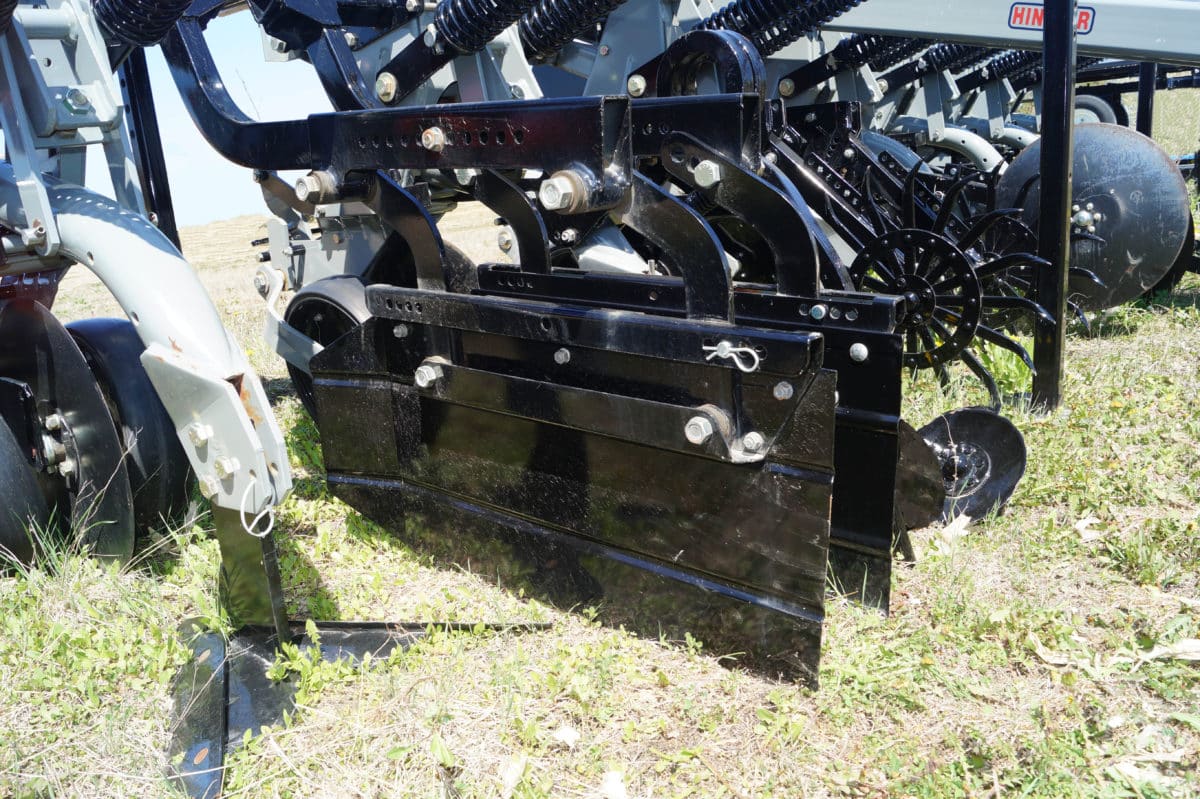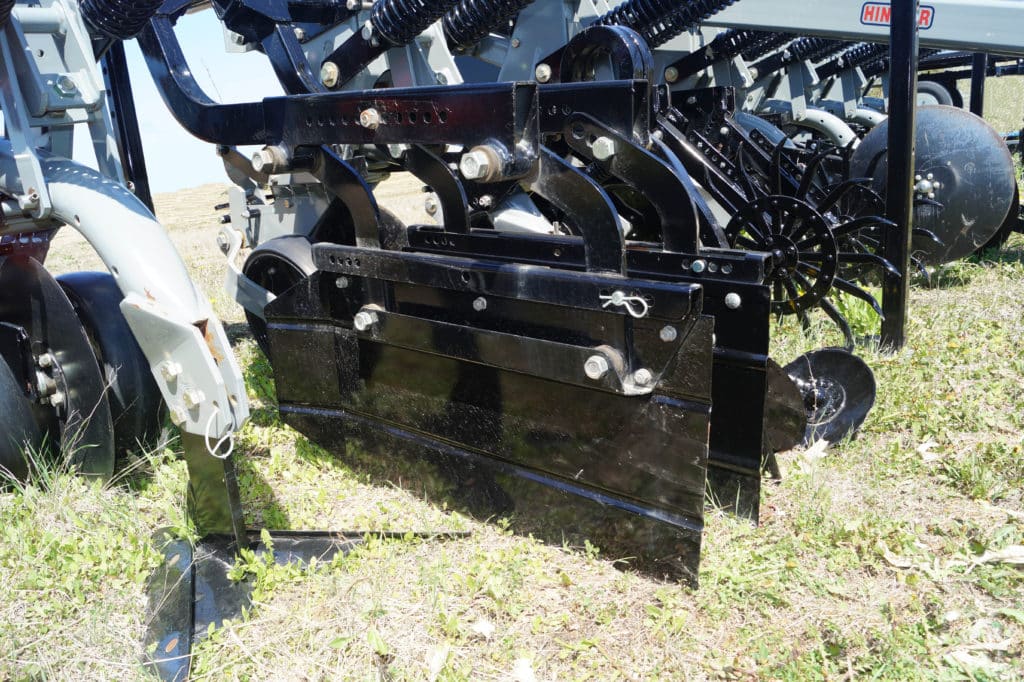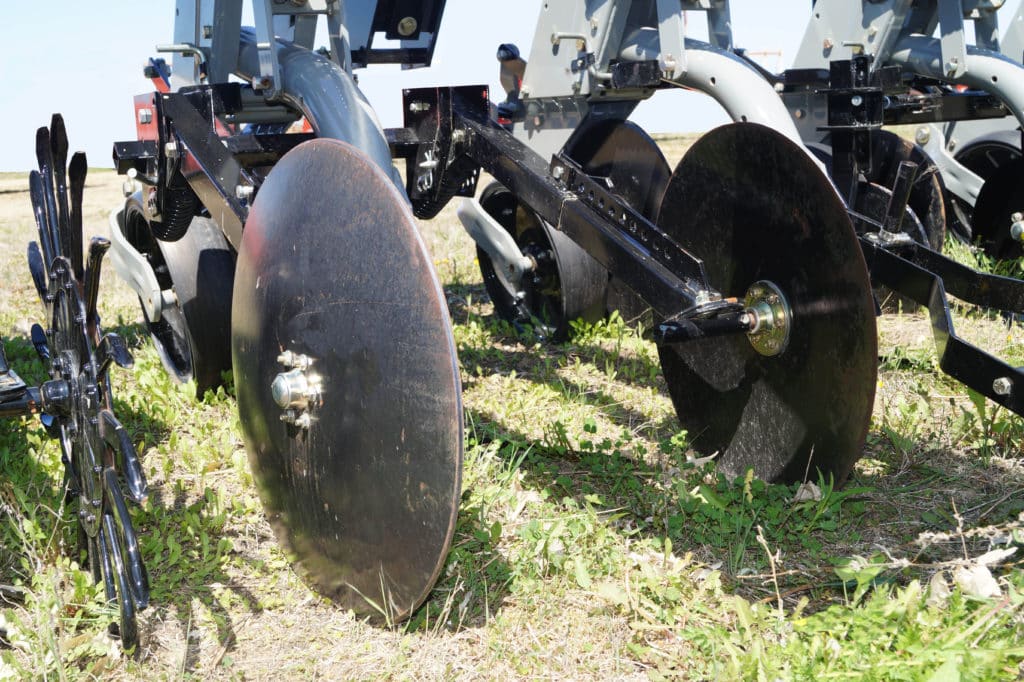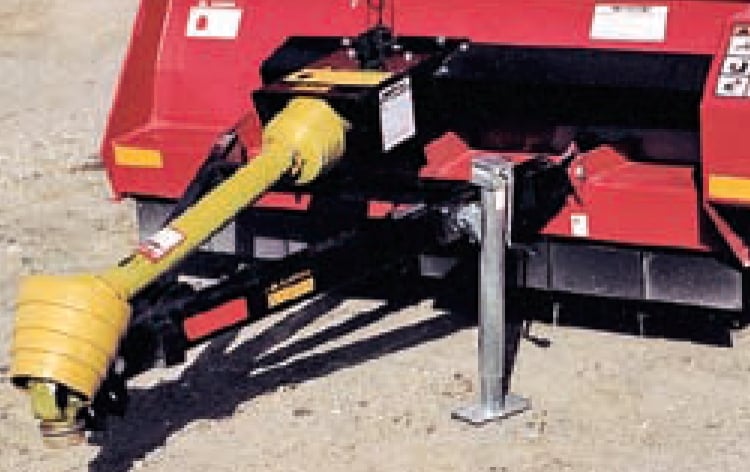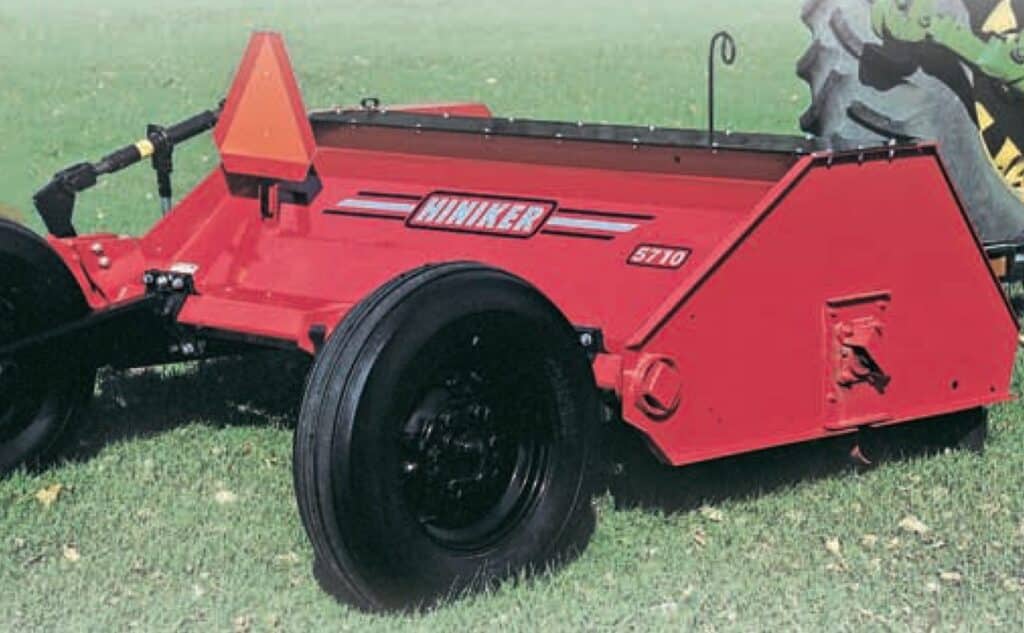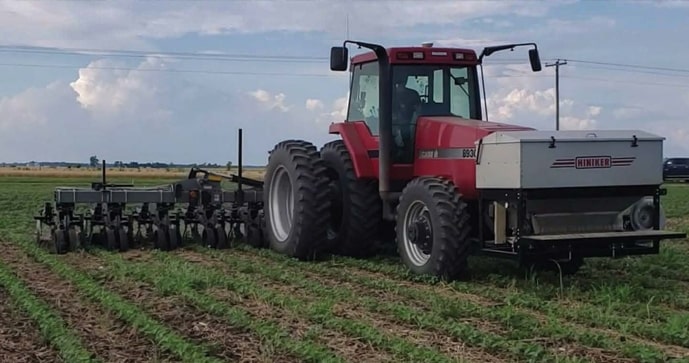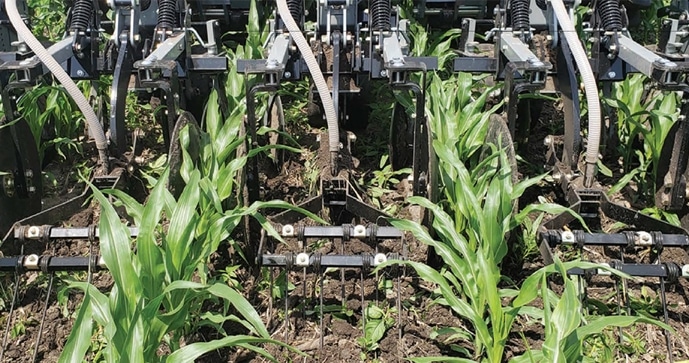
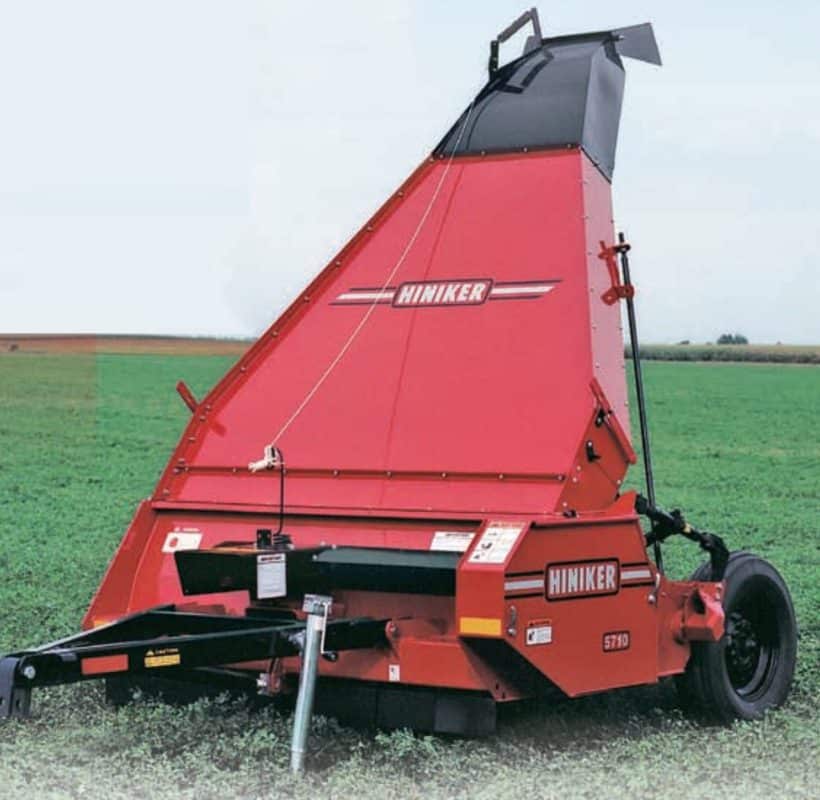
What Are the Primary Functions of Flail Shredders?

.

Flail Shredders.

Modern farming operations require an understanding of flail shredders to manage crop residues effectively.

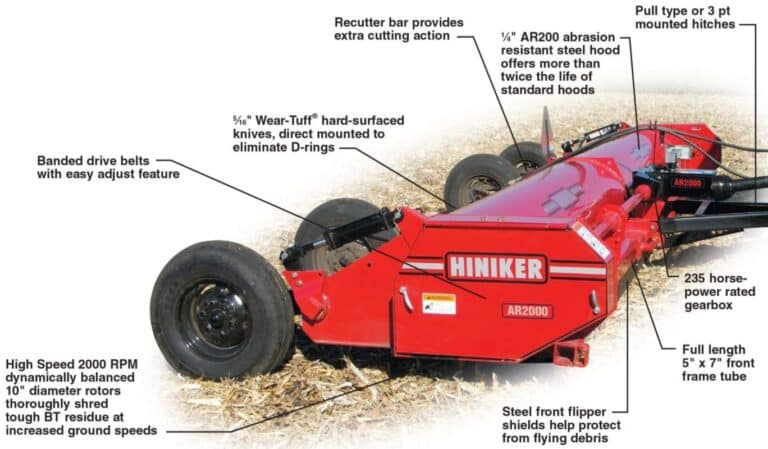
A successful crop rotation system requires effective residue management which many people often underestimate. Flail shredders provide farmers with a robust solution to manage dense crop residue whether they are prepping fields for planting or dealing with harvest leftovers. Flail shredders have the capability to process plant material from crops like corn stalks, cotton, and sorghum while ensuring efficient breakdown and supporting quicker decomposition and simplified tillage operations.

Hiniker has been a trusted provider of agricultural equipment for many years and their flail shredders deliver dependable performance in demanding farming environments. Hiniker produces shredders that demonstrate exceptional durability and performance while being user-friendly and are manufactured in Minnesota for use across the United States.


Efficient Residue Management After Harvest

Flail shredders serve a key role in handling leftover crop residue after harvest operations. Unmanaged plant materials like corn stalks and soybean stems generate significant agricultural challenges. Crop residue buildup obstructs tillage machinery and hampers seeding procedures while raising the likelihood of pest infestations and plant diseases.

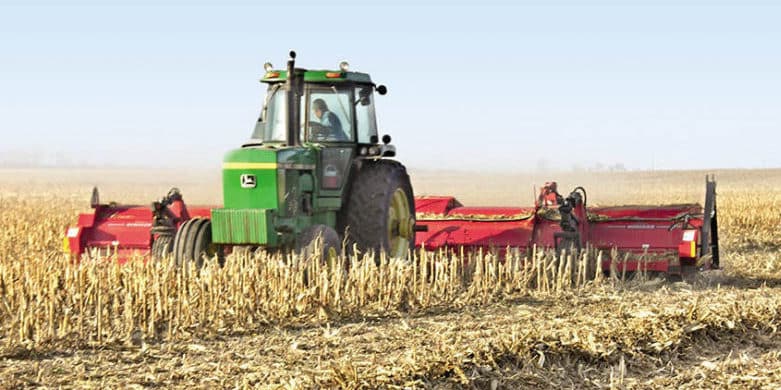
Farmers who operate flail shredders to chop and spread residue across their fields achieve better plant matter decomposition and prepare their soil for following crop cycles. Hiniker’s flail shredders manage heavy-duty work across extensive acreages and achieve minimal operational interruptions. Farmers achieve a cleaner and more uniform field that becomes simpler to manage while producing better results over time.


Promoting Faster Decomposition and Soil Health

Flail shredders perform dual functions by clearing fields and establishing foundations for enhanced soil health. The machines work to speed up natural decomposition by cutting plant material into smaller fragments. The soil gains valuable nutrients through this process while experiencing an increase in its organic matter content.

When shredded material from harvest is integrated into the soil immediately it boosts microbial activity and moisture retention while decreasing soil erosion. Growers who practice conservation tillage or no-till methods should pay close attention to this technique. Hiniker shredders represent a wise purchase for businesses that prioritize environmental performance alongside high yield operations.

.

Flail Shredders

.

Preparing Fields for Spring Tillage or Planting

Flail shredders play a crucial role in preparing fields for future agricultural use. Farmers frequently use shredders to process residue in the fall which simplifies spring tillage operations. Equipment can become entangled with excess stalks and stems or experience planting skips because of them. Shredding debris makes field surfaces easily workable for ground-breaking activities.

Several operations achieve their objectives by combining shredders with windrowers. Depending on their operational goals, windrowed material should either be baled or removed. Talk to your windrower dealer about integrating Hiniker shredders into your plan for residue management. The durable build and flexible operation capabilities of these machines match well with different agricultural approaches.


Reducing Pest and Disease Pressure

When thick layers of residue remain on the ground, they create ideal conditions that enable pests and pathogens to survive through winter. Untreated crop debris serves as a protective environment where corn borers and rootworms along with various other insects seek shelter. The act of shredding residue breaks this dynamic by eliminating habitats and exposing the material to natural forces.

The technique maintains lower pest pressure on subsequent crops while diminishing the reliance on harsh chemical treatments. High capacity flail shredders serve as equipment for field cleanup and integrated pest management solutions.


Built for Versatility and Durability

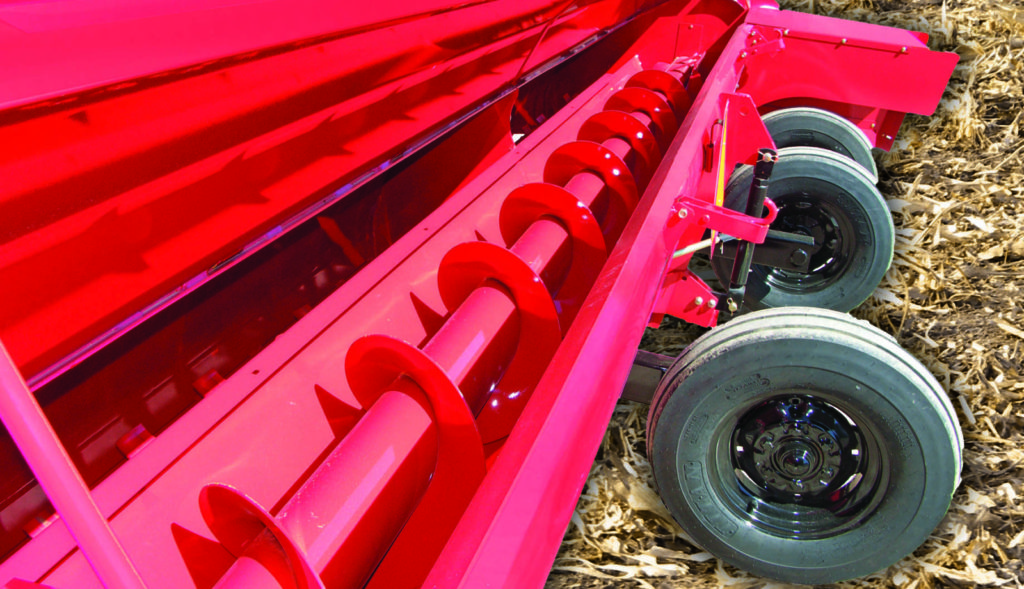
Hiniker flail shredders are engineered to efficiently manage an extensive range of crop types and agricultural field environments. These machines work with a range of plants including soybeans, cotton and cover crops because they can adapt to handle nearly all types of work. Hiniker delivers adaptable solutions through features like adjustable cutting heights combined with wide working widths and heavy-duty flails.

Hiniker has become a trusted flail shredder manufacturer across the nation through its consistent production of reliable machines that farmers depend on every year. Their machine designs focus on easy maintenance and serviceability to allow for quick maintenance work and reduced operational downtime.


Why Dealer Support Matters

A partnership with knowledgeable flail shredder dealers gives you access to detailed product information and replacement parts while ensuring dependable service support to keep your work running smoothly. The dealer support network provides essential assistance with setup and adjustments as well as repair work which helps maximize your shredder investment returns. Dealer support close to your location ensures immediate access to solutions regardless of whether you manage 200 or 2,000 acres.


A Smarter Way to Manage Residue

Flail shredders function as essential components of contemporary field management practices. Flail shredders clean fields of unwanted residue while promoting decomposition and soil health which leads to better pest control and prepares the field for upcoming planting seasons. Effective use of these machines results in time savings and input cost reductions while optimizing yield potential.

Hiniker’s collection of flail shredders ensures outstanding performance and long-lasting durability to empower farmers to face current challenges confidently. Hiniker offers durable solutions for both first-time shredder buyers and those looking to replace older models.


Contact Your Local Hiniker Dealer Today!

Hiniker provides the tools you need to enhance your residue management techniques and prepare your fields to achieve higher yields. The flail shredders from Hiniker demonstrate real-world performance through features that create meaningful differences.

Reach out to your local Hiniker Dealer to discover how their flail shredders can enhance your operation and maximize your yield per acre.

.

Flail Shredders

.

Every successful farming operation relies on hard work, the right people, and the proper equipment – that’s where Hiniker comes in. When you need the latest equipment to make your farm operations as efficient as possible, our team is ready to assist.

Hiniker is proud to be one of the most reliable sources when it comes to farm equipment manufacturing. Since 1970, we have been building durable and productive equipment to help our friends in the agriculture community.

We carry the latest equipment, whether it’s cultivators, cover crop seeders, rate controllers, shredders & windrowers. Let Hiniker assist you with all your farming equipment needs.

Find your Hiniker Dealer today to find out more about our amazing agricultural equipment.

Follow us on Facebook

All the Benefits of Automatic Rate Controllers for Farmers

.

Automatic Rate Controllers

Maximizing Efficiency: Modern agriculture has seen increasing use of automatic rate controllers to enhance farming efficiency.

Modern precision farming demands precision and efficiency as absolute necessities. Automatic rate controllers serve as vital equipment for farmers who aim to enhance productivity while protecting their financial interests. The systems provide consistent application of fertilizer and herbicide as well as anhydrous ammonia by delivering precise amounts with minimal waste while maintaining maximum control. Hiniker stands as a dependable source for American-manufactured farming equipment by understanding the specific challenges that producers encounter. Their technology focuses on making systems easy to use while maintaining rugged reliability and proven accuracy through field testing.


Automatic Rate Controllers — Essential Systems for Accurate

Systems called automatic rate controllers manage and oversee the application rate of various agricultural inputs. These systems operate automatically to adjust flow rates through continuous monitoring of ground speed, pressure, and equipment calibration instead of depending on manual adjustments or guesswork. The system enables highly accurate input application no matter if you’re handling liquid fertilizer or seed delivery systems or using anhydrous ammonia.

Farmers understand that field conditions can shift rapidly. Automatic rate controllers provide operators with peace of mind as they make real-time adjustments to output that prevent under-application and overuse along with uneven coverage risks.


Improved Accuracy Leads to Better Yields

The primary advantage of automatic rate controllers is that they provide enhanced application accuracy. Consistent application rates across diverse fields help minimize nutrient runoff while encouraging even crop growth and optimizing the return on input costs.

Agricultural professionals who apply anhydrous ammonia must achieve this precision level because it is crucial. Hiniker’s engineered anhydrous ammonia rate controllers enable farmers to deliver nitrogen with precision and no guesswork. Your crops receive protection while you maintain adherence to environmental best practices.


Save Time, Reduce Waste, and Lower Costs

Farming is a business of margins. Applying too many inputs wastes resources and reduces profits whereas insufficient application results in poor crop performance and additional work. Automatic rate controllers eliminate these costly miscalculations. These controllers make every application pass effective by preventing product waste and reducing operator fatigue from ongoing monitoring requirements.

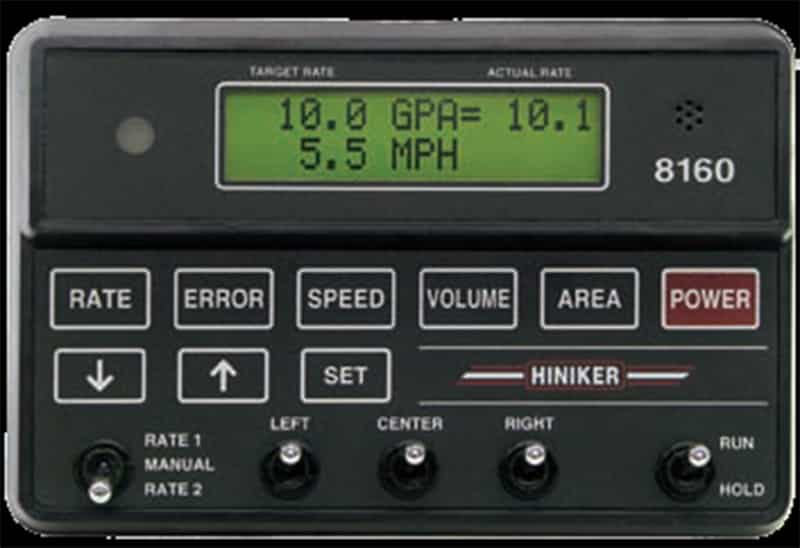
The simplicity-focused design of Hiniker’s systems allows operators to manage application rates through one unified screen interface. Operators gain extra time to cover larger fields because they spend less effort adjusting controls which enhances efficiency and lowers costs.

.

Automatic Rate Controllers.

Integration with Modern Monitoring Tools

Today’s systems don’t operate in isolation. Hiniker’s automatic rate controllers feature seamless compatibility with other in-cab technologies. The data maintains a consistent and clean flow when operators use GPS mapping tools together with yield monitoring software.

Automatic rate controllers achieve complete system performance visibility when combined with devices such as an anhydrous line monitor or anhydrous flow monitor. The system immediately identifies pressure drops and flow disruptions to enable operators to take timely preventive actions before problems escalate. Real-time feedback systems protect both your farming equipment and your agricultural output.


Designed for Durability, Built for the Field

Hiniker has gained nationwide grower trust through its dedication to producing durable equipment that is ready for field conditions. Hiniker’s automatic rate controllers are designed to endure dust and vibration while handling unpredictable agricultural environments.

Reliability becomes critical when operating complex systems like anhydrous ammonia knife monitors because both precision and costly downtime need to be minimized. Hiniker stands out as the top automatic rate controller provider for serious agricultural producers since its products combine tough construction with user-friendly interfaces and dependable customer support for lasting performance.


Adaptable Across Crops and Applications

Automatic rate controllers deliver universal benefits for all types of crops including corn, soybeans, and small grains. Tailoring application rates to crop types and soil conditions while using prescription maps ensures you apply only necessary amounts of material.

Rate controllers from Hiniker offer producers a reliable way to maintain consistent fertilizer application across different crops and field conditions. Transitions between different systems or setups become effortless and fast with Hiniker’s intuitive user interface.


The Bottom Line: Precision, Performance, and Peace of Mind

Farming fundamentally involves maximizing the effectiveness of each input across every pass through the fields and throughout each growing season. With automatic rate controllers, farmers no longer need to worry about application accuracy which enables them to concentrate on their main task: growing crops. The transition toward Hiniker systems becomes obvious for farmers because of benefits such as greater accuracy and lower expenses along with healthier crops and more efficient workflows.

Hiniker’s controller solutions enable producers to farm more intelligently and efficiently with products ranging from fertilizers to anhydrous.


Contact Your Local Hiniker Dealer Today!

The next level of operation precision and waste reduction is within reach when you choose Hiniker to assist you. Their systems combine rugged durability with user-friendly operation to achieve critical performance during field operations.

Reach out to a nearby Hiniker Dealer to discover ways automatic rate controllers can enhance your farm’s success this season and in future seasons..

.Automatic Rate Controllers

Every successful farming operation relies on hard work, the right people, and the proper equipment – that’s where Hiniker comes in. When you need the latest equipment to make your farm operations as efficient as possible, our team is ready to assist.

Hiniker is a reliable automatic rate controller manufacturer. Since 1970, we have been building durable and productive equipment to help our friends in the agriculture community.

We carry the latest equipment, whether it’s cultivators, cover crop seeders, rate controllers, shredders, windrowers, or a forage chopper. Let Hiniker assist you with all your farming equipment needs.

Find your Hiniker Dealer today to find out more about our amazing agricultural equipment.

Follow us on Facebook

.

Making Sure Your Corn Cultivator is Ready for Use

.

Corn Cultivator

.

Ensuring Peak Performance: Preparing Your Corn Cultivator for the Season

Corn producers kick off every growing season by ensuring their corn cultivator is fully operational. Maintaining equipment readiness is crucial for both planting operations and controlling weeds between rows. Optimal agricultural results depend on a well-functioning cultivator which prevents missed growing opportunities. Hiniker provides essential tips to ensure your row cultivator performs effectively when it matters most.


Check the Frame and Row Units to Confirm Structural Integrity

Perform a complete visual check on your corn cultivator before going into the field. Examine the frame structure along with shanks and row units to ensure proper functionality. Extended rugged use combined with storage during the off-season can create minor wear and stress fractures that remain undetected. Ensure that all components maintain a perfect square alignment without any rust or warping. Frame damage or structural problems can negatively affect row spacing and depth control which leads to reduced crop performance.

Make sure that both the toolbar and mounting brackets remain secure and level throughout the inspection process. Misalignment creates uneven cultivation patterns and causes missed rows while imposing excessive wear on one side of the machine.


Check Tines, Shovels, and Sweeps for Wear

The condition of ground-engaging tools determines how well soil disturbance occurs. The working components of your corn cultivator — such as tines, shovels, and sweeps — perform the main labor and any wear or dullness in these parts can cause significant performance drops. Replacing worn parts enhances machine efficiency while safeguarding other equipment components from undue stress.

Your soil type and field conditions can require cultivator points to be replaced more often. During periods of intense cultivation most skilled operators maintain additional spare parts readily available.


Test Hydraulic Systems and Depth Settings

Examining hydraulic performance remains a critical aspect of evaluation. Damaged hoses along with leaks and sticky cylinders create uneven depth control which results in erratic cultivator function. Operate the cultivator throughout its complete range of motion while monitoring for abnormal movements.

Check that the depth control mechanisms operate according to their design specifications. For successful corn cultivation, especially during the early growth stages, it is crucial to maintain a uniform planting depth. Depth irregularities may result in root damage or failure to control weeds. Make necessary adjustments to the equipment and perform calibration according to your specific row spacing and soil conditions.

.

Corn Cultivator.

Lubrication and Maintenance Go a Long Way

Consistent lubrication minimizes friction and extends the equipment’s lifespan by preventing early wear. According to your corn cultivator maintenance manual properly grease all fittings along with joints and bearings. Hiniker row cultivators have sealed components, but durable operation depends on routine maintenance.

It is advisable to inspect for absent or damaged safety shields, decals, and fasteners during this maintenance phase. The presence of these elements helps ensure that the implement operates safely while boosting its long-term reliability.


Evaluate Your Cultivator’s Compatibility with Soybeans

Even though the primary crop is corn, many farmers practice crop rotation and operate the same machinery across different fields. You should examine whether your cultivator equipment is configured to manage soybean fields. While soybeans necessitate shallower cultivation the same primary implement can usually be adapted to fulfill both functions. Before changing crops make sure to evaluate your soybean cultivator settings for both row width adjustments and residue management strategies.

Producers who use both a corn cultivator and soybean cultivator can benefit from Hiniker’s flexible solutions which help reduce downtime and optimize equipment usage throughout the growing season.


Don’t Overlook Your Dealer Support

Producers frequently miss out on the benefits of conducting a preseason meeting with local corn cultivator dealers. Dealers provide essential support with replacement parts and setup guidance specific to different equipment models. They can identify minor equipment problems early to prevent costly field repairs. Soybean cultivator dealers also possess specialized knowledge regarding dual-purpose equipment to provide optimal setup recommendations for your operation.

Row cultivator dealers offer guidance on Hiniker equipment advancements including precision row guidance and rugged design innovations to potential buyers seeking new implements.


Why It Matters

Ensuring your corn cultivator is prepared for field operations helps save time while minimizing breakdowns and securing your investment. A machine tuned correctly delivers consistent performance while optimizing weed control and nutrient incorporation. These benefits lead directly to healthier plants which result in a more profitable harvest.

Hiniker cultivators deliver the durability and performance farmers require yet demand regular maintenance and preparation just like any machine. Every action from bolt tightening to hydraulic testing leads to reduced seasonal issues.


Contact Your Local Hiniker Dealer Today!

Farmers should now check their corn cultivators to ensure they are operating at optimal performance. Hiniker provides both tools and professional guidance to ensure your success whether you are doing routine maintenance or thinking about an upgrade. Hiniker backs every product it creates with decades of expertise in farmer support.


Reach out to your area Hiniker Dealer right now to prepare your cultivator for immediate field operation.

.

Corn Cultivator

.

Every successful farming operation relies on hard work, the right people, and the proper equipment – that’s where Hiniker comes in. When you need the latest equipment to make your farm operations as efficient as possible, our team is ready to assist.

Hiniker is proud to be one of the most reliable sources when it comes to farm equipment manufacturing. Since 1970, we have been building durable and productive equipment to help our friends in the agriculture community.

We carry the latest equipment, whether it’s cultivators, cover crop seeders, rate controllers, shredders, windrowers, or a forage chopper. Let Hiniker assist you with all your farming equipment needs.

Find your Hiniker Dealer today to find out more about our amazing agricultural equipment.

Follow us on Facebook


Ridge-Till Cultivators: When do You Need Them?

.

Ridge-Till Cultivators.

The practice of soil management establishes the foundation for a successful growing season according to all farmers. As operations increase their focus on conservation techniques and sustainable practices, ridge-till systems are receiving new attention. Ridge-till farming aims to decrease soil erosion and enhance moisture retention but needs special tools to preserve ridges and control weeds in rows. That’s where the ridge-till cultivators come into play.

Hiniker has maintained its reputation as a trusted farm equipment manufacturer since the 1970s by understanding the practical needs of row-crop producers. Our tools deliver durability and precision to serve customers from Minnesota through Missouri and beyond. The article explains the necessity of ridge-till cultivators and their unique features compared to other tillage systems while establishing Hiniker as a top manufacturer of ridge-till cultivators across the nation.


Understanding Ridge-Till Systems

Ridge-till farming combines conservation principles by keeping past crop residues on the soil surface while shaping and keeping raised planting beds or ridges in place. The ridges function as natural barriers against erosion while promoting better water absorption and more effective soil structure. Farmers generally plant seeds directly into the ridges that remain after the previous season.

Proper maintenance of ridges remains essential for the functioning of ridge-till systems. The combination of rainfall, traffic, and residue over time can lead to the beds becoming flattened. This is where ridge-till cultivators prove essential. Ridge-till cultivators restore ridge structure and eliminate early weeds to prepare the field for optimal planting conditions.


When to Use Ridge-Till Cultivators

Farmers should operate ridge-till cultivators between the time crops emerge and before the crop canopy closes. Farmers who cultivate early to mid-season can successfully eliminate weeds mechanically while simultaneously improving soil aeration and reconstructing ridge structure through a single pass.

Farmers should operate their cultivator when they notice weeds developing between rows or if the ridges show signs of being shallow or washed away. Ridge-till cultivation maintains row structure protection while accelerating soil warming which benefits cooler climates and wet spring conditions.

The cultivation system requires growers to maintain a consistent schedule throughout the growing season. The flexibility in timing and setup offered by Hiniker’s models helps farmers adapt their cultivation passes to variable field conditions.

.
Ridge-Till Cultivators

Ridge-Till vs. No-Till Cultivators: What’s the Difference?

Ridge-till and no-till cultivators can be confusing because they both maintain residue and disturb soil minimally. But their purposes and operations differ.

The ridge-till farming process reshapes raised beds and manages them while protecting crops with shields and row guidance systems that lift soil into proper positions. The primary objective of no-till cultivation remains to keep soil intact while controlling weeds and planting cover crops.

Farmers who choose no-till cultivator dealers usually prioritize systems with minimal soil disturbance, but ridge-till growers accept limited soil movement to benefit from structured rows and precise weed management. Hiniker provides specialized cultivator models which work with both ridge-till and no-till systems to suit their particular field requirements.

Ridge-till cultivation keeps row structure intact while offering conservation tillage advantages and weed suppression, so growers can rely on it as a solid choice and turn to Hiniker as one of their best ridge-till cultivator suppliers.


Selecting a Ridge-till Cultivator? Consider Essential Features That Define Top-Tier Equipment

Farmers looking to either start or enhance their ridge-till system need to understand the key features that make up a quality cultivator. The ridge-till machine should include adjustable row units that provide excellent ground-following ability. The success of ridge-till farming depends on precise row shaping which avoids root zone disturbance and soil compaction.

It is necessary to have a toolbar that maintains enough clearance when working with crop residue and uneven terrain. Ridge-till cultivators from Hiniker handle various conditions effectively because of their open-frame designs and rugged construction which minimizes plugging.

Field operations demand that quality cultivators should feature easy adjustability. Hiniker provides straightforward adaptability for your machine to maintain efficiency through all conditions involving soil texture, row spacing, or crop stages.


Why Choose Hiniker for Ridge-Till Cultivation?

Ridge-till cultivator manufacturers have consistently trusted Hiniker for a valid reason. We manufacture our equipment in the Midwest and test it under real-world field conditions while our dealers provide support through their understanding of local farming challenges. Our ridge-till models deliver precise power output making them perfect for farmers who expect maximum efficiency per pass.

Hiniker distinguishes itself from other manufacturers who prioritize volume production or standard equipment by putting farmers first with customizable equipment and durable models as well as responsive dealer support. Producers seeking durable performance throughout the years choose Hiniker as their preferred dealer for ridge-till cultivators.

Multiple system managers can benefit from our conservation tillage solutions along with cover cropping and no-till cultivators which enable your operation to expand and adapt to evolving agricultural practices.


Conclusion: Know When Ridge-Till Is Right for You

Farmers who desire reduced tillage benefits while preserving erosion-resistant crop rows and healthy soil structure find ridge-till cultivation to be the best option. Ridge-till cultivators reshape and protect crop rows while mechanically controlling weeds to create ideal planting conditions and simultaneously preserve organic matter and support sustainable agricultural practices.

Hiniker provides both tools and expertise to assist farmers who operate ridge-till systems and those who are evaluating such systems. Our equipment benefits from field-tested designs and a nationwide dealer network to maximize productivity from every acre.

Reach out to your nearest Hiniker location today. We are proud to be one of the top ridge-till cultivator dealers in the industry. Working with us, you’ll discover how Hiniker equipment assists your conservation and farming objectives.

.Ridge-Till Cultivators.

Every successful farming operation relies on hard work, the right people, and the proper equipment – that’s where Hiniker comes in. When you need the latest equipment to make your farm operations as efficient as possible, our team is ready to assist.

Hiniker is proud to be one of the most reliable sources when it comes to farm equipment manufacturing. Since 1970, we have been one of the top no-till cultivator manufacturers in the industry. We take pride in making durable and productive equipment to help our friends in the agriculture community.

We carry the latest equipment, whether it’s cultivators, cover crop seeders, rate controllers, shredders, windrowers, or a forage chopper. Let Hiniker assist you with all your farming equipment needs.

Find your Hiniker Dealer today to find out more about our amazing agricultural equipment.

Follow us on Facebook


What is the Difference Between a Stover Chopper and a Shredder?

.

Stover Chopper.

Every farming season requires careful post-harvest residue management. Effective farming operations require suitable equipment for tasks such as clearing corn stalks, preparing for spring planting, and maintaining soil health. Stover chopper and shredder emerge as two primary terms in the discussion of farming equipment for residue management. Although they appear to be similar equipment, each device serves unique functions and operates in different ways.

Knowing how stover choppers and shredders differ aids you in selecting appropriate equipment for your specific residue management needs. Producers from across the nation collaborated with Hiniker to create durable and dependable equipment that performs effectively in extreme field environments. We will examine the distinctions between these tools and analyze how each contributes to enhanced field performance.


Defining the Role of a Stover Chopper

Stover choppers specialize in cutting and chopping the dense residue of row crops like corn and sorghum after harvest. Stover comprises agricultural waste materials such as stalks, husks, and leaves. A stover chopper breaks tough field residue into smaller pieces enabling faster decomposition and repurposing for applications such as livestock bedding or compost.

Stover choppers feature high-capacity blades and reinforced frames to manage dense plant residue under demanding conditions, unlike light-duty mowers. High-yield fields produce so much material that machines lacking sufficient capacity get overwhelmed. Hiniker’s stover choppers are specifically engineered for precision and power to consistently produce clean and even cuts under demanding conditions.


What Makes a Shredder Different?

A shredder operates as a stalk shredder or stover shredder handling post-harvest residue. The fundamental distinction lies in its material processing method. Stover choppers cut residue into smaller pieces whereas shredders crush it into tiny fragments before scattering the residue throughout the field.

Shredders effectively manage surface residue because their rotating blades or hammers can tear stalks apart. The shredding procedure leaves widely distributed plant material over the field which slowly decomposes to enhance soil organic matter and prevent erosion. Hiniker shredders generate fine residue distribution that benefits soil moisture management and field preparation for minimal or no-till systems.


Use Case Differences in the Field

Farmers choose between a stover chopper and a shredder based on their specific agricultural strategy. For field preparation of deep tillage or residue collection for baling or composting purposes stover choppers generate cleaner rows with more uniform material. The process becomes more manageable during later passes and residue collection for secondary applications.

In cases where managing surface residue to prevent erosion or enable reduced-tillage planting is your focus then a shredder emerges as the better choice. The technology achieves broad residue distribution that serves to insulate soil underneath while maintaining moisture levels and decreasing weed proliferation.

Hiniker offers equipment that allows you to customize your residue management strategy based on your field conditions and cropping system.

Stover Chopper

Equipment Design and Performance Considerations

Both tools serve post-harvest cleanup functions but operate with very different internal mechanics. A forage chopper operates similarly to a stover chopper and uses a controlled feeding system with high-speed knives to produce plant material of uniform sizes. Precision control over materials makes this approach perfect for silage production and cover crop management.

A shredder relies on its design to achieve quick operation and extensive area coverage. As the machine advances forward its horizontal rotor spins with blades that swing freely to aggressively chop material. The design works effectively in rough terrain while minimizing clogging and maintaining performance across different residue types.

Hiniker provides solutions that address all aspects of agricultural requirements. Our machines maintain their durability and farmer-friendly maintenance features whether you operate a forage harvester or handle heavy residue with a flail-style stalk chopper.


Which Tool is Right for Your Operation?

Selecting between a stover chopper and a shredder requires consideration of crop rotation patterns along with residue management objectives and tillage methods. For operations that prioritize clean residue removal while harvesting biomass for further use a stover chopper presents the optimal option. A shredder provides rapid broad-area breakdown and soil surface coverage making it an excellent choice for such needs.

Hiniker takes pride in equipping farmers with tools tailored to their farm’s operations and objectives. Decades of operational experience guide our equipment production while our trusted dealer network provides local understanding of field challenges and conditions.


Conclusion: Choose with Confidence

Modern agriculture benefits from both stover choppers and shredders as integral tools. Your field’s environmental conditions combined with your post-harvest plans and residue management strategies determine the best equipment choice. A clear grasp of each machine’s operating procedures and intended functions enables you to maximize your return on equipment investments.

Hiniker manufactures high-performance shredders, choppers and forage harvesters that deliver the rugged reliability customers depend on. Selecting Hiniker equipment guarantees consistent performance throughout every season.

Reach out to your local Hiniker Dealer to find the appropriate residue management tool for your farm and discover how Hiniker equipment maintains your operational efficiency and field readiness.

.

Stover Chopper

 .

Every successful farming operation relies on hard work, the right people, and the proper equipment – that’s where Hiniker comes in. When you need the latest equipment to make your farm operations as efficient as possible, our team is ready to assist.

Hiniker is proud to be one of the most reliable sources when it comes to farm equipment manufacturing. Since 1970, we have been building durable and productive equipment to help our friends in the agriculture community.

We carry the latest equipment, whether it’s cultivators, cover crop seeders, rate controllers, shredders, windrowers, or a forage chopper. Let Hiniker assist you with all your farming equipment needs.

Find your Hiniker Dealer today to find out more about our amazing agricultural equipment.

Follow us on Facebook


What Type of Stover Shredder is Best for You?

.

Stover Shredder

.

The efficient management of post-harvest residue has reached unprecedented levels of importance. Increased yields and limited planting windows require farmers to use equipment that clears fields while enhancing soil health and preparing for next season. A stover shredder becomes vital to your equipment lineup for efficient residue management.

Different shredders have unique features which means selecting the right model impacts how well your tillage system functions and your nutrient management while also determining how long your planting equipment lasts. Hiniker has invested many years developing residue management tools that remain rugged and dependable in various field conditions and deliver consistent effective performance. The efficiency of shredding corn stalks or soybean stubble and cover crop residue depends on having the appropriate tool.


Purpose of a Stover Shredder and Its Significance in Agricultural Practices

The stover shredder functions to break down and handle the leftover crop residue following harvest time. The practice of shredding stalks, leaves, and husks—known as “stover”—accelerates decomposition processes, enhances nutrient circulation, and readies fields for the upcoming planting season.

Unmanaged stover leads to blockages in planters while slowing down seed emergence and producing inconsistent seedbed conditions. Quality shredders reduce tough residues into smaller fragments which speeds up decomposition while reducing the chances of dense mats that limit early growth. Selecting the optimal model for your operation requires knowledge of your crop types combined with an understanding of your field conditions and management objectives.


Choosing Between Flail and Rotary Stover Shredders

Farmers commonly use two main types of stover shredders: flail shredders and rotary shredders. Every shredder type boasts distinct advantages which makes your choice dependent on your specific field goals.

Flail shredders built by Hiniker use horizontally spinning rotors with attached blades to break down crop residue. These shredders maintain precise ground contact and deliver uniform chopping performance when operating on uneven surfaces. Farmers who must manage dense heavy stubble from high-yield corn or sorghum fields typically choose flail systems.

Rotary shredders operate with a broader blade system to execute sweeping cuts. These devices perform well with lighter residues but face difficulties when dealing with fibrous stalks or moist soil conditions. Large-scale growers who need the best versatility choose flail shredders for their dependable heavy-duty performance.

Hiniker shredders stand out because of their durable construction and easy upkeep together with balanced cutting performance. Flail shredder dealers recognize Hiniker’s products as the preferred choice for farmers seeking durable machines that avoid unnecessary complexity.

.

Stover Shredder

.

Stalk vs. Stover Shredders: What’s the Difference?

Although the term stalk shredder is commonly used as a synonym for stover shredder, experts should recognize important distinctions between them. Stalk shredders target corn and sunflower stalks specifically through their specialized design for taller and denser plant materials. These machines have reinforced housings and heavy-duty blades to manage dense plant residue effectively.

Stover shredders operate across a broader spectrum of crop types and varying residue densities. This shredding option offers greater flexibility for operations that grow multiple crops together with cover crops in their crop rotation. Hiniker shredders function effectively both for tough stalks and mixed residue fields by performing clean operations across different materials.

Producers need versatile equipment to handle residue management tasks throughout the entire year with one machine.


Considering Flail Mowers in Residue Management

A number of farmers investigate flail mowers as a solution for cleaning up fields after harvest. Flail mowers function best with grass or small brush but use a cutting mechanism that operates like a flail shredder. Flail mowers usually lack the capacity to manage large amounts of crop residue across extensive acreage.

The majority of flail mower manufacturers engineer their equipment specifically to handle roadside maintenance and pasture management rather than the tougher requirements of crop field residue. That’s where Hiniker’s equipment stands out. Hiniker’s flail shredders deliver superior durability and cutting power while offering better field coverage than mowers because they are built exclusively for field residue.

Agricultural shredders specifically designed for farming produce optimal long-term residue breakdown and soil health results for farmers who value these outcomes.


Hiniker — A Dependable Brand in the Shredding Equipment Market

Hiniker has established a national reputation through its production of durable tools. Hiniker stands out as both a flail shredder manufacturer and a trusted dealer-backed brand by providing machines that offer enduring performance and reliable service throughout every season.

Hiniker provides farmers with flexible solutions for varying field conditions through their complete range of flail shredders and windrower attachments which also accommodate different crop types and harvesting methods. Hiniker provides field equipment setups suitable for both uniform residue spreading and specialized tasks such as baling or composting windrows.

The dealer network ensures you receive timely support and replacement parts to maintain operational efficiency during narrow timeframes. Farmers gain confidence by partnering with companies who fully understand their field needs.


Conclusion: Find the Right Shredder for Your Fields

Your ideal stover shredder should match your crop rotation system as well as your residue management needs and equipment objectives. Selecting the proper equipment becomes essential when handling high-yield corn stalks, maintaining soil health, or setting up for reduced-till planting to achieve maximum productivity and field readiness.

Hiniker provides a complete lineup of shredding solutions that function reliably and last under actual operating conditions. Our equipment lineup from flail shredders to windrow-capable systems delivers dependable performance that matches your work ethic throughout every farming season.

Get in touch with your local Hiniker Dealer to determine which stover shredder fits your needs and learn about how Hiniker can enhance your post-harvest residue management process.

.

Stover Shredder

.

Every successful farming oper.ation relies on hard work, the right people, and the proper equipment – that’s where Hiniker comes in. When you need the latest equipment to make your farm operations as efficient as possible, our team is ready to assist.

Hiniker is proud to be one of the most reliable sources when it comes to farm equipment manufacturing. Since 1970, we have been building durable and productive equipment to help our friends in the agriculture community.

We carry the latest equipment, whether it’s cultivators, cover crop seeders, rate controllers, shredders, windrowers, or a forage chopper. Let Hiniker assist you with all your farming equipment needs.

Find your Hiniker Dealer today to find out more about our amazing agricultural equipment.

Follow us on Facebook

Hiniker: One of the Top Flail Shredder Dealers

.

Flail Shredder Dealers

.

After the harvest season ends residue management emerges as one of the essential tasks farmers need to tackle in the field. Farmers understand that maintaining clean fields today will lead to an improved planting season in the future. Flail shredders are essential for this process while selecting the appropriate equipment dealer becomes increasingly important. Hiniker maintains its position as one of the top flail shredder dealers in the country among many competitors in the market.

Hiniker’s dedication to performance, reliability, and service has established its reputation through its rugged American-built shredders that meet modern farming demands. Hiniker operates from Minnesota yet serves customers nationwide by empowering producers to confidently manage their post-harvest cleanup operations beyond just selling shredding machines.


What Makes a Great Flail Shredder Dealer?

Successful flail shredder dealers provide services beyond just selling equipment. The dealer understands your farm’s crop types and residue management difficulties along with your operational objectives. Consistency in shredding corn stalks, sunflower stems and cover crop residue requires equipment that is simple yet effective.

Hiniker dealers deliver both product specifications and customized solutions to their customers. Farmers receive help from dealers to select appropriate machinery based on field dimensions alongside residue quantity and soil preservation techniques. The precision Hiniker dealers show is what makes them different from other flail shredder sellers.


Built for Performance: The Hiniker Advantage

Flail shredders need sufficient durability to process heavy residue and also produce a smooth consistent finish. Hiniker designs their shredders to deliver high strength combined with balanced performance and simple operation. Hiniker’s shredders integrate years of field experience into their reinforced frame and high-performance rotor design.

Hiniker — as a reputable flail shredder manufacturer — emphasizes essential farming qualities including durable construction, exact cuts and maintenance-free performance. The strong chopping action of their machines enables them to process tough crop debris so they perform optimally across various tillage systems and residue management plans.

The goal is simple: Aid producers to maintain high productivity while avoiding operational slowdowns and equipment breakdowns. It’s a standard Hiniker lives by.


Windrowing Options for Even Greater Versatility

Hiniker provides integrated windrowers for growers who need to collect or manage residue in rows. Hiniker stands as both flail windrower creator and supplier to help producers tailor their cleanup process after harvest for baling purposes or composting needs among other custom requirements.

Flail windrowers provide aggressive chopping capacity while delivering the capability to windrow materials during one pass. The improved efficiency of the system lowers fuel consumption while decreasing the number of passes and streamlining post-harvest cleanup operations. Hiniker’s flail windrowers stand out as dependable and efficient tools for both stalk baling and reduced-till planting field preparation.

Hiniker remains the preferred choice for flail shredder dealers because farmers recognize its benefits. Farmers invest in more than just a shredder when they purchase from Hiniker—they get a system that integrates seamlessly with their entire field management strategy.

.

Flail Shredder Dealers.

Trusted Nationwide, Backed by Local Support

Hiniker combines vast brand power with personalized small-town support through decades of expertise and national reach. Local dealer networks provide support for every Hiniker flail shredder by offering hands-on training and genuine replacement parts alongside tailored expert advice for your farm.

Your partnership with Hiniker eliminates the use of generic sales presentations. You join forces with professionals who understand both the importance of operational continuity and the financial consequences of operational interruptions. Hiniker achieves recognition as one of the premier flail shredder dealers across the country because of its unique farmer relationships beyond its manufacturing capabilities.


Why Hiniker Shredders Make a Smart Investment

Farmers require equipment that delivers results under actual working conditions and not merely what promotional materials claim. Hiniker shredders earn producer trust through their ability to manage the residue from high-yield crops. Hiniker flail shredders produce consistently clean and uniform outcomes whether you are clearing rows after harvest or preparing ground for spring planting.

The design of Hiniker machines focuses on easy maintenance to minimize downtime and prolong the lifespan of critical components. Hiniker’s dealer network provides immediate access to essential parts and expert services to get you back to work quickly when repairs are needed.

By delivering both long-term value and immediate performance results, Hiniker shredders represent an ideal solution for operations of varying sizes.


Conclusion: Choose Hiniker for Proven Results

The decision to select proper flail shredder dealers extends beyond convenience because it safeguards your fields and protects your financial investment in equipment and your valuable time. The Hiniker brand stands out for its real-world performance and dependable reliability.

Hiniker provides today’s farmers with essential tools like shredders and windrowers along with expert dealer support to keep their operations productive. For dependable equipment that matches your work ethic, Hiniker is the trustworthy choice.

Reach out to your local Hiniker Dealer now to discover the benefits of flail shredders and learn how Hiniker’s sturdy equipment enhances residue management through improved efficiency and effectiveness.

.

Flail Shredder Dealers.

Every successful farming operation relies on hard work, the right people, and the proper equipment – that’s where Hiniker comes in. When you need the latest equipment to make your farm operations as efficient as possible, our team is ready to assist.

Hiniker is proud to be one of the most reliable brands when searching for a flail windrower manufacturer or a flail windrower dealer. Since 1970, we have been building durable and productive equipment to help our friends in the agriculture community.

We carry the latest equipment, whether it’s cultivators, cover crop seeders, rate controllers, shredders, windrowers, or a forage chopper. Let Hiniker assist you with all your farming equipment needs.

Find your Hiniker Dealer today to find out more about our amazing agricultural equipment.

Follow us on Facebook


Explaining the Forage Process Within a Forage Harvester

.

Forage Harvester.

A forage harvester functions through a defined process that transforms crop material into feed.

Modern livestock and dairy operations depend heavily on forage harvesters as essential machines. These machines handle all forage processing steps from cutting and gathering to chopping and distributing with exceptional speed and precision. To people who don’t understand the inner workings of a harvester this system appears as an intricate combination of mechanical components.

Gaining knowledge about the operational process of a forage harvester enables you to optimize equipment performance while minimizing wear and achieving superior quality outcomes. For over several decades, Hiniker has focused on developing dependable forage tools that enable American farmers to operate more efficiently. This article will detail each phase of forage harvesting, explain machine functionality, and highlight what distinguishes top-performing systems during field operations.


Forage Harvester — Processes Crops Into Silage Material

Forage harvesters exist to cut and convert crops such as corn, sorghum, alfalfa and small grains into a uniform chopped silage product. The machine completes multiple tasks during a single pass which eliminates the requirement for several separate field operations. The harvester becomes an essential component in operations requiring promptness and superior feed quality by maintaining freshness while maximizing nutritional content in forage.

Both small- and large-acreage farming operations require systems that deliver consistent performance and dependability. Hiniker designs equipment with durability tested in the field and simplicity at its core so you can prioritize outcomes instead of repairs.


Intake: Gathering and Feeding the Crop

Forage processing initiates at the machine’s frontal area. The harvester collects crops from the field with its pickup head or row unit while it moves around. A flail forage harvester operates by using rotary motion flails to pull material into the processing chamber which makes it ideal for working in heavy-duty or high-residue environments.

Intake rollers or feed rolls push the crop forward to the cutting system after compressing the material. Feed rolls maintain consistent product flow and deliver crops evenly during the harvesting process. Uniform feeding remains critical because it stops clogging and keeps chop quality intact while enabling the machine to operate without issues.


Chopping and Processing: Breaking It Down

The collected material advances from the feed rollers to the chopping cylinder or cutterhead. The primary working component of the forage harvester is the cutterhead. Through high-speed rotation the cutterhead slices forage material into even lengths. The cutting lengths can generally be modified depending on the nutritional requirements, storage techniques and herd requirements.

Hiniker engineers forage chopper systems to deliver precise cutting performance while maintaining high processing speed. The knives are designed for optimal sharpness and balance while maintaining durability which protects surrounding parts and delivers precise cutting with every use.

Certain models feature a kernel processor or conditioning unit that helps break down plant material further but especially corn silage to enhance digestibility. The base chopping system proves to be fundamental for achieving uniform storage density and maintaining packing consistency.

.

.Forage Harvester

.

Discharge: Moving Forage from Field to Storage

After chopping the material, it is transported to the discharge spout through the action of a blower or conveyor system. The chopped material is then transported to either a wagon, truck or storage area by way of a directing mechanism. Maintaining proper discharge speed and direction during forage transport ensures even loading and consistent feed quality while reducing compaction issues.

For windrow-based harvesting systems a stalk chopper or windrowing shredder helps manage residue and facilitates smooth forage collection when used with or before a forage harvester. Harvester efficiency and field pass numbers decrease when users optimize the timing and integration of these tools.


Maintenance and Design: Why Build Quality Matters

The heavy workload of cutting, compressing, and blowing thousands of pounds of material every hour leads to extreme wear on a machine. The manufacturers of flail forage harvesters need to produce equipment capable of handling intense operational stress. Hiniker’s equipment uses reinforced frames and heavy-duty bearings to create operator-friendly models which simplify maintenance while retaining top performance.

All components from the intake to the spout perform their tasks without adding complexity to the system. By maintaining a simple design approach manufacturers achieve fewer breakdowns while making operator training more efficient and decreasing long-term ownership expenses.

When you need new equipment or maintenance support, experienced flail forage harvester dealers provide precise advice based on your specific crop requirements and soil conditions together with your operational objectives.


Why Precision Matters in Forage Harvesting

The impressive mechanics of a forage harvester are secondary to producing high quality chopped material. Maintaining precise cutting lengths during silage harvest results in better compaction outcomes for storage silage. Clean slicing protects digestibility. Livestock experience less stress when they receive a regular feeding schedule which results in improved weight gain and increased milk production.

It’s essential to comprehend both the operation of a forage harvester and its proper maintenance in addition to its basic use. A deep knowledge of the process improves your ability to produce quality feed which helps maintain a robust herd and maximizes yields.


Conclusion: Trust the Process, Trust the Equipment

The forage harvester performs precise processing steps which include gathering, chopping, and discharging forage material. Feed quality along with storage success and operational efficiency depend on the vital role of each step in the process. We design equipment with the complete process in mind at Hiniker so farmers can rely on their machines to perform when it matters most.

Your forage operation will achieve smoother operation and increased profitability through appropriate knowledge combined with regular maintenance alongside a reliable equipment partner. Reach out to your local Hiniker Dealer to discover information about our reliable and proven forage systems and experience how superior design translates to superior results.

.

Forage Harvester .

Every successful farming operation relies on hard work, the right people, and the proper equipment – that’s where Hiniker comes in. When you need the latest equipment to make your farm operations as efficient as possible, our team is ready to assist.

Hiniker is proud to be one of the most reliable flail forage harvester manufacturers. Since 1970, we have been building durable and productive equipment to help our friends in the agriculture community.

We carry the latest equipment, whether it’s cultivators, cover crop seeders, rate controllers, shredders, windrowers, or a forage chopper. Let Hiniker assist you with all your farming equipment needs.

Find your Hiniker Dealer today to find out more about our amazing agricultural equipment.

Follow us on Facebook

Tips to Keep Your Stalk Chopper Maintained for the Long Haul

.

Stalk Chopper

.

Longevity of Your Stalk Chopper Depends on Proper Maintenance Techniques

Even after the harvest is complete and all corn rows have been cleared the field maintenance work remains essential. Stalk choppers require proper maintenance to manage field residue effectively and prepare soil for future planting while promoting sustainable soil health. The performance of a chopper depends entirely on the maintenance it receives because it functions as hardworking farm equipment.

Hiniker recognizes that your equipment represents a long-term investment. Our stalk choppers demonstrate rugged performance through their design to efficiently process heavy residue with both strength and precision. For optimal performance every year it becomes essential to maintain your equipment through consistent upkeep.

These practical maintenance tips will help you maintain your stalk chopper’s peak performance whether you’re ending the current season or getting ready for the next one.


Understand the Demands on Your Stalk Chopper

Before starting maintenance routines for your stalk chopper you should understand the challenges it faces. This equipment faces daily impact from corn stalks and sunflower stems as well as soybean stubble and cover crop residue while also dealing with vibration, dust, and debris.

Every time the chopper moves through the field it causes blades, bearings, and drive systems to wear down. If these minor stresses remain unaddressed, they will eventually develop into more significant issues. Active maintenance work protects your investment while minimizing operational interruptions and maintaining top performance during critical periods.


Start with the Blades

Your chopper operates effectively because its blades function as its beating heart. When blades become dull or damaged, they create uneven cutting patterns resulting in residue that remains too long or becomes too clumpy while spreading improperly. Soil coverage suffers from this problem, and it disrupts both decomposition processes and spring planting operations.

Inspect every blade for condition both before and after operating. Inspect the blades for indications of wear damage along with cracks and balance discrepancies. The sharpness of the machine’s blades must be uniform throughout the entire width. Vibration together with inconsistent chopping indicates that blade maintenance is needed.

Maintaining blade sharpness through frequent sharpening and applying the correct torque when fastening blades leads to consistent clean cuts no matter what field conditions exist. To achieve quality performance when operating your machine as a stalk shredder, stover chopper, or strip-till preparation system you need sharp blades.

.

Stalk Chopper

.

Monitor the Drive and Gear System

Chopping operations require the drive system to manage an extreme amount of load. Inspect belts, chains and gearboxes on a regular basis to ensure proper tension and alignment. Minor misalignment in the system gradually creates stress that leads to overheating and wear while increasing the risk of unexpected failures.

Apply recommended lubricant to bearings and pivot points through routine maintenance. Avoid applying too much grease because it might push contaminants through seals. Regularly check for heat around bearings after use to identify potential lubrication issues or signs of future failure.

An efficiently maintained drive system delivers complete power to the chopper blades while preventing needless deterioration of internal parts.


Pay Attention to Debris Management

Residue management remains essential regardless of whether you operate a stover shredder or a windrow setup during stalk chopping. When too much debris accumulates it can block blade movement and airflow while causing belt slippage and overheating.

Remove all material underneath the deck and behind covers while cleaning around the bearings after each operation. Regular cleaning of your machine enhances visibility during inspections and problem detection.

The effectiveness of residue distribution in a windrowing shredder depends heavily on the airflow through its system. Keeping vents and openings free of debris ensures consistent spreading patterns while boosting machine performance.


Check Frame Integrity and Mounting Points

The hardest machinery will eventually display signs of wear and stress after prolonged use in the field. Examine the frame and mounting points to identify any cracks, loose bolts or structural flexing. You should examine the welds located around high-stress areas such as wing hinges or toolbar mounts closely.

When you detect any abnormalities such as uneven wear or unusual vibrations you should investigate them before going back to work in the field. Correcting structural problems at the beginning stages helps avoid extensive downtime and expensive repairs in the future.

When your stalk cutter stays balanced and level while being firmly attached it leads to both smoother operation and better field outcomes.


Don’t Overlook Off-Season Storage

The way you store your stalk chopper after the season ends affects its performance for the next year. Clean your machine completely while checking all parts that wear down and remove water to prevent rust and freezing damage.

Keep your chopper protected from weather damage by storing it indoors or under cover whenever possible. Rubber components degrade under moisture and UV exposure while metal parts corrode and seals and bearings fail to operate as long.

You can avoid spending multiple days on repairs next spring by dedicating a few hours to storage preparation now.


Why Routine Maintenance Pays Off

Regular maintenance becomes an investment in operational dependability instead of just another task to mark off the list. Regular maintenance of choppers leads to less equipment failure while enabling farmers to achieve cleaner fields and reduce repair expenses over time. Farmers who perform regular maintenance eliminate the stress of missing critical application periods because of avoidable breakdowns.

Hiniker builds machines that last. Applying correct maintenance techniques enables you to lengthen the lifespan of your equipment while achieving a clean finish across all acres.


Conclusion: Keep Your Equipment Field-Ready Year After Year

The stalk chopper plays a critical yet often overlooked role in post-harvest field operations. The stalk chopper helps prepare the soil while managing crop residue to maintain healthy conditions for future planting. Through simple maintenance practices involving blade care along with drivetrain maintenance and debris removal combined with proper storage you can safeguard your investment to ensure long-lasting performance.

Local Hiniker Dealers can provide you with expert guidance and replacement parts for your equipment needs. Hiniker provides reliable support together with durable equipment enabling you to maintain productivity in all seasons.

.

Stalk Chopper

.

Every successful farming operation relies on hard work, the right people, and the proper equipment – that’s where Hiniker comes in. When you need the latest equipment to make your farm operations as efficient as possible, our team is ready to assist.

Hiniker is proud to be one of the most reliable sources when it comes to farm equipment manufacturing. Since 1970, we have been building durable and productive equipment to help our friends in the agriculture community.

We carry the latest equipment, whether it’s cultivators, cover crop seeders, rate controllers, shredders, windrowers, or a forage chopper. Let Hiniker assist you with all your farming equipment needs.

Find your Hiniker Dealer today to find out more about our amazing agricultural equipment.

Follow us on Facebook

NH3 Ammonia Rate Controllers: Helping Farmers with Application Rates

.

NH3 Ammonia Rate Controllers.

Modern row crop production now operates under precision agriculture as its standard practice. Within nitrogen application procedures farmers need accurate measurement because it is essential to their work. NH3 ammonia rate controllers provide a solution to this challenge. These systems control flow and application rates in real time to enable farmers to utilize fertilizer more efficiently and minimize waste while achieving higher yields.

Hiniker delivers operator-friendly farm equipment and advanced NH3 application systems that reduce job complexity while ensuring outstanding field performance. Growers gain peace of mind about variability through proper equipment which enables them to concentrate on achieving results.


Maintaining Precise Ammonia Rates During Application

Anhydrous ammonia (NH3) application demands careful balance. If ammonia application rates are too low, you may fail to provide adequate nutrition to your crops. Excessive use leads to wasted resources while causing plant stress and soil damage. The movement of nitrogen and its application depend on weather patterns, soil characteristics, and field variations.

NH3 ammonia rate controllers are now essential tools used by farms to achieve precise nutrient management. These systems modify flow rates automatically to match your target rate and travel speed, so each acre gets precisely what it needs. These systems remove uncertainty from operations which enables farmers to remain efficient while adhering to nutrient management standards.


How NH3 Ammonia Rate Controllers Work

The NH3 rate control system maintains quality by constantly tracking flow and adapting output according to pre-set rates together with current field conditions. The system connects to your tractor’s speed sensors or GPS unit to use that information for consistent delivery during each pass.

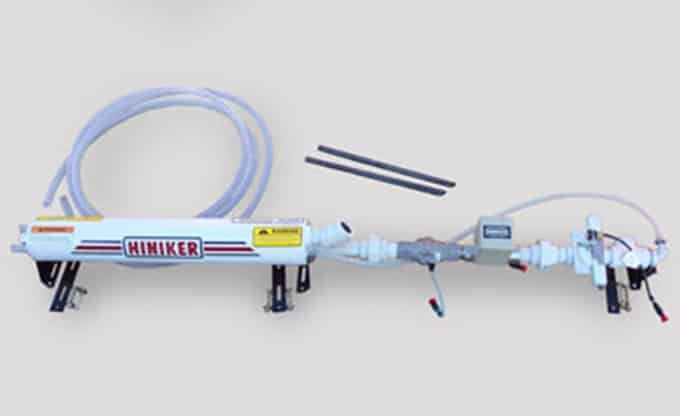
These systems use flow meters alongside valves and monitors, together with integrated onboard software, to function properly. The design of Hiniker’s NH3 ammonia rate controllers emphasizes ease of operation. The setup process requires minimal steps while the interface maintains clarity and responsiveness under real-world farm conditions and harsh weather.

The result? By using this system, you reduce the time spent on monitoring gauges and adjusting settings which allows you to focus more on covering your field with confidence.


Key Benefits for Growers

The benefits of a dependable NH3 control system become apparent through immediate efficiency gains and sustained profitability over time. Farmers benefit from Hiniker’s systems because they react fast and precisely to changing field conditions while ensuring optimal performance with every pass.

Applying treatments uniformly allows crops to develop evenly, which increases their yield potential. This system protects against unnecessary costs and environmental damage by stopping over-application and runoff. NH3 monitoring systems offer operators enhanced control and peace of mind during vital seasonal tasks.

Modern automatic rate controllers work seamlessly with these systems which enables deeper integration into precision farming platforms. Growers who operate GPS-based planting or spraying systems should consider NH3 control implementation as their immediate subsequent step.

.

.NH3 Ammonia Rate Controllers

 .

Monitoring Matters: NH3 Line and Knife Monitoring

Precision doesn’t stop with rate control. Effective NH3 system performance requires real-time monitoring of delivery lines to achieve optimal results. The NH3 line monitor shows its worth in this application. The monitors provide alerts for flow variations across several rows, which helps identify blockages and leaks that would likely stay hidden otherwise.

Hiniker provides NH3 ammonia knife controllers and NH3 ammonia knife monitors that maintain proper delivery rates at each injection point. Growers acquire comprehensive knowledge about their fertilizer applications through these advanced features, which exceed basic gallons per acre measurements.

This depth of understanding enables you to detect issues early to minimize input waste and enhance fertilizer strategy effectiveness.


A Trusted Automatic Rate Controller Manufacturer Constructed This System

Your investment in application technology requires a partnership with a company that possesses expertise in engineering and field demands. Hiniker stands as a trusted automatic rate controller manufacturer with years of experience serving American farmers beyond being just a product supplier.

Hiniker designs NH3 systems that incorporate durable components and user-friendly interfaces to deliver actual field performance. The creation of Hiniker equipment occurred in Minnesota and underwent extensive testing across diverse field situations to ensure its dependable performance on your farm.

Hiniker sustains their quality commitment beyond the initial product. Hiniker operates via a nationwide dealer network that helps every grower receive necessary support for setup through servicing and beyond.


Real Support from Real Dealers

Selecting the right system represents just one stage of the operational process. The installation process and ongoing support throughout the season carry equal importance. The network of dealers representing Hiniker includes professionals who understand NH3 system operations during actual agricultural use.

Your local Hiniker dealer has complete capabilities to maintain your equipment’s smooth operation through troubleshooting flow challenges and replacing valves or sensors. Farmers will experience reduced downtime while seeing increased productivity and assurance their investment remains secure.

The tightening application windows each year make this level of support something farmers can physically experience.


Conclusion: Stay Efficient, Stay Precise with Hiniker

Applying nitrogen shouldn’t be a guessing game. Hiniker’s NH3 ammonia rate controllers give farmers precise control and reliable management of a vital crop production input. Hiniker systems merge dependable rate control technology with extensive monitoring capabilities and dealer support to help farmers achieve greater accuracy and efficiency in their operations.

To optimize your fertilizer plan and minimize waste while meeting current farming requirements you should consider adopting a more intelligent NH3 application method.

Reach out to your nearby Hiniker Dealer now to discover how NH3 ammonia rate controllers can integrate into your operation and drive progress this season.

.

NH3 ammonia rate controllers.

Every successful farming operation relies on hard work, the right people, and the proper equipment – that’s where Hiniker comes in. When you need the latest equipment to make your farm operations as efficient as possible, our team is ready to assist.

Hiniker is proud to be one of the most reliable sources when it comes to farm equipment manufacturing. Since 1970, we have been building durable and productive equipment to help our friends in the agriculture community.

We carry the latest equipment, whether it’s cultivators, cover crop seeders, rate controllers, shredders, windrowers, or a forage chopper. Let Hiniker assist you with all your farming equipment needs.

Find your Hiniker Dealer today to find out more about our amazing agricultural equipment.

Follow us on Facebook