


.
.
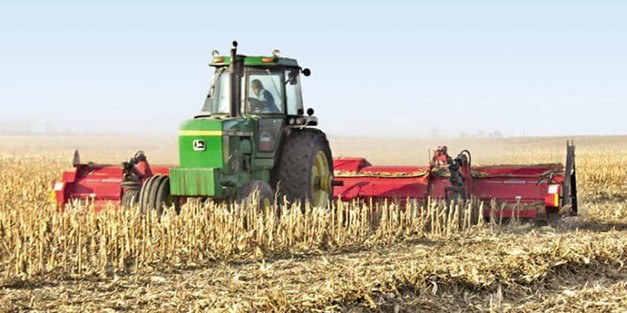
Windrowers usually come into the picture when corn residue starts getting in the way instead of helping. After harvest, fields can be left with thick layers of stalks, leaves, and husks that don’t always break down evenly.
That uneven residue can create problems the next season. cooler soils, inconsistent emergence, and more difficult planting conditions.
Managing residue isn’t just about clearing the field. It’s about setting things up so spring planting goes smoothly.
Why corn residue can become a problem
Corn produces a lot of material.
After harvest, that residue sits on the surface and starts to break down. But the process isn’t always uniform. Some areas decompose faster than others, especially if residue is unevenly distributed.
Thicker patches can slow soil warming and hold moisture longer. That might sound like a benefit, but in early spring, it can delay planting or create uneven emergence.
This is where tools like windrowers and shredders start to make a difference. They help manage how residue is spread and how quickly it breaks down.
The goal: consistency across the field
Residue management is less about removing material and more about evening it out.
If residue is spread evenly, it breaks down more consistently. That leads to more predictable soil conditions when it’s time to plant.
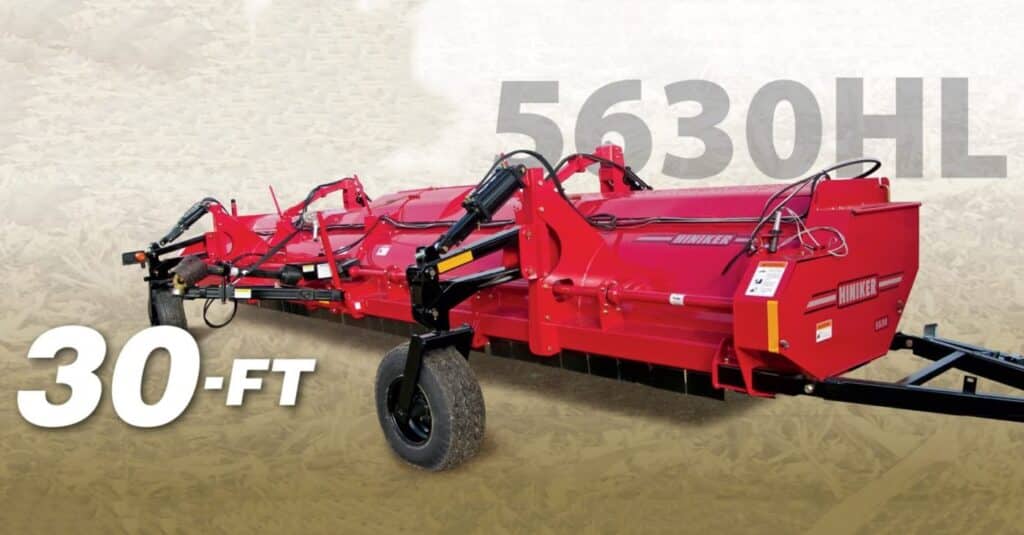
A shredder windrower can help by processing residue and laying it out in a more uniform pattern. Instead of clumps or heavy patches, you get a more even layer across the field. That consistency carries over into the next season.
Breaking down residue vs moving it
There are two main approaches to residue management:
-
- Breaking it down into smaller pieces
- Moving it into more manageable rows or patterns
Shredders focus on sizing residue. Windrowers focus on positioning it. A windrowing shredder combines both approaches. cutting residue while also organizing it. That can be useful if you’re trying to balance decomposition with field access.
How residue size affects decomposition
Smaller residue breaks down faster.
When stalks are chopped into finer pieces, microbes have more surface area to work with. That speeds up decomposition.
Larger pieces take longer to break down and can interfere with planting equipment. Using a stalk cutter or similar tool helps reduce residue size, making it easier to manage over time. But size isn’t the only factor. Distribution still matters.
Timing your residue management pass
Timing plays a big role in how effective your residue management is. Some growers prefer to handle residue immediately after harvest. Others wait until later in the fall or even early spring.
Each approach has trade-offs.
Early passes help start the breakdown process sooner. Later passes can help address residue that didn’t decompose evenly over winter. A well-timed pass with a stover shredder can improve field conditions heading into planting.
.
.
Equipment choice depends on your goals
Different tools handle residue in different ways. If your focus is on breaking down material quickly, shredders are usually the better option.
If you’re trying to organize residue for easier field management, windrowers come into play. Working with a windrower dealer can help match equipment to your specific needs. whether that’s speed, residue size, or field conditions. There’s no one-size-fits-all solution.
How residue impacts planting performance
Residue doesn’t just sit on the surface. it directly affects planting. Heavy residue can interfere with seed placement, especially if it’s uneven. Planters may struggle to maintain consistent depth, leading to uneven emergence.
A properly managed field makes planting more predictable. Running a windrowers setup that creates even distribution helps reduce those issues. It’s not about removing residue completely. It’s about making it manageable.
Soil health vs field readiness
Residue plays an important role in soil health. It helps protect against erosion, retains moisture, and adds organic matter as it breaks down. The challenge is balancing those benefits with field readiness.
Too much residue, or uneven residue, can create problems for planting. Too little can reduce soil protection. A consistent windrowers approach helps maintain that balance.
Common mistakes in residue management
A few issues tend to show up repeatedly:
-
- Leaving residue uneven across the field
- Not sizing residue enough for decomposition
- Running equipment at the wrong time
- Ignoring how residue affects planting equipment
Most of these problems come down to timing and setup. Small adjustments can make a noticeable difference.
What a well-managed field looks like
When residue is handled correctly, the field feels different. Surface conditions are more even. Planters move through without interruption. Emergence is more consistent.
You’re not fighting residue during planting. you’re working with it. A properly set windrower system becomes part of that process, helping create conditions that carry through the next season.
FAQs
Do you need to remove corn residue completely?
No. Leaving some residue is beneficial for soil health. The goal is to manage it, not eliminate it.
When is the best time to manage corn residue?
It depends on your system. Many growers work residue after harvest, while others adjust in spring based on field conditions.
Does residue affect planting depth?
Yes. Uneven residue can interfere with planter performance and lead to inconsistent seed placement.
Tired of Fighting Your Farm Equipment? Let’s Make It Easier.
.
.
Reach out to us online at Hiniker to fill out a form or call us at 507-625-6621
We are here to assist you with all your farm equipment needs. We carry the latest equipment, whether it’s cultivators, cover crop seeders, rate controllers, shredders, windrowers, or a forage chopper.
Find your Hiniker Dealer today to find out more about our amazing agricultural equipment.
You can also follow us on Facebook for the latest news and updates.