



.
.
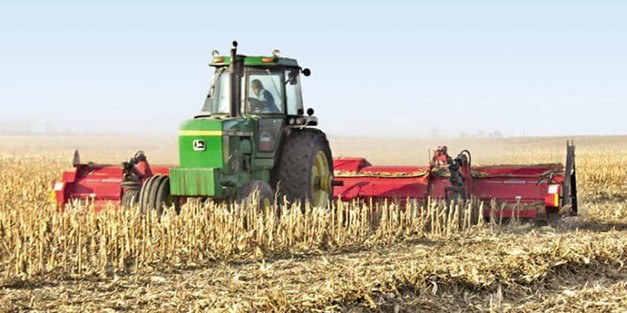
Flail mowers have been around for a long time, but the conversation around residue management has shifted. Corn yields are higher. Residue loads are heavier. And not every machine handles that well.
That’s where the debate starts, do you run a flail-style machine or stick with a traditional stalk shredder?
The answer depends less on brand names and more on how each machine deals with real field conditions.
How residue has changed the decision
Today’s corn residue isn’t what it used to be.
Higher populations and stronger stalks mean more material left behind after harvest. That creates challenges for:
- Spring planting
- Soil warming
- Early-season emergence
A machine that worked fine years ago might struggle now.
That’s why many growers are re-evaluating whether standard stalk shredders still keep up, or if newer flail shredders handle the load better.
What flail mowers actually do differently
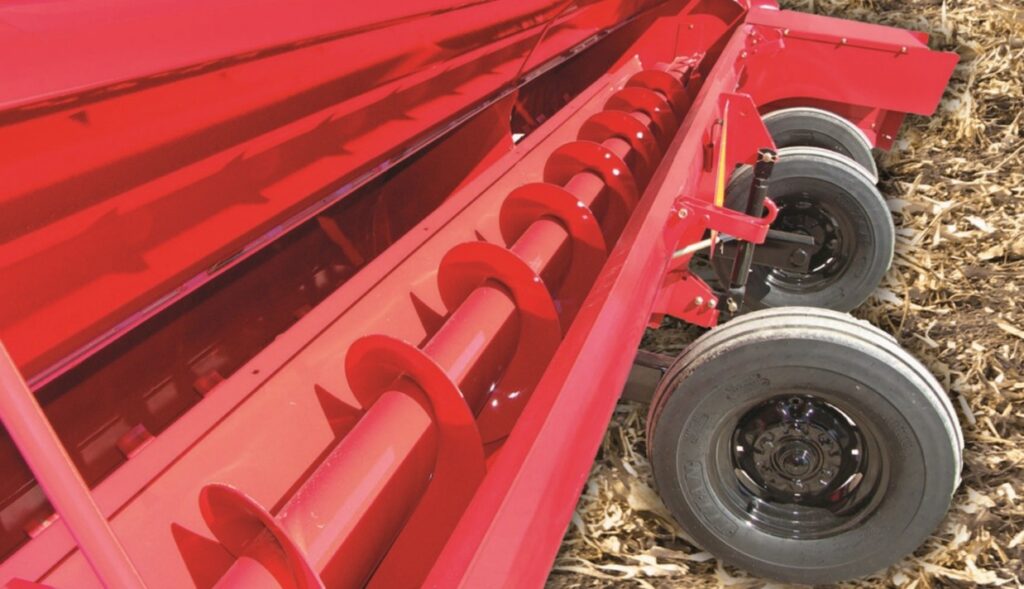
Flail mowers and flail style machines use multiple small blades that swing and strike residue at high speed.
That design changes how material is processed:
- Residue is chopped finer
- Material spreads more evenly
- Less bunching across the field
This is where high capacity flail shredders stand out. They’re built to keep moving even when residue levels are heavy. Instead of pushing material forward, they keep cutting and dispersing it.
How stalk shredders approach the same job
A stalk shredder typically uses larger, fixed blades. It cuts and breaks down stalks effectively, especially in moderate residue conditions.
Strengths include:
- Simpler design
- Lower maintenance in some setups
- Solid performance in lighter residue
But when residue gets heavy, you may see:
- Larger pieces left behind
- Uneven distribution
- Occasional bunching
That uneven spread can affect planting later on.
.
 .
.
Distribution matters more than most realize
It’s not just about cutting residue. It’s about where that residue ends up.
Even distribution helps:
- Soil warm more evenly
- Planters run smoother
- Emergence stay consistent
This is where flail-style machines often pull ahead.
By breaking material down into smaller pieces and spreading it across the width of the machine, they reduce the chance of heavy rows of residue interfering with planting.
Performance in heavy corn stover
Heavy corn stover is where differences become obvious. A traditional stalk shredder can handle it, but performance may slow down, and results may vary across the field.
flail shredders tend to:
- Maintain more consistent cutting
- Handle thick material without plugging
- Leave a finer finish
That consistency becomes more noticeable when residue levels are high year after year.
Speed and field efficiency
Field speed plays a role in overall efficiency. Stalk shredders often run at steady speeds, but performance can drop if residue gets too dense.
Flail machines, especially those designed for higher throughput, can maintain speed more consistently across varying conditions. That doesn’t always mean faster overall operation, but it often means fewer slowdowns.
Maintenance and wear differences
Every machine wears differently. Flail systems have more moving parts. More blades mean more components that can wear over time.
That said, individual blade replacement can be simpler compared to larger fixed components.
Stalk shredders:
- Fewer moving parts
- Larger wear components
- Potentially lower day-to-day maintenance
The tradeoff comes down to how often you’re willing to maintain equipment versus the level of performance you expect.
Matching the machine to your operation
There’s no single answer that fits every farm.
A flail shredder manufacturer may design equipment for heavy-duty applications, while simpler setups still work well in lighter conditions.
If your operation deals with:
- Heavy corn residue every season
- High-yield fields
- Tight planting windows
Flail-style machines tend to offer more consistent results.
If your residue levels are moderate and you want a simpler setup, a stalk shredder may still fit.
Dealer support still matters
Setup, maintenance, and parts availability all play a role in long-term performance.
Working with experienced Flail shredder dealer can help you get the most out of your machine, especially during the first season.
The right setup can make a noticeable difference in how evenly residue is processed.
So which one handles corn residue better?
In lighter conditions, both can do the job.
As residue levels increase, flail-style machines tend to produce more consistent results. Finer chopping and better distribution give them an edge in heavy corn stover.
That doesn’t mean stalk shredders don’t work. It just means their performance window is narrower.
Flail Shredder vs Stalk Shredder: what actually matters
At the end of the day, the choice comes down to residue load and how precise you need the finish to be.
If your fields consistently produce heavy residue, investing in a system built to handle that load can make planting and early growth more predictable.
If your conditions are lighter, a simpler setup may still get the job done.
The key is matching the machine to what your fields actually produce, not what they used to.
FAQs
Are flail shredders better for corn residue?
In heavy residue conditions, they usually perform more consistently. They chop finer and spread material more evenly across the field.
Do stalk shredders require less maintenance?
Often, yes. They have fewer moving parts, but larger components can still wear over time and need replacement.
Will residue management affect planting?
Yes. Uneven residue can interfere with planter performance and emergence. Better distribution typically leads to more consistent results.
.
 .
.
Tired of Fighting Your Farm Equipment? Let’s Make It Easier.
Reach out to us online at Hiniker to fill out a form or call us at 507-625-6621
We are here to assist you with all your farm equipment needs. We carry the latest equipment, whether it’s cultivators, cover crop seeders, rate controllers, shredders, windrowers, or a forage chopper.
Find your Hiniker Dealer today to find out more about our amazing agricultural equipment.
You can also follow us on Facebook for the latest news and updates.