


Cultivator dealers can make or break your experience with new equipment, and that part doesn’t get talked about enough. Most growers focus on the iron—frame strength, shank design, horsepower requirements—but the dealer behind that machine often determines how well it performs once it hits the field.
The wrong dealer leaves you figuring things out alone. The right one saves you time, frustration, and sometimes an entire season of poor results.
Why the dealer matters more than the machine
A cultivator isn’t plug-and-play. Setup matters. Adjustment matters. Timing matters.
Even small changes in depth, spacing, or alignment can affect how well you’re controlling weeds or protecting your crop. And those aren’t always obvious when you first pull into the field.
That’s where a good dealer steps in. They don’t just sell equipment. They help you get it working correctly for your specific conditions.
What most farmers miss during the buying process
It’s common to compare specs and pricing between different cultivator manufacturers. That’s a normal starting point. What gets overlooked is support after the sale.
Questions worth asking:
- Will someone help with setup in the field?
- How fast can you get parts during the season?
- Do they understand your crop type and spacing?
Those answers matter more than a small price difference.
Experience with your type of operation
Not every dealer understands every system.
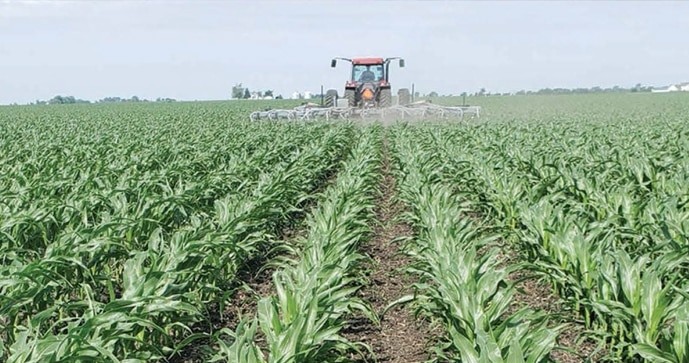
If you’re running a row crop cultivator, you want someone who has worked with similar row spacing, crop types, and field conditions.
If you’re using high speed cultivators, you need someone who understands how speed changes performance and setup.
It’s not just about selling the right machine. It’s about knowing how that machine behaves once it’s in your field.
Setup support is where good dealers stand out
A lot of issues show up after delivery.
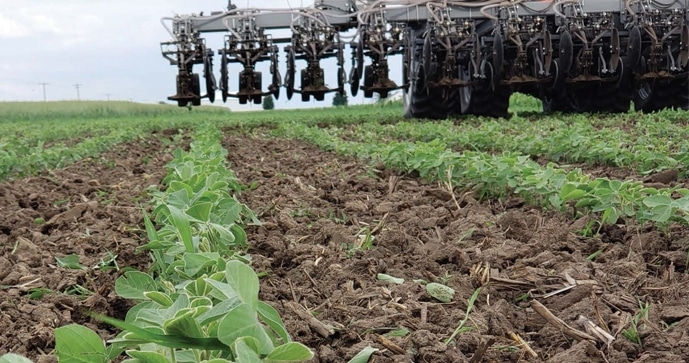
Maybe the organic cultivators aren’t running level. Maybe you’re leaving weeds behind. Maybe crop damage is higher than expected. These aren’t always equipment failures. They’re often setup issues.
Strong dealers will:
- Walk fields with you
- Help adjust settings
- Explain what to watch for
That kind of support shortens the learning curve fast.
Parts availability during the season
Breakdowns don’t wait for a convenient time. When something wears out or breaks, you need parts quickly. Not in a week. Not after shipping delays.
Reliable cultivator dealers keep common parts in stock and understand how urgent those needs are during planting and cultivation windows.
If a dealer can’t support you when things go wrong, it doesn’t matter how good the machine looked on day one.
Local knowledge matters more than you think
Soil type, residue levels, and weather patterns vary more than people expect.
Dealers who work in your region understand:
- How wet springs affect timing
- What residue levels do to performance
- Which setups work best in local soil
That knowledge helps you avoid trial-and-error during the season.
It also helps you make better decisions before you even buy.
.
.
Communication style tells you a lot
You can learn a lot from how a dealer communicates. Do they answer questions directly? Do they explain things in a way that makes sense? Do they take time to understand your operation?
If communication feels rushed before the sale, it won’t improve after. Good dealers act more like partners than salespeople.
Price vs long-term value
It’s tempting to go with the lowest quote. That’s understandable. But cheaper upfront doesn’t always mean cheaper over time.
If poor support leads to:
- Extra passes
- Missed weeds
- Crop damage
- Downtime
You’ll pay for it somewhere else. A slightly higher price with strong support often leads to better results across the season.
Red flags to watch for
Some warning signs show up early if you know what to look for.
Be cautious if a dealer:
- Can’t explain setup clearly
- Doesn’t ask about your operation
- Pushes one model for every situation
- Has limited parts inventory
Those are usually signs that support will be limited later.
Building a long-term relationship
The best outcomes usually come from long-term relationships.
When a dealer understands your fields, your equipment history, and your goals, they can make better recommendations over time.
That relationship builds season after season. And it often leads to fewer surprises when conditions change.
How to evaluate a Cultivator dealers before buying
Before committing, take a little extra time.
Visit the dealership. Ask questions. Talk through real scenarios.
You’ll learn quickly whether they:
- Know their equipment
- Understand your needs
- Can support you after the sale
That extra step often prevents bigger problems later.
Choosing cultivator dealers the right way
Picking between cultivator dealers isn’t just about who has inventory available today. It’s about who will still be there when you need help mid-season.
A good dealer helps your equipment perform the way it should. A bad one leaves you figuring it out alone. That difference shows up in your fields, not just on paper.
FAQs
What should I ask a cultivator dealer before buying?
Ask about setup support, parts availability, and experience with your type of operation. Those three areas tell you more than specs or pricing alone.
Do cultivator dealers provide field support?
Some do, some don’t. The better ones will help with setup and adjustments, especially during the first season.
Is it better to buy from a local dealer?
Usually, yes. Local dealers tend to understand field conditions in your area and can respond faster when you need parts or support.
.
.
Tired of Fighting Your Farm Equipment? Let’s Make It Easier.
Reach out to us online at Hiniker to fill out a form or call us at 507-625-6621
We are here to assist you with all your farm equipment needs. We carry the latest equipment, whether it’s cultivators, cover crop seeders, rate controllers, shredders, windrowers, or a forage chopper.
Find your Hiniker Dealer today to find out more about our amazing agricultural equipment.
You can also follow us on Facebook for the latest news and updates.