



.
.
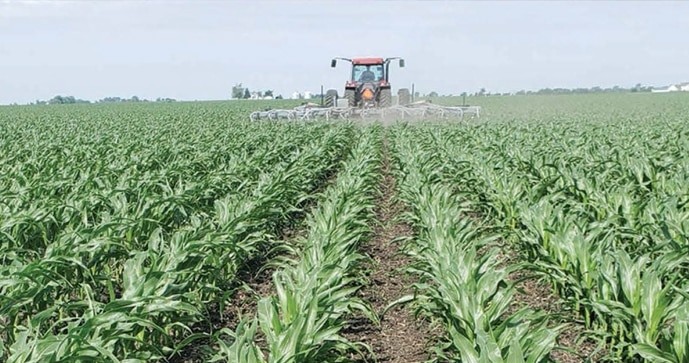
Cultivator setup usually looks simple from a distance. Match your rows, drop it in the ground, and go. But once you’re actually in the field, row spacing becomes one of the biggest factors in how well your pass turns out.
If spacing is off. even slightly. you’ll see it right away. Missed weeds. Soil thrown into the row. Crop damage. It doesn’t take much. Getting your configuration right upfront saves a lot of frustration later.
Why row spacing matters more than people expect
Row spacing controls how your tools interact with both the crop and the soil. It dictates where your sweeps run, how much clearance you have, and how aggressive you can be.
With wider rows, you’ve got room to work. You can move more soil, run larger sweeps, and still stay clear of the crop.
Tighter rows shrink that window. Suddenly everything needs to be more precise. Guidance matters more. Tool placement matters more. Even small adjustments start to have a bigger impact.
That’s where a properly set cultivator becomes less about the machine itself and more about how it’s configured.
Matching your cultivator to your row width
This is the first place most setups go wrong. Your toolbar needs to match your planting width exactly. Not close. Exact.
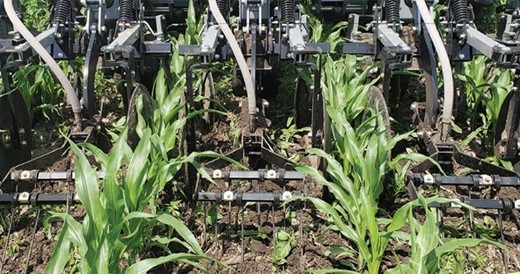
Working with a row cultivator manufacturers design usually gives you flexibility in spacing adjustments, but it still requires careful measurement. Shanks, sweeps, and shields all need to line up with your crop rows.
If your planter is set to 30-inch rows, your cultivator should mirror that spacing across the entire toolbar. Any drift creates inconsistency across passes. And inconsistency shows up fast once weeds start competing.
Sweep selection changes with spacing
Not all sweeps work the same across different row widths. Wider rows can handle broader sweeps that move more soil and cover more ground. That helps with weed control between rows.
Narrow rows need smaller, more controlled sweeps. You’re working in tighter spaces, so aggressive soil movement can bury crops or damage roots.
Many growers working with a row crop cultivator setup will keep multiple sweep options on hand. Switching them out based on crop stage or field conditions is pretty common. It’s not about picking one “best” setup. It’s about adjusting as conditions change.
Depth control and consistency
Depth is one of those adjustments that seems minor. until it isn’t. Too shallow, and you miss weeds. Too deep, and you disturb root systems or bring up wet soil that clumps.
Row spacing affects this more than people think. Narrow rows often require shallower, more consistent depth control because there’s less margin for error.
This is where equipment from a cultivator dealers network often includes gauge wheels or depth control systems that help maintain uniform performance across the toolbar. Consistency matters more than aggression.
.
.
Guidance systems make a difference
The tighter your spacing, the more guidance matters.
Manual steering works in wider rows. But once you start tightening things up, even small steering corrections can throw off your alignment.
Modern setups from a high speed cultivator dealers often include camera guidance or GPS-assisted steering to keep rows clean and consistent.
It’s not about convenience. It’s about protecting yield. A few inches off can mean clipping roots or missing weeds entirely.
Adjusting for crop type
Not all crops respond the same way to cultivation. Corn gives you a little forgiveness. It’s sturdy, and early growth stages can handle some soil movement.
Soybeans are less forgiving, especially in tighter rows. You need to be more precise with depth and spacing. That’s why setups tied to a soybean cultivator often prioritize lighter passes and tighter control.
Switching between crops without adjusting your cultivator is where a lot of problems start.
Speed vs accuracy in different spacings
It’s tempting to push speed to cover more acres. And in wider rows, that can work. But as spacing tightens, speed starts working against you.
Higher speed means less reaction time, more soil throw, and more variability across the toolbar. A well-configured cultivator should let you move efficiently, but not at the cost of accuracy.
Sometimes slowing down slightly leads to a cleaner pass. and better results over the whole field.
Common setup mistakes to avoid
A few issues show up again and again:
-
- Toolbar not matching planter spacing
- Sweeps too large for the row width
- Running too deep in early growth stages
- Ignoring guidance in tighter rows
- Not adjusting for different crops
Most of these aren’t equipment problems. They’re setup problems. And they’re usually fixable with small adjustments.
What a dialed-in setup looks like
When everything is set correctly, you’ll notice it right away.
Rows stay clean without burying crops. Soil moves consistently across the toolbar. You’re not constantly making corrections from the cab.
More importantly, your passes become predictable. That’s the real goal. Not perfection. but consistency. Because once your cultivator is configured correctly for your row spacing, everything else gets easier to manage.
FAQs
How do I know if my cultivator spacing is correct?
A quick check is to line it up over planted rows and inspect alignment across the full toolbar. Every shank and sweep should match the row pattern exactly. Even small offsets can cause issues.
Can I use the same cultivator setup for different crops?
Sometimes, but it usually requires adjustments. Crops like corn and soybeans respond differently, so spacing, depth, and sweep size often need to change.
What row spacing works best for cultivation?
It depends on your operation. Wider rows allow more aggressive cultivation, while narrower rows require more precision. Most growers choose based on crop type and equipment compatibility.
Tired of Fighting Your Farm Equipment? Let’s Make It Easier.
.

.
Reach out to us online at Hiniker to fill out a form or call us at 507-625-6621
We are here to assist you with all your farm equipment needs. We carry the latest equipment, whether it’s cultivators, cover crop seeders, rate controllers, shredders, windrowers, or a forage chopper.
Find your Hiniker Dealer today to find out more about our amazing agricultural equipment.
You can also follow us on Facebook for the latest news and updates.