Why Flail Shredders Still Lead the Pack for Serious Field Cleanup

Flail Shredders


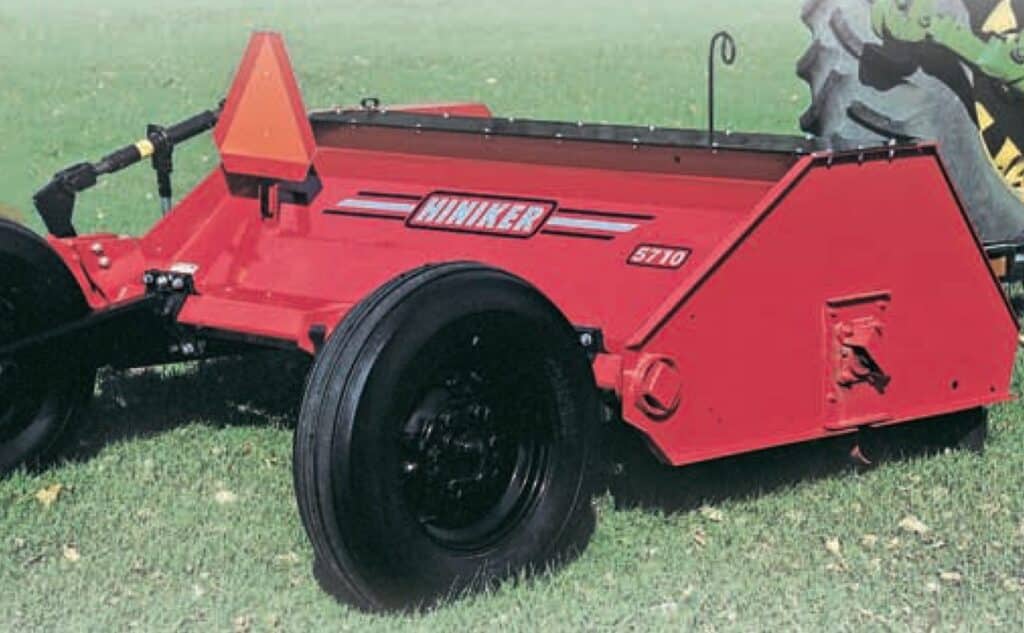
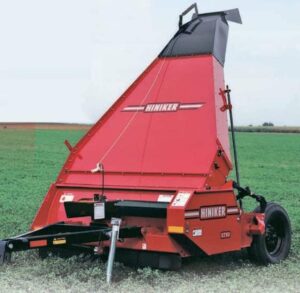
Why Flail Shredders Still Lead the Pack for Serious Field Cleanup–When it comes to cleaning up after harvest or prepping your fields for the next season, not all tools are created equal. And if you’ve ever fought through heavy residue or tangled crop material, you already know this: flail shredders just get the job done.

They’re not flashy. They’re not complicated. But when you need something that powers through tough stalks without slowing you down, they deliver—every single time.

We’ve worked with growers across the country who rely on flail shredders to keep things moving. Here’s what we’ve learned and why this tool deserves a permanent place in your lineup.

They’re Tough Because They Have to Be

Field debris isn’t gentle. After a full season of growth—especially with crops like corn and sunflowers—you’re looking at thick stalks, heavy tangles, and potential equipment damage if you’re not careful.

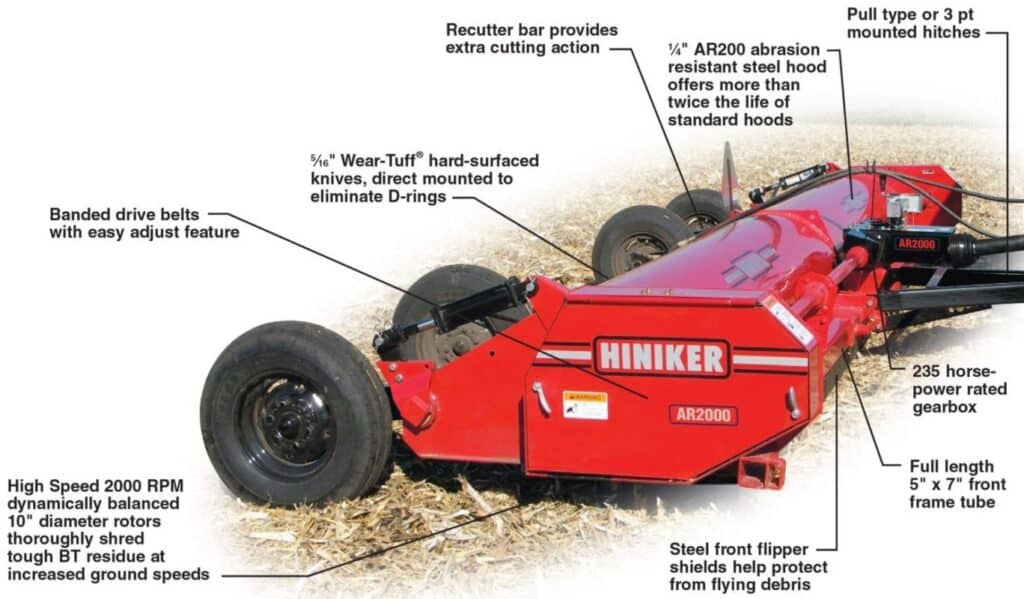
That’s why our flail shredder manufacturer designs every unit with ruggedness in mind. We’re talking heavy-duty knives, reinforced housings, and smart layout choices that prevent clogs and downtime.

You don’t want to slow down when the weather window is right. And you shouldn’t have to.

Speed Meets Precision

One of the big misconceptions out there is that speed and accuracy don’t mix. But we’ve built flail shredders that say otherwise.

With adjustable cutting heights and precision rotor spacing, these machines give you clean, uniform residue without scalping the soil. That’s important for next season’s seedbed—and your bottom line.

Plus, they leave behind a finish that helps with faster decomposition. That means better soil prep without extra passes, and fewer headaches come spring.

The Right Dealers Make All the Difference

Let’s talk about support. Buying a piece of equipment is just step one. The real value comes when you work with experienced flail shredder dealers.

They know how to set up your machine for local conditions, answer questions about maintenance, and help troubleshoot if something goes sideways in the field. It’s not just a sale—it’s a relationship.

We only partner with folks who get that. Because if you’re in a pinch and can’t get straight answers, what’s the point?

Still the Standard for Shredding Power

In a world filled with high-tech gadgets and complicated systems, sometimes the best tool is the one that’s been refined over time. Flail shredders have been the go-to for decades for a reason: they work.

Ask any seasoned grower, and they’ll tell you the same thing. When residue piles up and the clock is ticking, nothing replaces a well-built shredder.

That’s why our shredders & windrowers lineup continues to lead the field. We keep improving the tech—but never at the cost of reliability.

Pair It with the Right Setup

Getting great results doesn’t just depend on the shredder—it depends on how you run it. That’s why our machines are designed to pair easily with a variety of tractors and setups.

And if you want to take things a step further, consider pairing your shredder with a windrowing shredder. This combo helps concentrate residue into manageable rows for faster collection, drying, or decomposition.

It’s a smart way to cut time and increase flexibility—especially if you’re running tight windows between harvest and tillage.

Built for the Long Haul

When our windrower manufacturer team builds these machines, we’re thinking about five years down the road—not just the first season.

That means easy-access grease points, replaceable components, and fewer parts that wear out prematurely. Because nobody wants to be in the shop when they could be in the field.

Bottom line? You shouldn’t have to wonder whether your flail shredder can handle the job. Ours are built so you don’t.Flail Shredders

Flail Shredders and Soil Health Go Hand in Hand

A well-made flail shredder doesn’t just clean up—it sets you up for success next season. By chopping residue into finer particles, it helps boost microbial activity and speeds up breakdown. That’s good news for soil structure, nutrient cycling, and seed-to-soil contact when you’re ready to plant again.

Many of our growers tell us the difference is easy to see—better emergence, fewer issues with compaction, and even fewer weeds thanks to more uniform residue coverage. That kind of result doesn’t come from just any tool—it comes from a system built for performance.

Built to Grow with Your Operation

Whether you’re managing 300 acres or 3,000, one of the best things about flail shredders is their scalability. You can start with a single unit and expand as your needs grow. Our setups work seamlessly with different horsepower ranges and configurations, which means you won’t outgrow them overnight.

Plus, our flail shredder manufacturer team builds with future upgrades in mind. If there’s an innovation that makes life easier, we’re already thinking about how to get it into your hands.

Stalk Chopper.

Every successful farming operation relies on hard work, the right people, and the proper equipment – that’s where Hiniker comes in. When you need the latest equipment to make your farm operations as efficient as possible, our team is ready to assist.

Hiniker is proud to be one of the most reliable sources when it comes to farm equipment manufacturing. Since 1970, we have been building durable and productive equipment to help our friends in the agriculture community.

We carry the latest equipment, whether it’s cultivators, cover crop seeders, rate controllers, shredders, windrowers, or a stalk cutter. Let Hiniker assist you with all your farming equipment needs.

Find your Hiniker Dealer today to find out more about our amazing agricultural equipment.

You can also follow us on Facebook for the latest news and updates.

Why More Growers Are Switching to Organic Cultivators—and What You Should Know

Organic Cultivators

Why More Growers Are Switching to Organic Cultivators—and What You Should Know–There’s a growing shift in the way people approach farming, and at the heart of that shift is the move toward sustainable practices. For growers committed to reducing chemical input, organic cultivators are more than just a tool—they’re a necessity.

But finding the right equipment for organic operations isn’t always simple. You can’t just take a conventional setup and expect it to handle the demands of organic systems. Timing, weed control, soil disruption—every detail matters.

That’s exactly why we’ve spent years refining our approach to organic cultivators, building systems that work with nature instead of against it.

Organic Farming Has No Margin for Error

Let’s be real—organic growing takes precision. Without synthetic herbicides in your corner, cultivation becomes your primary line of defense. The tools you use have to get it right the first time, every time.

That’s where a true organic cultivator comes in. With dialed-in depth control, tight row spacing options, and equipment designed to slice cleanly through soil without damaging crops, you’re not just guessing—you’re managing.

Our systems offer flexibility for cover crops, residue, and varied soil textures. And when you’re working close to your plants, the margin for error shrinks fast. Having a cultivator designed for organic practices gives you the peace of mind that you’re not uprooting the good while trying to remove the bad.

Built With Purpose, Not Just Repurposed

Some equipment manufacturers try to modify conventional tools and slap an “organic” label on them. We don’t buy that.

Our organic cultivator manufacturers start from the ground up—literally. We design specifically for the conditions that organic growers face: variable weed pressure, shallow root zones, and time-sensitive management.

From spring tine attachments to precision shielded blades, each component is crafted with organic standards in mind. Because when the weeds hit hard after a warm rain, you can’t afford a cultivator that’s just “close enough.”

Dealer Support Makes the Difference

When you need support, your organic cultivator dealers should actually understand organic farming—not just point you to a spec sheet.

We’ve built relationships with dealers who get it. Whether you’re trialing a new row spacing strategy or rotating crops mid-season, they’re ready to help dial in your setup. That kind of hands-on service makes all the difference when you’re out in the field making real-time decisions.

And they’re not just there to sell—they’re there to keep you going strong.

Why No-Till Isn’t Just for Conventional Growers

We’re seeing more organic farmers asking about conservation tillage and no-till cultivators. While it’s a different challenge without herbicides, it’s not impossible.

Our no-till-compatible systems are built to preserve soil structure while still giving you the weed control and airflow you need. With shallow disturbance tools and careful design, it’s absolutely possible to strike a balance between reduced tillage and organic compliance.

That’s especially important for organic growers looking to improve soil health, reduce erosion, and protect beneficial organisms—all while staying productive.Organic Cultivators

Flexibility Across Crops

Today it’s carrots. Tomorrow it’s soybeans. That’s the reality for many organic farms.

That’s why our soybean cultivators and row crop cultivators are built to adapt. With adjustable row configurations and quick-change parts, you’re not locked into a single crop system.

And when your high speed cultivators are doing double-duty across multiple acres and crop types, that flexibility saves you time, money, and frustration.

When it comes to organic, no two farms look the same. Your equipment shouldn’t either.

Why Growers Keep Coming Back

We’re not just a one-season solution. When growers invest in our organic cultivators, they stick with us. Why? Because we listen. We take real feedback from the field and turn it into design updates that actually make your job easier.

It’s not about bells and whistles—it’s about equipment that performs, season after season.

Whether you’re managing a few acres or a multi-field operation, our goal is to make sure your cultivator does exactly what you need it to—no more, no less.

Our Take? It’s About Long-Term Results

At the end of the day, the best cultivator is the one that keeps working season after season. The one that’s there when the weather shifts. The one you trust.

We’ve put in the years listening to what growers actually need. And every tool we make reflects that—from our cultivator dealers to the welders on the floor.

Because when your equipment does its job right, you can focus on what really matters—growing strong crops and running a smooth operation.

Stalk Chopper.

Every successful farming operation relies on hard work, the right people, and the proper equipment – that’s where Hiniker comes in. When you need the latest equipment to make your farm operations as efficient as possible, our team is ready to assist.

Hiniker is proud to be one of the most reliable sources when it comes to farm equipment manufacturing. Since 1970, we have been building durable and productive equipment to help our friends in the agriculture community.

We carry the latest equipment, whether it’s cultivators, cover crop seeders, rate controllers, shredders, windrowers, or a stalk cutter. Let Hiniker assist you with all your farming equipment needs.

Find your Hiniker Dealer today to find out more about our amazing agricultural equipment.

You can also follow us on Facebook for the latest news and updates.
Corn Cultivator Performance That Pays Off in the Field


Corn Cultivator

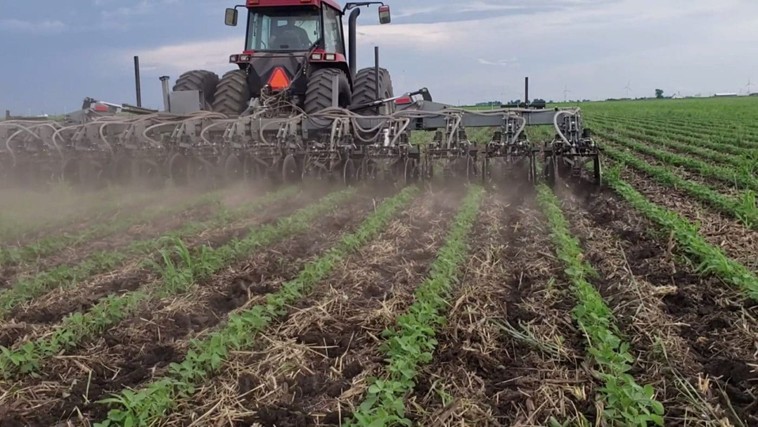
Corn isn’t just another crop. It’s an investment—one you plan, prep, and push through the season with everything you’ve got. So when it comes to cultivation, you need tools that do more than just stir the dirt. You need a corn cultivator that keeps up.

We’ve seen what happens when the cultivator isn’t quite right. Missed weeds. Uneven rows. Soil compaction that turns into stress later. That’s why the right setup can make or break your season.

Let’s walk through what really matters when you’re choosing an organic cultivator—and why so many growers are making the switch to high-performance tools built with long-term results in mind.

It’s All About Consistency in the Row

You can’t afford to have one pass that’s perfect and the next one skipping coverage. A reliable corn cultivator delivers clean, even tillage across every row—no matter the soil type or field conditions.

Our systems are designed with depth control and precision adjustment in mind. That means tighter rows, fewer missed spots, and a noticeable difference in early-season weed control. And when you’re managing large acreage, that consistency adds up fast.

Working with trusted corn cultivator dealers ensures your equipment is properly spec’d to your farm. Not all fields are the same, and your equipment shouldn’t be either.

Built Tough Because Corn Is No Joke

A corn cultivator takes a beating during the season. From tight turns and rough patches to rain delays and dry spells—it needs to power through it all without falling apart.

That’s where design meets durability. We use high-strength steel and reinforced components that are made to last season after season. Because a breakdown in the middle of cultivation isn’t just annoying—it’s expensive.

Our cultivator manufacturers take that seriously. Every detail is there for a reason, from the shank design to the depth gauge setup. If it’s not helping you save time or perform better, we don’t build it.

Corn Isn’t the Only Crop—Let’s Talk Flexibility

Sure, this blog’s all about corn. But we know most farms aren’t one-crop operations. That’s why your corn cultivator should be flexible enough to adjust to other row crops when needed.

Some of our growers also handle soybeans or even small grains. With adjustable row spacing and toolbars, you can switch gears without needing a whole new setup. Our row crop cultivators give you options—and in today’s market, that flexibility is just smart business.

One season, you’re focused on corn. Next year, maybe it’s more beans. The tool should work either way.

Control, Control, Control

Let’s be honest—most cultivation mistakes come down to poor control. Depth too shallow. Pressure too light. Or worse, way too aggressive. With a high-quality corn cultivator, you get precision where it counts.

We’re talking fingertip adjustments for depth, clearance, and shank angle. Our cultivator dealers can walk you through every setting to make sure it fits your operation and your soil.

And if you’re working conservation tillage or dealing with fragile young plants, our systems are gentle when they need to be—and firm when it counts.

Corn Cultivator

Why Corn Growers Keep Coming Back

When you invest in the right corn cultivator, you’re not just getting equipment—you’re getting support. We’ve built our network around long-term relationships and no-nonsense advice. That means if something’s not working, we help you fix it. If a new solution could make your life easier, we bring it to the table.

And we’re not limited to just corn. Our full range includes soybean cultivators, no-till cultivators, and high speed cultivators—all designed for serious results in real-world conditions.

The bottom line? We build tools for farmers who care about doing things right.

Smart Investments Don’t Have to Break the Bank

One thing we hear a lot from growers: “Is it worth the upgrade?”

The answer? Almost always yes—because it’s not just about what you’re spending, but what you’re saving. A high-performing corn cultivator helps reduce replanting, cuts down on herbicide use, and even saves fuel by getting the job done right the first time. Over the course of a few seasons, the savings are real.

And when you’re working with trusted cultivator dealers, you’re not going it alone. You’ve got folks who can help you find something that fits your operation and your budget.

Real Feedback from Real Fields

We don’t just build these tools in a shop and send them out into the world—we follow them into the field.

A big part of our design process is hearing what works (and what doesn’t) directly from farmers. When a soybean cultivator needs better row clearance, we make adjustments. When growers ask for faster depth control on high speed cultivators, we figure it out.

Your feedback shapes the next generation of tools. And that partnership is what really sets our equipment apart.


Stalk Chopper.

Every successful farming operation relies on hard work, the right people, and the proper equipment – that’s where Hiniker comes in. When you need the latest equipment to make your farm operations as efficient as possible, our team is ready to assist.

Hiniker is proud to be one of the most reliable sources when it comes to farm equipment manufacturing. Since 1970, we have been building durable and productive equipment to help our friends in the agriculture community.

We carry the latest equipment, whether it’s cultivators, cover crop seeders, rate controllers, shredders, windrowers, or a stalk cutter. Let Hiniker assist you with all your farming equipment needs.

Find your Hiniker Dealer today to find out more about our amazing agricultural equipment.

You can also follow us on Facebook for the latest news and updates.

What Makes a Great Cultivator? Here’s What We’ve Learned from Years in the Field

What Makes a Great Cultivator? Here’s What We’ve Learned from Years in the Field–Let’s talk about something that doesn’t always get the spotlight it deserves: the cultivator.

If you’ve worked the land for any length of time, you already know how important the right cultivator is to your operation. It’s not just about breaking up soil. It’s about doing it right—efficiently, consistently, and without eating up time or fuel. That’s the difference between a season that runs smooth and one that leaves you patching problems all summer long.

So, what makes one cultivator stand out from the rest? We’ve spent decades building and refining equipment to answer that very question—and here’s what we’ve found.

It Starts with Durability

A good cultivator should last. Simple as that.

We don’t just mean surviving a few seasons—we mean holding up year after year, through different soil types, unexpected weather, and long workdays. The right cultivator manufacturers should be thinking beyond the basics. You want something that’s not only heavy-duty but also designed to minimize downtime. Because let’s face it, the best tool is the one you don’t have to fix.

And it’s not just about steel and bolts. It’s also about precision engineering. When each component is built to fit together seamlessly, your cultivator works with you—not against you.

Ease of Use Is a Game Changer

You shouldn’t need an engineering degree to get a cultivator into the ground and working smoothly. That’s why ease of use is huge in our book.

Good design takes into account your time. That means quick adjustments, intuitive controls, and less time fiddling in the field. Whether you’re switching row spacing or working with varying field conditions, the cultivator dealers you work with should be able to match you with a system that fits your operation—not the other way around.

We always say: a tool that takes extra work to run is no tool at all.

Tailored Performance Makes All the Difference

Every farm is different. The soil, the crops, the climate—it all plays into how a cultivator needs to perform. So, you need equipment that adapts.

That’s one of the reasons we design for a variety of use cases. For example, our row cultivators are built with flexibility in mind, giving you the ability to make fine adjustments on the fly. It’s the same reason we take pride in offering precision setups for high speed cultivators—because your pace shouldn’t be limited by your tools.

The more control you have over depth, spacing, and speed, the better your outcome at harvest.Cultivator Manufacturers

We Know What Farmers Are Up Against

We get it—weather doesn’t wait, and neither do weeds. When you’re in a crunch, equipment needs to just work. That’s where smart design comes in. You want equipment that’s reliable, rugged, and intuitive.

No-till cultivators, for instance, are a go-to for conservation-minded growers. But they’re only effective if they’re built right. We’ve spent years refining no-till setups that reduce disturbance while still getting the job done.

And with today’s fuel prices? Efficiency is everything. A cultivator that glides through soil rather than fighting it makes a difference in more than just your daily workload—it helps your bottom line.

Choosing the Right Partner Matters

Here’s the truth: no matter how tough or advanced a cultivator is, the service behind it can make or break your experience.

That’s why we care as much about relationships as we do about machinery. We work directly with row crop cultivator dealers who know their regions, their soil types, and their growers. Because when you pick up the phone with a question, you shouldn’t have to explain everything from the ground up.

Our network is built for support—not sales pitches.

Our Take? It’s About Long-Term Results

At the end of the day, the best cultivator is the one that keeps working season after season. The one that’s there when the weather shifts. The one you trust.

We’ve put in the years listening to what growers actually need. And every tool we make reflects that—from our cultivator dealers to the welders on the floor.

Because when your equipment does its job right, you can focus on what really matters—growing strong crops and running a smooth operation.

Ready for a cultivator that works as hard as you do?
Check out our full lineup here or connect with a dealer near you.

Tired of Fighting Your Farm Equipment? Let’s Make It Easier.

Forage ChopperIf you’ve been at this a while, you know the value of gear that just works. No fuss, no babying it through the season. That’s where Hiniker comes in. Our ag equipment is built to keep up—with fewer breakdowns and no overcomplicated nonsense.

Whether you’re planting, cultivating, or covering ground between storms, we’ve probably got something that’ll make your life a little easier.

Got questions? Give us a shout 800-433-5620 or find a local dealer

We’re not about the hard sell—just straight-up answers from folks who’ve been around the field a time or two.

The Essential Role of a Cultivator for Healthy Soil

.

Cultivator

.

Every successful harvest begins with healthy soil, which serves as its foundation. The soil functions as a key factor in crop emergence and root development while also managing nutrient cycling and water retention. Although fertilizers and irrigation systems receive more attention, the cultivator stands out as one of the essential tools for maintaining soil health. Using a cultivator correctly enhances soil structure and weed control while creating optimal growing conditions for crops.

Hiniker manufactures agricultural equipment that enables farmers to achieve ongoing farming success. Our team delivers field-tested and trusted cultivation instruments to farmers throughout the United States that encourage soil health maintenance and operational productivity while satisfying modern farming requirements.


How a Cultivator Supports Soil Health

The design of a cultivator enables it to operate within the surface layers of soil. A cultivator works by loosening surface soil to enhance aeration while encouraging microbial activity and managing residue without inverting and disrupting subsoil like deep tillage tools. Cultivators gently lift and break apart compacted topsoil, which enables air and moisture to reach plant roots with improved efficiency.

The enhanced soil structure promotes beneficial organisms which naturally recycle nutrients and control diseases. When farmers cultivate soil correctly roots can extend deeper into the soil profile so crops can reach consistent sources of water and minerals.


Weed Control Without Heavy Chemical Use

Growers primarily utilize cultivation methods because it provides effective mechanical weed control. Cultivators reduce field competition by chemically-free means through the disruption of weed seedlings before they develop robust root systems. Organic producers depend on organic cultivators to control weed pressure and maintain certification compliance.

Conventional growers who use cultivation methods can lower their herbicide dependency while prolonging their current crop protection strategies. The outcome includes diminished populations of resistant weeds along with tidier fields that enable crops to better access sunlight and nutrients.


Improving Seedbed Conditions

To achieve uniform seed emergence and reliable plant stands, farmers need to create a well-prepared seedbed. The cultivator works to level soil while removing surface crusts and mixes plant residue into the ground. This process ensures enhanced seed-to-soil contact, which proves beneficial particularly in reduced-till systems or early spring conditions when soils tend to be hard or irregular.

All ridge-till cultivators, strip-till systems, and fully no-till cultivators benefit from proper soil engagement, which leads to more uniform planting conditions. You can customize seedbed preparation for each field because Hiniker’s adjustable row units perform well across various soil types and residue levels.

.

Cultivator

.

Row-Specific Precision for Modern Crops

Precision remains critical in modern farming practices as cultivation operations must meet this high standard. Hiniker’s lineup of row cultivators operate successfully between crop rows while protecting root structures and delicate plants from damage. Maintaining precise row spacing and depth remains crucial when cultivating soybeans, corn, or specialty vegetables.

Working with a reliable dealer of row crop cultivators guarantees you have the appropriate setup and replacement parts as well as necessary adjustments following your planting approach. The selection of toolbars through shank spacing demands careful attention because every detail affects both plant protection and yield potential.


Tailored Solutions for Every Operation

The uniqueness of each farm demands specialized equipment, so Hiniker provides cultivation tools that fit diverse field conditions and farming methods. Our cultivators can easily switch between conventional tillage systems and conservation methods.

No-till cultivators manage soil compaction and weeds while keeping the soil’s protective residue layer intact. In high-residue row crop systems, heavier frames and wider clearance help avoid plugging and keep a consistent working depth.

Growers benefit from Hiniker cultivators because their adaptability supports both soil health and operational efficiency. We design tools that will perform through multiple seasons with the same intensity as your efforts.


Maintenance that Matters

Your cultivator needs regular maintenance to perform optimally. Routine checks of shovels and sweeps together with bearing and mounting point inspections, maintain operational efficiency and protect surrounding soil from disturbances. Equipment that receives regular maintenance delivers better field performance while maintaining accurate row spacing and stable working depth.

Hiniker’s cultivation tools have been designed to allow users to make adjustments directly in the field and perform maintenance tasks with ease. The system ensures efficient maintenance during peak periods while reducing operational downtime during important field work.


Cultivation Equipment That Safeguards Your Soil, Enhancing Your Bottom Line

Soil functions as a living system which requires proper care and attention beyond being just a growing medium. Using the correct cultivator enables efficient resource management through soil health promotion while enhancing crop conditions and minimizing weed interference. You achieve higher crop yields together with improved plant growth and consistent results each season.

Through decades of cultivation expertise, Hiniker has become the trusted choice for farmers seeking reliable equipment that produces uncompromised results. Our machines provide field performance capabilities along with enduring durability while offering the flexibility modern agriculture demands.


Hiniker — Complete Coverage for High-Quality Farm Equipment Needs

High-quality cultivators serve as essential instruments for the creation and upkeep of healthy soil beyond their basic function as field equipment. Farmers who practice organic methods or use strip-till techniques as well as those handling high-volume row crops will find support with Hiniker – a respected row crop cultivator dealer.

Reach out to us now and we will assist you in finding the appropriate equipment tailored to your requirements.

.
Cultivator

.

Every successful farming operation relies on hard work, the right people, and the proper equipment – that’s where Hiniker comes in. When you need the latest equipment to make your farm operations as efficient as possible, our team is ready to assist.

Hiniker is proud to be one of the most reliable sources when it comes to farm equipment manufacturing. Since 1970, we have been building durable and productive equipment to help our friends in the agriculture community.

We carry the latest equipment, whether it’s cultivators, cover crop seeders, rate controllers, shredders, organic cultivators, or a forage chopper. Let Hiniker assist you with all your farming equipment needs.

Find your Hiniker Dealer today to find out more about our amazing agricultural equipment.

You can also follow us on Facebook for the latest news and updates.
 

Is Your Stalk Shredder Prepared for Heavy Workloads? Here’s How to Tell

.

Stalk Shredder

.

The harvest season has ended, yet agricultural operations continue beyond this point. Preparing next season’s fields requires effective post-harvest residue management, which relies heavily on your stalk shredder as one of the key tools. Your shredder must work through heavy demands to clear corn stalks, sunflower stems, and other crop residue.

Hiniker builds durable, high-performance agricultural systems that earn nationwide trust from agricultural producers out of their Minnesota facility. Hiniker creates durable equipment — whether you need a stalk cutter, shredder, or windrowers — with reliable performance under pressure. Regular maintenance keeps even the strongest equipment prepared for future tasks. Farmers should verify their stalk shredder’s readiness before returning to the field.


Start with a Visual Inspection

The initial fundamental method for assessing your shredder’s preparedness involves conducting a thorough visual examination. Inspect the housing, frame, and rotor components for any signs of cracks, warping, or rust. Visible indications of stress near the rotor mounts or flail brackets might reveal fatigue resulting from past usage. Strong welds eventually deteriorate through prolonged use in equipment operating under harsh terrain conditions and heavy residue loads.

Check the safety shields and protective guards. Though frequently ignored, these safety features serve as essential protective barriers for moving equipment parts and help prevent injuries. Missing or damaged components need repair or replacement.


Inspect the Condition of the Knives and Flails

The cutting components of your stalk shredder need to be sharp and intact to ensure optimal performance. Knives that are dull or damaged cause inefficient residue processing while creating uneven cuts and putting excess load on the powertrain. The machine will struggle to chop uniformly and distribute material when its flails or knives show substantial wear or imbalance.

High-residue crops such as corn require sharp and aggressive cutting tools to effectively manage their thick stalks. The presence of worn components will lead to unwanted vibrations and a decrease in rotor speed, which decreases stalk chopper. It’s advisable to replace your blades now rather than waiting for them to fail.

.

Stalk Shredder

.

Examine Bearings, Rotors, and Drive Mechanisms

The workload of every acre processed transfers directly onto bearings and rotor mounts. When your equipment produces unusual sounds or heat during operation, it likely indicates that the bearings have reached their end of life or require proper lubrication. Manually rotate the rotor and observe its motion to ensure it moves smoothly and maintains balance. Grinding sounds or resistance, along with any lateral movement, indicates the need for repairs.

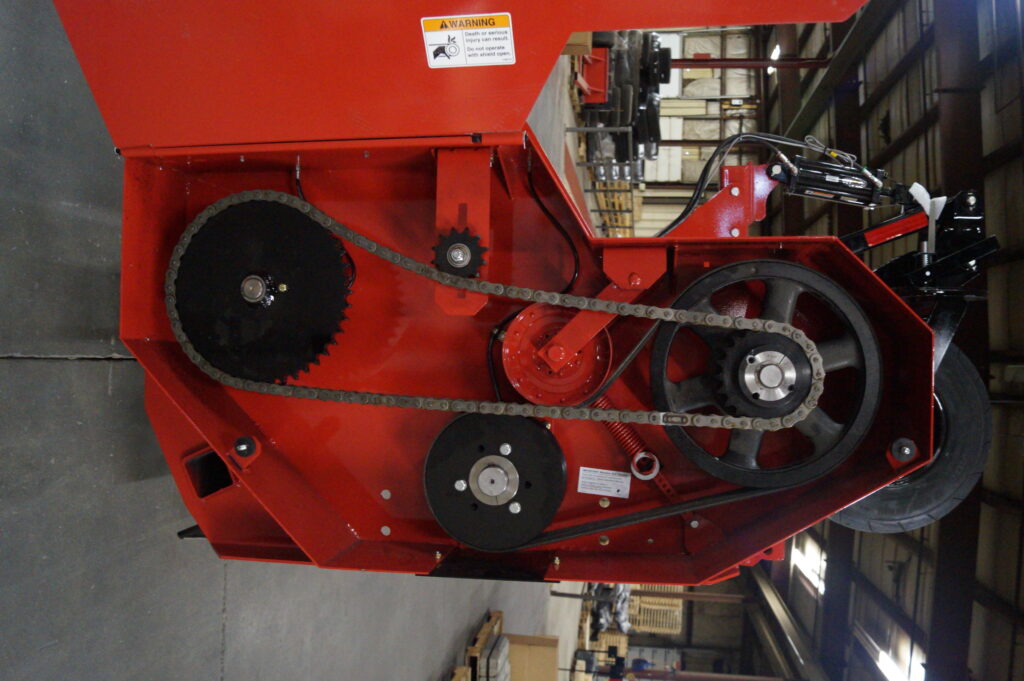
Close attention should also be given to belts, chains and pulleys. The components tend to display wear indicators such as cracks and fraying, along with signs of slippage. Drive belt slack alongside rotor speed inconsistencies could necessitate belt replacement or tightening. Hiniker creates durable stover chopper systems yet proactive maintenance remains essential for maintaining performance during peak demand periods.


Test the Power Transmission and PTO

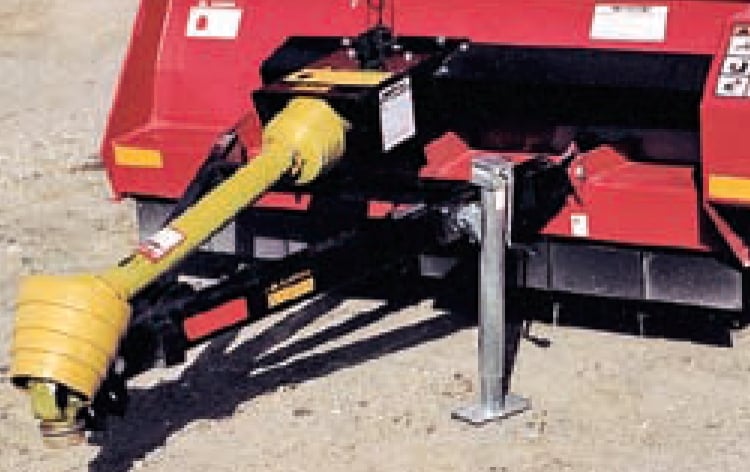
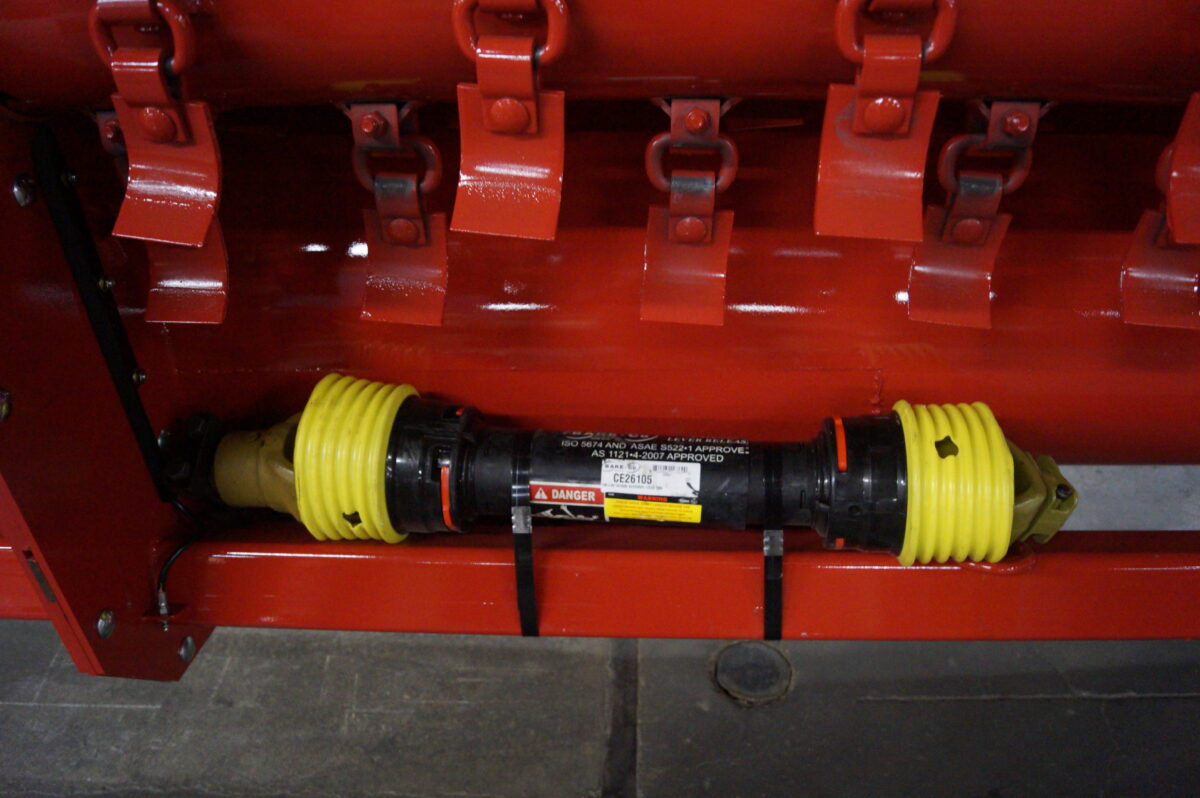
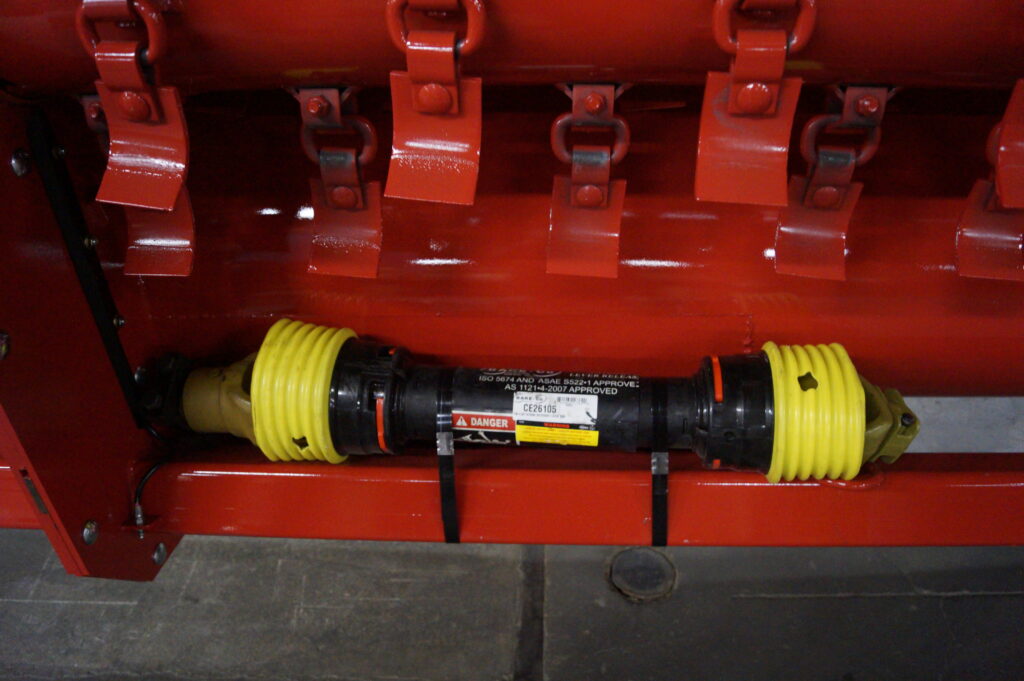
Power loss can be subtle at first. When the PTO shaft fails to deliver full power to the rotor, the stalk shredder will have difficulty cutting through thick residue. Look for wear-related damage on both the PTO shaft and universal joints. Signs of misalignment or internal wear include excessive vibration as well as heat buildup and irregular motion.

The PTO shield must remain in good condition and rotate without restriction. Safety risks emerge when shields sustain damage. Check that the tractor’s power rating adequately meets the requirements of your shredder equipment. When residue loads grow heavier, they require more horsepower to process. Hiniker designs machines with contemporary horsepower capabilities, but users still need to ensure proper equipment pairing.


Evaluate Field Performance from Last Season

As you prepare to return to the field analyze how your shredder functioned in the previous harvest season. Did it leave uneven windrows? Were there unprocessed patches of stubble? Were there any speed or material handling problems during your operation? The performance details provide tangible evidence that there might be problems with your equipment.

A functional stalk shredder will produce a field with clean ground and evenly spread finely chopped residue that decomposes before spring. The situation requires closer examination if those conditions weren’t met. When a machine operates poorly, it affects not only the current season but also disrupts planting conditions and potential crop yields for the following year.


Trust Your Equipment—and Your Dealer

A reliable machine will be ready for you when needed yet your dealer’s support keeps the shredder ready for use. Knowledgeable equipment providers enable you to obtain replacement parts and setup support while providing expert advice to enhance your stalk shredder’s performance. Hiniker’s dealer network stands ready to support you whether you need parts for a stover shredder or wish to upgrade to a wider model.

Hiniker develops machinery that simplifies maintenance procedures, enabling quick service tasks to be performed directly in the field. For major repairs or retrofits contact your dealer to make sure the work is completed both accurately and efficiently.


Hiniker — Reliable Solutions for Premium Farm Equipment Needs

A properly maintained stalk shredder enables effective residue management while promoting healthier soil and ensuring seamless operations in spring time. Regular inspections and servicing of equipment before peak workload periods helps maintain productivity during critical operations. Each component from sharpened flails to sealed bearings affects how your shredder performs.

Reach out to us now so we can assist you in acquiring equipment tailored to your unique requirements.

.

Stalk Shredder

.

Every successful farming operation relies on hard work, the right people, and the proper equipment – that’s where Hiniker comes in. When you need the latest equipment to make your farm operations as efficient as possible, our team is ready to assist.

Hiniker is proud to be one of the most reliable sources when it comes to farm equipment manufacturing. Since 1970, we have been building durable and productive equipment to help our friends in the agriculture community.

We carry the latest equipment, whether it’s cultivators, cover crop seeders, rate controllers, shredders, windrowers, or a forage chopper. Let Hiniker assist you with all your farming equipment needs.

Find your Hiniker Dealer today to find out more about our amazing agricultural equipment.

You can also follow us on Facebook for the latest news and updates.
Ways to Detect Problems With Your Forage Chopper

.

Forage Chopper

.

The performance of your harvesting equipment must remain flawless to produce high-quality silage. During silage production, the forage chopper plays an essential role by processing standing crops into feed that livestock can digest. Mishaps during chopping create expensive repercussions which impact the quality of feed as well as equipment lifespan and worker schedules.

At Hiniker we maintain a reputation for constructing durable forage equipment and parts throughout the United States. The finest machines require maintenance to achieve optimal performance. Identifying problems with your forage chopper early on helps you avoid time-consuming repairs and maintains both your equipment and feed quality.


Monitoring Chop Length Consistency

Inconsistent chop length is an evident symptom that your forage chopper is experiencing operational issues. The purpose of chopping is to create uniform particles that allow for even fermentation and effortless digestion for livestock. A combination of excessively long and short pieces in your output suggests an adjustment problem or component wear.

The problem arises from knives that are no longer sharp together with improper shear bar clearance and rotor misalignment. Ensure regular inspections of cutting parts and maintain blades at peak sharpness. Chop quality suffers from uneven rotor wear, so balance and spacing must be checked. Silage suffers from decreased nutrition and inconsistent fermentation when chopping patterns fluctuate beyond acceptable standards.


Paying Attention to Unusual Noises and Vibrations

Machinery generates sound during operation, but paying attention to abnormal noise remains essential. Mechanical issues that can damage your equipment may become apparent through clanking and grinding sounds, together with excessive vibration. Equipment failures frequently result from worn bearings alongside foreign objects caught in the feed path or misaligned shafts.

Our forage choppers at Hiniker are designed for demanding tasks but operators must remain vigilant to sound changes in their machines. Unattended vibration or sound can cause parts to fail during harvest when it matters most. When you detect an unfamiliar sound from the machine, stop operations immediately and examine it for any loose fasteners, worn bearings, or broken flails.


Watching for Uneven Crop Feeding

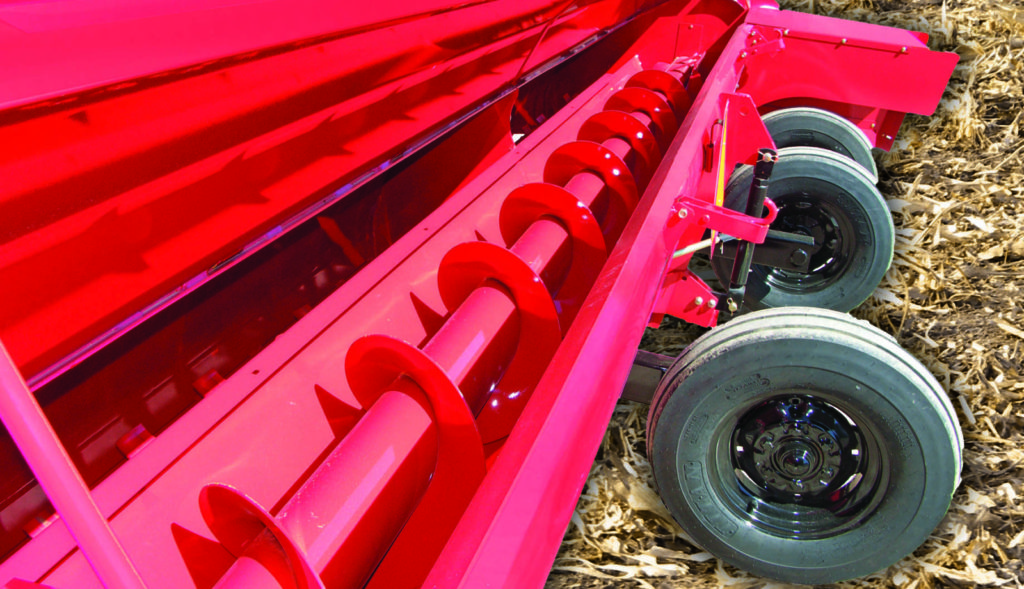
The efficient operation of throughput and chop consistency depends on maintaining smooth and continuous feeding. Uneven crop feeding might be due to feed rollers or intake augers experiencing wear, slippage, or blockages. The formation of material clumps creates backlogs and overloads that burden the machine and diminish field productivity.

Monitor your feed rates and watch for engine or rotor speed fluctuations to identify when the machine is overworking. Inspect chains, belts, and feed mechanisms frequently. The intake system on a Hiniker flail forage harvester demands regular maintenance to maintain its designed clean, high-volume feeding performance.

.

Forage Chopper

.

Monitoring Power Requirements

Any unexpected shift in fuel usage or power demand signals potential internal resistance problems or cutting efficiency issues. Your forage chopper operating harder than usual could be due to worn blades or plugged screens and friction from bearings that lack proper lubrication.

Always monitor PTO performance and engine speed variations when operating equipment. Variations in performance indicate possible drive train resistance or rotor balance problems. Your tractor faces increased stress from these conditions, which results in both diminished cut quality and decreased equipment life expectancy.


Keeping an Eye on Silage Quality

The quality of your silage serves as an indirect yet revealing indicator of how well your forage chopper operates. Observing poor fermentation alongside inconsistent silage texture and leaf loss indicates the need to examine your chopping system. When forage harvesters produce improper chop lengths and ragged cuts, they damage plant tissues, which lowers the feed’s nutritional content.

A forage harvester that is calibrated correctly provides clean and efficient cuts, which help maintain nutrient-rich crop sections. Dull knives and incorrect clearance settings cause leaves and fine particles to escape from the wagon or remain in the field. Frequent checks of storage inputs provide the best insight into machine operations.


Regularly Inspecting Wear Parts

The regular inspection of wear components such as knives, shear bars, drive chains, and belts prevents unexpected breakdowns. The wear components experience ongoing stress which leads to slow degradation but typically show no immediate signs of failure. That’s why proactive checks are essential.

Through collaboration with reputable flail forage harvester dealers, you gain access to correct replacement parts and professional support. Hiniker dealers possess operational knowledge of these machines, which allows them to detect wear patterns that could reveal underlying problems. Proper chopper maintenance becomes more manageable with dependable support in your corner.


Understanding the Value of Early Detection

Early identification of forage chopper problems gives you greater flexibility to fix it without stopping your harvest operations. Early detection of equipment issues enables quick fixes or low-cost part replacements instead of enduring expensive downtime and repair expenses after mechanical failures during silage operations.

The chance of attaining consistent machine performance increases for farmers who implement regular equipment checks while attentively listening for changes and monitoring output continuously. Hiniker forage tools simplify maintenance procedures while ensuring durability and serviceability so that operators can handle troubleshooting tasks without delay during busy harvest periods.


For You Premium Farm Equipment Needs — Hiniker Provides Complete Coverage

Every livestock-focused operation depends heavily on the use of a forage chopper machine. Maintaining peak performance demands routine check-ups and fast response to unusual symptoms, along with dependable support and parts availability. Hiniker’s rugged engineering combined with its trusted dealer network ensures your silage program remains efficient by staying ahead of potential breakdowns.

Reach out to us now so we can provide you with equipment that meets your individual requirements.

.

Forage Chopper

.

Every successful farming operation relies on hard work, the right people, and the proper equipment – that’s where Hiniker comes in. When you need the latest equipment to make your farm operations as efficient as possible, our team is ready to assist.

Hiniker is proud to be one of the most reliable flail forage harvester manufacturers and so much more. Since 1970, we have been building durable and productive equipment to help our friends in the agriculture community.

We carry the latest equipment, whether it’s cultivators, cover crop seeders, rate controllers, shredders, windrowers, or a forage harvester. Let Hiniker assist you with all your farming equipment needs.

Find your Hiniker Dealer today to find out more about our amazing agricultural equipment.

You can also follow us on Facebook for the latest news and updates.
Taking Care of Your Flail Mowers in Between Mowing Sessions

.

Flail Mowers

.

Regular maintenance extends beyond pre-season preparations and serves as a continuous practice that safeguards your investment while delivering reliable performance for every field operation. Operators who depend on flail mowers must maintain their machines between uses to minimize downtime and ensure optimal performance.

Hiniker stands as a leader in durable agricultural equipment by designing flail mowers to endure demanding field conditions. These machines combine rugged performance with long-term reliability to deliver precise mowing results throughout every season. Flail mowers operate as hardworking tools that require routine maintenance even during periods when they are not active.


Why Between-Session Maintenance Matters

Producers concentrate on equipment maintenance during seasonal start and finish, but the period between work sessions critically impacts equipment longevity. Flail mowers operate under constant vibration while cutting at high speeds and face exposure to plant residue and moisture as well as dirt. If you fail to perform cleaning and inspection between sessions, your tool will transform minor wear into significant problems.

You must attend to your equipment after each use regardless of how the mowing schedule changes with crop type or climate conditions. Routine maintenance keeps your mower in optimal performance condition and prolongs the lifespan of essential parts while maintaining high cutting standards.


Cleaning Is the First Line of Defense

Once you finish mowing, residue buildup will occur. Organic materials such as grass and stems attach themselves to the mower deck along with the rotor and flails during mowing operations. When debris accumulates without removal, it holds moisture that leads to rust and accelerates wear. Regular cleaning prevents buildup and enables straightforward examination of vital components.

Use high-pressure air or a hose to clear loose debris, while stubborn materials will need light scraping or brushing for removal. To prevent corrosion the underside of the housing requires careful cleaning especially in humid environments. Protecting the mower’s finish with this simple procedure will also streamline future maintenance tasks.


Inspecting Flails, Bearings, and Belts

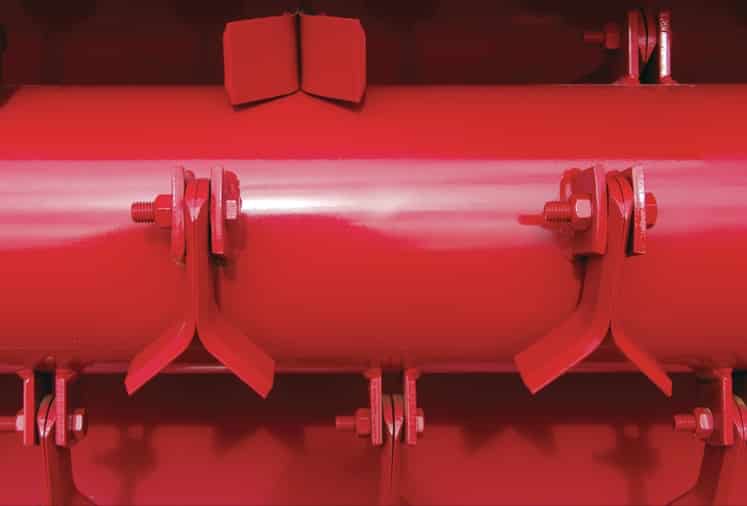
The cutting mechanism stands as the essential element of any flail mower. Flails that show signs of wear or damage lead to uneven cuts as well as extra stress on the rotor and bearings. After each mowing session inspect every flail blade for any signs of damage including cracks and dullness or signs of excessive wear. Securing and balancing flails properly will help avoid vibrations that could harm other machine components.

Bearings require regular checks for signs of heat generation or unusual noise and play. Dealing with signs of wear right away will help you prevent expensive repair costs. Belts and tensioners require regular attention after each use. Examine for any cracks or fraying and ensure there is no slipping before making tension adjustments following the manufacturer’s guidelines.

The design of Hiniker flail mowers enables straightforward maintenance through quick access to key areas which minimizes operational interruptions. The company has earned nationwide trust among flail mower manufacturers due to its user-friendly design.


Lubrication Keeps Everything Moving Smoothly

The multiple moving components of flail mowers need appropriate lubrication for effective operation. Gearbox seals and bearings require consistent greasing along with pivot points to minimize wear while keeping friction at bay. Inconsistent lubrication causes overheating that increases resistance until parts eventually fail.

Maintain your equipment according to its service schedule by checking and greasing between mowing sessions. Focus on maintaining areas that encounter the highest levels of dirt and moisture accumulation. Timely lubrication helps prevent your mower from seizing and maintains its operational lifespan.

.

Flail Mowers

.

Checking for Frame Stress and Safety Shields

Frequent use and transportation can damage the structural integrity of any machine. Flail mowers are no exception. Every time you finish a session perform an inspection of the frame to detect fatigue symptoms like cracks or bending along with any missing hardware. Ensure all mounting bolts are tightened and check that safety shields and guards remain intact and operational.

When operating your flail mower with a device such as a stalk cutter, windrowers, or a stalk chopper, you need to double-check that all attachments and transitions are properly secured. Components will suffer damage from movement that goes unchecked and unsafe working conditions will develop from improper mounting.


Protecting Equipment During Storage Between Sessions

Storage demands equal attention to in-field maintenance when the mower remains unused for several days or weeks. Place the mower on a clean, dry surface under cover if possible to minimize its exposure to weather conditions. Follow manufacturer instructions to lower the mower deck and reduce belt tension during storage. Remove the PTO shaft from the mower and maintain its cleanliness and dryness.

This brief storage method protects essential components from corrosion damage. Producers implementing flail shredders for residue management must store these tools properly to keep them ready for use with mowing equipment.


Built to Perform, Maintained to Last

At Hiniker our flail mowers deliver top-tier performance and robust reliability yet require routine maintenance. Regular maintenance during the operating season is essential for preserving long-term equipment efficiency and reliability. Appropriate maintenance practices enable your mower to deliver reliable performance and stay productive in your operation over many years.


Hiniker Provides Premium Farm Equipment Solutions

Maintaining your flail mowers between uses is straightforward yet essential. Implementing routine cleaning and inspection alongside lubrication and short-term storage practices helps minimize wear while preventing breakdowns so you maximize performance during each mowing session.

Get in touch with our Hiniker team today, and we will guide you through selecting the equipment that meets your precise requirements.

.

Flail Mowers

.

Every successful farming operation relies on hard work, the right people, and the proper equipment – that’s where Hiniker comes in. When you need the latest equipment to make your farm operations as efficient as possible, our team is ready to assist.

Hiniker is proud to be one of the most reliable sources when it comes to farm equipment manufacturing. Since 1970, we have been building durable and productive equipment to help our friends in the agriculture community.

We carry the latest equipment, whether it’s cultivators, cover crop seeders, rate controllers, shredders, windrowers, or a forage chopper. Let Hiniker assist you with all your farming equipment needs.

Find your Hiniker Dealer today to find out more about our amazing agricultural equipment.

You can also follow us on Facebook for the latest news and updates.


Why a Stalk Chopper is Necessary After Harvest Season

.

Stalk Chopper

.

After harvesting the grain from the field, it appears that the challenging work has finished. Your post-harvest choices have a direct impact on the success of next year’s planting cycle. The stalk chopper stands out as a vital yet frequently ignored component of the post-harvest process. The machine cuts and processes leftover crop residue in an efficient manner to maintain soil health while managing pests and preparing the field for the upcoming planting season.

At Hiniker, we design durable, high-performance agricultural equipment to serve modern producers throughout the United States. The design of their stalk choppers ensures durability, precision, and easy operation, which enables farmers to complete their current season effectively and prepare for the next season successfully.


Stalk Choppers Play an Important Function in Managing Agricultural Residue Post-Harvest      

The field remains after corn or sorghum harvest contains stalks, leaves, and husks, which serve as either beneficial or detrimental components for soil health. If farmers don’t handle this residual material properly it will delay decomposition processes and create obstacles for spring field preparation while obstructing planters in subsequent planting seasons. That’s where a stalk chopper comes in.

The machine accelerates plant material breakdown through its ability to cut stalks into smaller pieces. By accelerating decomposition, valuable nutrients return to the soil faster, which improves organic matter content and promotes healthier microbial activity. Unprocessed plant residue remains intact during decomposition, which leads to slow and uneven breakdown and raises the potential for disease and weed persistence.


Effective Pest and Disease Control — It Begins with Proper Ground-Level Management Practices

Standing residue serves as a winter haven for numerous pests and diseases. Unchopped corn stalks allow corn borers, rootworms, and fungal pathogens to survive until the next planting season, when they become active again. Effective shredding breaks their habitat apart which eliminates living spaces and lowers population density.

A stalk cutter and a stalk shredder perform dual functions by both chopping residue and allowing sunlight and soil microbes to reach the debris to fight disease-causing pathogens. The incorporation of this step into an integrated pest management framework leads to fewer chemical control requirements and cleaner and more manageable fields.

.

Stalk Chopper.

Better Seedbed Preparation and Tillage

Unprocessed heavy residue creates problems when preparing fields for spring. Heavy residues may wrap tillage tools and block planters while causing inconsistent seed depth placement. Using a stalk chopper correctly results in residue pieces that either blend into the soil easily or stay on the surface without disrupting subsequent field operations.

No-till and conservation tillage systems require residue management that maintains sufficient ground cover yet avoids overly dense buildup, which would obstruct precise seed placement. Precise shredding tools such as our choppers demonstrate value by providing optimal levels of residue coverage while preparing the seedbed effectively.


Supporting Soil Health Through Balanced Residue Distribution

The stalk chopper performs effectively when it spreads plant matter uniformly throughout the field. Uniform distribution of plant matter prevents hot spots of residue, which cause poor seed germination and uneven soil moisture levels. The practice of balanced spreading helps prevent nitrogen tie-up, which occurs when decomposing residue drains essential nutrients from the soil that the next crop requires.

Farmers who work with large quantities of corn residue frequently refer to this process as stover chopping or stover shredding. This requires a stover chopper or stover shredder to complete. No matter what farmers call it, they all strive to achieve maximum soil contact and uniform residue coverage while returning nutrients to the field in a usable state.


Versatility for Multi-Crop Systems

Stalk choppers function well across multiple crops such as sorghum and sunflowers in addition to their typical use in corn. These machines demonstrate great flexibility by adapting to various stalk sizes and row setups and different field environments to provide essential functionality for diverse agricultural operations.

Hiniker constructs their machines to provide flexible performance capabilities. These tools remain highly effective across all conditions due to their high-torque drives and durable blades, which enable them to adapt to varying cutting heights from small soybean stubble to large corn stalks. Combining Hiniker’s machines with flail mowers for lighter vegetation control provides operations with flexibility throughout all seasons.


Built for Durability and Field Performance

Selecting a stalk chopper requires equal consideration of both its cutting power and its durability because maintenance plays an essential role too. Hiniker builds their equipment using robust materials that handle repeated usage in tough environments. Their systems incorporate high-strength rotors together with reinforced housing and easy-to-access points for replacing blades or performing routine inspections.

In operations constrained by short post-harvest periods, equipment reliability becomes essential. When equipment remains idle during this pivotal time, farmers can lose valuable chances and face postponed field preparation. The engineering of Hiniker machines ensures reliable performance, which leads to greater field time and fewer shop visits.


Hiniker Provides Complete Coverage for High-End Farm Equipment Needs

The stalk chopper functions not only as a cleanup device but also serves as an essential component of your long-term crop management plan. This equipment helps maintain healthier soil and improve operational efficiency through residue breakdown, pest suppression, and field preparation for upcoming planting seasons.

Reach out to us right now so we can guide you toward selecting the ideal equipment to meet your precise requirements.

.

Stalk Chopper.

Every successful farming operation relies on hard work, the right people, and the proper equipment – that’s where Hiniker comes in. When you need the latest equipment to make your farm operations as efficient as possible, our team is ready to assist.

Hiniker is proud to be one of the most reliable sources when it comes to farm equipment manufacturing. Since 1970, we have been building durable and productive equipment to help our friends in the agriculture community.

We carry the latest equipment, whether it’s cultivators, cover crop seeders, rate controllers, shredders, windrowers, or a stalk cutter. Let Hiniker assist you with all your farming equipment needs.

Find your Hiniker Dealer today to find out more about our amazing agricultural equipment.

You can also follow us on Facebook for the latest news and updates.
The Critical Role of a Forage Harvester in Producing Silage

.

Forage Harvester

.

For livestock farming success, quality feed serves as the essential foundation. The foundation of high-performance nutrition begins with appropriate equipment because the forage harvester stands out as one of the most vital machines for silage production. A forage harvester allows farmers to process corn, alfalfa, sorghum, and grass crops at the proper maturity stage while maintaining correct length and moisture content for improved fermentation and feed quality.

As a trusted agricultural equipment manufacturer, our team at Hiniker produces dependable machinery that serves agricultural producers throughout the United States. Hiniker’s equipment selection provides rugged field-proven tools for all tasks from row crop cultivation to residue management, which were developed by farmers to serve their needs. Our forage harvesting solutions demonstrate extensive practical experience and dedication to quality developed over decades.


What Does a Forage Harvester Do? How Does it Function?

The forage harvester functions to cut green plant material into pieces appropriate for ensiling. The forage harvester collects field crops and cuts them into equal lengths before blowing them into a wagon or trailer. After chopping the plant material into silage, it undergoes a fermentation process during packing to provide premium feed for both dairy and beef cattle.

The nutritional quality of silage depends on the timing of harvesting, the length of chopped pieces and the maturity stage of crops. The harvester should operate with precision and consistency to preserve proper moisture levels and minimize spoilage. Selecting the appropriate harvester for whole-plant corn or multi-cut alfalfa operations determines whether forage quality will merely meet basic standards or reach exceptional levels.


Chop Quality Directly Influences Feed Efficiency

A forage harvester’s primary function includes achieving uniform particle size throughout the feed. The physical features of livestock feed directly impact digestibility, while inconsistent chop lengths can upset ration balance and lower consumption rates. Forage harvesters produce consistent cuts, which simplify bunker or silo packing while excluding oxygen to maintain stable fermentation.

Chop quality also influences mixing and feedout. Long silage fails to pack properly, while very fine content risks uneven fermentation or spoilage. Operators can adjust chop lengths precisely with our flail-style harvesters, which allows them to customize settings for various crops and management systems.

.

Forage Harvester

.

Moisture Management Starts in the Field

Ensuring proper moisture levels during forage harvesting is essential for preserving silage quality. Feed that lacks moisture will prevent proper fermentation, while excessive moisture raises concerns about nutrient degradation. A reliable flail forage harvester delivers quick and efficient processing, which enables operators to harvest crops at optimal moisture levels and maturity for ensiling.

Hiniker’s forage harvesting systems combine durability of flails with smooth feeding action which helps reduce leaf loss while preserving digestible nutrients. Preserving leaves becomes critical for crops such as alfalfa and sorghum.


Versatility in the Field

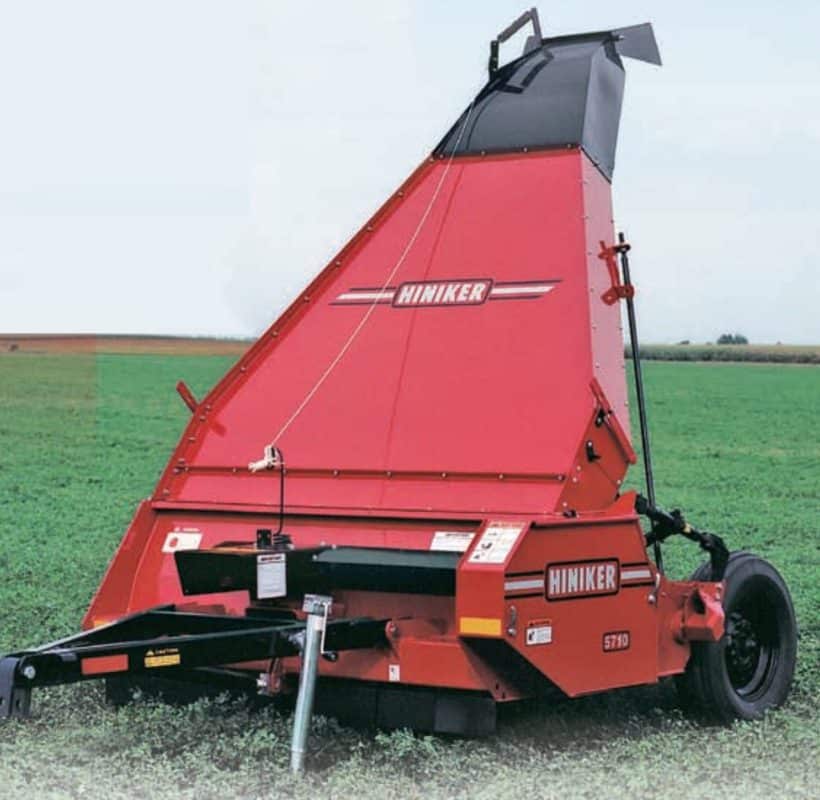
A single farm does not limit itself to cultivating only one kind of forage. Hiniker’s forage harvesters can process a variety of forages such as grasses, legumes and cereal crops. Mixed operations that rotate between silage crops or aim to grow their forage programs need this versatility to function without buying multiple machines.

Hiniker stands out as one of the most established flail forage harvester manufacturers because it prioritizes practical performance. These harvesters are designed to efficiently process dense and wet crop stands while delivering uniform cuts straight to the trailers. Harvesters perform with reduced downtime and more consistent patch coverage while achieving a more productive harvest cycle.


Why Equipment Support Matters

Forage harvesting must be completed within a limited timeframe, which frequently presents challenging weather conditions. Your harvester needs to perform whenever you require it without any disruptions. Hiniker acknowledges that ensuring reliability requires more than just robust engineering. Equipment service includes the presence of local dealers alongside convenient replacement parts access and field-friendly maintenance features.

The expertise of knowledgeable flail forage harvester dealers provides support throughout every stage of your harvesting process. A reliable dealer transforms preseason setup and in-season troubleshooting into smooth operation rather than wasted time.


Forage Chopper vs. Forage Harvester

A forage chopper and a full forage harvester have distinct functions despite appearing similar. The term forage chopper usually describes the chopping mechanism that functions within either a portable or fixed system. The forage harvester functions as a self-contained or pull-type machine which traverses fields to efficiently harvest large quantities of forage.

Producers obtain flexible harvesting capabilities through Hiniker’s robust chopping systems, which seamlessly integrate with field-ready equipment to enable fast and consistent forage harvesting. Hiniker equipment remains durable through repeated use in rough terrains and tough crop conditions.


Built with Farmers in Mind

Hiniker’s forage equipment is engineered with every detail to help farmers accomplish tasks more efficiently and enhance productivity. Our Hiniker team combines intuitive controls and high-performance rotors with heavy-duty frames and reliable drive systems. We build straightforward operation tools with easy maintenance.

We are proud to be a leading flail forage harvester manufacturer in the U.S. At Hiniker, we focus on delivering real-world performance rather than gimmicks. Our harvesters undergo testing under the same conditions you work while their construction meets today’s high-performance forage systems requirements.


Hiniker — Top-Notch Farm Equipment Solutions to Meet Your Needs

Successful silage production requires suitable tools, with a reliable forage harvester being crucial to the process. Hiniker’s forage equipment supports producers by maintaining nutrient levels and boosting harvest efficiency to provide dependable high-value feed.

You can contact us now, and we will assist you in selecting the equipment that fits your particular requirements.

.

Forage Harvester

.

Every successful farming operation relies on hard work, the right people, and the proper equipment – that’s where Hiniker comes in. When you need the latest equipment to make your farm operations as efficient as possible, our team is ready to assist.

Hiniker is proud to be one of the most reliable sources when it comes to farm equipment manufacturing. Since 1970, we have been building durable and productive equipment to help our friends in the agriculture community.

We carry the latest equipment, whether it’s cultivators, cover crop seeders, rate controllers, shredders, windrowers, or a forage chopper. Let Hiniker assist you with all your farming equipment needs.

Find your Hiniker Dealer today to find out more about our amazing agricultural equipment.

You can also follow us on Facebook for the latest news and updates.