


.
.
Anhydrous flow monitor systems don’t usually get much attention until something feels off in the field. Maybe application rates don’t match expectations. Maybe parts of the field look uneven later in the season. That’s often when growers start digging into how their rate control system is actually working.
At a basic level, these systems are designed to keep your ammonia application consistent. But the way they do that. and why it matters. goes a little deeper than most people expect.
What a rate controller is actually doing
When you apply anhydrous ammonia, the goal is simple: deliver the right amount of nitrogen across the entire field.
The challenge is that field conditions aren’t consistent. Speed changes. Terrain varies. Soil conditions shift. Without some form of monitoring and adjustment, application rates can drift.
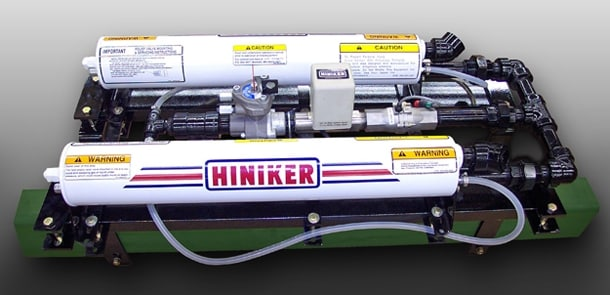
An anhydrous flow monitor tracks how much ammonia is moving through the system in real time. It helps to ensure that what you planned to apply is what’s being delivered. Instead of guessing, you’re working with feedback.
Why consistency matters more than anything
Nitrogen management isn’t forgiving. Too little, and crops don’t reach their full potential. Too much, and you’re wasting input costs while increasing the risk of runoff.
Consistency across the field is what makes the difference.
That’s where tools like anhydrous ammonia rate controllers come into play. They adjust flow rates automatically based on speed and system feedback.
If your tractor slows down, the system compensates. If speed increases, it adjusts again. The goal is to keep application rates steady regardless of what’s happening in the field.
How flow monitoring works in real conditions
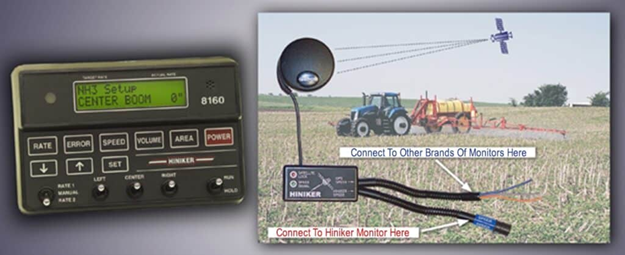
Flow monitors measure the amount of ammonia passing through your system at any given moment. This data gets sent to the controller, which compares it to your target rate. If there’s a difference, adjustments are made automatically.
An anhydrous line monitor adds another layer by tracking individual lines. That way, if one section isn’t flowing correctly, you’ll know right away.
Instead of discovering problems later in crop performance, you catch them during application.
.
.
The role of speed in application rates
Speed changes constantly in the field. Even small variations can affect how much ammonia is applied per acre if the system isn’t compensating.
This is where an NH3 flow monitor becomes valuable. It allows the system to adjust in real time, keeping your application rate aligned with your target.
Without that adjustment, faster speeds can lead to under-application, while slower speeds can result in over-application.
Over the course of a field, those differences add up.
Why section control matters
Not every part of the field needs the same application at the same time. Turning at headlands, overlapping passes, or navigating irregular field shapes can all create inconsistencies.
An NH3 line monitor helps manage those situations by tracking flow across different sections. This makes it easier to identify overlaps or gaps during application. Instead of relying on visual estimates, you have actual data showing what’s happening across the toolbar.
Reducing waste and improving efficiency
Fertilizer is one of the largest input costs in farming. Even small inefficiencies can have a noticeable impact over time.
Using an anhydrous flow monitor helps reduce that waste by keeping application rates consistent and identifying issues early.
If a line is blocked or a section isn’t applying correctly, you’ll know immediately. That kind of feedback helps avoid over-application in some areas and under-application in others.
What happens without proper monitoring
Without rate control and monitoring, application becomes less predictable. You might still get decent results, but variability across the field increases.
Some areas receive more nitrogen than needed. Others don’t get enough. Over time, that variability shows up in crop performance.
A properly set anhydrous flow monitor reduces that uncertainty. It gives you a clearer picture of what’s happening during application instead of relying on assumptions.
Setup and calibration still matter
Even with advanced equipment, setup is critical. Flow monitors and controllers need to be calibrated correctly to match your equipment and application goals.
Working with an automatic rate controller manufacturer often provides guidance on setup, calibration, and ongoing adjustments.
Skipping that step can lead to inaccurate readings or inconsistent performance. The system is only as good as how it’s set up.
What to expect in the field
Once everything is dialed in, the difference is noticeable. Application feels more controlled. Adjustments happen automatically. You’re not constantly second-guessing whether rates are correct.
A well-configured anhydrous flow monitor becomes part of the process rather than something you have to think about. That consistency carries through the rest of the season.
Why these systems are becoming standard
As input costs rise and margins tighten, precision matters more. Growers want to know exactly what’s being applied and where.
Rate controllers and flow monitors provide that level of visibility. They don’t replace good management decisions, but they support them. And over time, that added control can make a measurable difference.
FAQs
How accurate are anhydrous ammonia rate controllers?
When properly calibrated, they’re very accurate. They adjust in real time based on speed and flow, helping maintain consistent application rates across the field.
Do you need a flow monitor with a rate controller?
Most systems work best when both are used together. The flow monitor provides feedback, while the controller makes adjustments based on that data.
Can these systems reduce fertilizer costs?
Yes, in many cases. By preventing over-application and identifying issues early, they help reduce waste and improve efficiency.
Tired of Fighting Your Farm Equipment? Let’s Make It Easier.
Reach out to us online at Hiniker to fill out a form or call us at 507-625-6621
We are here to assist you with all your farm equipment needs. We carry the latest equipment, whether it’s cultivators, cover crop seeders, rate controllers, shredders, windrowers, or a forage chopper.
Find your Hiniker Dealer today to find out more about our amazing agricultural equipment.
You can also follow us on Facebook for the latest news and updates.