



.
.
Cultivator cost per acre isn’t as straightforward as most people think. It’s easy to look at the upfront price of equipment and stop there, but the real expense shows up once you’re in the field, fuel, wear parts, labor, and time all add up fast.
If you’re trying to decide whether cultivation makes sense in your system, or you’re comparing it to other weed control methods, you need to break it down by the acre. That’s where the numbers start to tell the real story.
Cultivator dealers at Hiniker can guide you!
Why cost per acre matters more than purchase price
A row crop cultivator might seem expensive upfront, but that cost gets spread across every acre you run through it over time.
What matters more is:
- How many passes you make
- How efficiently you cover ground
- How much it costs to operate each pass
Two operations can own the same machine and end up with very different per-acre costs based on how they use it.
Many growers still rely on a trusted row crop cultivator dealer when upgrading because setup and adjustment matter just as much as the machine itself.
Fuel costs in real field conditions
Fuel is usually the first variable people look at.
A typical cultivator pass doesn’t burn as much fuel as heavy tillage, but it’s not nothing either.
Fuel use depends on:
- Tractor size
- Field speed
- Soil conditions
- Number of passes
Lighter soils and steady speeds tend to keep fuel use lower. Wet or heavy ground pushes fuel consumption up because the tractor has to work harder.
When you average it out, fuel costs often land in a moderate range per acre, but they increase quickly if you’re making multiple passes.
Cultivator performance isn’t just about the tool
A lot of comparisons stop at the machine. That’s where things get misleading.
Soil type, residue levels, and moisture conditions all play a role in how either setup performs. A cultivator that works great in lighter soils might struggle in heavier ground with more residue.
If you’re dealing with:
- Heavy corn residue
- Uneven emergence
- Wet spring conditions
Your choice matters even more.
Some growers try to force a high speed approach into conditions that really need slower, more controlled passes. That’s usually where performance drops off.
Wear parts and maintenance add up quietly
This is the category many growers underestimate.
Sweeps, shanks, and other wear components take a beating, especially in abrasive soils or fields with a lot of residue.
Over time, replacement parts become a steady cost. It’s not a one-time expense, it’s ongoing.
Working with experienced cultivator manufacturers can help here, since some designs hold up better under certain conditions. But no setup avoids wear entirely.
If you’re running across a lot of acres, those parts need to be factored into your cost per acre.
Labor and fuel tell a different story
It’s easy to focus on field results, but operating costs matter just as much.
High speed machines:
- Cover more acres per hour
- Reduce total field time
- Lower labor hours per acre
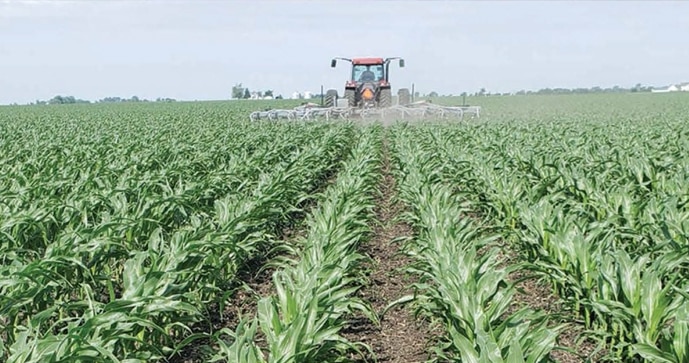
Row crop systems:
- Take more time
- Require more attention from the operator
- Often use less aggressive horsepower
Fuel use can swing either way depending on how hard you’re pushing equipment and how many passes you’re making.
This is where operations start doing real math. Not just equipment cost, but cost per acre across the entire season.
.
.
Equipment setup and support matters more than expected
A lot of performance issues come down to setup.
Depth control, spacing, and adjustment all affect how well your cultivator actually works. Even small misalignments can reduce effectiveness in the field.
That’s why many growers lean on experienced support from cultivator manufacturers. Not just for the machine, but for dialing it in correctly.
You can have the right tool and still get poor results if it’s not set up for your conditions.
Labor is where differences show up fast
Labor cost depends on time in the field.
A row crop cultivator typically requires:
- Slower operating speeds
- More attention from the operator
- More total hours per acre
That increases labor cost compared to faster equipment. If you’re short on labor or trying to cover acres quickly, this becomes a major factor. On the other hand, if labor is available and you’re focused on precision, the tradeoff may be worth it.
How number of passes changes everything
One pass vs two passes makes a big difference.
Each additional trip across the field means:
- More fuel
- More labor
- More wear
Some operations rely on a single pass if timing is right. Others need a follow-up pass to clean up escapes.
This is where comparing systems gets tricky. A single well-timed pass can be cost-effective. Multiple passes can push costs higher than expected.
Comparing to high speed alternatives
High speed cultivators often come into the conversation here.
They cover more acres per hour, which reduces labor cost per acre. But they may not provide the same level of precision near the row.
So the comparison becomes:
- Lower labor cost vs higher accuracy
- Fewer hours vs better weed control
Some growers find that faster equipment lowers cost per acre but requires additional weed control later. Others find the opposite.
Equipment efficiency and field conditions
Not every acre costs the same. Field shape, terrain, and residue levels all affect efficiency. Irregular fields slow you down. Heavy residue increases wear. Wet spots can reduce working speed or force delays.
That means your cost per acre isn’t fixed. It fluctuates depending on what your fields look like that season. Working with a knowledgeable row crop cultivator dealer can help you set up equipment to handle those variables more efficiently.
Estimating a realistic cost range
When you combine everything, fuel, wear, labor, you start to get a clearer picture.
A typical breakdown might look like:
- Fuel: moderate cost per acre
- Wear parts: steady ongoing cost
- Labor: variable depending on speed and acres
Add those together, and cultivation usually falls into a competitive range compared to other weed control methods, especially when it reduces chemical use. But the exact number depends heavily on how you operate.
Hidden costs most people don’t calculate
Some costs don’t show up right away.
Missed weeds can lead to:
- Yield loss
- Additional passes
- More herbicide use later
Crop damage from poor setup can also affect yield.
These aren’t direct line items, but they impact your bottom line. That’s why setup, timing, and operator experience matter just as much as the machine itself.
When a cultivator makes financial sense
A cultivator tends to make the most sense when:
- You’re trying to reduce herbicide costs
- You have consistent labor available
- You can time passes correctly
It becomes less efficient when:
- Weather delays push you off schedule
- Fields require multiple extra passes
- Labor is limited
Like most equipment decisions, it’s about matching the tool to your operation.
What does a row crop cultivator really cost per acre?
The honest answer is, it varies more than most people expect. But once you factor in fuel, wear, labor, and efficiency, you can get a realistic number that reflects how you actually farm. And that number is what should guide your decision, not just the price tag on the machine.
FAQs
How much fuel does a cultivator use per acre?
It depends on tractor size and field conditions. Lighter soils and steady speeds use less fuel, while heavier ground increases consumption.
Is a row crop cultivator cheaper than herbicide?
Sometimes it is. Many growers use cultivation to reduce chemical costs, but the total savings depend on how many passes are needed and how effective they are.
What increases cultivator cost per acre the most?
Extra passes tend to drive costs up quickly. Each additional trip adds fuel, labor, and wear, which can change the total more than expected.
.
 .
.
Tired of Fighting Your Farm Equipment? Let’s Make It Easier.
Reach out to us online at Hiniker to fill out a form or call us at 507-625-6621
We are here to assist you with all your farm equipment needs. We carry the latest equipment, whether it’s cultivators, cover crop seeders, rate controllers, shredders, windrowers, or a forage chopper.
Find your Hiniker Dealer today to find out more about our amazing agricultural equipment.
You can also follow us on Facebook for the latest news and updates.