



.
.
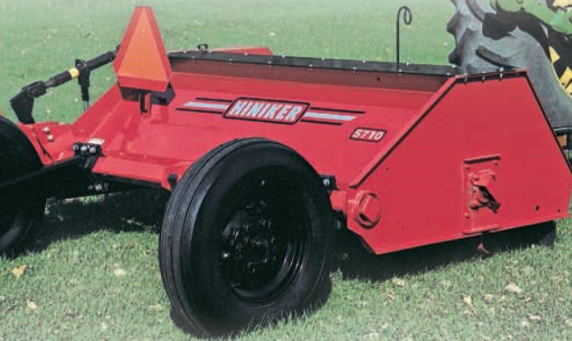
Flail mowers are a strong fit when field material is too tall, too tough, or too uneven for a light-duty cleanup pass. They are built to cut and size residue so the next field operation has less to fight. That may mean stalks after harvest, cover crop growth, field edges, or other rough material that needs to be knocked down and managed.
The question is not whether a flail mower can cut. It is whether the machine fits the job, the tractor, and the finish you need behind the pass.
Start with the material
Different material asks different things from a mower. Corn stalks are not the same as grass. Cover crop stems are not the same as dry field residue. Wet material is not the same as dry material.
That is why flailers need to be matched to the real job. If you want residue sized for tillage or planting, cut consistency matters. If you are cleaning field edges, durability and height control may matter more.
Before buying or setting up the mower, decide what success looks like. Shorter residue? Better distribution? Easier tillage? Cleaner field borders? A smoother planting surface next season?
The clearer the goal, the easier it is to choose the machine.
Why flail mowers work well in residue
Flail mowers use multiple cutting elements across the rotor, which helps process material across the width of the machine. That can be helpful when residue is uneven or standing.
In heavy stalks, a flail mower can reduce long pieces that might otherwise drag through tillage tools or interfere with planter performance. It can also help spread residue more consistently, depending on setup and field conditions.
But cut quality still depends on speed, power, and maintenance. Running too fast through heavy material may leave a rough finish. Dull or damaged knives can do the same. A steady PTO speed and sensible ground speed make a noticeable difference.
The machine needs time to process what it is cutting.
Capacity matters on big residue jobs
If you have heavy acres or tough stalks, capacity becomes important. A mower that is too light for the job may work, but it may not work comfortably for long.
High capacity flail shredders are built for heavier crop material and larger cleanup demands. That can matter after harvest, when timing is tight and fields may not be uniform.
Look at more than width. Frame strength, rotor design, cutting components, shielding, and service access all play a role. A wider machine only helps if it can keep material moving and leave a consistent finish.
Capacity should feel like control, not just size.
.

.
Manufacturers and dealers both have a role
Flail mower manufacturers can explain the machine design, intended use, and maintenance expectations. That information is useful when comparing models.
Dealers bring another kind of value. Flail shredder dealers often know how the machine performs in local residue, local soils, and local seasonal windows. They can also help with parts and setup questions.
Both perspectives matter. A manufacturer may tell you what the machine was built to do. A dealer may help you understand how it fits your fields.
Ask specific questions. What residue will it handle? What tractor power is realistic? What wears first? What parts should be kept nearby?
Maintenance affects cut quality
Flail mowers do rough work, so maintenance is part of the deal. Knives, belts, bearings, shields, and other wear points need regular checks.
A mower with worn parts may still run, but it may not cut cleanly. It may vibrate more, pull harder, or leave uneven material behind. Those issues can affect the next operation.
Flail shredder manufacturer guidance should make maintenance expectations clear. The routine should be realistic enough that it actually gets done during busy seasons.
Easy access helps. If inspections are simple, they are more likely to happen.
Field conditions still matter
Even the right mower needs the right conditions. Damp stalks may cut differently than dry stalks. Rough ground may require more attention to cutting height. Heavy residue may need a slower pass.
Make a short test run and look behind the mower. Are pieces sized the way you want? Is residue spread consistently? Does the tractor sound comfortable? Is the mower leaving uncut strips or long stems?
Those early checks are not wasted time. They keep a small problem from becoming a whole-field problem.
A good pass helps the next job
Mowing is rarely the final goal. It is usually preparation for something else.
A well-set flail mowers pass can help residue break down, improve field flow, and make tillage or planting less frustrating. The field may not need to look perfect. It needs to be ready for what comes next.
That is the practical value of the machine. It turns heavy, awkward material into something easier to manage.
FAQs
Are flail mowers good for corn stalks?
Yes. They can size stalks and leave residue more manageable for later field operations.
How fast should I run a flail mower?
It depends on material thickness. If the mower leaves long pieces or sounds overloaded, slow down.
Do flail mowers require much maintenance?
They need regular inspection, especially in heavy residue. Cutting components, belts, bearings, and shields should be checked often.
Tired of Fighting Your Farm Equipment? Let’s Make It Easier.

Reach out to us online at Hiniker to fill out a form or call us at 507-625-6621
We are here to assist you with all your farm equipment needs. We carry the latest equipment, whether it’s cultivators, cover crop seeders, rate controllers, shredders, windrowers, or a forage chopper.
Find your Hiniker Dealer today to find out more about our amazing agricultural equipment.
You can also follow us on Facebook for the latest news and updates.