



.
.
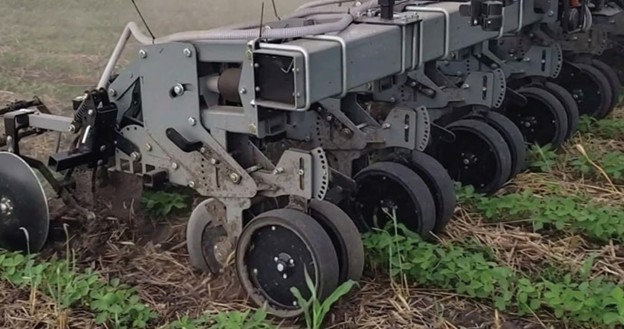
Row crop cultivator setup changes with soil type because soil decides how the pass behaves. Sand moves fast. Clay can smear or clod. Loam may be forgiving, but it still changes with moisture. A setting that works in one field may be too deep, too aggressive, or too gentle in the next.
That is why good cultivation starts with looking at the ground, not just the machine. The field gives the first clues about depth, speed, shielding, and how much soil you can safely move toward the crop.
Start by checking moisture
Before changing parts or settings, check the soil moisture. Grab a handful and squeeze it. If it smears or sticks together in a slick ribbon, it may be too wet. If it crumbles into small pieces, you are closer to the right window.
Row cultivator manufacturers can build in adjustability, but the operator still has to choose the right field timing. Wet clay will not behave like dry loam. Sandy soil after a hot afternoon will not behave like a damp bottom field.
Moisture affects weed kill too. Small weeds may uproot cleanly when the surface is fit. In wet soil, they may survive because roots stay packed in damp clods.
The field does not have to be perfect. It does need to be workable.
Why row crop cultivator depth should stay conservative
Depth is one of the easiest settings to overdo. Running deep may feel like you are doing more, but cultivation is not tillage for its own sake. The goal is to disturb weeds and protect the crop.
In sandy soil, shallow cultivation often does enough. The soil moves easily, and small weeds do not need much disturbance. Too much speed or depth can throw sand into the row and cover young plants.
In loam, you may have a wider working window. The soil usually crumbles better and holds depth more consistently. Still, watch for changes in moisture and residue.
In clay, timing matters most. If it is too wet, tools can smear the soil. If it is too dry, the field may break into clods. A careful, moderate pass usually beats an aggressive one.
Crusted ground may need a different touch
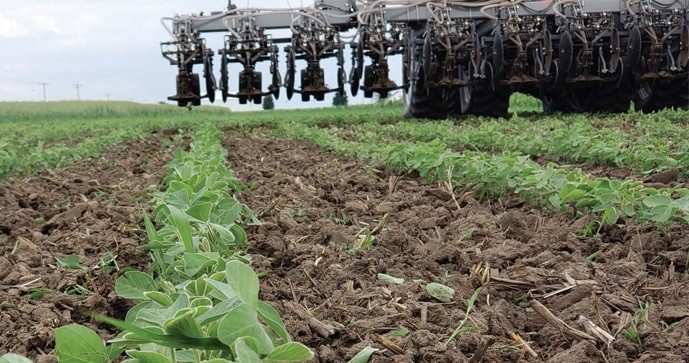
Crusted soil can protect small weeds. It can also make the cultivator look like it is working while roots remain undisturbed underneath.
This is where tool angle and shallow lifting action matter. You may need enough bite to break the crust, but not so much that you tear crop roots or throw chunks into the row.
High speed cultivator dealers can help explain when speed helps and when it does not. In crusted ground, speed may help create soil movement once the machine is working correctly. But if the tools are not breaking the crust cleanly, speed alone will not fix the problem.
Stop after the first pass and dig. If weeds are still rooted, adjust before continuing.
.
.
Residue changes soil behavior
Residue and soil type work together. Heavy residue may keep soil cooler and wetter. Light residue may leave the surface drier and easier to move. Uneven residue can make one row unit behave differently from the next.
That is why no-till cultivator dealers should talk about both residue and soil. You cannot separate them in real field conditions.
In heavy residue, extra depth can pull material into the machine. In light residue, the bigger issue may be too much soil throw. In damp ground, residue may drag. In dry ground, it may flow easily.
One setting across the whole farm may be wishful thinking. Small adjustments are normal.
Match speed to what the soil allows
Speed is useful only when the pass stays controlled. If the machine is bouncing, row units are drifting, or soil is flying too far, slow down.
High speed cultivators can make sense in uniform fields with the crop stage to handle it. But speed should follow conditions. It should not lead them.
In sand, too much speed may bury plants. In clay, it may throw clods. In loam, it may work beautifully if the field is fit. The same tractor speed can create three different results in three different soils.
Watch behind the machine, not just ahead.
Dealer support helps when soil varies
Many farms do not have one soil type. They have sandy ridges, heavier bottoms, and everything in between. That makes equipment support more valuable.
A knowledgeable row crop cultivator dealer can help set the machine up for the range of fields you actually farm. They can also help you think through shielding, gauge wheels, tool options, and adjustment routines.
The best setup is not the most complicated one. It is the one you can tune quickly when the field changes.
That matters during the season. Weeds keep growing while you are deciding what to change.
Let the crop be the final judge
A clean-looking pass is not good if the crop is damaged. Check the plants. Are they standing? Are roots exposed? Is soil covering the growing point? Are leaves getting clipped or dragged?
A well-adjusted row crop cultivator should leave the crop steady and the weeds disturbed. That balance changes with soil type, crop size, and field moisture.
Good operators keep checking. They make short test passes, stop early, and adjust before the whole field is committed. That habit is worth more than any single setting.
FAQs
What soil type is easiest to cultivate?
Loam is usually the easiest because it crumbles well and holds depth nicely. Even then, moisture and residue still matter.
Should I change settings from field to field?
Yes. Soil type, moisture, residue, and crop stage can all change how the cultivator behaves.
How do I know if my row crop cultivator is too aggressive?
Look for exposed roots, buried plants, heavy clods, or soil moving farther than needed. If the crop looks stressed, back off.
Tired of Fighting Your Farm Equipment? Let’s Make It Easier.

Reach out to us online at Hiniker to fill out a form or call us at 507-625-6621
We are here to assist you with all your farm equipment needs. We carry the latest equipment, whether it’s cultivators, cover crop seeders, rate controllers, shredders, windrowers, or a forage chopper.
Find your Hiniker Dealer today to find out more about our amazing agricultural equipment.
You can also follow us on Facebook for the latest news and updates.