



.
.
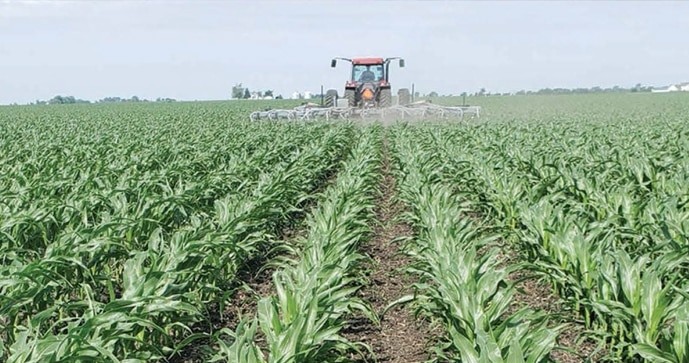
Row cultivators have to do more than move soil when residue is heavy. They have to keep stalks, leaves, and cover crop material flowing while still protecting the crop row. That is not always easy. Residue can drag, bunch, wrap, or hide small weeds that would be simple to handle in cleaner ground.
The right setup does not make residue disappear. It helps the machine work through it without turning every pass into a stop-and-clear routine.
Residue flow is the first thing to watch
In high-residue fields, the first question is whether material can move through the machine. If it cannot, depth and speed settings will not solve much.
No-till cultivators are often expected to handle tougher surface conditions because residue is part of the system. That means clearance, row-unit spacing, and tool placement matter. Residue needs room to pass through without collecting around shanks, shields, or wheels.
A clean-looking machine in the yard may behave differently in damp stalks or cover crop stems. That is why a short test pass is so useful. Run a little, stop, and look. If residue is already gathering, fix it early.
Why row cultivators need steady depth
Residue can make depth control harder. Gauge wheels may ride over residue. Tools may catch material and pull deeper. One row unit may run clean while the next one starts dragging.
Steady depth keeps the job consistent. It helps the cultivator cut or uproot weeds without disturbing crop roots more than necessary. It also reduces the chance of pulling extra residue into the row.
Start shallower than you think. Heavy residue often tempts operators to run deeper, but deeper tools can catch more material. If weeds are small, shallow disturbance may be enough.
The soil behind the machine will tell you quickly. If weeds are still rooted, adjust. If crop roots are exposed or residue is dragging, back off.
Ridge-till fields need careful tracking
Ridge-till cultivators have a different job because the ridge itself is part of the system. The cultivator may be shaping soil, controlling weeds, and managing residue all at once.
Tracking matters. If the machine drifts off the row, it can disturb the ridge in the wrong place or move soil unevenly. Residue between ridges can also affect how the row units behave.
In ridge-till, watch how soil moves toward or away from the crop. The goal is control. Too much aggression can flatten ridges or throw soil where you do not want it. Too little may leave weeds protected.
Small adjustments are better than big swings.
.
.
Organic systems depend on timing
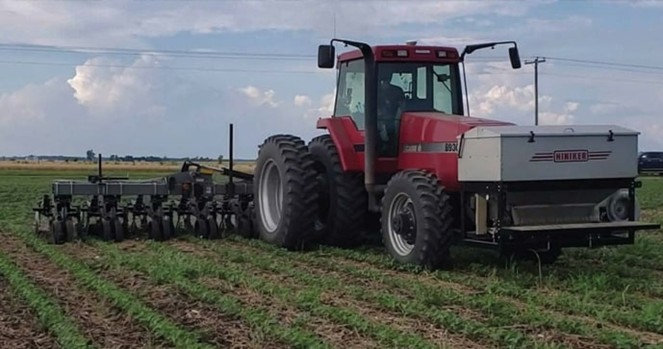
Organic cultivators often carry a heavier burden because cultivation is one of the main weed-control tools. In high-residue fields, timing becomes even more important.
Small weeds are easier to handle. Once weeds get larger, the machine has to work harder, and the crop is more likely to take some punishment. Residue can make this tougher by shielding weeds from the tools.
Walk the field before you cultivate. Look under residue. Check whether weeds are actually reachable. If the field is damp, residue may drag more. If the field is dry, tools may slice and lift weeds more cleanly.
There is no substitute for being early.
Speed only helps when everything is flowing
High speed cultivators can be useful when conditions are right. Speed can help move soil and cover small weeds. But speed is not a cure for poor residue flow.
If residue starts piling, faster travel usually makes the problem worse. If row units bounce, the pass becomes uneven. If shields ride too close, crop damage can happen quickly.
The best way to use speed is gradually. Get the machine centered. Make sure residue is moving. Check crop protection. Then increase speed only if the field still looks clean behind the machine.
A fast pass that has to be redone is not fast.
Soybeans call for a lighter touch
A soybean cultivator in residue needs careful setup because small soybeans are easy to cover. They sit low, and early plants do not give much room for sloppy soil movement.
Set shields so the crop row stays protected. Keep depth controlled. Watch residue near the row. If stalks or stems drag across small plants, slow down and adjust before the damage spreads.
As soybeans grow, you may be able to move more soil. But even then, residue can make the field uneven. Headlands, low spots, and heavy combine tracks may need closer attention.
The safest setup is the one that protects the crop first and cleans weeds second. Both matter, but crop damage is hard to take back.
Keep checking as the field changes
Residue is rarely uniform. One area may be light and dry. Another may be damp, heavy, or bunched from harvest. The machine may need small changes during the day.
That is normal. Good cultivation is not a set-it-once job.
A well-set row cultivators pass should look controlled behind the machine. Residue flows. Soil moves evenly. Weeds are disturbed. The crop stands clean. When those things are happening, the machine is doing its job.
FAQs
Can row cultivators run in heavy cover crop residue?
Yes, if residue is dry enough and the cultivator has the clearance and setup to let material flow. A short test pass is always smart.
Should I cultivate deeper when residue is heavy?
Usually not at first. Start shallow and check weed disturbance. Deeper tools may catch more residue and disturb crop roots.
What makes row cultivators easier to use in residue?
Good clearance, steady depth, crop protection, and patient speed changes make the biggest difference.
Tired of Fighting Your Farm Equipment? Let’s Make It Easier.

Reach out to us online at Hiniker to fill out a form or call us at 507-625-6621
We are here to assist you with all your farm equipment needs. We carry the latest equipment, whether it’s cultivators, cover crop seeders, rate controllers, shredders, windrowers, or a forage chopper.
Find your Hiniker Dealer today to find out more about our amazing agricultural equipment.
You can also follow us on Facebook for the latest news and updates.