



.
.
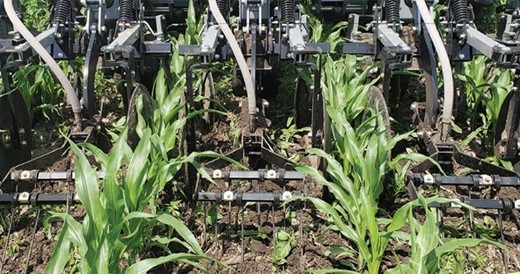
Row cultivator dealers can make a big difference in how well a cultivator fits your farm. The machine matters, of course. But the dealer behind it often determines whether setup feels straightforward or turns into a season-long guessing game. Cultivation depends on row spacing, crop stage, residue, soil type, toolbar setup, and the kind of weed pressure you are trying to beat.
A good dealer should understand that the job does not end when the machine leaves the lot. It starts when the cultivator gets into the field and has to protect the crop while still doing real weed control.
Start with field experience
The first thing to look for is field knowledge. Not just equipment knowledge. Field knowledge.
Strong cultivator dealers should ask how you farm before they talk too much about models. They should want to know your row spacing, crops, tillage system, residue levels, tractor setup, and how close you expect to work to the row.
Those details matter. A cultivator for clean, mellow ground may not be the right fit for heavy stalks or cover crop residue. A setup that works in corn may need different shielding or soil movement in soybeans. Organic systems may need more attention to timing and weed size.
If a dealer skips those questions, keep asking. The machine has to fit your farm, not just the quote sheet.
Why row cultivator dealers should talk about setup
Setup is where a cultivator succeeds or disappoints. A dealer should be able to explain how the row units will be configured, how depth is controlled, how shields protect the crop, and what adjustments matter most in your soil.
This is especially important if you are comparing a row crop cultivator dealer with a more general equipment source. A row crop cultivator has to work close to the plant. That means small setup errors can show up fast.
Ask how they would start the machine in your conditions. Ask what they would check after the first pass. Ask how they would adjust if residue starts dragging or soil is covering small plants.
Good answers should sound practical. They should not feel like a script.
Parts support matters during the busy window
Cultivation windows can be short. If weeds are small today, they may be a different problem in three days. That is why parts availability matters.
Wear parts, shields, bearings, and other common components should not be hard to source in season. Ask what the dealer stocks. Ask what they can get quickly. Ask whether they support the machines they sell with real parts depth or just order everything after a customer calls.
For specialized systems, organic cultivator dealers should understand that downtime can hurt weed control quickly. Organic growers often rely on cultivation as a primary tool, so losing several good field days is not a small issue.
A dealer who stocks the right parts is telling you they understand the season.
.
.
Match the dealer to the crop
Different crops create different cultivation questions. Corn usually allows more soil movement as it gets bigger, but early passes still need care. Soybeans can be easy to cover when they are small. Specialty crops may need even tighter row protection.
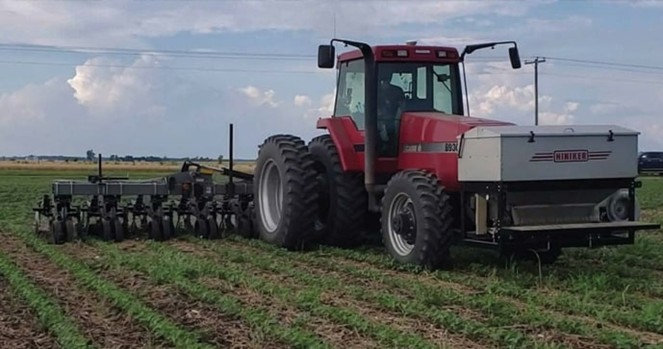
That is why soybean cultivator dealers should be able to talk about crop height, shielding, and conservative soil movement. The same machine may need a very different feel depending on plant size and soil condition.
Corn cultivator dealers should be ready to discuss residue, row guidance, and how much soil can be moved toward the row without causing damage.
The best dealer conversations are not generic. They sound like someone has been around fields when the crop is uneven and the weather is not waiting.
Ask how they support the first season
The first season with a cultivator is when you learn the most. A dealer who can help you through that learning curve is worth paying attention to.
Ask whether they help with initial setup. Ask if they can walk through adjustments after delivery. Ask who you call when one row is running deeper than the others or residue starts collecting near the shields.
A good dealer does not need to be in the field every hour. But they should be able to help you reason through problems. Sometimes the fix is simple. Change depth. Slow down. Adjust shields. Center the toolbar. But it helps to have someone who can point you in the right direction.
Look for honest limits
No cultivator works perfectly in every condition. A trustworthy dealer will say that.
If the soil is too wet, the pass may smear. If residue is damp and ropey, flow may suffer. If weeds are too large, one cultivation pass may not clean everything up. If rows are crooked, close cultivation gets harder.
Honest limits are useful. They help you plan. A dealer who admits where the machine needs the right timing is probably giving you a more reliable picture than one who makes every field sound easy.
That kind of honesty is underrated.
The right dealer makes the machine easier to trust
A cultivator is a practical tool. It has to work when the crop and weeds are ready, not when the schedule feels comfortable.
That is why good row cultivator dealers matter. They help you choose the right setup, keep parts close, and make adjustment decisions with less guesswork. When the field window opens, that support can make the whole job feel steadier.
You are not just buying equipment. You are choosing the person or team you may call when the first pass does not look quite right.
FAQs
What should I ask a cultivator dealer first?
Ask how they would set up the machine for your row spacing, crops, soil type, and residue. That tells you whether they are thinking about your farm or just the sale.
Should I choose the closest dealer?
Close helps, but it is not everything. Parts, support, and real cultivation knowledge matter just as much as distance.
How do I know if row cultivator dealers understand my needs?
They should ask specific questions about your fields and give practical answers about setup, timing, parts, and crop protection.
Tired of Fighting Your Farm Equipment? Let’s Make It Easier.
Reach out to us online at Hiniker to fill out a form or call us at 507-625-6621
We are here to assist you with all your farm equipment needs. We carry the latest equipment, whether it’s cultivators, cover crop seeders, rate controllers, shredders, windrowers, or a forage chopper.
Find your Hiniker Dealer today to find out more about our amazing agricultural equipment.
You can also follow us on Facebook for the latest news and updates.