



.
.
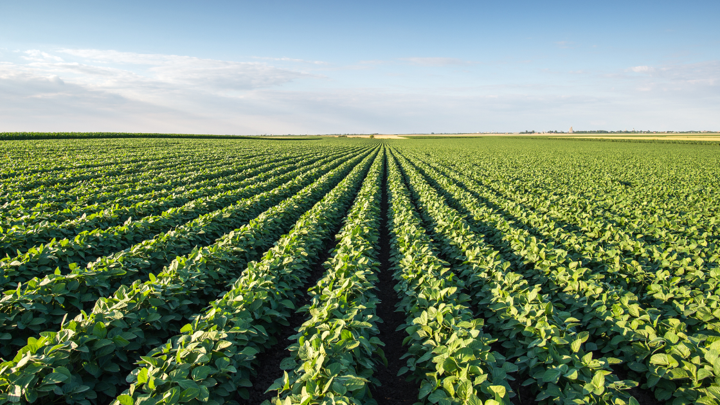
Cultivator setup is one of those jobs that looks simple until the first pass tells on you. The machine can be straight. The crop can look good. The field can seem fit. Then one sweep runs a little too deep, a shield rides too close, or heavy residue starts dragging in the row, and suddenly the job feels a lot less routine.
That is why good setup starts before the tractor moves. A cultivator is not just a weed-control tool. It is a field-condition tool. It has to match your rows, your residue, your soil moisture, your crop size, and the speed you expect to run. When those pieces line up, cultivation feels smooth. When they do not, you spend the day stopping, lifting, clearing, and wondering why yesterday’s settings are not working today.
Start with the row, not the wrench
The first thing to check is row spacing and toolbar alignment. That sounds obvious, but it is where a lot of problems begin. If the toolbar is not square, or if row units are not centered on the crop rows, every other adjustment becomes a compromise.
For growers looking at a row crop cultivator, the important question is not just “Will it fit my planter spacing?” It is “Can I keep the crop safe while still moving enough soil to get the weeds?” Those are two different things.
Walk behind the machine before you run. Look at the distance from the knives, sweeps, or shields to the crop row. Make sure each row unit is doing the same job. A small mismatch on one row may not look like much in the yard, but it can turn into clipped plants or untouched weeds across a whole field.
Then make a short test pass. Not half the field. Not even ten acres. Run enough to see how the machine behaves, stop, and dig. Look at weed disturbance. Look at root exposure. Look at how much soil is being thrown toward the row. The ground will tell you faster than the monitor will.
Cultivator settings start with the job in front of you
There is no universal setting that works across all farms. A field with small weeds and mellow soil needs a different setup than a field with crusting, bigger weeds, and corn that is already leaning into the row middles.
Depth is usually the first adjustment. Shallow cultivation is often better than people think, especially when weeds are small. You want to cut or uproot weeds without bringing up a fresh layer of weed seed or pruning crop roots. Running too deep can look aggressive, but it may cost more than it gains.
Speed matters too. Faster speeds can help move soil and cover small weeds, but only if the cultivator stays steady. If the row units bounce, ridge, or drift, speed is working against you. Slow down until the machine tracks cleanly, then ease back up if the field allows it.
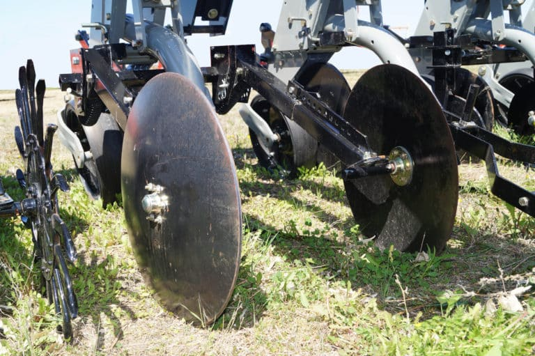
Shields, disks, and gauge wheels deserve the same attention. They are not accessories. They are what let you work closer to the crop without making the crop pay for it. Set them for the crop stage you have today, not the crop stage you wish you had.
Heavy residue changes almost everything
High-residue fields are where setup gets more interesting. Stalks, cover crop stems, and uneven residue can make a cultivator act differently from one end of the field to the other. A machine that clears cleanly in light residue may plug or hairpin when residue is thick and damp.
That is why growers comparing no-till cultivators should pay close attention to residue flow. Clearance matters. So does the shape of the shank, the spacing between components, and how well residue moves through without wrapping or bunching.
In heavier residue, avoid running deeper than necessary. Deep tools can catch more material and drag it into the row. You may also need to adjust down pressure so the unit holds depth without bulldozing residue ahead of it.
Field timing helps. Damp residue tends to be more difficult than dry residue. If the soil is fit but the residue is still tough and ropey, the machine may struggle. Waiting a few hours can sometimes save a lot of frustration. That is not always possible, of course, but it is worth remembering when a field is giving you mixed signals.
.
.
Soil type decides how aggressive you can be
Sandy soil, loam, clay, and crusted ground all respond differently. In lighter soil, a cultivator can move a lot of dirt quickly. That can be useful, but it can also bury small plants if you get too close or run too fast. Keep the setup gentle until the crop is tall enough to handle more soil movement.
Clay ground is less forgiving when it is too wet. If it smears, slabs, or sticks to the tools, cultivation may do more harm than good. In those conditions, you are not just fighting weeds. You are affecting soil structure. Letting the field dry to the right point is often the best adjustment you can make.
Crusted soil may call for a slightly more aggressive setup, especially if weeds are rooted under the crust. Still, the goal is controlled disturbance. You want the tools to break the crust and lift weeds without tearing into crop roots. A small change in depth or angle can make a noticeable difference.
This is where a practical dealer matters. Experienced row cultivator dealers can usually talk through the difference between a machine that works on paper and one that fits your soil, residue, and row spacing in real life.
Match speed to crop size and weed pressure
Speed is tempting because acres matter. Nobody wants to crawl across a field when weather is closing in. But speed only helps if the crop and cultivator can handle it.
Small crops usually need a steadier, more careful pass. Larger crops can tolerate more soil movement, and that opens the door to a more aggressive setup. The trick is watching where the soil goes. If soil is rolling into the row and covering weeds without burying the crop, you are in a good place. If plants are leaning, breaking, or getting covered too heavily, back off.
For certain operations, high speed cultivators can make sense, especially when fields are uniform and the crop is well established. But high speed does not replace setup. It rewards setup. The machine has to be centered, stable, and matched to the field before speed becomes an advantage.
Weed size also matters. Tiny weeds are easier to kill. Once weeds get larger, you may need more soil movement, better cutting action, or a second pass. Cultivation is usually most effective when it is timely, not heroic.
Corn acres need a little extra patience
A corn cultivator has to protect yield while still doing real weed control. That balance changes fast as corn grows. Early on, the crop is vulnerable to covering and root disturbance. Later, the canopy gives you some help, but the plant is still sensitive to damage.
Check your shields carefully in corn. Set them close enough to protect the row, but not so close that they ride into plants when the machine drifts slightly. Make sure gauge wheels are holding a consistent depth. Watch headlands, curves, and uneven planter passes. Those spots are where a clean setup gets tested.
If you are cultivating after a rain, give the field a closer look before you start. Moisture can make soil throw differently, especially in heavier ground. A setting that worked in dry conditions may be too aggressive when the soil has more weight to it.
Good cultivation is not about one perfect adjustment. It is about paying attention and making small changes before small problems become acres of frustration.
Keep checking as the day changes
The setup you start with may not be the setup you finish with. Soil dries. Residue changes. Weed pressure varies. The crop may look different on hilltops than it does in lower ground.
That is why the best operators keep checking. They look behind the machine. They stop when something feels off. They make one adjustment at a time so they know what actually helped.
A well-set cultivator should feel controlled. It should track cleanly, clear residue, protect the crop, and disturb weeds without making a mess of the row. When it does that, the pass looks almost quiet. No drama. Just a field getting cleaner behind you.
FAQs
How deep should I set a cultivator?
Usually shallower than you think. The goal is to disturb weeds, not dig a trench. Start shallow, check the roots and weed kill behind the machine, then adjust only if the field shows you need more bite.
Can I cultivate in heavy residue without plugging?
Sometimes it can take a little patience. Residue flow depends on clearance, moisture, tool spacing, and how evenly the residue is spread. Dry residue usually moves better than damp, ropey residue.
When should I adjust my cultivator during the day?
Any time the field changes. If the soil gets drier, residue starts dragging, weeds are not being uprooted, or the crop is getting too much soil, stop and fine-tune before continuing.
Tired of Fighting Your Farm Equipment? Let’s Make It Easier.

Reach out to us online at Hiniker to fill out a form or call us at 507-625-6621
We are here to assist you with all your farm equipment needs. We carry the latest equipment, whether it’s cultivators, cover crop seeders, rate controllers, shredders, windrowers, or a forage chopper.
Find your Hiniker Dealer today to find out more about our amazing agricultural equipment.
You can also follow us on Facebook for the latest news and updates.