



.
.
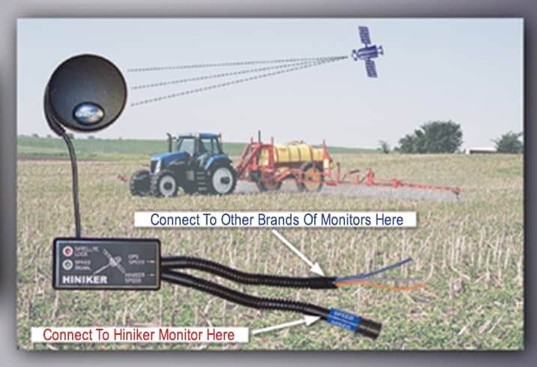
Automatic rate controllers help keep applications closer to the target rate when field conditions change. That matters with NH3 because application rarely happens at one perfect speed across one perfectly even field. The tractor slows down, speeds up, turns, and works through changing conditions. The system has to respond without making the operator chase every adjustment by hand.
A rate controller does not make the job automatic in every sense. Calibration, maintenance, and operator attention still matter. But it can make the pass more consistent and easier to monitor.
Rate control starts with the target
The basic goal is simple. Apply the intended amount across the field. Not too much in one area. Not too little in another.
Anhydrous ammonia rate controllers help manage flow so the target rate stays steadier as ground speed changes. If the tractor slows near a waterway or speeds up in a long straight pass, the system can adjust.
That consistency matters for crop nutrition and input cost. Overapplication wastes product. Underapplication can leave crop short where it needs nitrogen.
A steady rate is not just cleaner on a map. It is better field management.
Why automatic rate controllers need good calibration
A controller can only work with the information it has. If calibration is off, the system may apply the wrong rate with confidence. That is not the kind of confidence anyone wants.
Before the season starts, check settings, sensors, valves, flow components, plumbing, and connections. Make sure the controller matches the applicator and product setup. Confirm that the system responds before the first serious field window opens.
This is one of those jobs that is easier in the yard than in the field. Once the season is moving, small setup problems can turn into lost time fast.
Calibration is not a formality. It is part of the application plan.
Flow monitoring gives the operator visibility
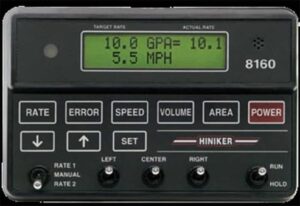
Rate control works better when the operator can see what is happening. An NH3 flow monitor can help show whether product is moving as expected.
That matters because NH3 problems are not always obvious right away. A restriction, plugged line, or uneven flow issue may not show from the tractor seat until the monitor catches it. Without that visibility, the crop may be the first thing to show the problem later.
Flow monitoring also helps build trust in the system. When readings are steady and match the target, the operator can focus on the field instead of guessing what is happening behind the toolbar.
.
.
Line monitoring helps catch small problems early
An anhydrous line monitor adds another layer of information. It can help identify issues that may otherwise go unnoticed during application.
NH3 systems have a lot of pieces working together. Lines, knives, valves, fittings, and sensors all need to cooperate. A partial restriction may not stop the job, but it can create uneven application.
An anhydrous flow monitor can help catch those flow changes while there is still time to do something about them.
That is the real value. Not just data. Timely information.
Maintenance keeps the system dependable
NH3 application equipment works in demanding conditions. Pressure, cold product, dust, vibration, and long days can all affect components.
NH3 ammonia rate controllers should be checked as part of the whole system, not treated as a separate box in the cab. Look at wiring. Inspect connectors. Check valves and sensors. Watch for worn hoses or damaged fittings.
If something looks questionable before the season, fix it before the field window gets tight. Application timing matters, and downtime during a good window can be expensive.
A dependable system usually comes from boring maintenance done on time.
The operator still has to pay attention
Automation helps, but it does not replace judgment. The operator still needs to watch rates, alarms, pressure, tank behavior, field conditions, and anything that feels unusual.
If the system struggles to hold rate, investigate. If readings jump around, do not ignore it. If one part of the field seems off, stop and check.
The best use of technology is as a helper, not a babysitter. A controller can make rate management easier, but the operator still makes the decision to trust, adjust, or stop.
That is how better passes happen.
Better control makes the whole job easier to trust
A well-set system with automatic rate controllers helps the applicator stay closer to the plan. Rates are steadier. Flow issues are easier to see. The operator has better information during the pass.
NH3 application still deserves careful handling and respect. But with the right setup, the job can feel more controlled, less reactive, and easier to verify.
That is a good place to be when product cost, crop needs, and weather timing are all in the same conversation.
FAQs
Do rate controllers replace calibration?
No. Calibration is still needed. The controller has to start with accurate settings and a properly working system.
Why is flow monitoring useful with NH3?
It helps catch restrictions, plugged lines, or uneven flow before the issue becomes a larger field problem.
Are automatic rate controllers worth using on smaller acres?
Usually, yes. Consistent application matters whether the field is large or small.
Tired of Fighting Your Farm Equipment? Let’s Make It Easier.
Reach out to us online at Hiniker to fill out a form or call us at 507-625-6621

We are here to assist you with all your farm equipment needs. We carry the latest equipment, whether it’s cultivators, cover crop seeders, rate controllers, shredders, windrowers, or a forage chopper.
Find your Hiniker Dealer today to find out more about our amazing agricultural equipment.
You can also follow us on Facebook for the latest news and updates.