



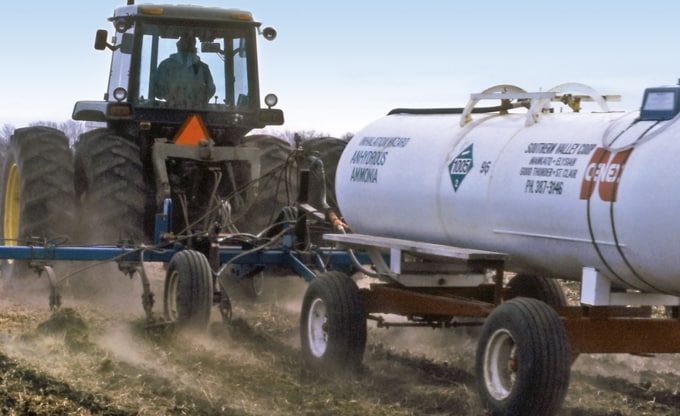
How Do Automatic Rate Controllers Make Application More Consistent?
. . Automatic rate controllers help applicators maintain a steadier target rate as field conditions change. That is the whole point. Ground speed changes. Pressure changes. The tractor turns, slows, and speeds up. A rate controller helps the application respond so the field receives a more consistent pass. That does not mean the system can … Continue reading “How Do Automatic Rate Controllers Make Application More Consistent?”

What Should You Look For in a Forage Harvester?
. . Selecting a forage harvester should start with the way your farm actually handles forage. The crop, tractor, labor, wagons, storage, and harvest window all matter. A machine can be well built and still be the wrong fit if it does not match the system around it. Forage work is practical. The crop has … Continue reading “What Should You Look For in a Forage Harvester?”
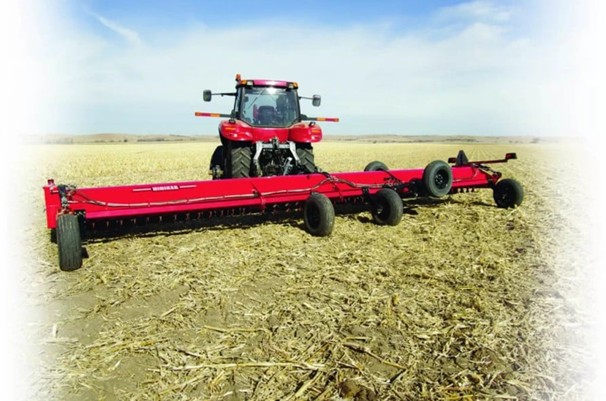
When Do Windrowers Make Sense for Residue Management?
. . Windrowers make sense when field material needs to be placed, gathered, or organized instead of simply cut and left behind. In some systems, residue placement matters as much as residue sizing. A clean, consistent windrow can make the next step easier, whether that next step is collection, handling, or another field operation. The … Continue reading “When Do Windrowers Make Sense for Residue Management?”
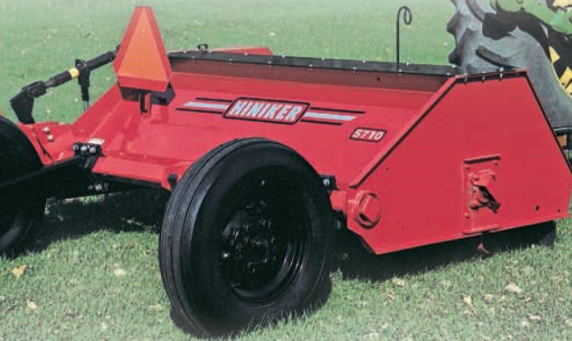
Are Flail Mowers a Good Fit for Field Cleanup and Stalk Sizing?
. . Flail mowers can be a strong choice when residue, stalks, or rough field material need to be cut down and sized. They are often used where a clean, consistent pass matters more than simply knocking material over. That can include stalk management, field edges, cover crop growth, and other cleanup jobs that need … Continue reading “Are Flail Mowers a Good Fit for Field Cleanup and Stalk Sizing?”

When Are Flail Shredders the Right Tool for Heavy Residue?
. . Flail shredders make sense when residue needs more than a light pass. Heavy stalks, uneven crop material, and tough field cleanup can all slow down the next operation if residue is left too long or too bunched. A good shredding pass helps size that material so the field is easier to manage. That … Continue reading “When Are Flail Shredders the Right Tool for Heavy Residue?”
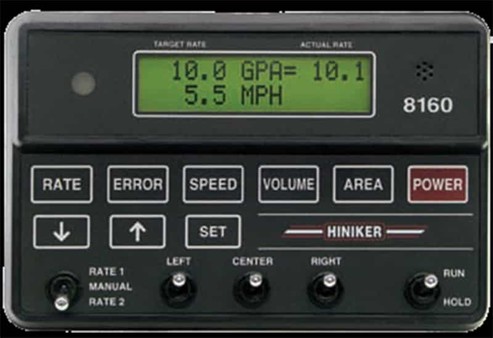
Why Does Flow Monitoring Matter During Anhydrous Application?
. . Anhydrous flow monitor equipment helps operators see whether product is moving the way it should. That visibility matters because anhydrous systems can have problems that are not obvious right away. A restriction, plugged line, or uneven flow issue may not stop the whole applicator, but it can still leave part of the field … Continue reading “Why Does Flow Monitoring Matter During Anhydrous Application?”
How Do Rate Controllers Improve Anhydrous Application?
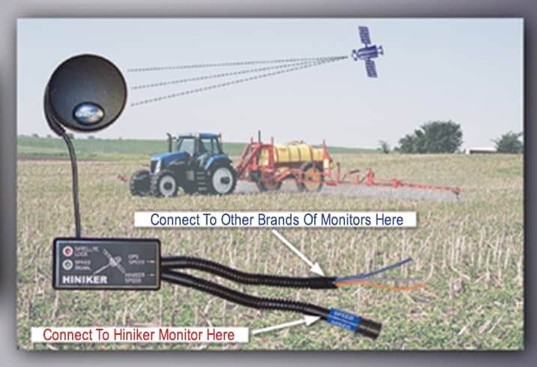
. . Anhydrous ammonia rate controllers help applicators stay closer to the target rate while field conditions change. That matters because anhydrous application is rarely a perfectly steady job. Ground speed shifts. Tank pressure changes. The toolbar moves through different parts of the field. The operator turns, slows, speeds up, and watches several things at … Continue reading “How Do Rate Controllers Improve Anhydrous Application?”
Why Do Organic Cultivation Programs Depend So Much on Timing?
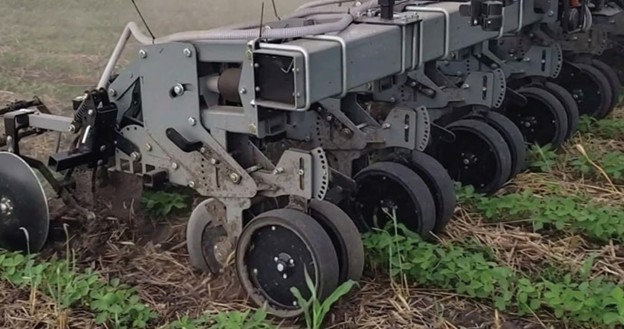
. . Organic cultivators are valuable because they help control weeds without relying on chemical options. But the machine is only part of the program. Timing, crop stage, soil moisture, and weed size matter just as much. In organic systems, the best pass is usually the one made before weeds look like a serious problem. … Continue reading “Why Do Organic Cultivation Programs Depend So Much on Timing?”
What Makes Row Cultivation Work Better in Real Field Conditions?
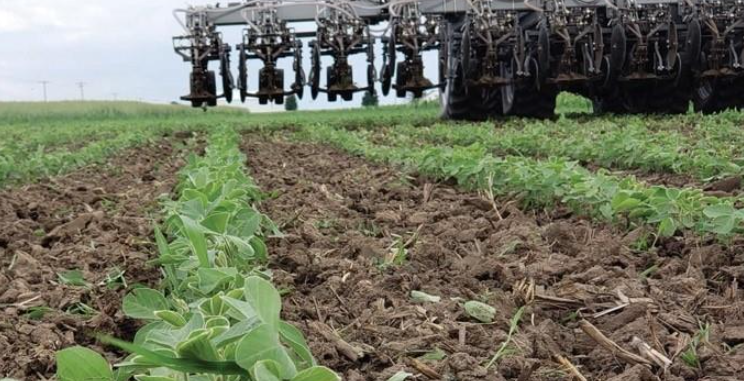
. . Row cultivators do their best work when the machine, crop, and field conditions are all respected. That sounds simple, but it is where a lot of cultivation problems begin. A setup that looks fine in one field may be too aggressive in another. A speed that works in mellow soil may be too … Continue reading “What Makes Row Cultivation Work Better in Real Field Conditions?”
How Do You Know When a Cultivator Is Set Up Right?
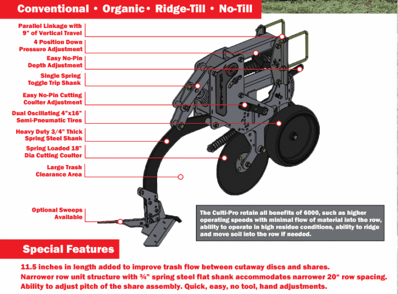
. . Setting up a cultivator is one of those jobs that looks simple until the field starts giving feedback. A machine can be lined up in the yard, greased, adjusted, and ready to go, then behave differently once it hits real soil, real residue, and a real crop row. That is why the best … Continue reading “How Do You Know When a Cultivator Is Set Up Right?”