


.
.
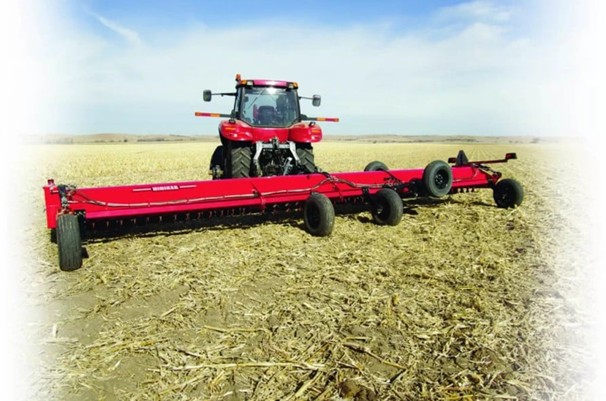
Windrowers make sense when field material needs to be placed, gathered, or organized instead of simply cut and left behind. In some systems, residue placement matters as much as residue sizing. A clean, consistent windrow can make the next step easier, whether that next step is collection, handling, or another field operation.
The key is knowing why you want the windrow in the first place. If the reason is clear, the equipment decision gets easier.
Start with the next job
Windrowing should serve a purpose. Before choosing equipment, think about what happens after the pass. Will the material be collected? Does it need to dry? Should it be moved away from a certain area? Does the next machine need residue arranged more consistently?
A shredder windrower can be useful when cutting and placement both matter. Instead of only sizing residue, it helps direct material into a more manageable pattern. A good windrow should make the next operation smoother, not create another problem to solve.
Why windrowers depend on material condition
Residue condition changes everything. Dry material usually moves more cleanly. Damp material may clump, drag, or feed unevenly. Heavy stalks may need more patience than lighter crop residue.
If the machine is pushed too fast, the windrow may be rough or uneven. If cutting height is wrong, material may not feed the way you want. If residue is too damp, the field may need more time. A short test pass is worth doing.
Stop and look at the windrow from the ground. Is it even? Is the material sized well? Is there bunching or missed residue? The field will tell you quickly.
Manufacturer guidance should be practical
A windrower manufacturer should be able to explain what the machine is designed to handle. That includes residue type, operating speed, power needs, and maintenance points.
Ask about real conditions. How does the machine handle heavy stalks? What happens in damp residue? What parts need regular inspection? What finish should the operator expect?
A windrower dealer can add local field experience to that information. Dealers often know what customers in the area run into with residue, soil moisture, and seasonal timing. Both perspectives help.
Flail windrowing adds another option
Flail windrowers can be useful where cutting and material placement need to happen together. The flail action helps process material, while windrowing helps organize it for the next step.
That combination can be helpful in stalk management or other residue-heavy jobs. Still, setup matters. Ground speed, cutting height, and residue moisture all affect the finished windrow.
Do not assume one setting fits every field. Headlands, low areas, and heavy residue spots may need slower travel or closer attention. A clean windrow is the result of a controlled pass.
Stalk windrowing needs enough capacity
A stalk windrower is often used where stalk placement is important. Stalks can be bulky, uneven, and difficult to move cleanly if the machine is underpowered or pushed too quickly.
Capacity matters. The machine has to handle the volume of material without creating clumps or leaving an uneven row. Tractor power matters too. If the tractor is struggling, the windrow quality may suffer.
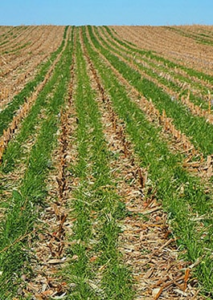
Good stalk windrowing usually looks steady. Material feeds in, gets processed or moved, and lands in a row that fits the next operation. That is the goal.
.
.
Maintenance affects windrow quality
Windrowing equipment works in tough conditions. Residue, dust, vibration, and rough fields all create wear. Inspect cutting components, belts, bearings, shields, and other service points. If parts are worn, the machine may leave ragged material or uneven rows.
If maintenance is ignored, performance usually drops before the season is over. Good maintenance keeps the pass predictable. That matters when the next job depends on the windrow being right.
Good placement saves time later
Windrowers are valuable because they create order from loose, awkward material. A well-made windrow can make collection easier, improve handling, or prepare the field for another operation.
The machine is not just cleaning up the field. It is setting up the next step. When that is done well, the whole system works better.
FAQs
When should I use a windrower instead of only shredding?
Use a windrower when material placement matters. If the next operation needs residue gathered or directed, windrowing can help.
Does moisture affect windrow quality?
Yes. Damp material can clump or feed unevenly, while dry material usually moves more cleanly.
Are windrowers only for stalk residue?
No. They can be used in different residue or material-handling jobs depending on the machine and setup.
Tired of fighting your farm equipment? Let’s make it easier. Reach out to us online at Hiniker to fill out a form or call us at 507-625-6621.
.
.
We are here to assist you with all your farm equipment needs. We carry the latest equipment, whether it’s cultivators, cover crop seeders, rate controllers, shredders, windrowers, or a forage chopper.
Find your Hiniker Dealer today to find out more about our amazing agricultural equipment.
You can also follow us on Facebook for the latest news and updates.