



.
.
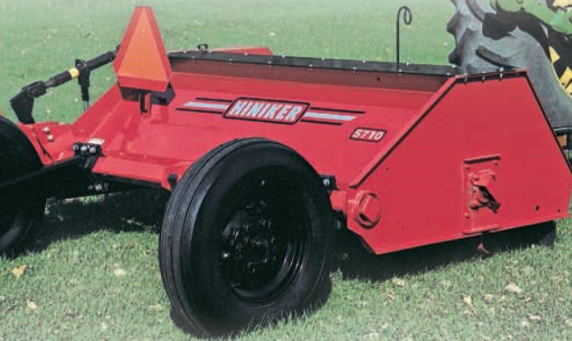
Flail mowers can be a strong choice when residue, stalks, or rough field material need to be cut down and sized. They are often used where a clean, consistent pass matters more than simply knocking material over. That can include stalk management, field edges, cover crop growth, and other cleanup jobs that need a steady finish.
The right mower should match the material, the tractor, and the acres. A good pass is not just about cutting. It is about leaving the field easier to manage afterward.
Know what you want behind the pass
Before choosing or setting up a mower, decide what the field should look like afterward. Are you trying to speed residue breakdown? Prepare for tillage? Reduce long stalks before spring? Clean field borders?
Flail mowers can handle several kinds of material, but the setup should match the goal. Heavy stalks may need slower ground speed. Lighter growth may allow a faster pass. Rough ground may require careful cutting height. The better the goal is defined, the easier the setup becomes.
Why flail mowers need steady PTO speed
Flail mowers rely on rotor speed to cut and process material. If PTO speed drops because the tractor is overloaded or ground speed is too high, cut quality can suffer.
That is especially true in heavy stalks or dense cover crop growth. The mower needs time to handle the material. If it is rushed, it may leave long pieces or uneven patches.
A steady sound from the machine is often a good sign. If it starts laboring, do not ignore it. Slow down and let the mower work. The field finish usually improves when the machine is not being pushed beyond its comfort zone.
.
.
Manufacturer choices show up in the field
Flail mower manufacturers make design decisions that affect cut quality, durability, and service. Rotor design, knife layout, frame strength, and shielding all matter when the mower is working in rough material.
A mower used for occasional light cleanup has a different life than one used for heavy residue after harvest. Be honest about the job. If the work is tough, the machine needs to be built for it.
Ask about common wear parts. Ask what inspections are recommended. Ask what tractor power is realistic in heavy material. The answers should fit real conditions, not only ideal ones.
Stalk work can be hard on equipment
A stalk chopper or stalk cutter may be part of the conversation when stalk sizing is the main goal. Long, tough stalks can interfere with later field operations, so sizing them can be useful.
But stalk work is demanding. It can be dusty, rough, and abrasive. Knives, bearings, belts, and shields need regular attention.
Good maintenance is not optional. A mower with worn or damaged parts may still run, but the cut will not be the same. It may vibrate more, pull harder, or leave a rougher finish.
Stover management is about the next operation
A stover chopper can help reduce long residue pieces and make the field easier to manage. The payoff may show up later during tillage, planting, or residue breakdown. Think about residue distribution. A field with evenly sized and spread material is usually easier for the next tool to handle than a field with bunches and long stalks.
This is why the pass should be checked from the ground. From the tractor, the field may look finished. On foot, you can see whether material is actually sized well enough. That extra look is worth it.
Conditions decide the best speed
Dry material often cuts cleaner than damp material. Smooth fields usually allow steadier travel than rough ones. Heavy residue may require patience.
Do not choose speed based only on acres. Choose it based on cut quality. If the mower is leaving uneven material, slow down. If it is processing cleanly, you may be able to increase speed a little. The best operators let the field set the pace.
A good mower earns its place after the pass
Flail mowers are useful because they make rough material easier to handle. The field may look cleaner, but the real benefit is often what happens next. Tillage flows better. Planting may be smoother. Residue breaks down more evenly. Field edges are easier to maintain.
That is practical value, and it starts with choosing the right mower for the work.
FAQs
Are flail mowers good for heavy stalks?
Yes, if the mower is sized and built for the job. Heavy stalks may require slower speed and close maintenance.
What should I check before mowing residue?
Check knives, belts, bearings, shields, cutting height, and tractor power. Then make a short pass and inspect the result.
Why do flail mowers need steady speed?
Steady PTO and sensible ground speed help the mower cut and process material consistently.
Tired of fighting your farm equipment? Let’s make it easier. Reach out to us online at Hiniker to fill out a form or call us at 507-625-6621.
.

.
We are here to assist you with all your farm equipment needs. We carry the latest equipment, whether it’s cultivators, cover crop seeders, rate controllers, shredders, windrowers, or a forage chopper.
Find your Hiniker Dealer today to find out more about our amazing agricultural equipment.
You can also follow us on Facebook for the latest news and updates.