



.
.
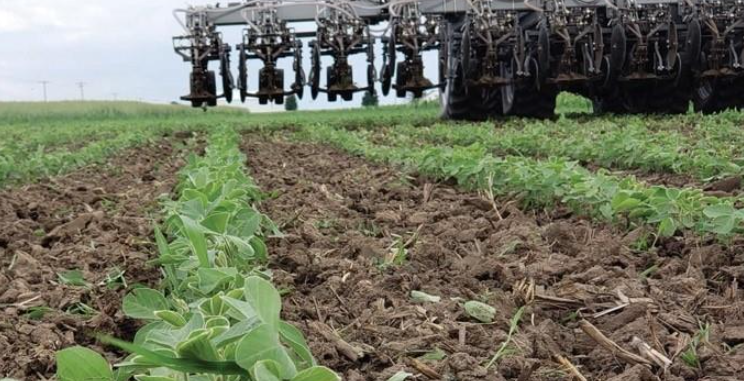
Row cultivators do their best work when the machine, crop, and field conditions are all respected. That sounds simple, but it is where a lot of cultivation problems begin. A setup that looks fine in one field may be too aggressive in another. A speed that works in mellow soil may be too much in crusted ground or heavy residue.
The goal is not just to run between rows. The goal is to control weeds while keeping the crop safe. That takes patience, field checks, and a machine set up for the conditions in front of you.
Start with crop stage
Crop size changes how much room you have to work. Small plants need more protection. Larger plants may tolerate more soil movement, but they can still be damaged if the machine drifts or throws soil too aggressively. A corn cultivator may be able to move soil toward the row once the crop is established, but early corn still needs careful shielding and steady tracking. Soybeans often need a lighter touch, especially when they are small and easy to cover.
A good first pass should not be long. Run far enough to see what is happening, then stop. Check the crop. Check the weeds. Check whether the soil is moving into the row or away from it. The crop tells you if the setup is too much.
Why row cultivators need even row-unit behavior
Each row unit should be doing the same job. If one unit is deeper, tighter, or more aggressive than the others, the field will show it. Uneven row-unit behavior can come from toolbar alignment, tire pressure, worn parts, gauge wheel settings, or field surface changes. Whatever the cause, it should be corrected early.
Row cultivator manufacturers build machines to be adjustable, but those adjustments need to be checked in field conditions. A level toolbar and consistent depth are basic, but they matter a lot. If one row looks different behind the machine, do not ignore it. That difference will repeat across the whole field.
.
.
Dealer support can shorten the learning curve
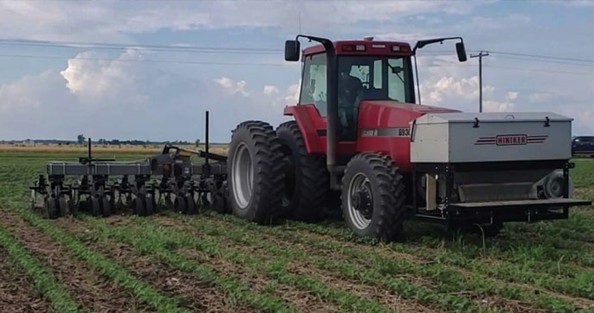
A good dealer can help match the machine to the farm. That matters because row cultivation is not the same everywhere. Row cultivator dealers should ask about row spacing, tillage, residue, crop rotation, and soil type. They should also be able to talk through setup problems in plain language.
If residue is dragging, they should help you think through clearance, speed, and depth. If plants are being covered, they should talk about shields and soil throw. If the machine is not tracking well, they should help look at alignment and guidance. That kind of support is useful during the first season and every season after.
Crop-specific setup matters
A soybean cultivator often needs more caution than people expect. Small soybeans are close to the ground, and loose soil can cover them quickly. Keep shielding conservative until the plants can handle more movement. Corn may give you a little more room later in the season, but early passes still require care. Root pruning, plant clipping, and uneven soil throw can all cause trouble.
This is why a row crop cultivator dealer conversation should be specific. The dealer should not give the same answer for every crop and every field. The right setup depends on what you grow and when you plan to cultivate.
Weed size decides how hard the machine has to work
Small weeds are easier to handle. That is one of the oldest cultivation truths, and it still holds. If weeds are tiny, a shallow pass may do plenty. If weeds are larger, the machine may need more soil movement or a more aggressive tool angle. That can increase the risk to the crop, so timing is important.
Do not wait until weeds are big and then expect the cultivator to fix everything cleanly. It may still help, but the pass will be harder and less forgiving. The best cultivation pass is often the one made a little earlier than feels urgent.
Soil and residue should guide speed
Speed is not just about productivity. It changes how soil moves and how steady the machine feels. In light soil, speed can throw too much dirt into the row. In heavier ground, speed may create clods. In residue, speed can either help material flow or make plugging worse.
Start with control. Once the pass looks right, increase speed only if the field allows it. Watch the row, not just the acres-per-hour number. That habit keeps the machine honest.
A clean pass is built from small checks
Good row cultivation is not one big adjustment. It is several small ones made at the right time. Well-set row cultivators protect the crop, disturb weeds, and leave the operator with confidence instead of questions. The field should look cleaner behind the machine, not roughed up or stressed.
When that happens, the setup is doing its job.
FAQs
How close should I cultivate to the crop row?
Close enough to control weeds, but far enough to avoid root damage or clipping plants. Crop stage and row accuracy make the difference.
Do row cultivators work better on small weeds?
Yes. Small weeds are easier to uproot or cover, and the machine can usually run less aggressively.
When should I adjust row cultivators during the day?
Adjust whenever soil, residue, crop stage, or weed control changes. Conditions can shift faster than people expect.
Tired of fighting your farm equipment? Let’s make it easier. Reach out to us online at Hiniker to fill out a form or call us at 507-625-6621.
.
.
We are here to assist you with all your farm equipment needs. We carry the latest equipment, whether it’s cultivators, cover crop seeders, rate controllers, shredders, windrowers, or a forage chopper.
Find your Hiniker Dealer today to find out more about our amazing agricultural equipment. You can also follow us on Facebook for the latest news and updates.