



.
.
Setting up a cultivator is one of those jobs that looks simple until the field starts giving feedback. A machine can be lined up in the yard, greased, adjusted, and ready to go, then behave differently once it hits real soil, real residue, and a real crop row. That is why the best setup is not just about where the bolts are set. It is about what the pass looks like behind you.
A good cultivation pass should feel controlled. The crop should stay standing. The weeds should be disturbed. Soil should move where you want it, not wherever the machine happens to throw it.
Start with the row
The row is the first thing to respect. If the machine is not centered, every other adjustment becomes harder. A row crop cultivator has to work close enough to the crop to control weeds, but not so close that it clips plants or exposes roots. That balance depends on crop size, row spacing, soil moisture, and how straight the rows are.
Make a short pass before committing to the field. Then stop and look from the ground. Do not judge everything from the tractor seat. Check whether each row unit is centered. Look at the distance from the tools to the crop. Make sure one row is not running more aggressively than the others. Small errors become large ones across acres.
Why cultivator depth matters so much
Depth is usually the first setting to check because it changes everything. Run too shallow, and weeds may stay rooted. Run too deep, and you may prune crop roots, pull up clods, or bring fresh weed seed closer to the surface. Many fields do not need a deep pass. Small weeds can often be handled with shallow disturbance, especially when the soil is fit. The goal is to slice, lift, or cover weeds without turning cultivation into unnecessary tillage.
This is where the advice from experienced cultivator dealers can help. A dealer who understands local soil can usually talk through starting depth, shield position, and how much soil movement your crop stage can handle. Still, the final answer is always in the field. Dig behind the machine. Check roots. Check weeds. Adjust from there.
.
.
Residue changes the feel of the pass
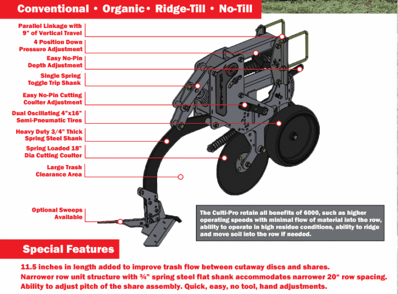
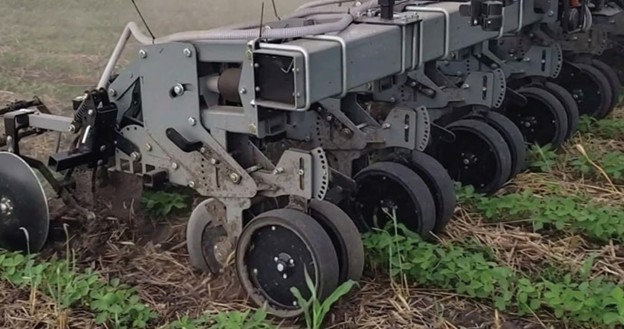
Residue can make cultivation more useful and more difficult at the same time. It protects soil, but it can also drag, bunch, or hide weeds. No-till cultivators need enough clearance and the right setup to let material move through. If residue starts collecting around shanks, shields, or wheels, the pass can get uneven fast.
Watch for damp residue early in the day. Stalks and stems may flow better after the sun and wind have worked on them for a while. If the machine starts carrying residue instead of passing through it, slow down and reassess. Sometimes the fix is a depth change. Sometimes it is speed. Sometimes the field simply needs a little more drying time.
Speed should follow the field
Speed is tempting because acres matter. But speed only helps when the machine is already doing a clean job. High speed cultivators can work well in uniform conditions with the right crop stage. More speed can help move soil and cover small weeds. But if the machine is bouncing, drifting, or throwing soil too far, speed is working against you.
Start at a pace that lets the row units stay steady. Once the pass looks right, increase speed carefully. Check again. If crop damage increases or weed control drops off, back down. The right speed is not the fastest speed. It is the fastest clean pass.
Manufacturer design still needs operator judgment
Cultivator manufacturers can build in clearance, strength, adjustability, and crop protection. Those things matter. But field judgment is still part of the job. A strong machine gives you options. The operator decides when to use them. Soil type, moisture, weed size, and crop stage all change the best setting.
That is why good operators keep checking throughout the day. They do not assume the morning setup still fits the afternoon field. They notice when soil dries, residue changes, or weeds get tougher. A cultivator is a responsive tool. It works best when the person running it responds too.
The best sign is a quiet-looking pass
A well-set cultivator does not look dramatic. It looks steady. Soil moves evenly. Weeds are uprooted or covered. The crop row stays clean and upright. That is the pass you want. Not the deepest. Not the fastest. The cleanest.
When the setup is right, cultivation feels less like fighting the field and more like guiding the machine through it. That is when the acres start to go smoothly.
FAQs
How often should I check cultivator settings?
Check after the first short pass, then again whenever soil, residue, or crop conditions change. A few quick stops can prevent a lot of poor acres.
Should I run deeper if weeds are bigger?
Sometimes, but not always. Bigger weeds may need more disturbance, but deeper settings can also damage crop roots. Test carefully.
What is the best sign that a cultivator is set correctly?
The crop stays protected, weeds are disturbed, residue flows, and the machine tracks smoothly without constant correction.
Tired of fighting your farm equipment? Let’s make it easier. Reach out to us online at Hiniker to fill out a form or call us at 507-625-6621.

We are here to assist you with all your farm equipment needs. We carry the latest equipment, whether it’s cultivators, cover crop seeders, rate controllers, shredders, windrowers, or a forage chopper.
Find your Hiniker Dealer today to find out more about our amazing agricultural equipment.
You can also follow us on Facebook for the latest news and updates.