


.
.
Anhydrous flow monitor equipment helps operators see whether product is moving the way it should. That visibility matters because anhydrous systems can have problems that are not obvious right away. A restriction, plugged line, or uneven flow issue may not stop the whole applicator, but it can still leave part of the field underapplied.
Nobody wants to find that out later from crop performance. Monitoring gives the operator a chance to catch issues while there is still time to stop and fix them.
Flow problems are not always loud
Some equipment problems announce themselves. Flow problems may not.A line can partially restrict. A knife can plug. A fitting can create uneven delivery. The system may still appear to be running, but one part of the toolbar may not be applying correctly.
That is where an NH3 flow monitor helps. It gives the operator a clearer view of product movement instead of relying only on assumptions. This does not mean the operator can stop paying attention. It means the operator has better information while paying attention.
Why anhydrous flow monitor checks should start before the field
Monitoring should not begin after acres have already been applied. Before the season starts, make sure the system powers up, reads correctly, and communicates as expected. Check connections, wiring, sensors, and plumbing. Inspect the applicator for wear or damage. Make sure alerts and readings make sense.
An anhydrous line monitor is only useful if it is working properly. The same is true for every part of the monitoring system. A bad connection or ignored alert can defeat the purpose of having the equipment. The best time to find those issues is before the first real application window.
.
.
Knife monitoring adds another layer
Product needs to reach the soil correctly. It is not enough to know that product left the tank or moved through part of the system. Anhydrous ammonia knife monitors can help show whether delivery near the application point is happening as expected. That matters because knife-level issues can create streaks or uneven application patterns.
NH3 ammonia knife monitors serve a similar purpose in giving the operator more specific information. The closer the monitoring gets to where product enters the soil, the easier it is to catch certain problems. Better detail can mean faster decisions.
Line monitoring helps protect consistency
An NH3 line monitor helps track flow through the system so the operator can respond to changes. That is useful when field conditions, tank pressure, or equipment behavior shifts. Consistency is the goal. The applicator should deliver product evenly enough that the field receives the intended rate. If one section is off, the whole pass becomes less dependable.
Monitoring does not prevent every problem. But it can shorten the time between a problem starting and the operator noticing it. That time matters.
The operator still needs to investigate alerts
A monitor can point to a problem, but it cannot always explain the cause. When a reading looks wrong, the operator still has to inspect the system. Is a line plugged? Is a sensor dirty or damaged? Is there a pressure issue? Is a valve not responding? Is the tank behaving differently as it empties?
Do not ignore alerts because the field looks normal from the cab. Application issues can be invisible until later. When the system says something is off, it deserves attention. Good monitoring supports good habits.
Flow monitoring works with rate control
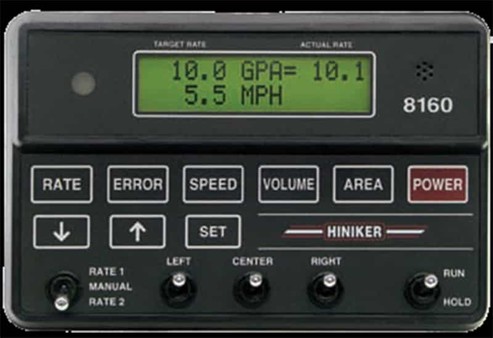
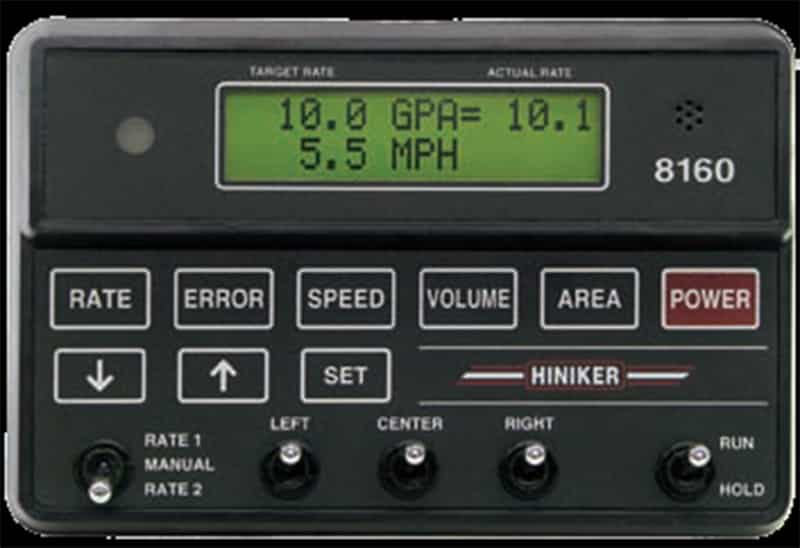
Flow monitoring and rate control are connected. Rate control helps manage the target rate. Flow monitoring helps confirm that product is moving through the system as expected. Together, they make the application easier to trust. The operator has more than one source of information and can respond before small issues become large ones.
That is especially useful during long days, changing temperatures, and variable field conditions. The more the system can show clearly, the better the operator can manage the pass.
Visibility is the real value
Anhydrous flow monitor equipment is valuable because it gives the operator visibility into a job that can otherwise involve too much guessing. Product movement matters. Line performance matters. Knife delivery matters.
A monitored system still needs calibration, maintenance, and attention. But when everything is working correctly, the operator can make better decisions with more confidence. That confidence is worth a lot during a busy application season.
FAQs
Can flow monitoring prevent every application problem?
No. It helps identify issues sooner, but the system still needs inspection, maintenance, and operator attention.
What should I do if a monitor shows uneven flow?
Stop and investigate. Check lines, knives, sensors, valves, and pressure before continuing.
Is an anhydrous flow monitor useful with rate control?
Yes. Rate control manages the target, while flow monitoring helps confirm product movement through the system.
Tired of fighting your farm equipment? Let’s make it easier. Reach out to us online at Hiniker to fill out a form or call us at 507-625-6621.
.
.
We are here to assist you with all your farm equipment needs. We carry the latest equipment, whether it’s cultivators, cover crop seeders, rate controllers, shredders, windrowers, or a forage chopper.
Find your Hiniker Dealer today to find out more about our amazing agricultural equipment.
You can also follow us on Facebook for the latest news and updates.