



.
.
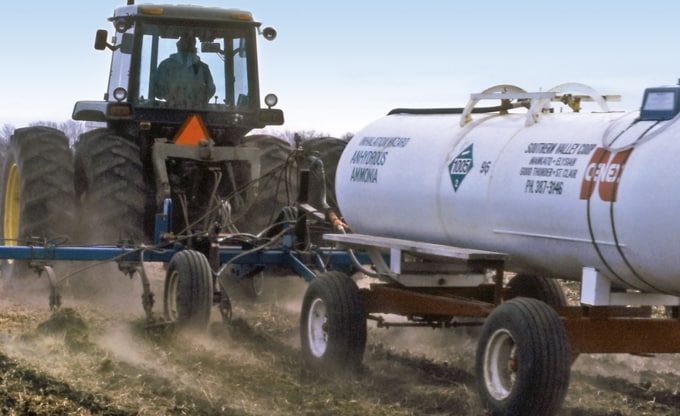
Automatic rate controllers help applicators maintain a steadier target rate as field conditions change. That is the whole point. Ground speed changes. Pressure changes. The tractor turns, slows, and speeds up. A rate controller helps the application respond so the field receives a more consistent pass.
That does not mean the system can be ignored. A controller works best when it is calibrated, maintained, and paired with good monitoring. Technology helps, but the basics still carry the job.
Rate control helps manage change
No application pass is perfectly uniform. Even in a square field, the operator changes speed at headlands, near waterways, or around obstacles. Without rate control, those speed changes can affect how much product is applied.
Anhydrous ammonia rate controllers help manage that by adjusting flow in response to operating conditions. The goal is to keep the applied rate closer to the target.
That consistency matters for crop nutrition, input cost, and confidence in the pass. If a field is overapplied in one area and underapplied in another, the application did not do its job evenly. A steadier system makes the whole operation easier to trust.
Why automatic rate controllers still need setup time
A controller cannot fix bad setup. It needs accurate calibration, working sensors, responsive valves, and a product system that is in good condition.
Before the season, check settings and components. Confirm the controller matches the applicator. Inspect wiring, connectors, valves, hoses, and fittings. Make sure the system responds before the first serious field window.
An automatic rate controller manufacturer can provide setup information, but operators still need to verify how the system behaves on their own equipment. Good setup is what makes automatic control dependable.
.
.
Flow monitoring supports the controller
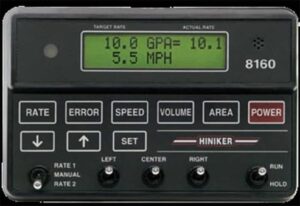
A controller manages rate, but flow monitoring helps confirm product movement. Those two functions work well together.
An anhydrous flow monitor can help show whether product is flowing as expected. An NH3 Flow Monitor gives the operator useful visibility into the system during application.
That matters because a controller may be trying to hit a target while another issue is affecting delivery. A line restriction, valve problem, or flow issue can create uneven application if it is not caught. Monitoring helps the operator see when something is not right.
NH3 systems need careful attention
NH3 ammonia rate controllers work in a demanding environment. NH3 application involves pressure, cold product, specialized components, and seasonal timing. The system needs respect and regular inspection.
Check the equipment before the rush. Look for worn hoses, questionable fittings, damaged wiring, and sensors that need attention. If something looks wrong, fix it before the field window opens.
During application, watch the readings. If the system is hunting or struggling to hold rate, stop and investigate. It may be something simple. It may not be. Either way, it is better to know early.
Operators still make the important calls
Automation can make the job smoother, but the operator still has to make decisions. If alarms sound, readings shift, or the application feels off, the operator decides whether to stop, adjust, or continue.
That judgment matters. A controller can display information, but it cannot understand every field situation. The person in the cab still brings experience, caution, and common sense to the job. The best systems support operators instead of replacing them.
Records help from season to season
Rate control systems can also make recordkeeping easier. Settings, rates, and field notes can help the farm understand what was applied and where.
Those records can be useful for planning, troubleshooting, and future calibration. If a problem showed up last season, notes can help prevent the same mistake next year. It does not need to be complicated. Even simple records about calibration, repairs, and settings can save time.
Better control creates a better pass
Automatic rate controllers are useful because they help application stay closer to the plan. They respond to speed changes, support consistency, and work well with monitoring tools that help verify flow.
The system still depends on setup and operator attention. But when those pieces are handled well, the application feels more controlled from start to finish.
FAQs
Do automatic rate controllers work without flow monitoring?
They can, but flow monitoring gives the operator more visibility and can help catch delivery problems sooner.
Why is calibration important?
Because the controller needs accurate information. Poor calibration can lead to poor application, even if the system appears to be working.
Are automatic rate controllers only useful for large farms?
No. Consistent application matters on any acreage where rate accuracy and product cost are important.
Tired of fighting your farm equipment? Let’s make it easier. Reach out to us online at Hiniker to fill out a form or call us at 507-625-6621.
.

.
We are here to assist you with all your farm equipment needs. We carry the latest equipment, whether it’s cultivators, cover crop seeders, rate controllers, shredders, windrowers, or a forage chopper.
Find your Hiniker Dealer today to find out more about our amazing agricultural equipment.
You can also follow us on Facebook for the latest news and updates.