



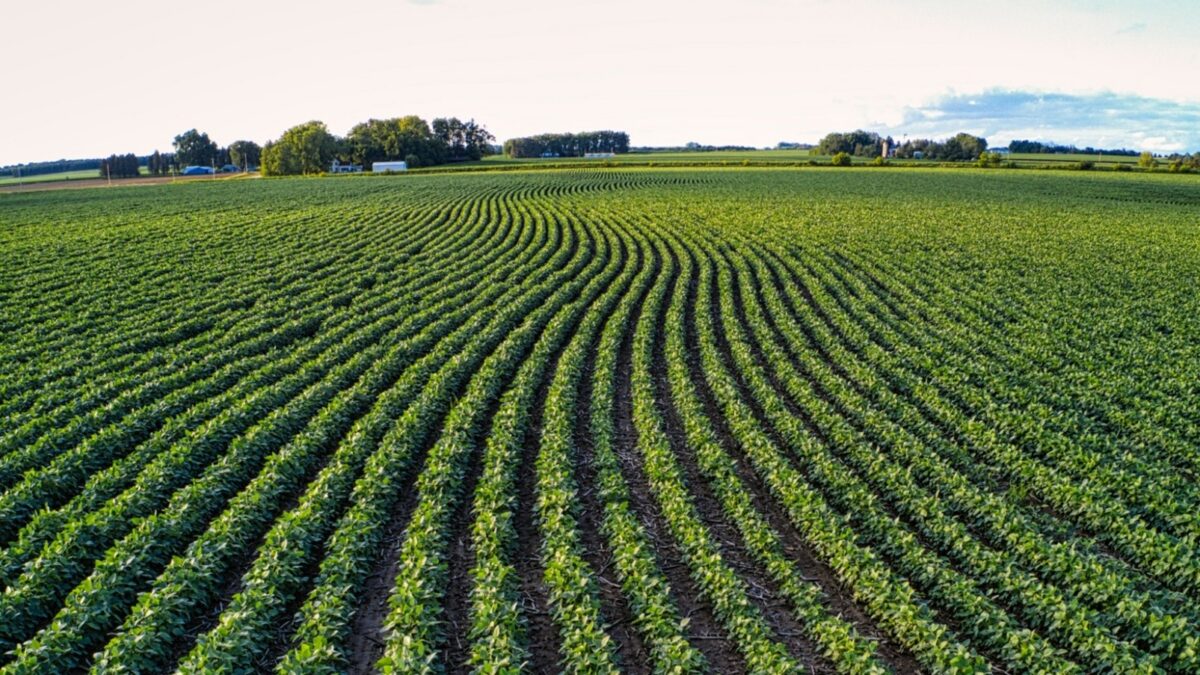
Cultivator choices usually start with a field that is not behaving quite the way you hoped. Maybe the weeds came on faster than expected. Maybe a rain packed the top inch of soil. Maybe the stand looks good, but the middles need cleaning up before the crop can shade the row. That is the real setting for this decision. Not a showroom. Not a spec sheet. A field, a short weather window, and a pass that needs to be worth the time.
The right question is not always “which machine is best?”
A better question is, “What problem am I trying to solve in this crop, on this ground, this season?” That keeps the decision honest.
Some growers need a machine that can work close to young corn without making the operator tense. Some need better residue flow. Some want to disturb small weeds without throwing too much soil. Others are thinking about ridges, moisture, or how to make one more pass fit between rain and canopy.
This is where systems matter. Ridge-till Cultivators are not chosen for the same reasons as a low-disturbance setup. The crop, row shape, soil type, and residue level all get a vote.
What a cultivator really has to do
Moving dirt is easy. Moving the right dirt is the trick. A good pass should cut weeds, loosen crusted soil when needed, and leave the crop looking calm afterward. You do not want buried plants. You do not want ridges where they do not belong. You do not want the operator constantly stopping because the machine plugs, drifts, or needs another slow adjustment.
Depth control matters. So does visibility. So does how the row units follow the ground when one end of the field is mellow and the other end is heavier. Most farms have at least a few fields that look simple from the road and tell a different story once the tool is in the ground.
The point is not to find something that works only under perfect conditions. The point is to find something that still makes sense when conditions are normal, which usually means a little uneven.
Think about your weed plan before the weeds are big
Cultivation works best when it is part of the plan early. Once weeds are tall, rooted, and comfortable, the pass gets rougher and less forgiving. A field pass made at the right time can look almost understated. That is usually a good thing.
For farms dealing with herbicide resistance, organic ground, or tight spray windows, mechanical weed control can take pressure off the rest of the program. Organic cultivators often carry a heavier workload because the crop plan depends so much on timing and precision.
Even in conventional systems, a cultivation pass can help clean up escapes, break crusting, and give the crop a better shot at closing the row. It is not old-fashioned just because it is mechanical. It is another tool, and on the right acres, it can still earn its keep.
Speed helps only when the pass stays clean
Everybody likes covering acres. Nobody likes covering them twice because the first pass was messy. That is the tension with high speed cultivators. Extra speed can be valuable when the window is narrow and the weeds are small. But speed by itself is not the goal. A fast machine still has to hold depth, stay centered, manage residue, and keep soil where it belongs.
A grower who has fought a machine across a field knows the difference between fast and hurried. Fast feels controlled. Hurried feels like you are watching for the next problem. The better setup lets the operator settle in, watch the row, make practical adjustments, and keep moving without feeling like every acre is a gamble.
Row crops ask for steady, practical control
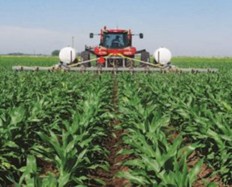
Corn and soybeans are not especially forgiving when the tool gets too close at the wrong time. A clean pass depends on row spacing, crop height, soil moisture, and how much margin the operator has around the plant.
That is why row cultivators still deserve a serious look on farms that want more control between the rows. They can fit into weed management, residue management, and the simple goal of improving conditions before the canopy closes.
The details matter here. Shields, sweeps, row-unit spacing, gauge wheels, and toolbar stability are not small things when the crop is young. Neither is adjustment time. A machine that takes too long to fine-tune may not get tuned as often as it should.
 Do not ignore residue and soil structure
Residue can make or break the pass. So can soil moisture. Dry, loose soil behaves one way. Damp soil with heavy residue behaves another. A setup that works nicely after one crop may need changes after another.
For farms trying to protect soil structure, no-till cultivators need to be judged by more than their ability to move soil. The better question is whether they can do the needed work while leaving the rest of the field largely alone.
That balance is not always simple. You may want enough action to manage weeds, but not so much that residue gets buried or moisture is wasted. You may want to open the surface slightly without undoing the benefits of a reduced-tillage system. This is where field history matters more than a neat answer.
Choose the machine you would trust on a tight day
The best test is not whether the equipment looks impressive when it is clean. It is whether you would trust it when the crop is ready, rain is coming, and there are more acres left than you wish.
Look at the parts you will adjust. Look at wear points. Think about parts access and dealer support. Think about the person who will actually run it. If the setup is hard to understand or annoying to change, that will show up when the season gets busy.
A cultivator should make a grower feel more in control, not less. It should help protect the stand, handle the conditions you actually see, and make the pass count.
That is the practical answer. Choose the cultivator that fits your crop system, your timing, and your tolerance for field-day frustration. The right one will not make every acre easy, but it should make the work feel steadier.
FAQs
When should a grower start thinking about a cultivation pass?
Usually before the weeds look like a problem from the road. Once they are tall and rooted, the pass gets harder. Earlier timing gives the equipment a better chance to do clean work.
Is a cultivator only useful for organic farms?
No. Organic farms may rely on mechanical weed control more heavily, but conventional farms can use it too. It can help with escapes, crusting, residue concerns, or tight spray windows.
What should matter most when comparing options?
Look at the crop system first. Row spacing, soil type, residue, adjustment time, and support all matter. Speed and width are useful, but only if the machine still leaves a clean pass behind it.
Tired of fighting your farm equipment? Let’s make it easier. Reach out to us online at Hiniker to fill out a form or call us at 507-625-6621.
.

.
We are here to assist you with all your farm equipment needs. We carry the latest equipment, whether it’s cultivators, cover crop seeders, rate controllers, shredders, windrowers, or a forage chopper.
Find your Hiniker Dealer today to find out more about our amazing agricultural equipment.
You can also follow us on Facebook for the latest news and updates.