




Organic cultivators are not a backup plan on an organic farm. They are part of the main plan. When herbicides are not carrying the load, timing and field preparation matter in a different way. A pass that happens two days too late can feel like it missed by a mile. A pass that happens at the right time can make the whole field look more settled.
Timing does more work than people think
Organic weed control is not only about having the right tool. It is about getting into the field when weeds are small enough to lose the fight.
That sounds simple, but every grower knows the calendar does not always cooperate. Rain delays a pass. Wind dries one field faster than another. A low spot stays tacky. The crop keeps growing while the weeds do the same.
That is why the equipment has to be ready before the window opens. If a grower has to spend half a day fighting adjustments or hunting for parts, the best timing may already be gone. The machine needs to be practical enough that a field-ready day can actually become a field-work day.
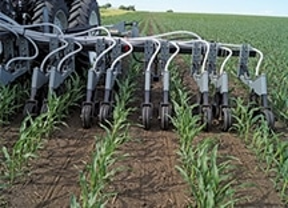 Why organic cultivators need to be easy to trust
There is a lot riding on an organic cultivation pass. The operator is trying to disturb weeds, protect the crop, manage soil movement, and avoid setting up a bigger problem for the next pass.
That takes trust. The machine has to hold depth. It has to stay stable. It has to let the operator see what is happening near the row. If the tool is hard to read, the operator either slows way down or starts making cautious passes that do not do enough work.
Good organic cultivation is usually a series of small, timely decisions. How close can you work? How much soil should move? Does the crop need shielding? Is the soil too wet to run clean? The equipment should help answer those questions, not make them harder.
The system around the tool matters
A cultivation pass starts long before the tractor enters the field. Seedbed prep, planting accuracy, row spacing, residue levels, and crop rotation all shape how well the pass will go.
That is why conversations with organic cultivator manufacturers can be useful. The best equipment choices come from understanding the whole system, not just picking a toolbar width.
A straight, consistent planting pass gives the cultivator a better chance. Uniform emergence helps too. So does a field surface that lets the row units work without bouncing or plugging. If any of those pieces are off, the cultivation pass has to compensate.
The machine still matters, of course. But it performs best when the rest of the system gives it something reasonable to work with.
Residue changes the conversation
Organic farming does not always mean clean, black soil. Many growers are thinking hard about residue, soil cover, and erosion. That can make cultivation more complicated.
Residue can protect the soil, but it can also interfere with weed control if the tool cannot handle it. Heavy residue may cause plugging, uneven soil movement, or missed weeds. Too much aggressive action can bury residue and undo some of the soil-protection work.
This is where growers may compare organic systems with ideas from no-till cultivators. The goal is not always the same, but the thinking overlaps. Move enough soil to solve the problem. Leave enough structure and cover to protect the field. That balance is different on every farm.
Dealer support is not a small detail
When a cultivation tool is central to the weed program, support matters. Parts access matters. Setup advice matters. So does having someone who understands why the machine needs to be ready when the weeds are at the right stage, not next week.
That is why organic cultivator dealers should be judged by more than availability. A good dealer can talk through field conditions, row spacing, crop stage, and the adjustments that make a difference in real use.
This becomes especially important during the first season with a new setup. The operator is learning how the machine behaves. The field is teaching its own lessons. Good support can shorten that learning curve.
No equipment purchase removes the need for judgment. But good support can make that judgment easier to apply
.
Ridge systems and speed still have a role
Some organic growers look at ridge-till cultivators because they want the row shape to work with the cultivation plan. Others are more focused on covering acres while the weeds are still vulnerable.
Speed can help, especially when weather windows are tight. High speed cultivators can be appealing for that reason. But the same rule applies here as anywhere else: speed only helps if the pass stays clean.
A machine that lets the operator run faster without losing control is valuable. A machine that simply encourages a rushed pass is not. Organic weed control rewards accuracy. It rewards being early. It rewards paying attention.
The right organic cultivators should help the grower do those things with less stress and fewer compromises. They should fit the crop plan, respect the soil, and make the right pass easier to repeat when the calendar is tight.
FAQs
How early should organic growers cultivate?
Often earlier than they want to. Small weeds are much easier to manage than weeds that already have a strong root system.
Can organic cultivators work in heavy residue?
Sometimes, but the setup matters. Residue flow, soil moisture, and adjustment all decide whether the pass runs clean or turns into a fight.
What makes organic cultivation different from conventional cultivation?
The timing pressure is usually higher. Since the tool may be doing more of the weed-control work, a late or sloppy pass can cost more.