



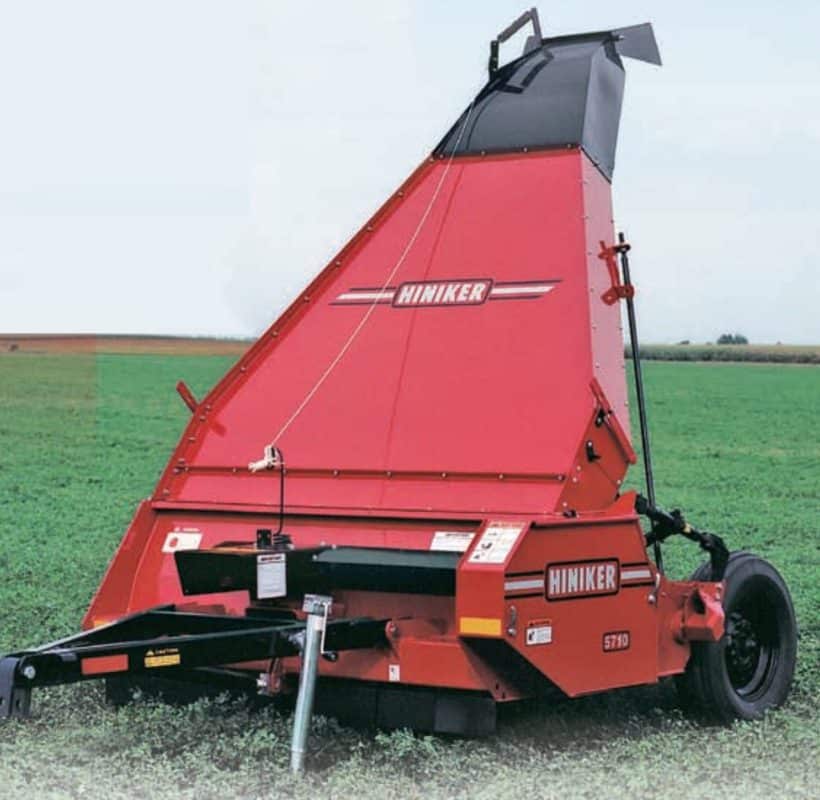
Let’s talk about silage. When it comes to producing quality silage, few machines are as important as the forage harvester. It’s the powerhouse of the harvest season. It cuts. It chops. And it processes crops with precision.
At Hiniker, we understand what goes into building machines that perform under pressure. Every component in a harvester plays a key role. The harvester turns raw material into consistent, high-quality feed.
Farmers rely on dependable equipment to get the job done. And it must be done quickly and efficiently. But what really happens inside a forage harvester during operation? Let’s take a closer look.
The Purpose of a Forage Harvester
Let’s talk more about the forage harvester. It is often referred to as a forage chopper. This piece of equipment is designed to cut and chop plant material. This becomes silage production. Silage is created by chopping and fermenting crops. Common options are corn, alfalfa, or sorghum, to preserve them as livestock feed. The key to success lies in creating uniform particle sizes and proper compaction. This helps with fermentation and long-term storage.
Our equipment is built to deliver this kind of consistency. When you’re working against the clock during harvest, performance and precision make all the difference.
Step One: Gathering the Crop
The first stage of the process begins when the machine’s header collects the standing crop. Depending on the type of header, it may pull in whole plants or swaths that have been pre-cut. The header then feeds the material toward the processing system.
As one of the top flail forage harvester dealers, we know that this is where timing and alignment matter. Our machines are designed to keep the crop flow steady and even prevent clogging or uneven feeding. A smooth start ensures that everything downstream performs efficiently.
Step Two: Cutting and Chopping
The crop enters the cutting cylinder. Then the real work begins. Inside the forage harvester is a series of high-speed knives. The knives rotate on a drum or flywheel. Each knife slices through the material with precision, cutting it into fine, uniform pieces.
This stage defines the quality of the final silage. Uniform particle size allows for even compaction in silos or bunkers, which promotes better fermentation. The forage chopper design must balance power and accuracy to ensure each cut is clean and consistent.
At Hiniker, we focus on durable materials and balanced rotors to reduce vibration and improve cutting efficiency. The result is a smoother operation that keeps up with the demands of modern farming.
.
.
Step Three: Processing the Material
After cutting, the chopped crop passes through the processing system. Kernels and fibers are conditioned or cracked at this stage. This improves digestibility for livestock. The goal is to make nutrients more accessible. But we want to do so without over-grinding the material.
Our engineering ensures that each stage of this process is optimized. Properly processed forage improves animal health. It improves feed efficiency. And it enhances overall milk or meat production. That’s why a well-tuned forage harvester is one of the most valuable investments on the farm.
Step Four: Moving the Silage
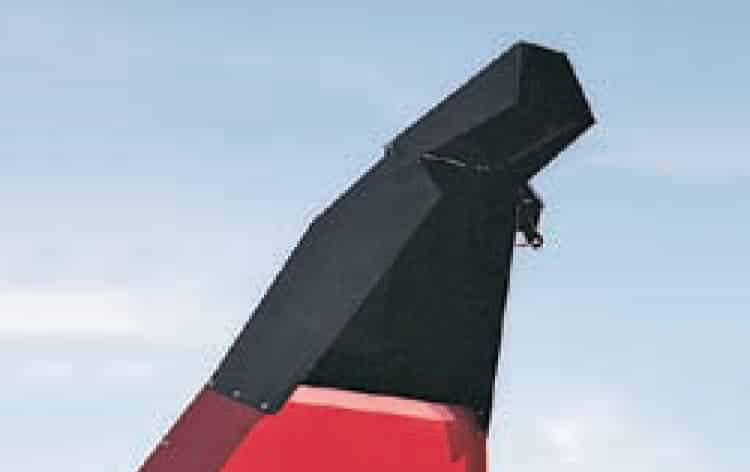
Once the crop is chopped and processed, it’s ready to move out of the machine. A blower or auger system transfers the silage through a spout and into a waiting trailer or wagon. This step demands power and coordination, especially when operating in large fields.
A strong discharge system keeps the process continuous. It ensures that the machine doesn’t slow down between loads, saving time and fuel. We design our systems to handle high throughput without sacrificing quality.
The Importance of Maintenance and Sharp Blades
Inside every flail forage harvester, the knives and blades take on the toughest job. They face constant contact with dense plant material and must stay sharp to maintain performance. Regular maintenance, checking blades, cleaning buildup, and ensuring proper alignment, keeps everything running smoothly.
As leading flail forage harvester manufacturers, we understand that even small adjustments make a big difference. Sharp, balanced components help reduce vibration, extend machine life, and improve cut quality.
When operators take the time to care for their equipment, they see fewer breakdowns and better results.
When It Comes to Premium Farm Equipment, Hiniker Has You Covered
Producing quality silage starts inside the forage harvester, where engineering and precision come together.
From gathering to chopping, every stage matters. At Hiniker, we build machines that farmers can count on to perform at their best.
When it comes to premium farm equipment, Hiniker has you covered.
Contact us today and let us help you get the right equipment for your specific needs.
.

.
Every successful farming operation relies on hard work, the right people, and the proper equipment – that’s where Hiniker comes in. When you need the latest equipment to make your farm operations as efficient as possible, our team is ready to assist.
Hiniker is proud to be one of the most reliable sources when it comes to farm equipment manufacturing. Since 1970, we have been building durable and productive equipment to help our friends in the agriculture community.
We carry the latest equipment, whether it’s cultivators, cover crop seeders, rate controllers, shredders, windrowers, or a forage chopper. Let Hiniker assist you with all your farming equipment needs.
Find your Hiniker Dealer today to find out more about our amazing agricultural equipment.
You can also follow us on Facebook for the latest news and updates.