



.
.
In modern farming, the word cultivator gets used a lot. Sometimes casually. Sometimes incorrectly. It can mean a person. A machine. Or a whole category of equipment depending on who is talking.
In agriculture today, a cultivator is a specific type of field implement designed to manage soil and weeds after planting. It is not about tearing fields apart. It is about precision. Timing. And control.
That distinction matters more than it used to.
As farming has shifted toward tighter margins and more precise operations, cultivators have changed along with it. They are no longer one-size-fits-all tools. They are specialized machines built for very specific conditions.
Understanding what a cultivator actually does helps explain why so many different designs exist.
Cultivators are about control, not disturbance
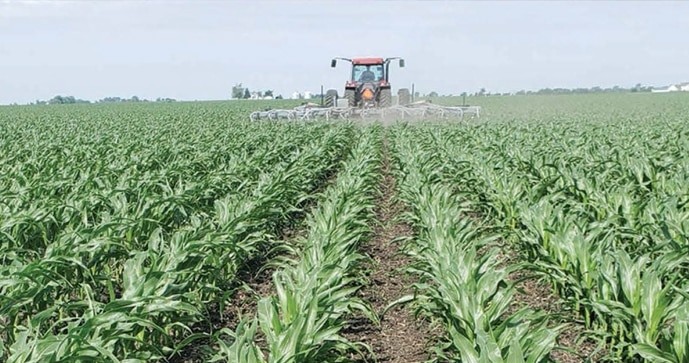
At its core, a cultivator works the soil between rows of crops. The goal is not deep tillage. The goal is weed control and soil conditioning without damaging the crop itself.
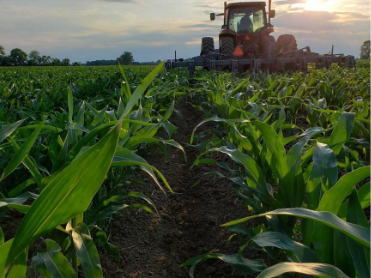
That is why cultivators operate close to planted rows. Often within inches. That level of accuracy requires stable frames, precise depth control, and consistent spacing.
This is also why cultivators behave differently than disks or plows. They are not designed to reset a field. They are designed to maintain one
That difference shapes everything about how they are used.
Where cultivators fit into the growing season
Cultivators typically come into play after crops are established. Early enough to manage weeds. Late enough that rows are clearly defined.
That timing is critical. Too early and there is nothing to cultivate. Too late and crops are too developed to safely pass through.
This is where equipment choice becomes important. A row crop cultivator is built to move through standing crops without contact. That requires consistent row spacing and a machine that tracks accurately behind the tractor.
Modern guidance systems help. But the mechanical design still does most of the work.
Different cultivators exist for different systems
Not all farms operate the same way. That is why cultivators are not interchangeable.
A no-till cultivator is designed to manage weeds without disturbing residue or soil structure. These machines work shallow and leave most of the field intact.
A ridge-till cultivator works differently. It maintains ridges formed during planting and helps manage residue while keeping soil in place.
There are also machines built for speed. A high speed cultivator focuses on covering more acres efficiently while maintaining consistent depth and spacing. These are common in larger operations where timing matters as much as precision.
Each type exists because fields behave differently under different management systems.
.
.
Cultivators are not just mechanical anymore
Older cultivators relied on simple adjustments. Depth was set manually. Spacing was fixed. Operators relied on experience to keep things aligned.
A modern cultivator are more adaptable. They integrate guidance systems. They adjust more easily. They maintain consistency across changing field conditions.
This does not mean they are complicated to use. It means they are designed to reduce variability. That matters when every pass through a field costs time and fuel.
It also matters when weed pressure changes across a field. Consistent cultivation prevents problem areas from spreading.
Organic systems rely heavily on cultivators
In organic operations, cultivators are not optional. They are essential.
A properly set organic cultivator replaces chemical weed control. That makes accuracy and timing even more important.
These systems rely on multiple passes. Shallow work. And careful spacing. The cultivator becomes part of a larger management plan instead of a single-use tool.
That reliance is one reason organic cultivators are often more adjustable and precise.
What cultivators do not do
It is just as important to understand what cultivators are not meant to handle.
They are not primary tillage tools. They do not break compacted soil. They do not manage heavy residue on their own.
Trying to use a cultivator for the wrong job leads to poor results. Uneven weed control. Crop damage. Wasted passes.
Cultivators work best when they are used as intended. Between rows. At the right time. With the right setup.
Why cultivators still matter
With all the technology available in farming today, it is fair to ask why cultivators are still relevant.
The answer is simple. They solve a problem that has not gone away.
Weeds still compete with crops. Soil still needs management. Chemical solutions are not always ideal or available.
Cultivators offer a mechanical solution that adapts to different systems. They work alongside modern planting and guidance equipment rather than replacing it.
That flexibility keeps them relevant.
Planning cultivator usage correctly
The biggest issues with cultivators usually come from planning, not design.
Wrong timing. Wrong setup. Wrong expectations.
A cultivator will not fix a poorly managed field. But when used correctly, it supports healthier crops and more consistent yields.
That starts with understanding what a cultivator is designed to do.
FAQ
What is a cultivator used for in farming?
It is used to manage weeds and condition soil between rows after crops are planted.
Is a cultivator the same as a tillage tool?
No. Cultivators work shallow and are not meant for primary tillage.
Can cultivators be used in no-till systems?
Yes. Specialized no-till cultivators are designed for that purpose.
Do organic farms rely on cultivators more?
Yes. They are often a primary weed control method.
Are cultivators still relevant with modern technology?
Yes. They complement modern planting and guidance systems rather than replacing them.
Tired of Fighting Your Farm Equipment? Let’s Make It Easier.
 .
.Reach out to us online at Hiniker to fill out a form or call us at 507-625-6621
We are here to assist you with all your farm equipment needs. We carry the latest equipment, whether it’s cultivators, cover crop seeders, rate controllers, shredders, windrowers, or a forage chopper.
Find your Hiniker Dealer today to find out more about our amazing agricultural equipment.
You can also follow us on Facebook for the latest news and updates.