


.
.
The word cultivator gets used in two very different ways. Sometimes it describes a person. Sometimes it describes a machine. In modern agriculture, those meanings overlap more than people realize.
To be a cultivator today is not just about owning equipment. It is about how fields are managed over time. How soil is handled. How weeds are controlled without disrupting crops that are already established.
At the center of that approach is the cultivator itself. Not as a generic tool, but as part of a broader system that focuses on precision instead of disruption.
Being a cultivator means understanding that difference.
Cultivation is a management mindset
Historically, cultivation was labor-intensive. It involved repeated passes through fields with limited control. Timing was rough. Adjustments were manual. Results varied.
Modern cultivation is more deliberate. Equipment is designed to work close to crops without damaging them. Adjustments are precise. Depth and spacing matter.
A cultivator today is someone who plans for those passes instead of reacting to problems later. That mindset shifts how equipment is chosen and how fields are approached.
Equipment defines modern cultivation
Modern cultivators are not built for every field or every system. They are designed to fit specific farming practices.
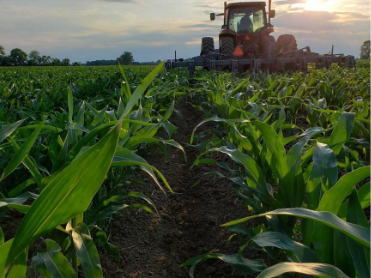
A row crop cultivator is designed to move between planted rows with minimal disturbance. These machines depend on accurate spacing and consistent guidance. They are common in corn and soybean operations where crops are already established before cultivation begins.
A no-till cultivator supports a different goal. It allows weed control without breaking soil structure or burying residue. These systems prioritize soil health and erosion control, which changes how cultivation fits into the season.
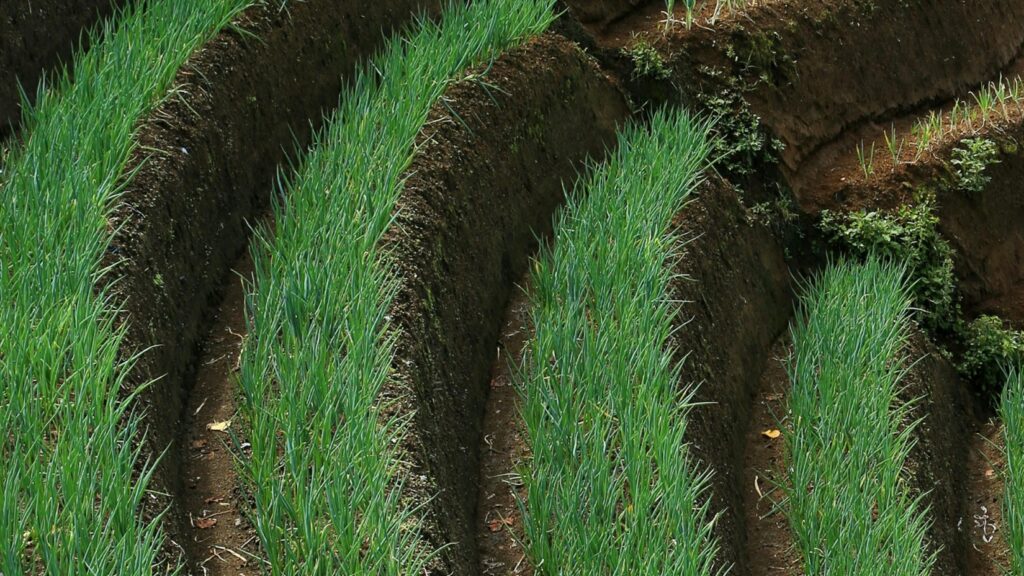
A ridge-till cultivator maintains ridges formed during planting. Instead of flattening the field, it preserves structure while managing weeds and residue.
Each of these tools reflects a different approach to cultivation. None of them exist by accident.
Cultivation happens after planting, not before
One of the biggest misunderstandings about cultivation is timing.
Cultivators are not primary tillage tools. They do not prepare fields for planting. They manage conditions after crops are already in the ground.
That timing changes expectations. Cultivation is not about aggressive soil movement. It is about shallow work. Clean rows. Consistent conditions.
This is why cultivators must be stable and predictable. A small mistake can damage crops that are already established.
Being a cultivator means respecting that margin for error.
.
.
Speed and scale influence cultivator design
Modern operations often cover more acres in tighter windows. That reality affects how cultivation is done.
A high speed cultivator is designed to cover ground efficiently while maintaining consistent depth and spacing. Speed alone is not the goal. Control at speed is.
These machines are built with stronger frames and better depth control to prevent bouncing or drift. Without that stability, speed works against precision instead of supporting it.
Cultivators who operate at scale rely on this balance. Too slow and timing is missed. Too fast without control and crops suffer.
Organic systems depend on cultivation
In organic systems, cultivation plays a larger role. Chemical weed control is not an option, so mechanical control becomes essential.
An organic cultivator is often adjusted more frequently. Depth changes. Tools shift. Multiple passes may be required.
This approach demands attention. It is not passive. Organic cultivators rely on timing, field observation, and consistent adjustments.
In these systems, being a cultivator is an active role. Equipment supports decisions, but it does not replace them.
Cultivation is about consistency, not correction
Cultivators are most effective when they prevent problems instead of fixing them.
Weeds that are managed early do not compete later. Soil that is conditioned evenly supports more uniform growth. Fields that are maintained consistently require fewer interventions overall.
Cultivation works best when it is planned. That planning includes understanding field conditions, crop stage, and equipment capabilities.
Waiting too long reduces options. Acting too aggressively creates new problems.
Being a cultivator means finding that balance.
What cultivation does not replace
Cultivation does not eliminate the need for good planting practices. It does not fix compaction. It does not replace fertility management.
It supports those systems. It works alongside them.
Expecting a cultivator to correct deeper issues leads to disappointment. Using it as part of a broader plan leads to better outcomes.
That distinction matters when equipment decisions are made.
Why the role of the cultivator still matters
Technology has changed how farming operates. Guidance systems. Variable-rate applications. Data-driven decisions.
Cultivation still matters because it addresses physical conditions in the field. Weeds. Soil surface. Residue.
Those conditions still exist. They still affect yields. And they still require mechanical solutions in many systems.
Being a cultivator today means combining experience with modern equipment. It means understanding when to intervene and when to leave the field alone.
That judgment is what separates effective cultivation from unnecessary passes.
FAQ
What does being a cultivator mean in farming?
It means managing soil and weeds after planting using precise equipment and timing.
Is a cultivator a person or a machine?
In agriculture, it refers to both. The operator and the equipment work together.
Do all farms use cultivators?
No. Use depends on the farming system and management goals.
Are cultivators used in no-till systems?
Yes. Specialized no-till cultivators are designed for that purpose.
Is cultivation still relevant today?
Yes. It remains an important tool for weed control and soil management.
Tired of Fighting Your Farm Equipment? Let’s Make It Easier.
Reach out to us online at Hiniker to fill out a form or call us at 507-625-6621
We are here to assist you with all your farm equipment needs. We carry the latest equipment, whether it’s cultivators, cover crop seeders, rate controllers, shredders, windrowers, or a forage chopper.
Find your Hiniker Dealer today to find out more about our amazing agricultural equipment.
You can also follow us on Facebook for the latest news and updates.