


A practical guide for growers comparing field performance, setup, and ownership considerations.
Timing starts with the weed, not the calendar
A cultivator plays a key role in the farming world, but it must be used in the right conditions. Farmers must choose a workable cultivation window without turning weed control into crop damage. A useful starting point is this: small weeds are easier to uproot or bury than established weeds with deep roots. In practice, the machine should be judged by what happens in the field, not by a single number in a brochure. The first things worth recording are weed size, species, recent rain, and the drying forecast. Those observations give a dealer or operator something concrete to work from and make later adjustments easier to explain.
A wise first move is to scout before weeds are obvious from the road and mark the problem zones. This is also where a corn cultivator belongs in the comparison, because the label matters less than the result it can produce in the intended conditions. Watch for waiting for every acre to reach the same condition; it often turns a promising demonstration into a poor ownership experience. The target is a pass made while control is still mechanical rather than heroic. Write down the setting and the field condition together so the result can be repeated rather than remembered vaguely.
What cultivator performance should prove in the field
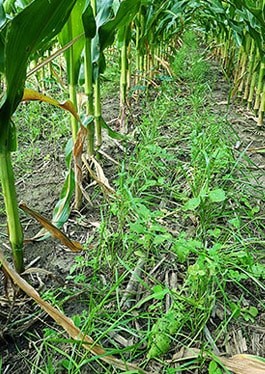
This part of the decision becomes clearer when the operator stops treating field conditions as background noise. In this case, the goal is a clean inter-row area and a living crop that resumes growth quickly. Check crop burial, root pruning, clods, and weeds that have been fully dislodged at more than one location. A short stop and a careful look usually reveal more than another round at full speed. For a cultivator, that habit is especially valuable because small setup errors can repeat across every row or acre.
Use the machine long enough to stop after the first hundred yards and examine plants at ground level. The comparison may also include a soybean cultivator. Ask what must change when the field is no longer ideal. The common trap is calling a dark strip of moved soil a successful pass. A better standard is control that can be verified rather than assumed. It keeps the conversation focused on crop, soil, material flow, and operator control instead of a feature list that may never matter on this farm.
Corn gives useful visual cues
Conditions seldom stay uniform from one end of a field to the other. When plant height, brace-root development, and row visibility affect how safely soil can be moved, the operator needs a setting that is understandable and quick to verify. Use clearance under the toolbar and the distance between tools and stems as the scorecard. The cultivator should respond predictably when the operator makes one deliberate change, and the finished work should show why that change helped.
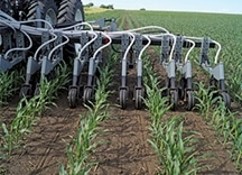
A practical routine is to start with shields and conservative speed when plants are small. Compare the role of a cultivator for corn at the same moment, especially if it changes clearance, placement, or material flow. Avoid using yesterday’s setting after moving to taller corn. The better outcome is a controlled pass that handles weeds without leaning plants. Keep the test area small until the result is stable, then check again after the machine reaches normal operating temperature and speed.
.
.
Soybeans reward a lighter hand
Operators often notice soybean stems and low branches can be less forgiving of thrown soil and close contact only after acres have been covered. That is why plant flexibility, row closure, and the location of shallow roots should be part of the first-pass inspection. A machine can sound normal while the work behind it is changing. Walking the pass, digging where appropriate, and comparing several rows creates a more reliable picture than watching one convenient spot.
Plan to work when plants are resilient and keep soil movement even across rows. The role of a cultivator for soybeans should be evaluated in that same sequence, with the tractor stopped and the equipment secured whenever inspection requires it. Do not fall into pushing the last pass after the canopy limits visibility. Aim instead for weed control that does not create a stand problem. This approach also gives the next operator a clear starting point instead of a machine full of unexplained adjustments.
Residue and moisture set the pace
Capacity is useful only when the field result holds up. Here, damp residue can drag while wet soil smears and dry clods can roll into the row. Track soil release from the tools and whether uprooted weeds can dry, then compare the result with the acres-per-hour number. This is the point where the equipment earns its place: it should help the operator hold an acceptable result through normal changes without constant guesswork. If quality falls away, reduce speed or change one setting before adding another variable.
The best test is to adjust depth and speed in a representative area after each moisture change. Apply the same standard when evaluating a no till row cultivator rather than assuming its name guarantees a certain result. Be cautious about treating a whole field as one condition. What matters is consistent performance across slopes, low spots, and headlands. A documented comparison between two settings is more valuable than a long demonstration with no measurements and no agreed definition of success.
Keep a simple field record
Ownership gets easier when the buying conversation includes the practical issue that good settings are easier to repeat when the operator records more than a single depth number. Confirm crop stage, soil moisture, speed, tool position, and the observed result and decide who will handle the first question during a narrow field window. The final equipment choice should make routine setup, inspection, and service understandable to the people who will actually use it. That practical fit is part of performance, not an extra.
Before committing, save a few notes with field maps and review them before the next pass. Ask how the available configuration affects the same decision and what parts, tools, or training should be on hand. Avoid relying on memory from a hectic season; it can make a low purchase price expensive during the season. Look for faster setup and fewer trial acres next year. A good purchase leaves the operator with a repeatable starting setup, a safe inspection routine, and a clear source of product-specific support.
Frequently Asked Questions
Is morning or afternoon better for cultivation?
It depends. Soil often releases better after surface moisture has dried, while crop flexibility and wind can change through the day. Make the decision from a short test pass, not the clock alone.
How fast should I run a cultivator?
Use the speed that keeps the machine centered, maintains depth, and produces the intended soil movement. Increase gradually and inspect the crop. The right number changes with soil, tools, residue, and plant size.
Can cultivation replace every other weed-control practice?
Usually not by itself. Mechanical cultivation works best as one part of a planned system that includes crop rotation, scouting, timely planting decisions, and other permitted controls for the operation.
.

.
Tired of Fighting Your Farm Equipment? Let’s Make It Easier.
Reach out to us online at Hiniker to fill out a form or call us at 507-625-6621.
We are here to assist you with all your farm equipment needs. We carry the latest equipment, whether it’s cultivators, cover crop seeders, rate controllers, shredders, windrowers, or a forage chopper.
Find your Hiniker Dealer today to find out more about our amazing agricultural equipment. You can also follow us on Facebook for the latest news and updates.