



.

.
Organic cultivators are valuable because they help control weeds without relying on chemical options. But the machine is only part of the program. Timing, crop stage, soil moisture, and weed size matter just as much. In organic systems, the best pass is usually the one made before weeds look like a serious problem.
That can feel early. It can even feel a little unnecessary from the road. But small weeds are easier to disturb, bury, or uproot. Once they get established, everything gets harder.
Weed size changes the whole job
Organic weed control is often won or lost when weeds are small. A cultivator can do excellent work on tiny weeds, especially when soil conditions are right. Larger weeds may still be controlled, but the pass usually has to be more aggressive. That is where risk increases. More aggressive cultivation can move more soil, expose crop roots, or damage plants if the machine gets too close.
Organic cultivator dealers should understand this timing pressure. Organic growers do not always have many backup options. If the field window is missed, weed control may become more difficult for the rest of the season. A timely pass is not just convenient. It is part of the strategy.
Why organic cultivators need careful crop protection
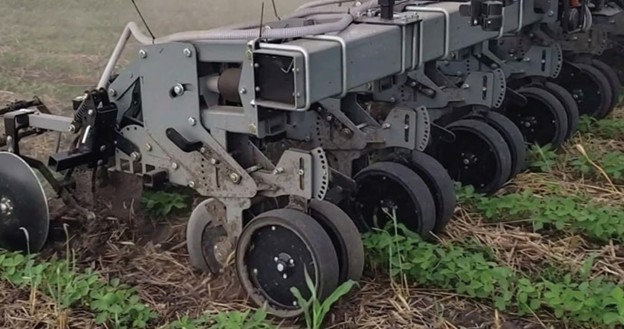
The crop is the priority. A field can look clean after cultivation, but if the plants are clipped, buried, or root-pruned, the pass was too costly. Shields, depth, and speed all need to match the crop stage. Early plants may need more protection. Later crops may allow more soil movement toward the row, but they can still be damaged by poor tracking.
Organic cultivator manufacturers can design machines with adjustability, clearance, and protection features, but the operator still has to read the field. No setting works everywhere. Stop after the first pass and inspect plants from the ground. That simple habit helps catch trouble before it spreads.
Soil moisture decides how weeds respond
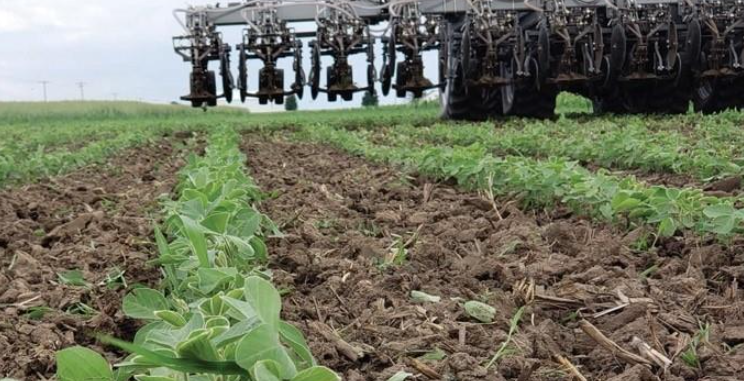
Soil condition affects weed kill. In fit soil, small weeds may lift cleanly and dry out. In wet soil, weeds may be disturbed but re-root. In dry, hard soil, tools may bounce or leave roots intact. That is why cultivation timing is not just about the calendar. It is about moisture.
Ridge-till cultivators may be part of systems where soil position and residue management are tied closely to cultivation. In those fields, moisture and ridge condition both matter. A pass that is too aggressive can disturb more structure than intended. The best conditions usually allow soil to crumble around the tool. If the soil smears, balls up, or sticks to the machine, think twice before continuing.
.
 .
.
Residue can help and complicate the pass
Residue protects soil, but it can also hide weeds and interfere with tools. In organic systems, that can be frustrating. The residue may be doing something useful for the soil while also making weed control harder. No-Till cultivator dealers can help growers think through residue flow, clearance, and setup. If residue drags or bunches, the cultivator may miss weeds or damage the crop row.
Do not assume residue problems are always solved with more depth. Deeper tools can catch more material and disturb crop roots. Sometimes the better answer is a slower speed, drier conditions, or a different shield adjustment. Residue management is a field-by-field conversation.
Speed should stay honest
High speed cultivator dealers can help explain when faster cultivation makes sense. Speed can cover acres and move soil effectively in the right conditions. But in organic systems, clean work matters more than simply getting across the field.
If the machine is bouncing, missing weeds, or pushing soil over small crops, speed is too high. If residue starts dragging, speed may also make the problem worse. Once the pass is clean and controlled, speed can be increased carefully. The field should decide how fast the job goes.
Scouting keeps the program on track
Organic cultivation works best when paired with frequent scouting. Walk fields early. Look for weed flushes. Check low spots, headlands, and areas with heavier residue.
A field may not be uniform. One section may be ready to cultivate while another is still too wet. One field may need attention before the others because weed pressure is higher. Scouting helps prioritize the work. That matters when weather is tight and every field seems to want attention at once.
The best organic pass feels timely, not dramatic
A successful organic cultivation pass often looks calm. The crop is protected. Small weeds are handled. Soil moves just enough. The operator does not have to force the machine to fix a late problem.
That is where organic cultivators are strongest. They reward early attention, steady setup, and close observation. In organic systems, timing is not a detail. It is the heart of the program.
FAQs
When should organic fields be cultivated?
Usually when weeds are still small and soil is fit. Waiting until weeds are obvious from the road often makes the job harder.
Can organic cultivation work in residue?
Yes, but residue flow and weed visibility matter. The machine needs enough clearance and the field needs the right moisture.
Why do organic cultivators need careful setup?
Because they work close to the crop. Depth, shields, speed, and alignment all affect crop safety and weed control.
Tired of fighting your farm equipment? Let’s make it easier. Reach out to us online at Hiniker to fill out a form or call us at 507-625-6621.
.

.
We are here to assist you with all your farm equipment needs. We carry the latest equipment, whether it’s cultivators, cover crop seeders, rate controllers, shredders, windrowers, or a forage chopper.
Find your Hiniker Dealer today to find out more about our amazing agricultural equipment. You can also follow us on Facebook for the latest news and updates.