



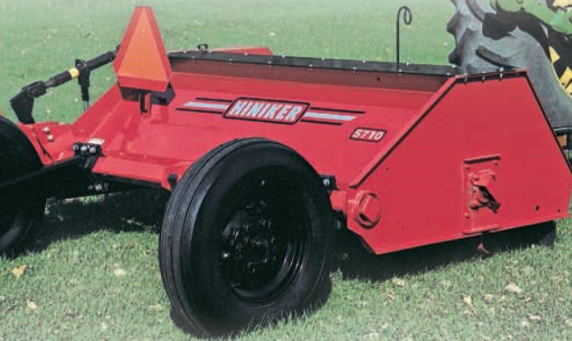
Flail mowers are a practical choice when a grower needs a cleaner, more controlled cut through rough vegetation, residue, or field edges. They are not always the flashiest piece of equipment on the farm, but they tend to prove their value in the places that are hard on lighter-duty tools. Ditches, waterways, field borders, stalk residue, and cleanup passes all have a way of testing equipment fast.
Start with the kind of material you need to cut
Not every mowing job is the same. Light grass along a field edge is one thing. Tough stalks, tangled growth, or uneven residue are another.
That is why the first question should be about material. Is the mower expected to handle weeds, cover crop growth, stalks, brushy edges, or crop residue? How often will it run? Will the ground be smooth, rough, sloped, or full of surprises?
A mower that is fine for occasional light work may not hold up if the job is heavy and regular. The more demanding the work, the more important build quality becomes.
Why flail mowers are useful for rougher cleanup
A flail-style cut can be helpful when the grower wants material sized more evenly instead of simply knocked down. That can make the field or field edge look cleaner and help residue settle faster.
The benefit is control. Instead of leaving long, stringy material, the mower can leave a more manageable finish. That matters around waterways, headlands, ditches, and areas where residue or growth might interfere with the next operation.
It also matters for safety and visibility. Clean field edges make it easier to see obstacles, maintain access, and keep equipment moving without fighting overgrown areas.
Shredding and mowing can overlap
A farm that is considering a mower may also be looking at heavier residue tools. Flail shredders are often part of that conversation when stalks or stover need more aggressive sizing.
The difference comes down to the job. Mowing may be focused on maintenance, cleanup, or lighter residue. Shredding is usually aimed at tougher crop material and more demanding post-harvest work.
Still, there is overlap. A grower who wants a better finish and more controlled material sizing may compare both options. The right choice depends on residue volume, crop type, tractor match, field conditions, and how much work the machine is expected to do in a season.
Manufacturer experience matters
Flail mower manufacturers should understand that farm mowing is not the same as trimming a lawn. The equipment has to live around dust, uneven ground, hidden debris, and long hours.
That shows up in the details. Rotor design, knives, shielding, bearings, driveline strength, and service access all matter. So does how easy it is to inspect wear parts and make routine repairs.
A machine that is difficult to maintain will eventually get maintained less often. That is not because farmers are careless. It is because the season gets busy. Good design makes the right thing easier to do.
Crop residue can be harder than it looks
After harvest, fields can leave behind more material than expected. Stalks get tough. Stover gets tangled. Wet spots can hold residue in clumps.
A stalk chopper or stalk shredder may be better suited for heavy post-harvest residue, but the thinking is similar. The tool has to match the material.
That is where some mower decisions go wrong. A grower buys for the easiest job and then expects the machine to survive the hardest one. It is better to be honest about the roughest conditions the mower will see.
If the work includes tough residue, heavy weeds, or rough field edges, buy for that reality.
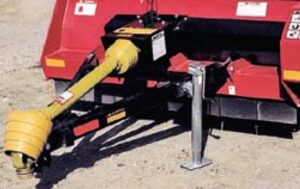 Think about the finish you want
Some jobs only need material knocked down. Others need a cleaner finish. That is where flail mowers can stand out.
A cleaner finish may matter around farm lanes, drainage areas, road edges, waterways, or places where residue needs to settle instead of lying in long strips. It may also help reduce places where weeds go to seed or where tall growth blocks visibility.
A stalk cutter may be a better fit for certain post-harvest stalk jobs, but for mixed cleanup and mowing work, a flail mower can be a useful tool to have available.
The right flail mowers should feel dependable in rough spots, not delicate. They should cut cleanly, handle uneven material, and be simple enough to maintain when the farm schedule is already full.
FAQs
Are flail mowers only for field edges?
No. Field edges are common, but they can also help with waterways, rough cleanup, vegetation control, and some residue-management jobs.
How are flail mowers different from rotary mowers?
A flail mower generally gives a more controlled, finely sized cut. The best choice depends on the material and finish the grower wants.
What should a grower check before buying one?
Look at the toughest material it will handle, not the easiest. Rotor design, knives, shielding, service access, and durability all matter.
Tired of fighting your farm equipment? Let’s make it easier. Reach out to us online at Hiniker to fill out a form or call us at 507-625-6621.
.

.
We are here to assist you with all your farm equipment needs. We carry the latest equipment, whether it’s cultivators, cover crop seeders, rate controllers, shredders, windrowers, or a forage chopper.
Find your Hiniker Dealer today to find out more about our amazing agricultural equipment.
You can also follow us on Facebook for the latest news and updates.